
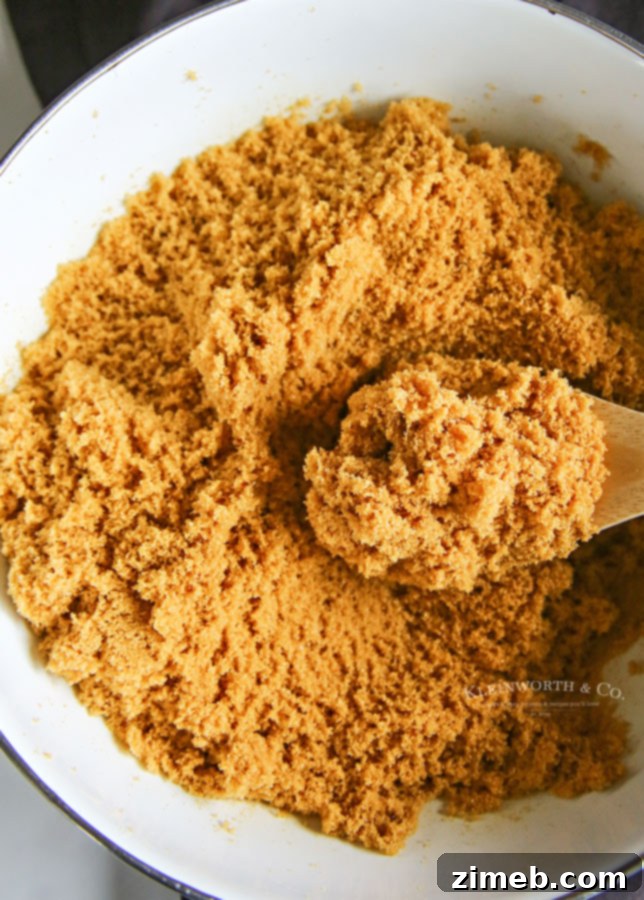
Master the Art of Homemade Brown Sugar: Easy 2-Ingredient Recipe & Expert Tips
Imagine never having to rush to the store for brown sugar again. With just two simple ingredients and about ten minutes of your time, you can effortlessly create your own fresh, flavorful homemade brown sugar. This isn’t just a convenient trick; it’s a game-changer for your baking, offering a depth of flavor and a moist texture that elevates all your culinary creations. Beyond its practicality, homemade brown sugar is a delightful addition to your pantry, and it even makes for a thoughtful DIY gift.
Making brown sugar at home ensures you always have this essential baking ingredient on hand, eliminating those frustrating last-minute runs to the grocery store. It’s fresh, customizable to your preferred intensity of molasses flavor, and incredibly simple to prepare.
Gina’s Essential Guide to Homemade Brown Sugar: Your Quick Rundown
Before diving into the full details, here’s a quick overview of what makes homemade brown sugar an absolute kitchen staple:
Texture:
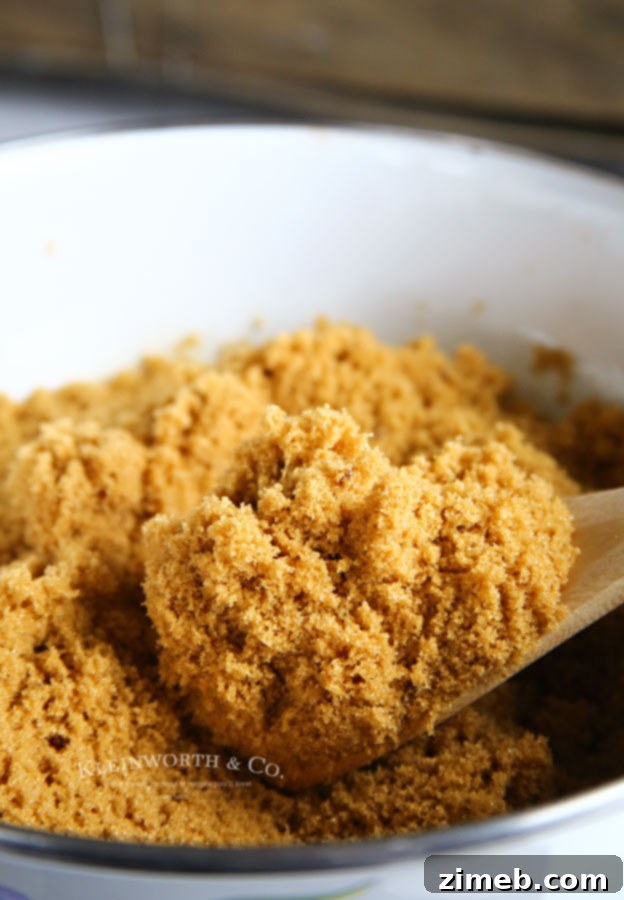
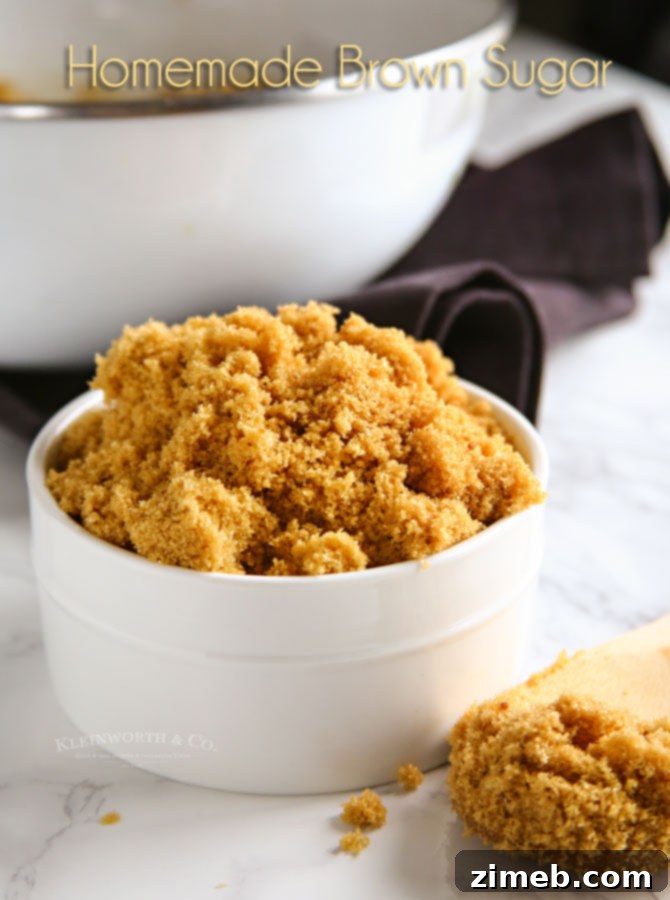
Homemade brown sugar boasts a wonderfully soft, moist, and slightly crumbly texture. This characteristic is crucial for baking, as it contributes to the delightful chewiness of cookies and the tender crumb of cakes. The level of moisture can vary slightly depending on how much molasses you incorporate and how tightly you pack it, giving you subtle control over its consistency.
Taste:
Prepare for a rich, deep flavor profile with a distinct, warm molasses-like sweetness that’s far more vibrant than many store-bought varieties. The fresh molasses notes bring a caramel undertone that truly enhances any recipe it graces, making your baked goods taste exceptionally gourmet.
Ease:
Creating your own brown sugar is remarkably easy. You’ll be astonished at how quickly it comes together, requiring minimal effort and just a couple of readily available ingredients. It’s a project that builds confidence in the kitchen and simplifies your baking routine.
Why We Love It:
The simplicity of the process, combined with the superior results, is why we wholeheartedly recommend making your own brown sugar. It infuses baking with a deeper, more complex flavor. That fresh molasses taste imparts a warm, caramel-like sweetness that’s simply unmatched. Furthermore, making it at home allows for complete customization—whether you prefer a lighter, more subtle sweetness or a darker, more robust molasses kick. It’s an effortless way to elevate your recipes and a truly enjoyable kitchen endeavor.
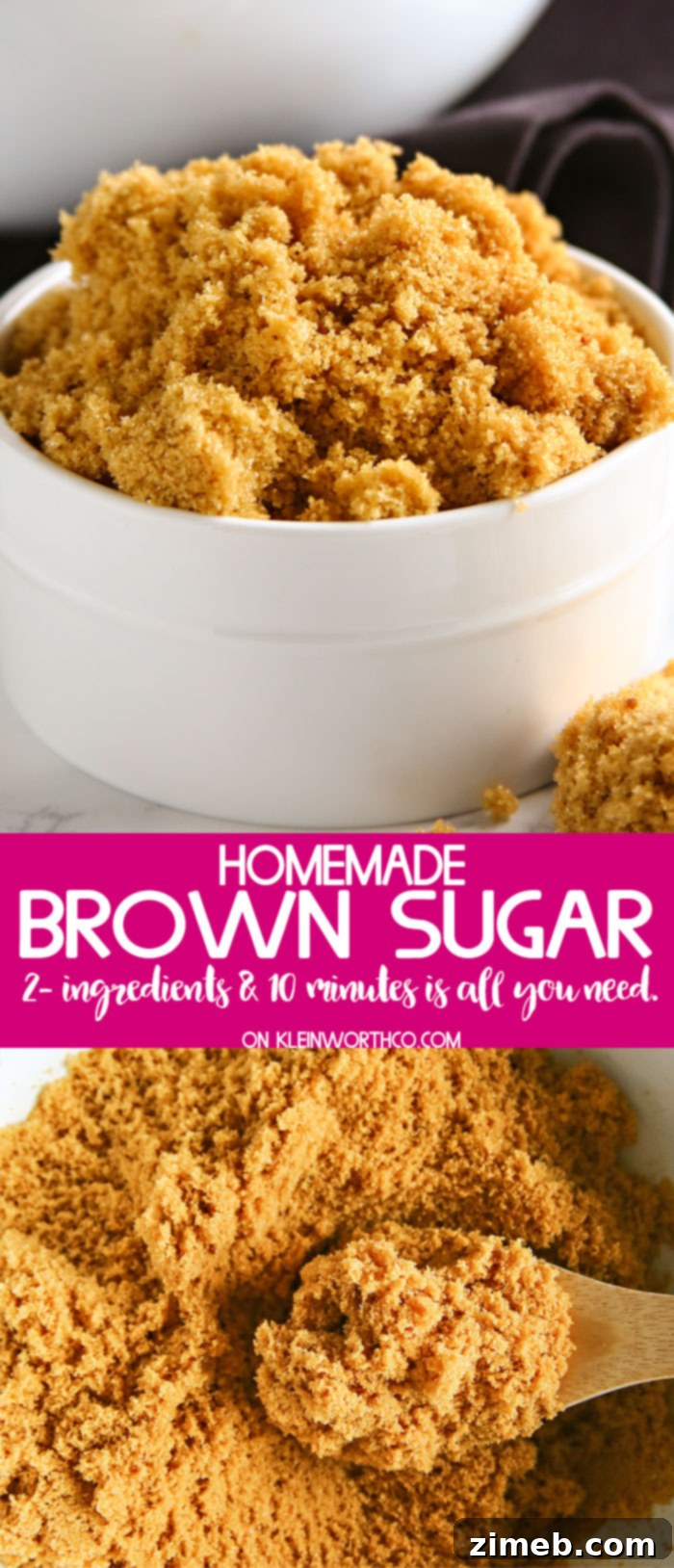
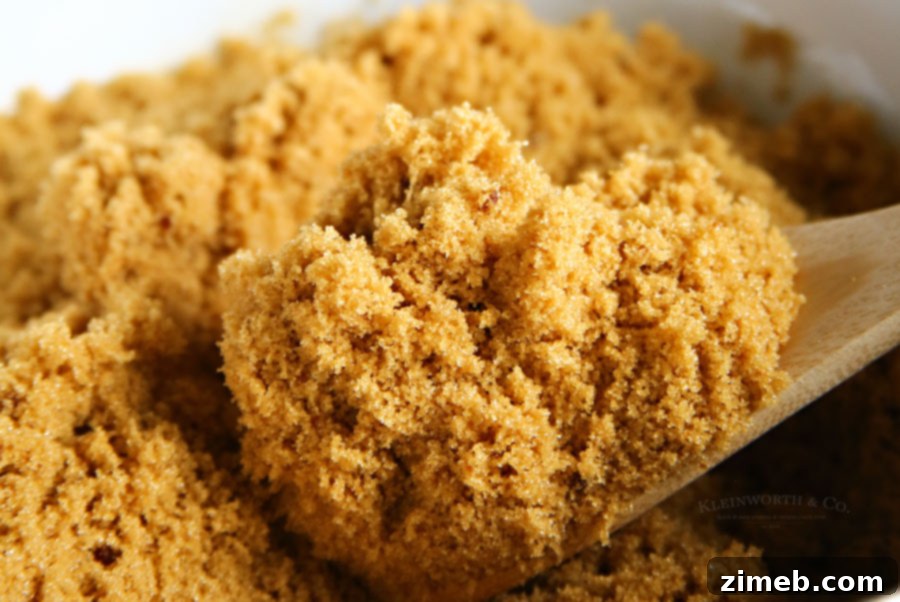
Unlike granulated white sugar, brown sugar has a finer, yet sticky, feel. This distinctive characteristic comes from the molasses, which is either naturally retained during the refining process (as in light brown sugar) or intentionally added back (to create dark brown sugar). When freshly made, its inherent dampness makes it an ideal ingredient for baking, imparting essential moisture to cookies, cakes, muffins, and a wide array of other delightful treats.
Sometimes, homemade truly is best, and often, it’s far easier than you might imagine. We frequently find ourselves making our own kitchen staples, not only for the convenience but also for the enhanced flavor and cost savings. Just the other day, my youngest daughter, Anya, and I whipped up a batch of brown sugar when we realized we were out. It’s one of those recipes we keep on hand because it’s so practical and efficient.
This post contains some affiliate links. Click here to read my full disclosure policy.
- Gina’s Essential Guide to Homemade Brown Sugar: Your Quick Rundown
- Why Make Your Own Brown Sugar? The Ultimate Convenience & Flavor Boost
- Understanding Brown Sugar: What Makes It So Special?
- Your Guide to Crafting Perfect Homemade Brown Sugar
- Storage and Troubleshooting: Keeping Your Brown Sugar Perfect
- Beyond Baking: Creative Uses for Homemade Brown Sugar
- Frequently Asked Questions About Homemade Brown Sugar
- Explore More Homemade Kitchen Staples
- Homemade Brown Sugar Recipe
Why Make Your Own Brown Sugar? The Ultimate Convenience & Flavor Boost
At our house, we’ve compiled a comprehensive list of kitchen staples that people typically purchase from the store but can easily be made at home. These are items we produce regularly, not only to save money but also to ensure we always have the freshest ingredients on hand. Making homemade brown sugar epitomizes both ease and convenience for us.
We consistently keep bulk granulated sugar and molasses stocked. Given that store-bought brown sugar often comes in relatively small, expensive bags, it simply makes more financial and practical sense for us to prepare our own. With the amount of baking we do, those small bags of brown sugar never seem to last long. Fortunately, it takes a mere 10 minutes to whip up a fresh batch whenever we need more, making it an incredibly efficient solution.
Understanding Brown Sugar: What Makes It So Special?
Brown sugar is essentially granulated white sugar with the addition of molasses. This seemingly simple inclusion transforms the sugar, giving it its characteristic color, moist texture, and distinct flavor. Molasses is a byproduct of the sugar refining process, and its presence is what differentiates brown sugar from its white counterpart.
The Science of Sweetness: Molasses and Sugar
During the process of extracting sugar from sugarcane or sugar beets, molasses is the thick, dark syrup that remains after the sugar crystals have been removed. When brown sugar is produced, either some of this molasses is deliberately left in the sugar crystals (for unrefined brown sugars) or, more commonly, molasses is added back to fully refined white sugar. The molasses coats the sugar crystals, preventing them from drying out and giving brown sugar its signature soft, clumpable texture and rich taste. This coating also introduces a slight acidity, which can react with baking soda in recipes to produce a lighter, more tender crumb.
Light vs. Dark Brown Sugar: A Matter of Molasses
The distinction between light and dark brown sugar lies solely in the amount of molasses added. Light brown sugar contains about 3.5% molasses by weight, resulting in a milder caramel flavor and a lighter color. It’s the most common type used in everyday baking. Dark brown sugar, on the other hand, contains roughly 6.5% molasses, which gives it a more intense, robust, and deep caramel flavor, along with a darker hue. This makes it ideal for recipes where a pronounced molasses taste is desired, such as gingerbread or baked beans.
Your Guide to Crafting Perfect Homemade Brown Sugar
The Simple Ingredients: Granulated White Sugar & Molasses
The beauty of homemade brown sugar lies in its simplicity. You only need two ingredients: high-quality granulated white sugar as your base and molasses, which provides the distinctive flavor and moisture. While any granulated sugar will work, ensure your molasses is unsulphured for the best flavor. Different types of molasses (light, dark, blackstrap) will yield varying intensities of brown sugar, allowing for complete customization.
Step-by-Step Instructions for Success
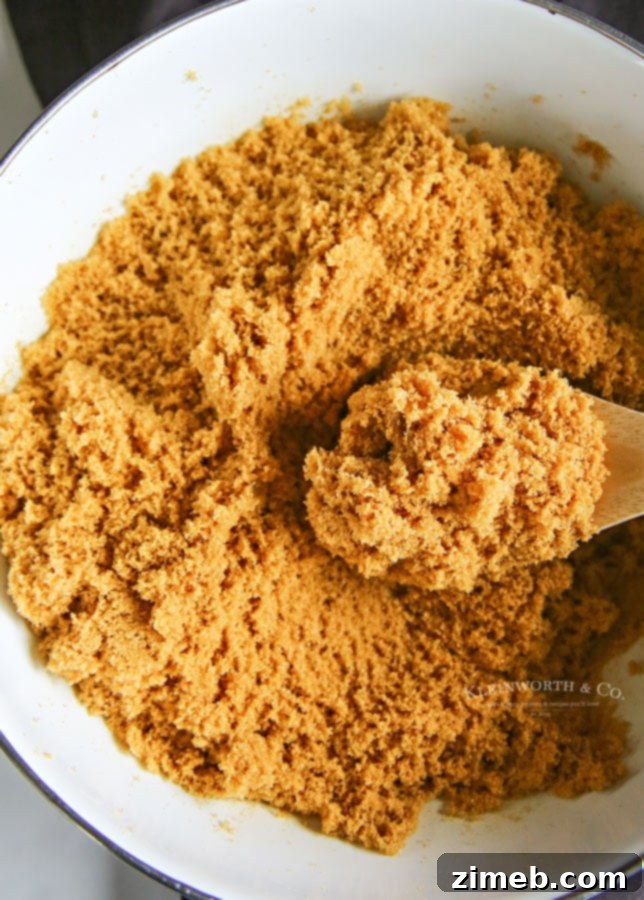
Making brown sugar at home is a straightforward process. You’ll simply combine the granulated sugar and molasses in a large bowl. Using a sturdy wooden spoon or a firm spatula, you’ll work the molasses into the sugar. It requires a bit of vigorous stirring, but the transformation is quick and satisfying. Continue mixing until the molasses is thoroughly incorporated, and there are no visible lumps, resulting in a uniformly colored, moist, and fragrant brown sugar.
Pro Tips for Mixing
For an even quicker and less strenuous process, consider using a stand mixer with the paddle attachment. Set it to the lowest speed and let the machine do the heavy lifting, ensuring the molasses is evenly distributed throughout the sugar. If mixing by hand, don’t be afraid to get in there with your hands (wearing gloves, if preferred) to really break down any molasses clumps and ensure every crystal of sugar is coated. The goal is a consistent color and a texture that feels soft and slightly damp.
Storage and Troubleshooting: Keeping Your Brown Sugar Perfect
Once you’ve mastered making brown sugar, proper storage is key to maintaining its wonderful texture. Brown sugar has a tendency to harden over time due to the evaporation of moisture from the molasses. Fortunately, there are simple solutions to prevent this and even revive hardened sugar.
Optimal Storage Solutions
To keep your homemade brown sugar soft, moist, and ready for use, store it in an airtight container. A sturdy plastic container with a tight-fitting lid or a heavy-duty zip-top bag works perfectly. Ensure the container is completely sealed to prevent air exposure, which is the primary cause of hardening. Store it in a cool, dry place, away from direct sunlight or heat, which can accelerate moisture loss.
Preventing Hardening: Classic Tricks
If you find your brown sugar starting to firm up, or if you simply want to proactively keep it soft, there are several time-honored tricks:
- Slice of Bread: Place a fresh slice of bread (any kind will do) directly into the airtight container with your brown sugar. The bread’s natural moisture will be absorbed by the sugar, keeping it soft. Replace the bread every few days to prevent mold.
- Terracotta Disc: A specialized terracotta sugar saver, once soaked in water, can be added to your brown sugar container. These discs slowly release moisture, effectively maintaining the sugar’s softness for an extended period.
- Marshmallows: A few large marshmallows tucked into the container can also help retain moisture, similar to the bread trick.
Reviving Hardened Brown Sugar
Don’t despair if your brown sugar has turned into a solid brick! It’s usually salvageable:
- Microwave Method: Place the hardened sugar in a microwave-safe bowl. Add a damp paper towel or a small cup of water alongside it. Microwave on high for 10-20 seconds. The steam will help soften the sugar. Break it apart with a fork if needed, and repeat in short bursts until soft.
- Oven Method: Spread the hardened sugar on a baking sheet and place it in a low oven (around 250°F or 120°C) for a few minutes. Watch it closely, as it can melt if left too long.
- Food Processor: For very stubborn lumps, a few pulses in a food processor can break it down quickly, though this is a last resort as it can change the texture slightly.
By implementing these simple storage and revival techniques, your homemade brown sugar will remain perfectly soft and ready for all your baking adventures.
Beyond Baking: Creative Uses for Homemade Brown Sugar
While brown sugar is a superstar in baking, its rich, caramel-molasses notes make it incredibly versatile for various culinary applications:
- Sweet Treats: Beyond cookies and cakes, use it in crumbles, crisps, pies, and even candied nuts.
- Savory Glazes & Rubs: Its sweetness balances perfectly with savory dishes. Use it in glazes for ham, chicken, or salmon, or as a key ingredient in dry rubs for barbecued ribs and pork shoulder.
- Sauces & Marinades: Add a spoonful to homemade barbecue sauce, teriyaki sauce, or marinades for a deeper, more complex flavor.
- Breakfast Boost: Sprinkle over oatmeal, pancakes, waffles, or French toast for an instant upgrade. It’s also delicious in homemade granola.
- Beverages: Dissolve in hot coffee, tea, or even hot toddies for a comforting sweetness.
Frequently Asked Questions About Homemade Brown Sugar
What is homemade brown sugar made of?
Homemade brown sugar is created by simply combining white granulated sugar with liquid molasses. The magic happens as the molasses coats the individual sugar crystals, imparting its distinct color, moisture, and rich, caramel-like flavor. The proportion of molasses you add directly determines whether you produce light or dark brown sugar.
Can I make homemade brown sugar without molasses?
Unfortunately, molasses is the defining ingredient for brown sugar’s unique color, texture, and flavor profile. Without it, you cannot truly replicate brown sugar. While you could try substitutes like maple syrup or honey, the resulting texture and flavor will be noticeably different and lack the characteristic richness of authentic brown sugar. Molasses is key!
Can I use homemade brown sugar in baking?
Absolutely! Homemade brown sugar performs identically to its store-bought counterpart in virtually any recipe. It will provide the same essential sweetness, moisture, and that coveted rich molasses flavor to all your favorite baked goods and treats, from chewy cookies to moist cakes.
Can I make brown sugar with white sugar substitutes?
While you can experiment with mixing white sugar substitutes (like erythritol or stevia-based blends) with molasses, the outcome won’t be an exact replica of traditional brown sugar. The primary reason for using sugar substitutes is typically to reduce carbohydrates and calories. However, it’s crucial to remember that molasses itself is a form of sugar and contains both carbs and calories. Therefore, combining it with a sugar substitute would largely defeat the purpose of aiming for a “sugar-free” or “low-carb” brown sugar.
What is Molasses?
Molasses is a thick, viscous, dark syrup produced as a byproduct during the refining of sugar from sugarcane or sugar beets. As sugar crystals are extracted, the remaining liquid is boiled down to concentrate it, yielding molasses. The more times the sugar is refined and the liquid is boiled, the darker, thicker, and more robustly flavored the molasses becomes.
There are several types of molasses:
- Light Molasses: This is from the first boiling and has the mildest, sweetest flavor.
- Dark Molasses: Resulting from the second boiling, it’s darker, thicker, and has a stronger, slightly less sweet flavor.
- Blackstrap Molasses: The product of the third and final boiling, blackstrap is the darkest, most viscous, and least sweet, with a distinct, somewhat bitter flavor. It’s also the most nutrient-dense.
Is homemade brown sugar healthier than store-bought?
From a nutritional standpoint, homemade brown sugar is virtually identical to commercially produced brown sugar. Both are primarily sugar. However, making it yourself offers a significant advantage: complete control over the quantity and type of molasses used. This allows you to fine-tune the flavor profile to your exact preference, which can subtly influence the overall taste experience.
How do I make homemade brown sugar?
The process is incredibly simple: combine granulated white sugar and molasses in a bowl. For light brown sugar, use about 1 tablespoon of molasses per cup of sugar. For dark brown sugar, increase the molasses to 1.5 to 2 tablespoons per cup of sugar. Stir vigorously until the molasses is thoroughly and evenly combined with the sugar, creating a uniform color and moist texture.
How should I store homemade brown sugar?
To preserve its soft, moist texture, store your homemade brown sugar in an airtight container in a cool, dry place. Exposure to air is its biggest enemy, causing it to dry out and harden. If you notice it starting to firm up, simply place a slice of fresh bread, a few marshmallows, or a dampened terracotta sugar saver in the container to reintroduce moisture.
How long does homemade brown sugar last?
When properly stored in a cool, dry place within an airtight container, homemade brown sugar can last for several months, often up to a year. The key is to consistently monitor its moisture level and ensure the container remains tightly sealed to prevent it from hardening. As long as it retains its soft texture and doesn’t show any signs of spoilage, it’s good to use.
Why does homemade brown sugar harden?
Brown sugar hardens over time because the molasses, which provides its moisture, gradually dries out and evaporates when exposed to air. The sugar crystals then bond together, forming a solid mass. Keeping it sealed tightly in an airtight container and adding a moisture source (like a slice of bread or a terracotta disk) helps to combat this drying process and maintain its soft, pliable texture.
What kind of molasses should I use for homemade brown sugar?
For most baking purposes, light or regular unsulphured molasses is recommended. It provides a classic brown sugar flavor without being overpowering. Dark molasses will yield a stronger, more robust flavor, ideal for gingerbread or certain savory dishes. Avoid blackstrap molasses for general baking as its flavor is quite strong and slightly bitter, which can alter the taste of delicate recipes.
Looking for more homemade kitchen staples you didn’t know you could make?
Homemade Peppermint Patties
How to Toast Coconut
How to Make Homemade Liquors
Homemade Fortune Cookies
Other Homemade Kitchen Staple Ingredients
Honey Cinnamon Butter
Italian Garlic Butter
Homemade Mayonnaise
Herb Butter
CONNECT WITH YUMMI HAUS!
Be sure to follow me on my social media, so you never miss a post!
Substack, FB, Pinterest, IG, Email Subscription
Homemade Brown Sugar
Ingredients
- 1 cup granulated sugar
- 1 tbsp molasses (for light brown sugar, use 1.5-2 tbsp for dark brown sugar)
Instructions
-
Combine the granulated sugar and molasses in a large mixing bowl.
-
Using a sturdy wooden spoon, firm spatula, or the paddle attachment of a stand mixer on a low setting, begin working the molasses into the sugar. Continue mixing until the molasses is fully combined and there are no visible lumps or streaks of molasses left in the sugar. The mixture should be uniformly colored and moist.
-
Transfer the freshly made brown sugar to an airtight container or a heavy-duty zip-top bag. Store it in a cool, dry place away from direct heat or sunlight.
Notes
Nutrition
Nutritional information for the recipe is provided as a courtesy and is approximate. Please double-check with your own dietary calculator for the best accuracy. We at Yummi Haus cannot guarantee the accuracy of the nutritional information given for any recipe on this site.