
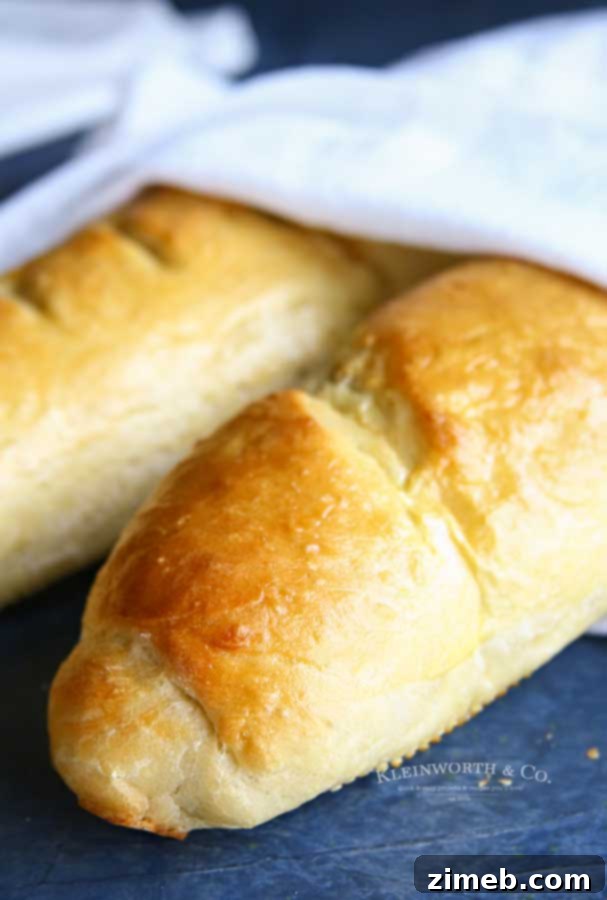
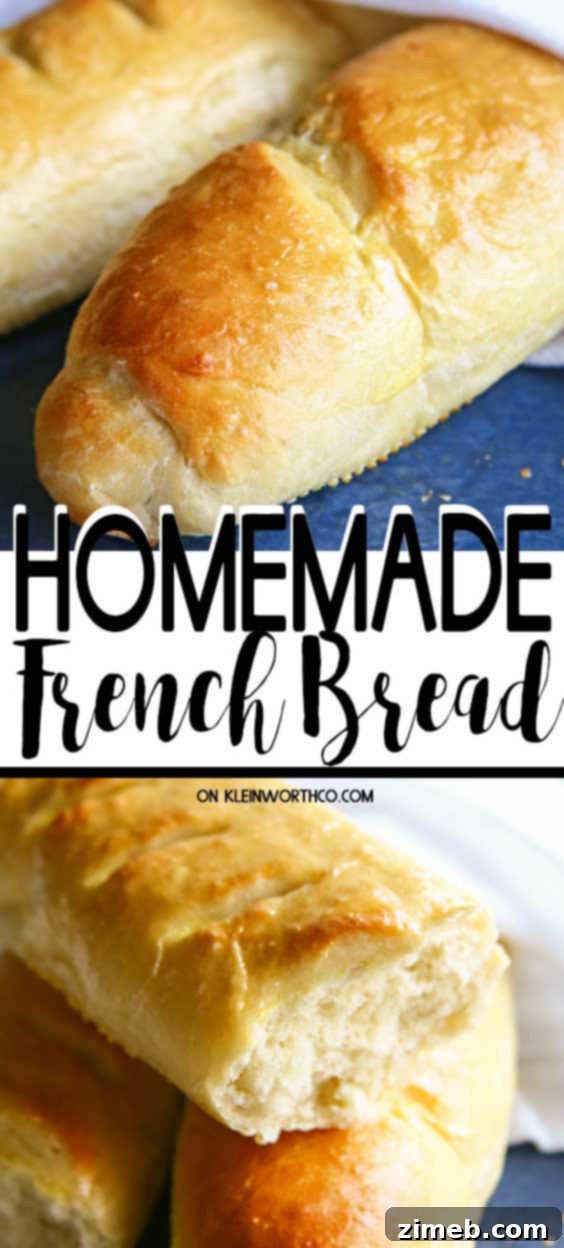
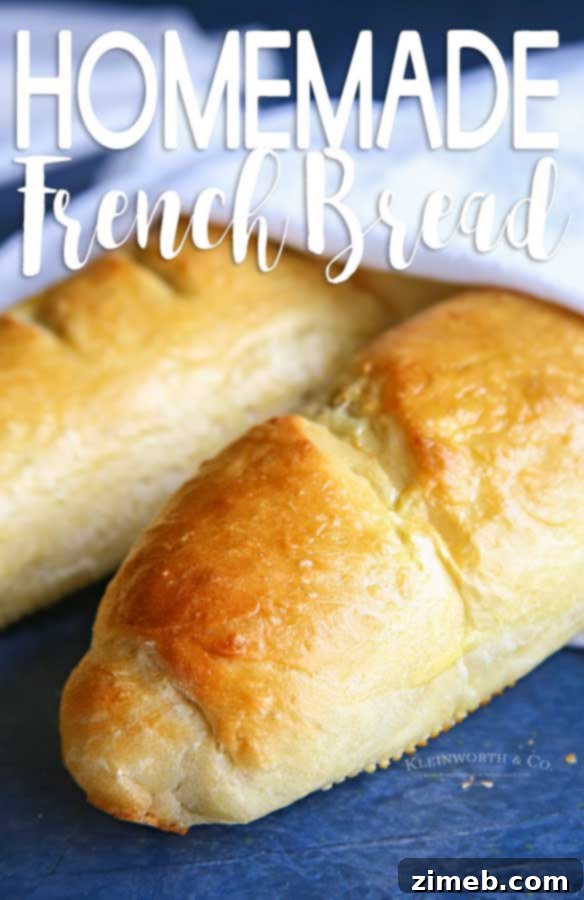
Experience the unparalleled joy of baking Homemade French Bread that’s both incredibly easy and unbelievably quick. Imagine a loaf with a perfectly golden, crisp crust giving way to an irresistibly soft and chewy interior – all ready in just about an hour. Prepare to fall completely in love with the simplest way to create artisanal French bread right in your own kitchen.
There’s something uniquely comforting and deeply satisfying about the aroma of freshly baked bread filling your home. For me, it’s more than just a passing fancy; it’s a genuine obsession. I find myself constantly drawn to bread recipes, and this remarkable Homemade French Bread recipe has quickly climbed to the top of my favorites list. The added bonus? It’s astonishingly simple to make, proving that exceptional bread doesn’t require hours of complex work.
While I often joke about my boundless enthusiasm for carbs – especially bread – it’s a love affair I simply can’t deny. A warm, crusty loaf of French bread complements almost any meal, transforming a simple dinner into a memorable feast. Whether served alongside a hearty soup, a vibrant salad, or simply enjoyed with a smear of butter, its versatility is unmatched.
My dedication to bread has, at times, led to some rather unconventional meal choices. I recall a recent conference where, over three days, I managed to consume at least 6-8 dinner rolls. One day, my lunch even consisted of two dinner rolls and a brownie! While some dietary restrictions due to allergies limited my options, I certainly wasn’t complaining about living off delicious bread for a few days. My jeans, however, might have had a different opinion. Nevertheless, the pure joy it brought was undeniable.
Among the vast world of bread, French bread holds a special place in my heart. For years, I dreamt of making my own, always pushing it to the back burner, convinced it would be too time-consuming or difficult. Then, a free Saturday arrived, and I decided it was finally time to embark on this culinary adventure. To my utter surprise, the entire process was far easier and quicker than I had ever imagined. I honestly regret waiting so long!
Crafting the Perfect Homemade French Bread: An Easy Recipe
This post contains some affiliate links. Click here to read my full disclosure policy.
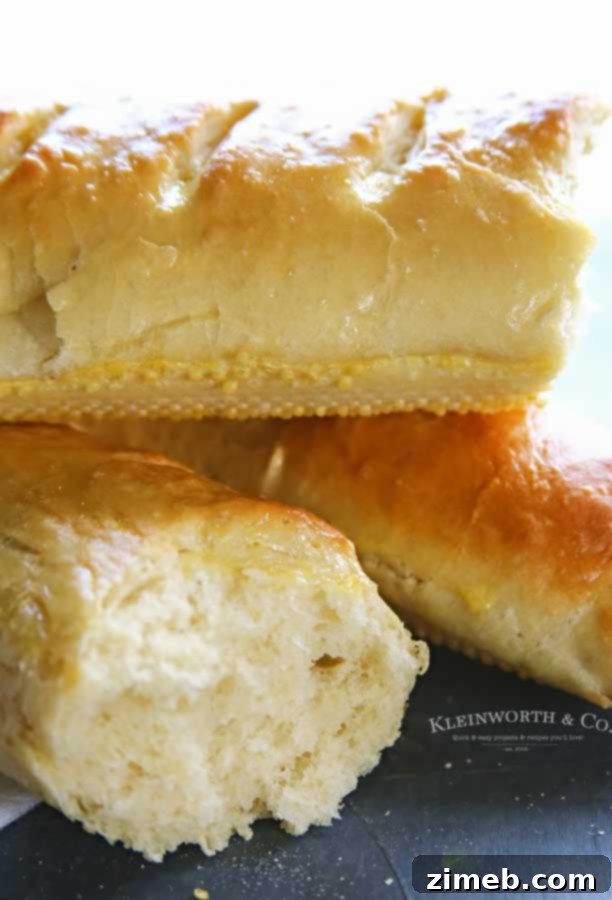
This recipe demystifies French bread making, transforming what many consider a daunting task into an accessible and rewarding experience. The magic lies in its simplicity and efficiency, allowing even novice bakers to achieve bakery-quality results. The satisfaction of pulling warm, fragrant loaves from your oven is truly unparalleled.
This homemade French bread recipe is truly amazing and exceptionally straightforward!
Frequently Asked Questions About Homemade French Bread
Is This Really a One-Hour French Bread Recipe?
Yes, it’s absolutely true! It might seem hard to believe, but you can indeed bake incredibly delicious French bread in approximately an hour. While some of my other quick bread recipes, like One Hour Dinner Rolls (exactly 60 minutes) or 30-Minute Garlic Parmesan Dinner Rolls (precisely 30 minutes), are incredibly punctual, this French bread recipe typically takes about 65-70 minutes from start to finish. The exact timing can vary slightly depending on factors such as the warmth of your kitchen, which influences the yeast proofing and dough rising times. Still, for a homemade bread recipe yielding such fantastic results, this timeframe is exceptionally quick!
Optimal Storage for Fresh Homemade French Bread
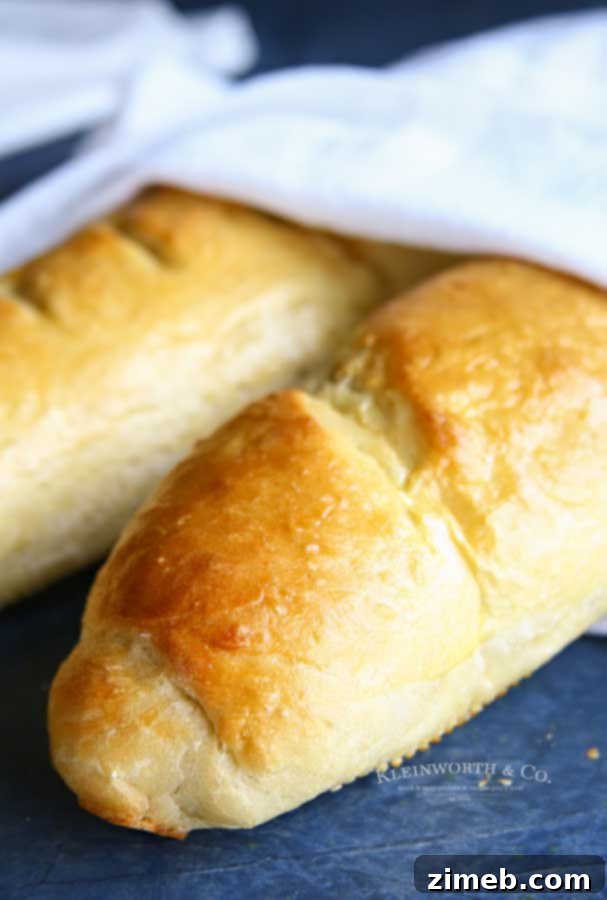
To preserve the freshness and delectable texture of your homemade French bread, proper storage is key. While you can certainly keep it in an airtight container on the kitchen counter or in the pantry for a day or two, I’ve found that since it contains no preservatives, refrigerating it significantly extends its shelf life. This method helps maintain its quality for several days.
When you’re ready to enjoy it, simply remove the loaf from the refrigerator about 15 minutes beforehand to allow it to reach room temperature. If you plan on toasting slices, you can cut and toast them straight from the fridge for a perfectly crisp result.
Can This French Bread Recipe Be Doubled?
While the temptation to double this amazing recipe might be strong, I generally advise against it for a single batch. Even with a professional-sized stand mixer, the dough fills the bowl quite substantially. Doubling the recipe could make it exceedingly difficult to mix and knead properly, hindering the dough’s development. Instead, for larger quantities, I recommend making back-to-back batches. This allows you to have one round of dough rising while another bakes, ensuring a continuous supply of fresh French bread. In our household, we certainly enjoy our French bread, so making multiple batches is a common practice!
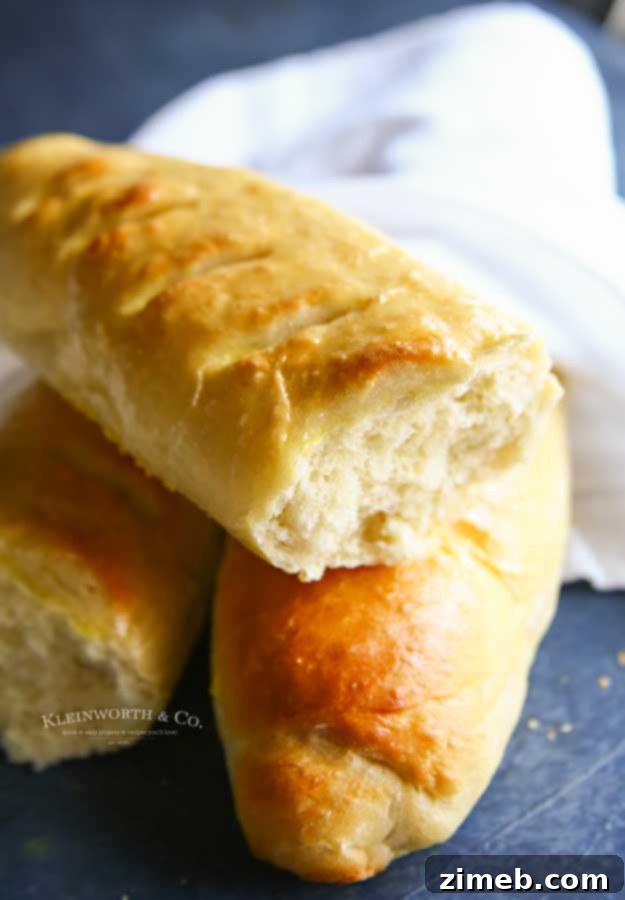
How Many Loaves Does This French Bread Recipe Yield?
This recipe is perfectly scaled to produce three generously sized loaves of French bread. We love to indulge in one loaf immediately after it comes out of the oven, while it’s still wonderfully warm and aromatic. The remaining two loaves are perfect for planning meals over the next few days, ensuring we have this delicious bread to pair with a variety of dishes, from stews and roasts to vibrant salads and sandwiches. It’s an excellent way to elevate any meal!
Step-by-Step: How to Make Easy Homemade French Bread
Baking this fantastic French bread is a straightforward process, designed for efficiency without compromising on flavor or texture. Follow these simple steps to create perfect loaves every time:
- Activate the Yeast: Begin by dissolving the dry yeast in ½ cup of warm water. This crucial step ensures your yeast is active and ready to make your bread light and airy.
- Combine Initial Ingredients: In a separate mixer bowl, combine the hot water, granulated sugar, table salt, vegetable oil, and the first 3 cups of all-purpose flour. Stir these ingredients together until well combined.
- Integrate Yeast Mixture: Using the paddle attachment of your mixer, slowly fold the proofed yeast mixture into the flour and liquid blend.
- Gradually Add Remaining Flour: Add the remaining 3 cups of flour, one cup at a time, mixing thoroughly after each addition until a cohesive dough forms.
- Allow Dough to Rest: Once all the flour is incorporated, let the dough rest for 10 minutes. This allows the gluten to relax, making the dough easier to handle.
- Portion the Dough: Using a dough cutter or a sharp knife, divide the dough into three equal pieces.
- Shape the Loaves: On a lightly floured surface, roll each dough portion into a rectangle measuring approximately 9×12 inches.
- Form the Loaves: Starting from the long end, tightly roll each rectangle into a cylindrical loaf, similar to how you would roll a jelly or cinnamon roll.
- Prepare for Baking: Place the formed dough on a parchment-lined baking pan, ensuring the seam side is facing down.
- Score the Bread: With a sharp knife or bread lame, make 3 or 4 diagonal scores across the top of each loaf. This allows the bread to expand beautifully during baking.
- Prepare Egg Wash: In a small bowl, whisk one egg with a splash of water until well combined.
- Apply Egg Wash: Lightly brush the tops of the loaves with the egg wash. This gives the bread its signature golden-brown, crispy crust.
- Proof the Dough: Let the dough rise, uncovered, in a warm place for 30 minutes. This final rise is essential for a light texture.
- Bake to Perfection: Bake the loaves on the middle rack of a preheated oven at 375°F (190°C) for 20 minutes, or until they turn a beautiful golden brown and sound hollow when tapped on the bottom.
Easy Homemade French Bread Recipe: Dive In!
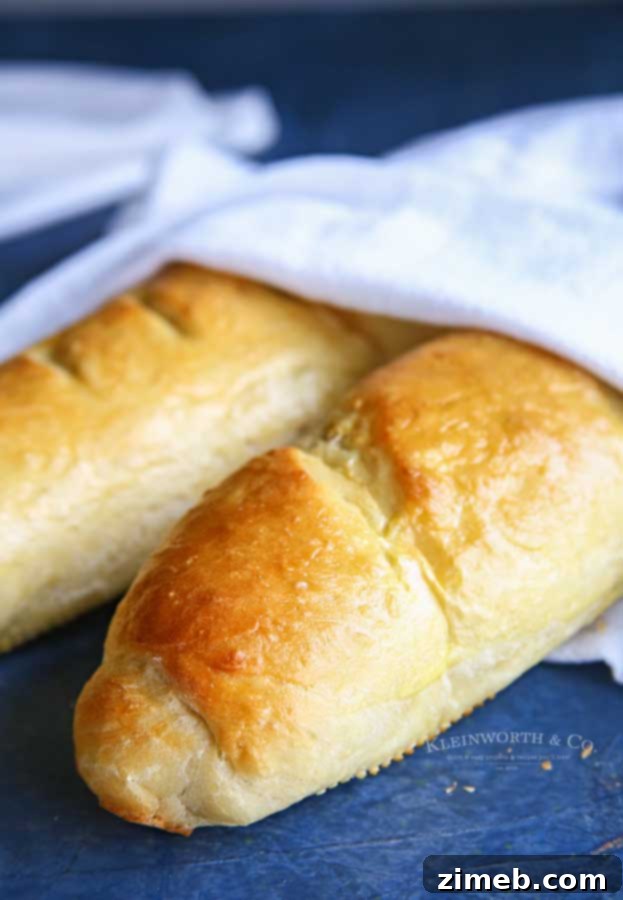
Recommended Baking Pans for French Bread
Having the right tools can make all the difference in your baking journey. For this particular recipe, I highly recommend using sturdy 3/4 sheet pans. They offer ample space for the loaves to rise and bake evenly, and I find them indispensable for a wide range of baking tasks beyond just bread. Their versatility makes them a staple in any kitchen.
I’ve also experimented with a perforated French loaf pan, specifically designed to create those classic elongated French bread shapes and promote a crispier crust. While it certainly helps maintain the traditional shape of the loaves, for this particular recipe, I found that it wasn’t strictly necessary to achieve excellent results. The loaves hold their shape well on standard sheet pans, making the perforated pan a nice-to-have rather than a must-have.
Homemade French Bread: The Perfect Neighborly Gift
This Homemade French Bread recipe is absolutely perfect for sharing! Around the holidays, or any time you want to show appreciation, we love to bake several batches of this bread and include them in thoughtful gift baskets for our neighbors. A typical basket might feature a fresh loaf, gourmet pasta sauces, some high-quality noodles, and perhaps a pair of new pot holders. It’s a gift that speaks volumes of care and offers a convenient, delicious dinner option during busy times.
A homemade gift like this is truly cherished any time of year. For an extra touch, consider adding some festive paper plates and napkins, making it an instant meal solution. I guarantee your neighbors will adore such a thoughtful and practical present!
Tips for Achieving a Softer French Bread Crust
While the golden, slightly crisp crust is a hallmark of excellent French bread, sometimes you might prefer a softer, chewier crust. This is incredibly easy to achieve! Immediately after removing the loaves from the oven, take a small amount of melted butter and brush it generously over the tops of the warm bread. The residual heat will absorb the butter, helping to soften the crust and keep it delightfully chewy.
For an extra burst of flavor, I sometimes like to sprinkle a pinch of kosher salt over the buttered crust, but this is entirely optional and depends on your preference.
Reheating French Bread to Perfection
To bring your French bread back to its warm, inviting best, the best method is to wrap the entire loaf tightly in aluminum foil, crimping the ends to seal in moisture. Place the wrapped bread in an oven preheated to 400°F (200°C) for about 10 to 15 minutes, or until it’s thoroughly warmed through. This foil method is crucial for retaining the bread’s moisture, preventing it from drying out and becoming hard.
Alternatively, if you have leftover slices or the bread has become slightly less fresh, toasting or broiling individual slices is a fantastic way to enjoy them. A quick toast can revive their texture, making them perfect for butter, jam, or as a base for bruschetta.
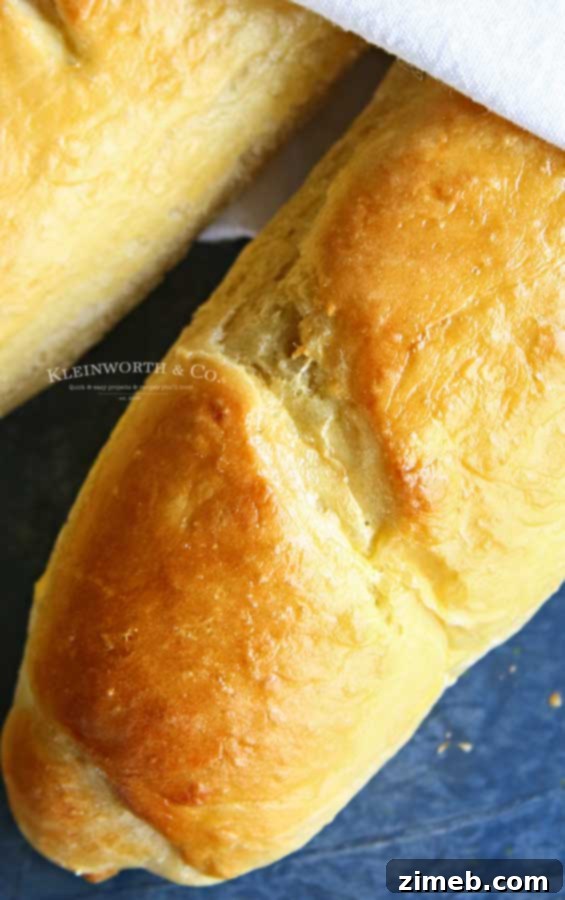
Exploring Gluten-Free French Bread Options
I haven’t personally tested this recipe with gluten-free flours. However, the world of gluten-free baking has evolved significantly, and there are now many excellent gluten-free all-purpose flour blends available that are specifically designed for a one-to-one replacement in traditional recipes. If you’re looking to make this recipe gluten-free, I encourage you to try one of these specialized blends. Please do come back and share your results; I’d be very interested to hear how it turns out!
Can Homemade French Bread Be Frozen?
Absolutely! Like most baked goods, French bread freezes beautifully, allowing you to enjoy fresh-tasting bread weeks later. The key to successful freezing is proper wrapping to prevent freezer burn, which can dry out the bread. Ensure your loaves are thoroughly cooled before wrapping them tightly in plastic wrap, followed by a layer of aluminum foil or placing them in an airtight freezer bag.
When thawing, I recommend leaning the frozen bread on its end against a wall or in a bread box. This minimizes contact with the counter, preventing the bottom from becoming soggy as it thaws. Once thawed, you can warm it in the oven using the foil method described above for a nearly fresh-baked experience.
How Long Does Homemade French Bread Stay Fresh?
For the best quality, flavor, and texture, homemade French bread should ideally be enjoyed within 3-4 days if stored at normal room temperature. Keep in mind that environmental factors like unusually hot, dry, or humid climates can significantly impact its freshness. This is precisely why I often opt to store my French bread in the refrigerator; it helps maintain a consistent environment, maximizing its delicious freshness for longer.
Troubleshooting: Why Didn’t My French Bread Dough Rise?
A dough that fails to rise is a common baking frustration, and it almost always points to an issue with the yeast. The most frequent culprits are water temperature and yeast freshness:
- Water Temperature: If your water is too hot, it can kill the yeast, rendering it inactive. Conversely, if the water is too cold, the yeast won’t activate properly and the dough won’t rise. The ideal temperature for activating yeast is typically between 115-125°F (46-52°C). Using a thermometer is highly recommended for accuracy.
- Yeast Freshness: Yeast is a living organism, and like all living things, it has an expiration date. Always check the date on your yeast package. If it’s too old, it simply won’t have the vitality to make your dough rise properly, or at all.
Choosing the Best Yeast for French Bread
When it comes to yeast for this French bread recipe, you have options! You can use **rapid rise**, **active dry**, or even **premium** yeast – essentially, whatever you have on hand will likely work just fine. I often purchase my yeast from the bulk section of my local grocery store, so it’s not a fancy brand name, but it consistently delivers excellent results. The most critical factor is ensuring your yeast is fresh and properly activated with warm water, as discussed above. Don’t overthink the brand; focus on its vitality!
Essential Ingredients for Your Easy Homemade French Bread
Gathering your ingredients before you begin ensures a smooth and enjoyable baking process. For this easy French bread recipe, you will need:
- Dry yeast (active dry or rapid-rise yeast both work well)
- Warm water (for dissolving yeast)
- Hot water (specifically 115-125 degrees F, for the main dough mixture)
- Granulated sugar
- Table salt
- Vegetable oil
- All-purpose flour, divided as per recipe instructions
- One beaten egg (for glazing the bread to achieve that beautiful golden crust)
Recommended Baking Tools for Homemade French Bread
Making this Homemade French Bread is wonderfully easy and yields incredible results. You might already have many of these essential items in your kitchen! However, if you’re new to baking bread or looking to upgrade your tools, I’ve compiled a list of products I personally love and can’t imagine baking this French bread recipe without. These tools will ensure your baking experience is as smooth and successful as possible.
- Mixing Bowl: A sturdy, generously sized bowl is essential for combining your ingredients and allowing the dough to rise comfortably.
- Stand Mixer: While not strictly necessary, a stand mixer with a dough hook attachment makes the kneading process effortless, saving you time and effort.
- Spatulas: For scraping down the sides of the bowl and handling the dough.
- Parchment Paper: Crucial for preventing sticking and ensuring easy cleanup.
- Perforated French Loaf Pan: (Optional but recommended for traditional shape and crispier bottom crust.)
- 3/4 Sheet Pans: My preferred versatile baking pans for consistently great results.
- Yeast: Fresh, active yeast is the foundation of any good bread.
- Gluten-Free Flours: If you’re experimenting with gluten-free versions.
- Dough Scraper: Invaluable for dividing and portioning dough cleanly.
- Vegetable Oil: For dough texture and flavor.
- All-Purpose Flour: The primary ingredient, ensuring structure and body.
- Granulated Sugar: Feeds the yeast and adds a touch of sweetness.
More Irresistible Bread Recipes You’ll Love
If you’re as passionate about bread as I am, and you thoroughly enjoy this Homemade French Bread, then you’re in for a treat with these other fantastic bread recipes. Each link below leads to an easy, printable recipe that promises delicious results!

Copycat Olive Garden Breadsticks
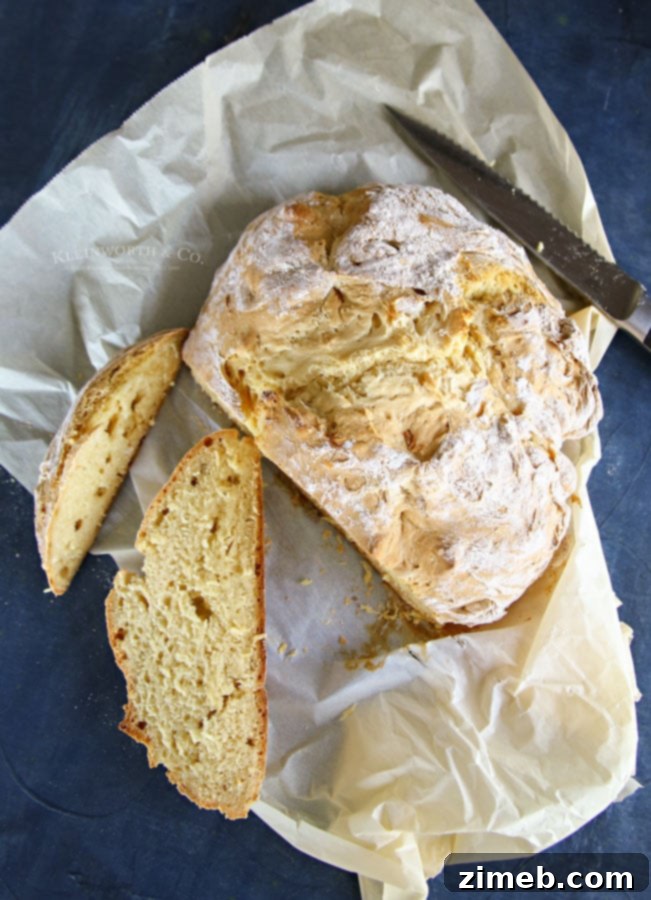
Irish Soda Bread
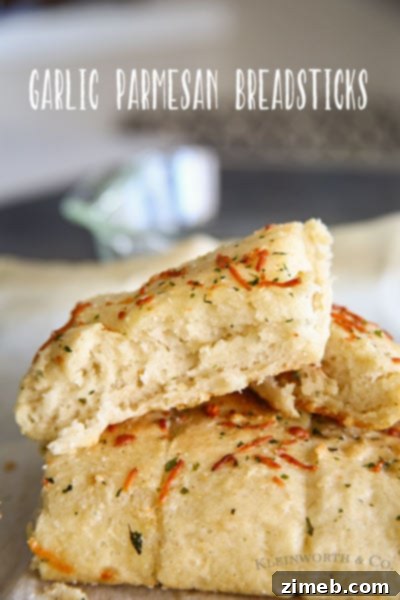
Easy Garlic Parmesan Breadsticks
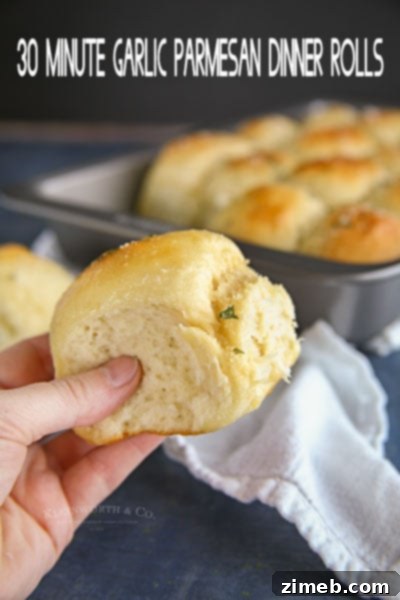
30-Minute Garlic Parmesan Dinner Rolls

Heavenly One-Hour Dinner Rolls
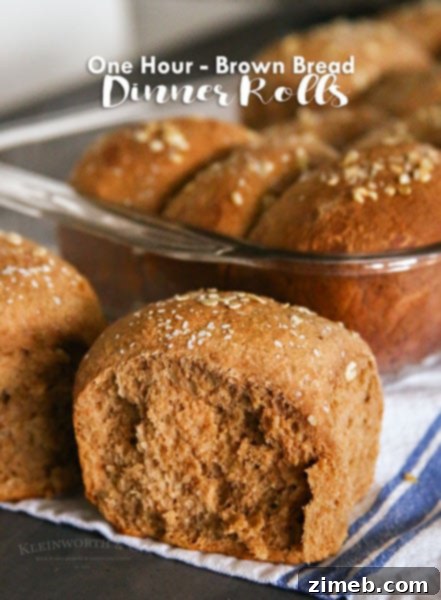
One Hour Brown Bread Dinner Rolls
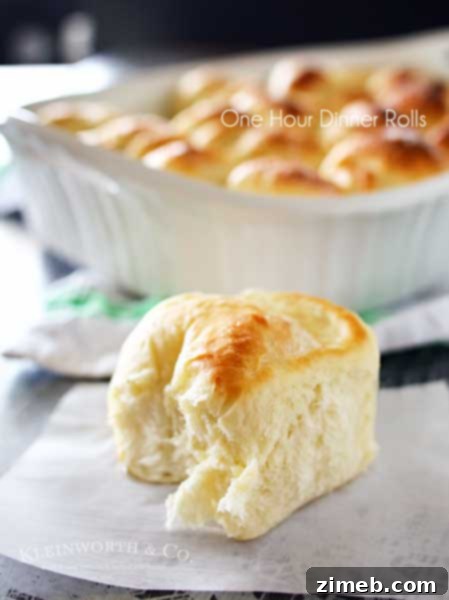
One-Hour Dinner Rolls

Cheesy Spinach Crescents
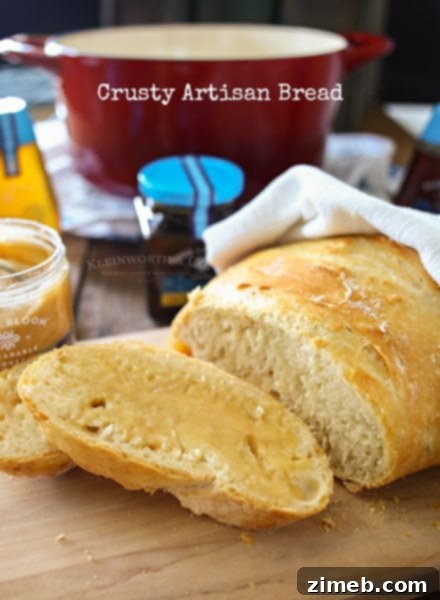
Incredibly Easy Crusty Artisan Bread

3-Ingredient Skillet Biscuits

Garlic Parmesan Pull Apart Biscuits

20-Minute Cheddar Biscuits

How to Make the Best French Bread
If you found as much delight in baking and savoring this Homemade French Bread as I do, please consider leaving a five-star review. Your feedback is greatly appreciated! Don’t forget to help spread the joy by sharing this recipe on Facebook and Pinterest!
CONNECT WITH KLEINWORTH & CO!
Be sure to follow me on my social media channels so you never miss a post or a delicious recipe!
FB, Pinterest, IG, Email Subscription
Rate this Recipe
Homemade French Bread
Ingredients
- 2 tbsp dry yeast or rapid rise yeast
- ½ cup warm water
- 2 cups hot water 115-125 degrees
- 3 tbsp granulated sugar
- 1 tbsp table salt
- 5 tbsp vegetable oil
- 6 cups all-purpose flour – divided
- 1 egg beaten – for glazing bread
Instructions
-
Dissolve the yeast in ½ cup of warm water.
-
In a separate mixer bowl, combine the hot water, granulated sugar, table salt, oil & 3 cups of the flour. Stir.
-
Using the paddle attachment for the mixer, slowly fold in the proofed yeast into the flour mixture.
-
Add the remaining 3 cups of flour, one cup at a time, mixing well after each addition.
-
Once all of the flour is added, allow a resting period of 10 minutes.
-
Using a dough cutter, portion the dough into 3 pieces.
-
On a well-floured surface, roll each dough ball into approx. 9×12 rectangle.
-
Then roll that rectangle, starting on the long end like a jelly or cinnamon roll (the long way).
-
Place the dough on a parchment lined baking pan, seam side down.
-
Score the bread across the top 3 or 4 times.
-
Combine the egg with a splash of water in a small bowl & whisk well.
-
Brush the tops of the loaves with the egg wash.
-
Let dough rise uncovered for 30 minutes in a warm place.
-
Bake on the middle rack for 20 minutes at 375 or until golden brown. It is done when it sounds hollow when tapped with your fingernail.
Notes
Nutrition
Nutritional information for the recipe is provided as a courtesy and is approximate. Please double-check with your own dietary calculator for the best accuracy. We at Yummi Haus cannot guarantee the accuracy of the nutritional information given for any recipe on this site.