
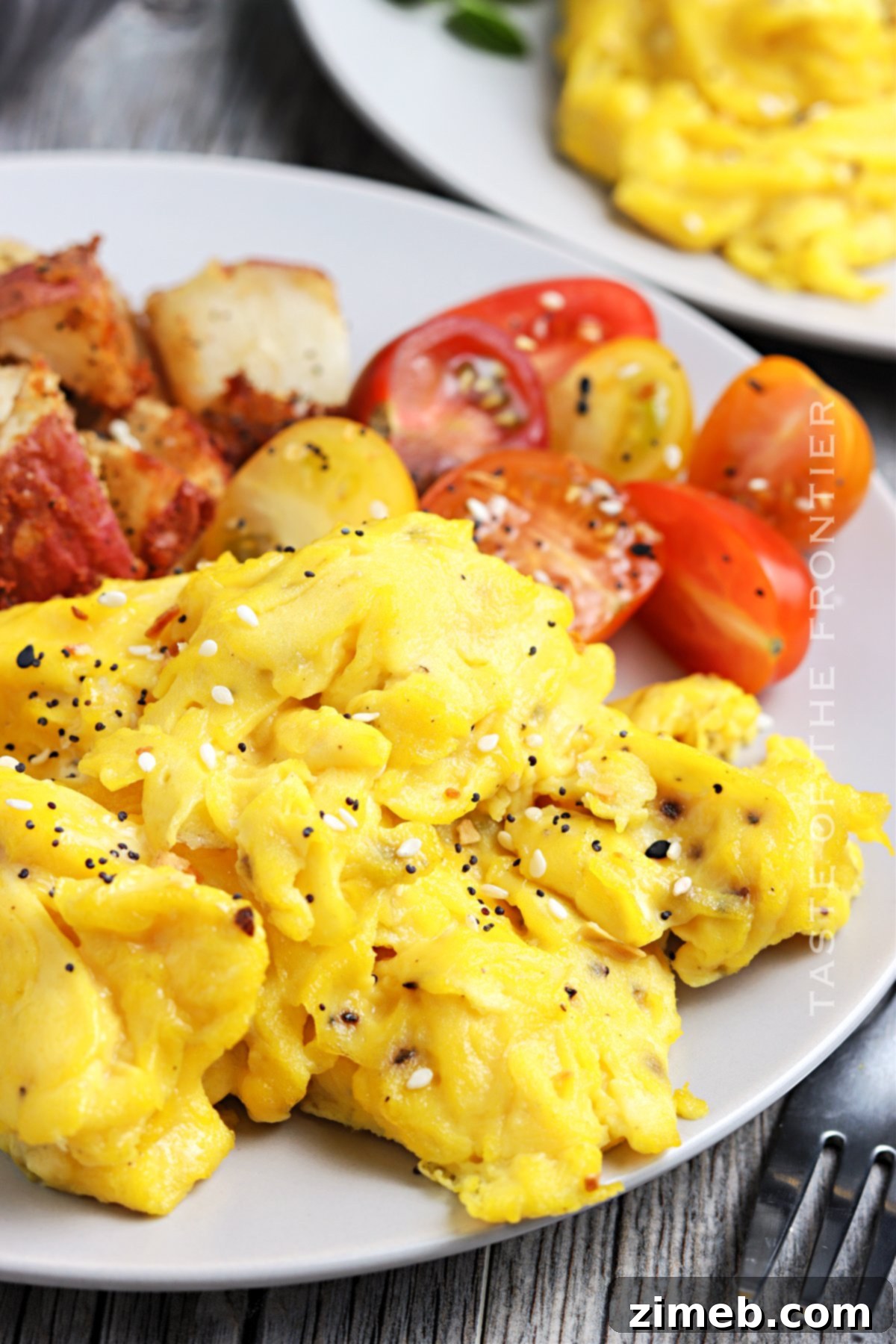
This comprehensive guide to Scrambled Eggs delivers the ultimate recipe for a quick, satisfying breakfast that will fuel your morning. Discover methods for the stovetop, microwave, and air fryer to achieve perfectly light and fluffy eggs every time.
There’s something truly comforting and incredibly delicious about a plate of perfectly scrambled eggs. They are the quintessential breakfast, offering a versatile canvas for flavor and a powerhouse of protein to kickstart your day. As a self-taught cook, it took me a journey of experimentation to master the art of scrambled eggs – moving past rubbery textures and bland flavors to achieve that ideal creamy, fluffy consistency. But I can confidently say, these are now truly THE BEST scrambled eggs you’ll ever make. (And they pair wonderfully with my perfect oven-cooked bacon for a complete meal!)
If you’re tired of guesswork in the kitchen and aspire to create restaurant-quality eggs that are consistently moist and tender, you’ve landed in the right place. This guide is designed to empower you with simple techniques and insider tips, ensuring your scrambled eggs are always a hit. Get ready to elevate your breakfast game; I know you’ll absolutely love these.
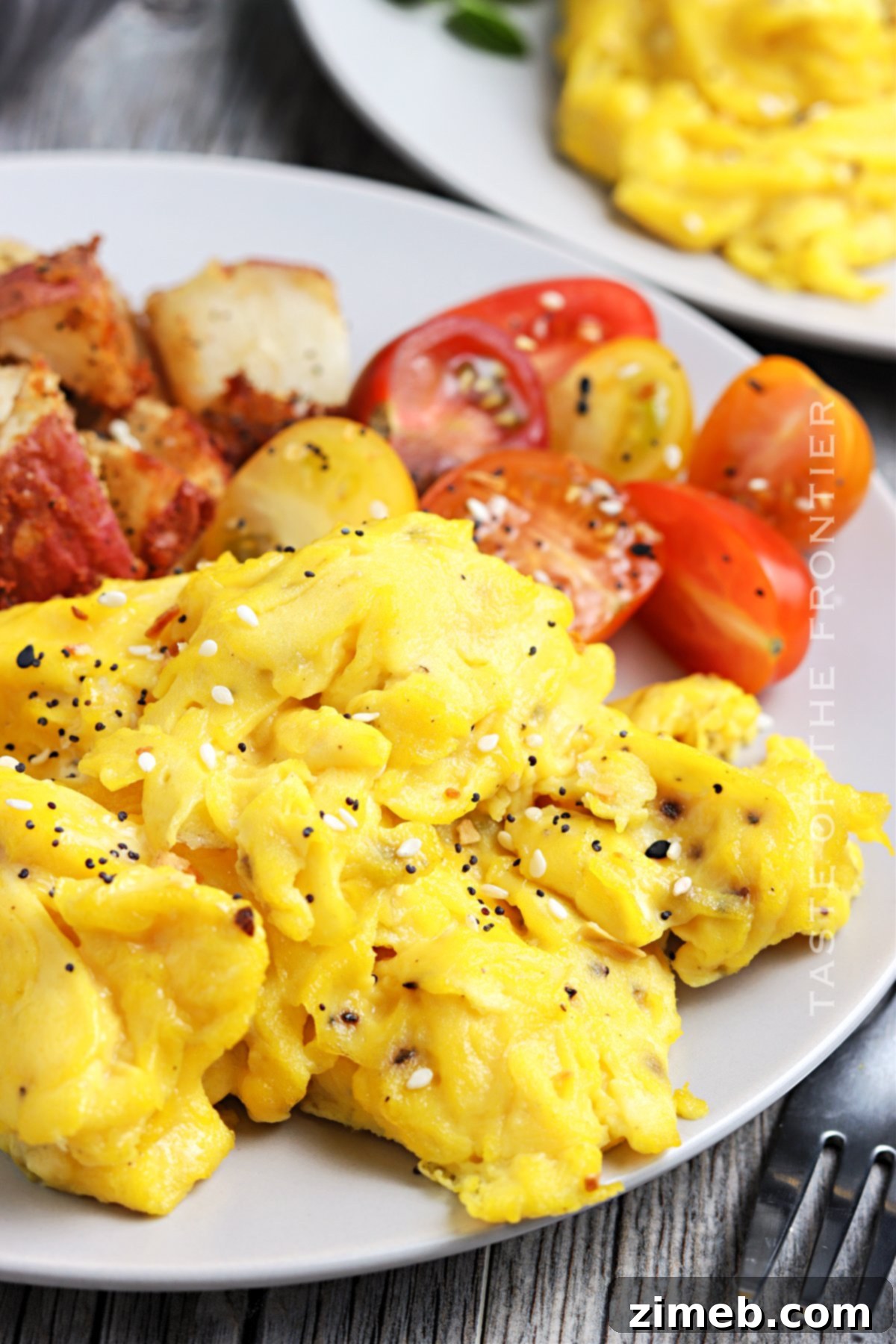
Whether you’re craving a luxurious, fluffy plate of scrambled eggs for a leisurely weekend morning at home or need a quick, hearty meal while camping on the griddle, this recipe is your go-to. Its simplicity belies the incredible flavor and texture it delivers, making it a favorite for all occasions. There’s truly nothing quite like a delicious breakfast that comes together with just a handful of ingredients and a few precious minutes.
Why Scrambled Eggs Are the Ultimate Breakfast
Scrambled eggs aren’t just easy to make; they’re a nutritional powerhouse and incredibly versatile. They’re packed with high-quality protein, essential vitamins (like D, B6, B12), and minerals, providing sustained energy and satiety throughout your morning. This makes them an excellent choice for anyone looking for a healthy and fulfilling start to their day. Plus, their neutral base allows for endless customization, transforming a simple dish into a gourmet experience with minimal effort.
My journey to perfecting scrambled eggs was driven by a desire for that ideal balance of lightness and richness. Many recipes result in dry, rubbery eggs, but with the right technique and a few key ingredients, you can consistently achieve eggs that are moist, creamy, and bursting with flavor. The methods outlined here, whether on your stovetop, in the microwave, or even using an air fryer, are designed to demystify the process and guarantee success, even for absolute beginners.
Scrambled Eggs with Cheese: An Irresistible Twist
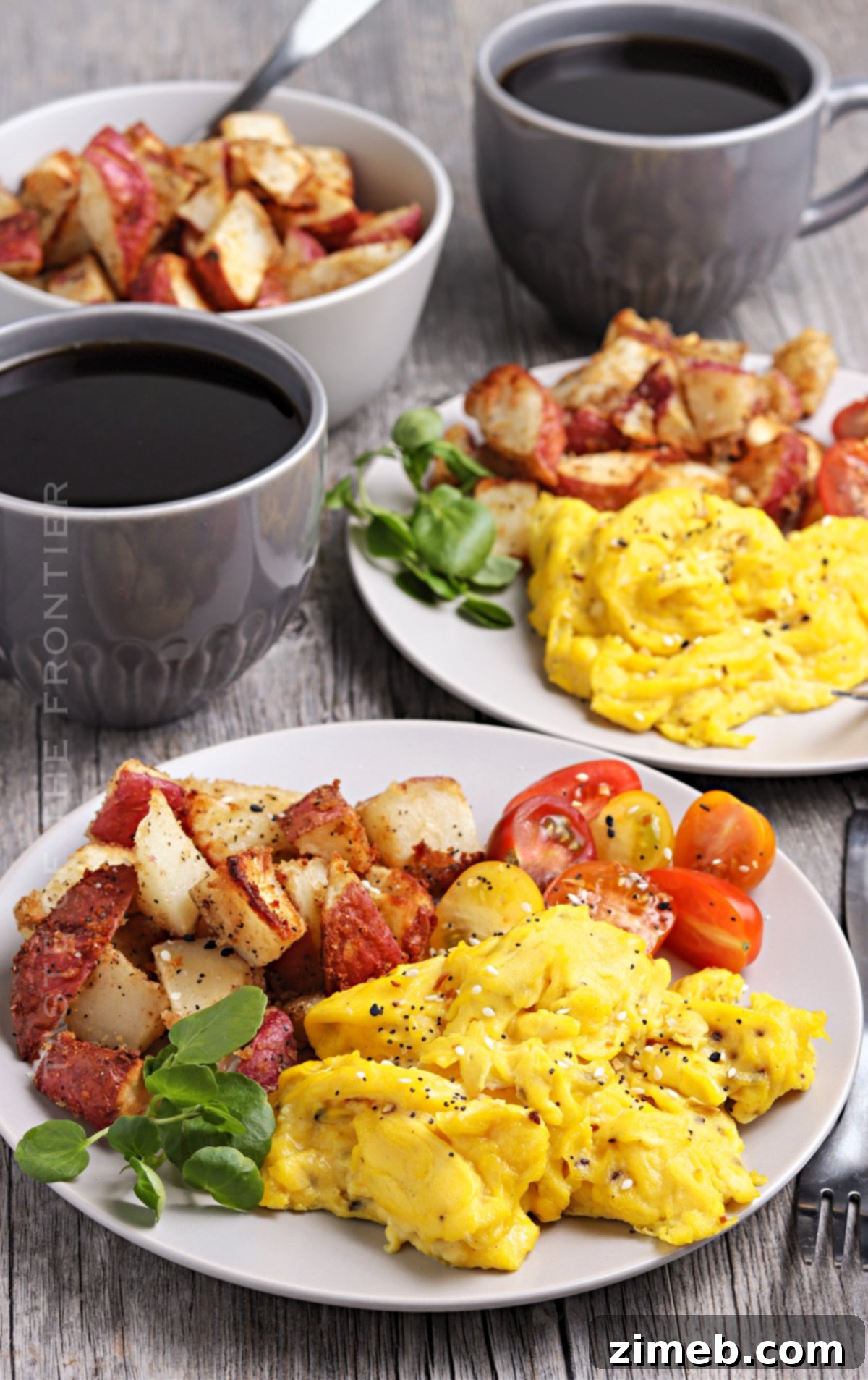
Adding cheese to your scrambled eggs is a simple step that yields incredibly rich and flavorful results. The cheese melts into the eggs as they cook, creating a wonderfully creamy texture and an irresistible savory note. From sharp cheddar to mild Monterey Jack, the choice of cheese can significantly influence the final taste, allowing for endless customization to suit your palate. It’s a trick that elevates a basic breakfast into a truly indulgent experience.
Frequently Asked Questions About Scrambled Eggs
How to Store and Reheat Leftover Scrambled Eggs
While scrambled eggs are best enjoyed fresh, if you do find yourself with leftovers, fret not! Properly storing and reheating them means you can enjoy this delicious breakfast later. Simply transfer your cooked scrambled eggs to an airtight container and refrigerate them promptly. They will maintain their quality for up to 3 days. To reheat, add a small splash of water (about a teaspoon per serving) to the container. This crucial step helps generate steam, preventing the eggs from drying out and ensuring they retain their moisture. Cover the container with a paper towel or lid, and microwave until hot – typically 30-60 seconds, stirring halfway through, should suffice. Be careful not to overcook them during reheating.
Does the Type of Egg Matter for Scrambled Eggs?
When it comes to the type of eggs, the good news is that this recipe is incredibly forgiving! We’ve successfully made it with both brown and white eggs, whether they come from the grocery store or are a fresh bounty from our neighbor’s happy chickens (those farm-fresh eggs are always a treat!). The key thing to remember is that the ratios for milk and butter provided in this recipe are calibrated for large eggs. If you opt for medium or smaller eggs, you might need to adjust the quantity, potentially adding 1-2 more eggs to achieve the desired volume and consistency. For those feeling adventurous enough to try an ostrich egg, remember that one is roughly equivalent to 24 chicken eggs, so you would need to scale this recipe (which calls for 3 chicken eggs) by a factor of 8!
How to Check Egg Freshness
It’s easy to lose track of eggs, especially if you stock up and store them in a secondary fridge. While eggs, when properly refrigerated, can remain fresh for up to six weeks beyond the date on the carton, that date isn’t always a foolproof indicator. I always rely on a simple, nifty test if I suspect they’ve been sitting for a while. This “float test” quickly tells you whether your eggs are still good to eat:
When eggs begin to spoil, they develop an air pocket inside the shell as moisture escapes and air enters. To perform the test, gently place an egg into a bowl or glass filled with a few inches of cold water and observe its behavior:
- If the egg sinks horizontally and lies flat at the bottom, it is very fresh and perfectly safe to eat.
- If it stands upright on one end at the bottom, it’s a few weeks old but still perfectly good for consumption. Use it soon.
- If the egg sort of hovers halfway between the bottom and the top of the water, it’s likely on its way to going bad. It should still be safe to use, but ideally, cook it immediately rather than storing it further.
- NOW – if the egg floats completely to the surface, that means a significant air bubble has formed. This indicates the egg is no longer fresh, likely spoiled, and should be discarded to avoid any health risks.
Ingredients for Simply Delicious Scrambled Eggs
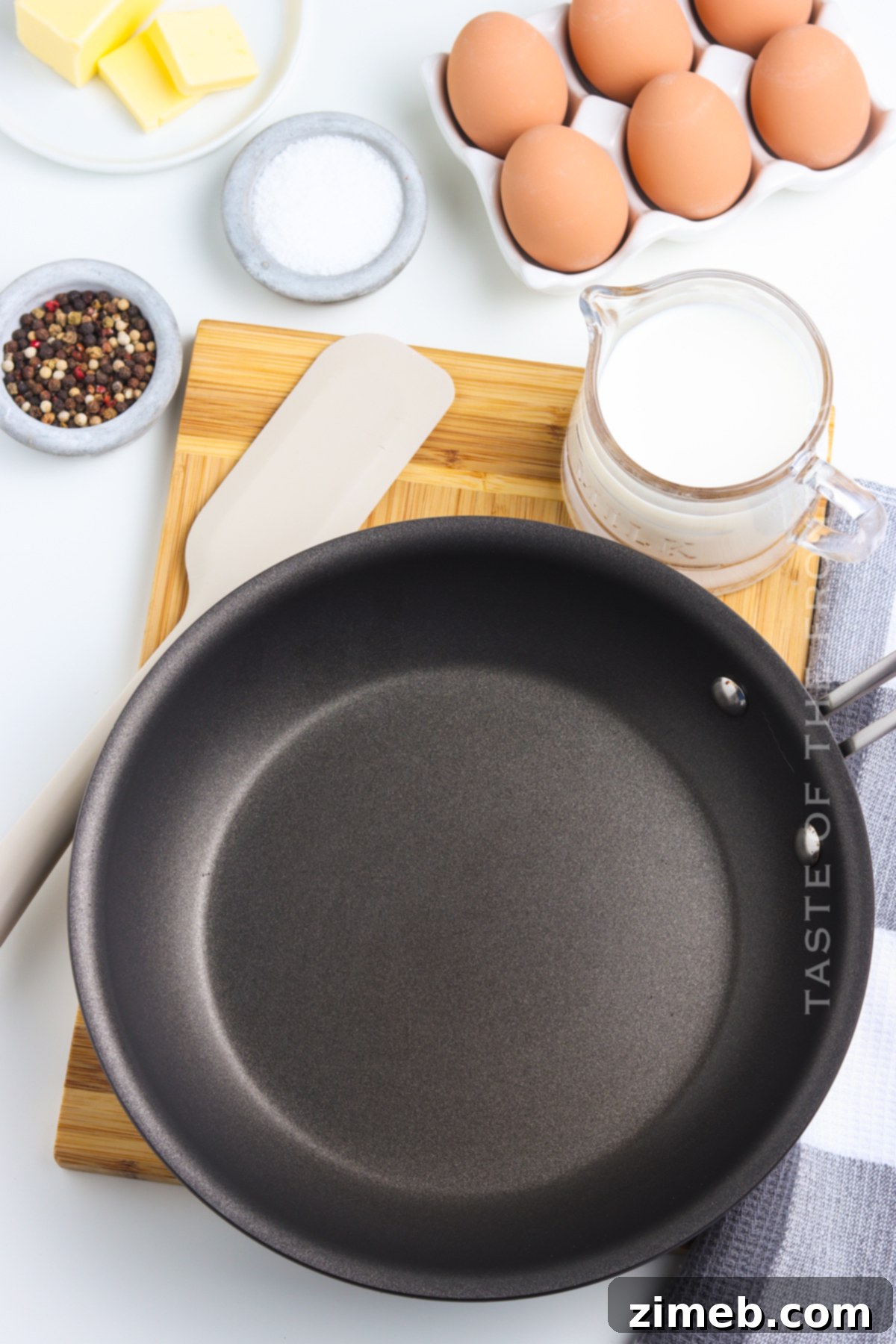
Creating truly delicious scrambled eggs requires just a few basic ingredients, but the quality and preparation of each make a significant difference in the final outcome:
- Large Eggs: The star of the show! Fresh, good-quality eggs are key for the best flavor and texture. We recommend large eggs for consistent results with this recipe.
- Milk: A touch of milk (or cream) is what helps create those wonderfully light and fluffy curds. It adds moisture and richness, preventing the eggs from becoming dry.
- Salt and Pepper: Essential seasonings that enhance the natural flavor of the eggs. Adjust to your taste preferences.
- Butter: For cooking, butter adds an unparalleled richness and prevents sticking, contributing to the creamy texture. Use unsalted butter to control the salt content precisely.
Customize Your Scrambled Eggs: Flavorful Additions & Substitutions
One of the best things about scrambled eggs is their incredible versatility. Don’t be afraid to get creative and tailor them to your exact preferences!
- Creamy Substitutions: For an even richer flavor and creamier texture, you can substitute the milk with heavy cream, half and half, or even mayonnaise. Mayonnaise might sound unusual, but a small dollop whisked in makes for incredibly tender eggs.
- Cheese Power-Up: Incorporating cheese is a classic move. Try sharp cheddar, Monterey Jack, Gruyere, feta, or a blend like Colby Jack. Add it during the last minute of cooking so it melts beautifully without burning.
- Vegetable Boost: Elevate your eggs with fresh or sautéed vegetables. Popular options include finely chopped bell peppers (any color), diced green chiles for a spicy kick, sautéed mushrooms, diced onions (caramelized onions add a sweet depth), fresh spinach (wilt it into the eggs), or cherry tomatoes.
- Herbal Infusion: Fresh herbs like chives, parsley, dill, or basil, finely chopped and mixed in at the end, can add a burst of fresh flavor and color.
- Meat Lover’s Delight: For a heartier meal, crumble in cooked bacon, diced ham, cooked sausage, or smoked salmon.
- Spice It Up: A pinch of red pepper flakes, a dash of hot sauce, or a sprinkle of paprika can add a welcome zing.
- Sweet & Savory: For a unique twist, consider a tiny pinch of sugar or a drizzle of maple syrup for a subtle sweet and savory profile, particularly if serving with sweet elements like pancakes.
Experiment with different combinations to find your perfect scrambled egg concoction!
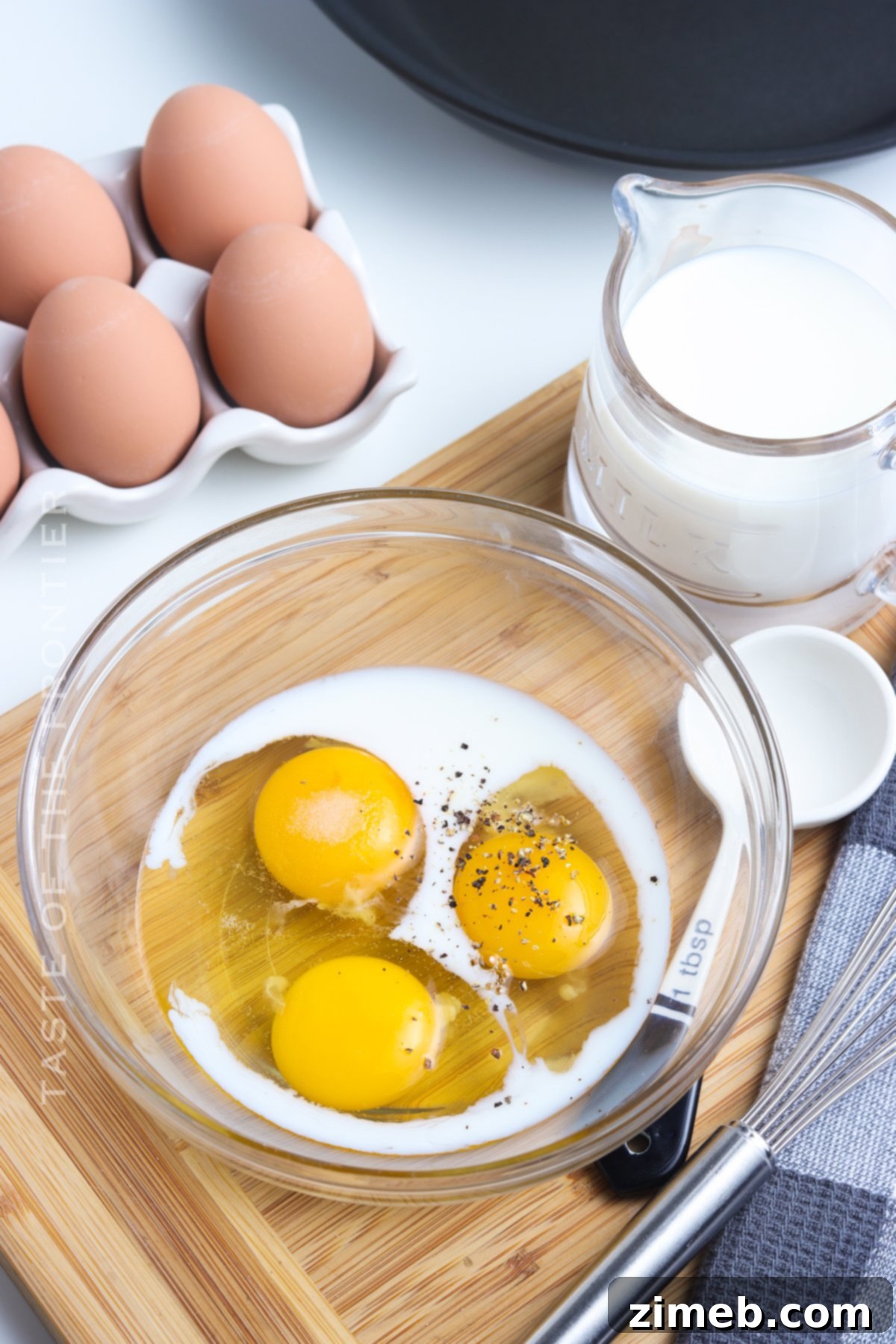
When you’re aiming for the lightest, fluffiest, and most delicious scrambled eggs, following a precise, yet simple process is key. The magic truly happens in how you handle the eggs from whisking to plating. It all starts with the foundational step of properly preparing your egg mixture.
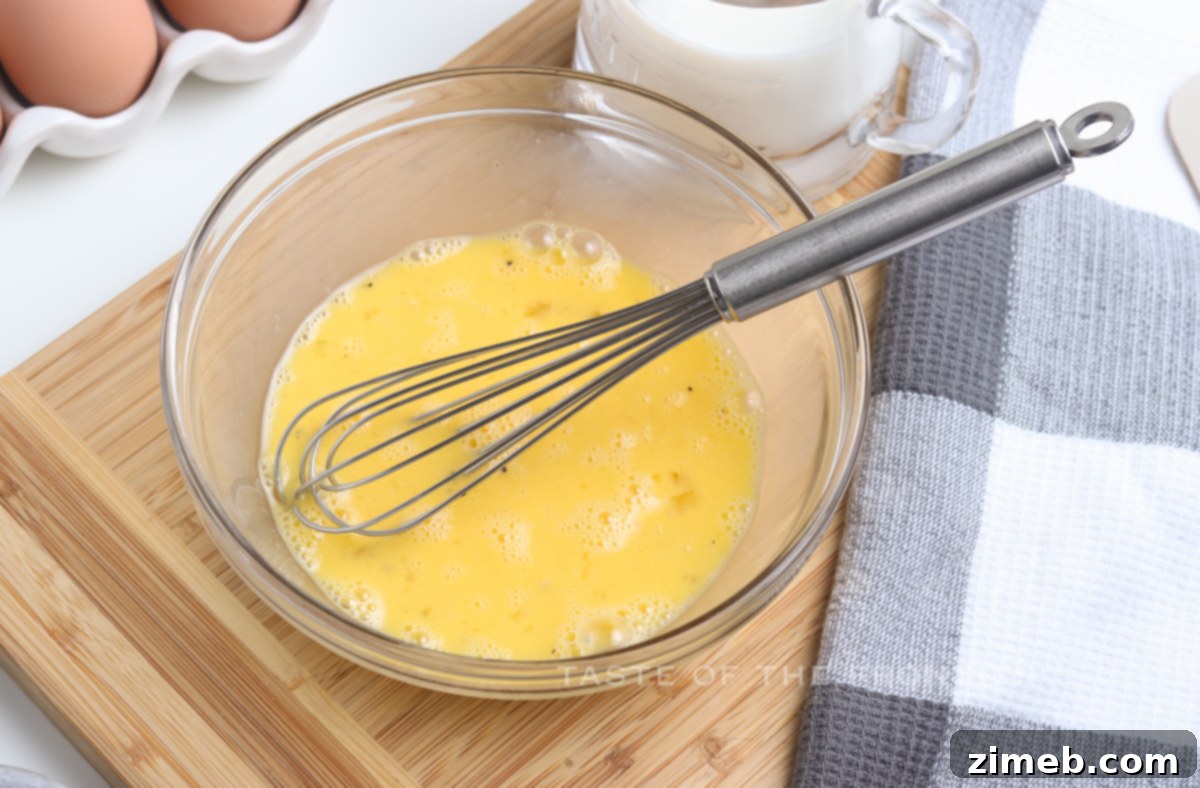
First, carefully crack your desired number of eggs into a medium-sized bowl. Whether you’re making a single serving with one or two eggs, or a larger batch for the whole family, ensure there are no shell fragments. Next, add approximately one teaspoon of milk or heavy cream per every two to three large eggs – choose whichever you prefer for creaminess. This liquid is essential for creating steam as the eggs cook, which results in those coveted fluffy curds. Now, whisk vigorously with a fork or a balloon whisk until the yolks and whites are fully combined and the mixture is slightly frothy. This aeration is another secret to achieving a light texture. You’ll notice the mixture will be a uniform pale yellow color.
Seasoning is also an important step. You have the option of adding your salt and pepper (and any other desired seasonings) before, during, or after cooking the eggs. However, for the most even distribution of flavor, it’s always a good idea to add your seasonings while you’re mixing the eggs with the milk. This ensures that every bite is perfectly seasoned with the salt, pepper, and any additional spices or herbs you plan to use on your scrambled eggs. Once your eggs are whisked and seasoned, you’re ready to cook!
How to Make Scrambled Eggs on the Stovetop: The Classic Method
The stovetop method is arguably the most popular and provides the best control over texture. Follow these steps for perfectly soft and fluffy scrambled eggs:
- Prepare the Egg Mixture: In a medium bowl, whisk together the eggs, milk, salt, and pepper until the yolks and whites are completely combined and slightly airy. Ensure no streaks of white or yellow remain.
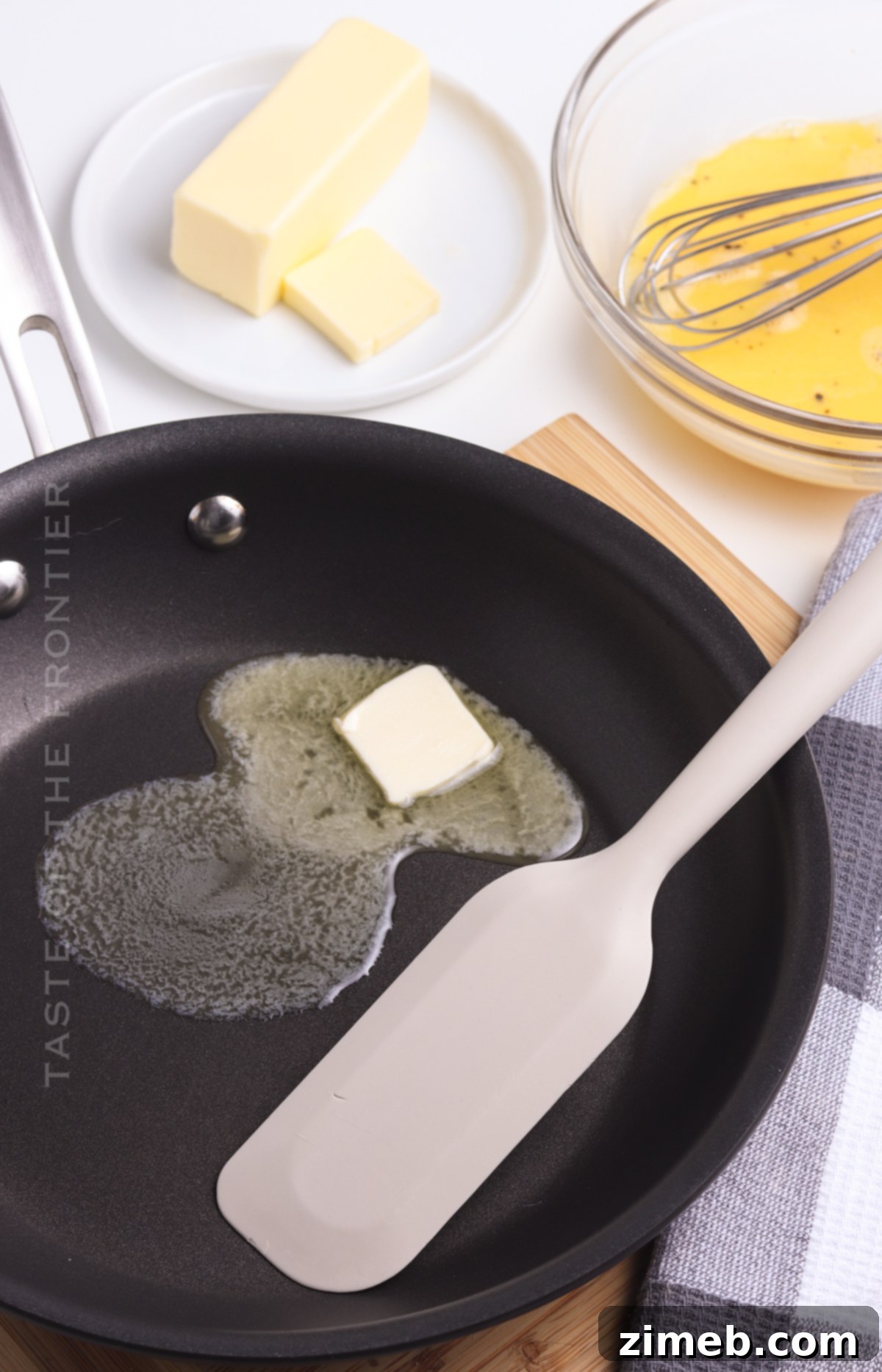
- Heat the Pan: Heat the butter in a large non-stick skillet over medium heat. Allow it to fully melt and shimmer, but don’t let it brown. The butter should coat the bottom of the pan evenly, preventing sticking and adding rich flavor.
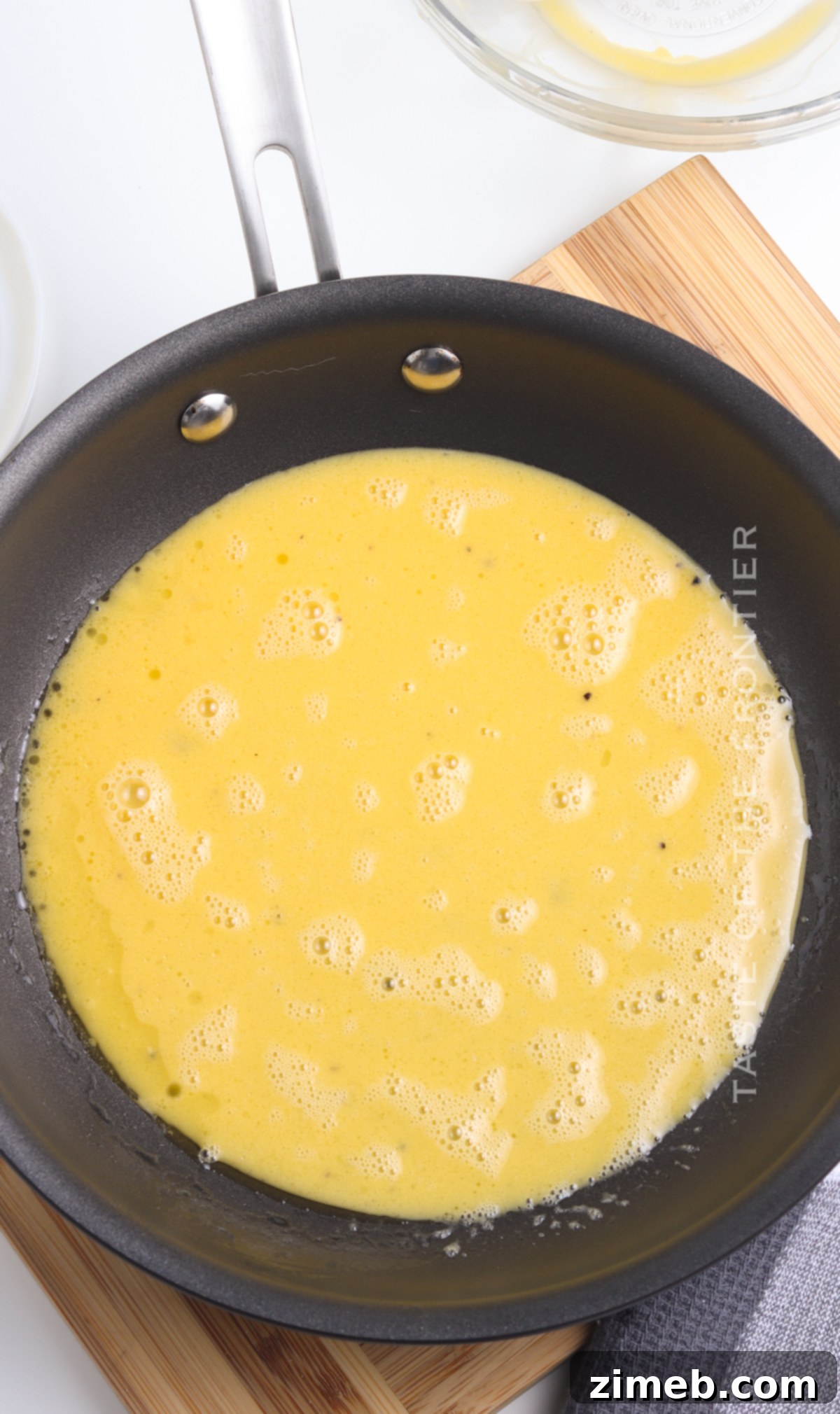
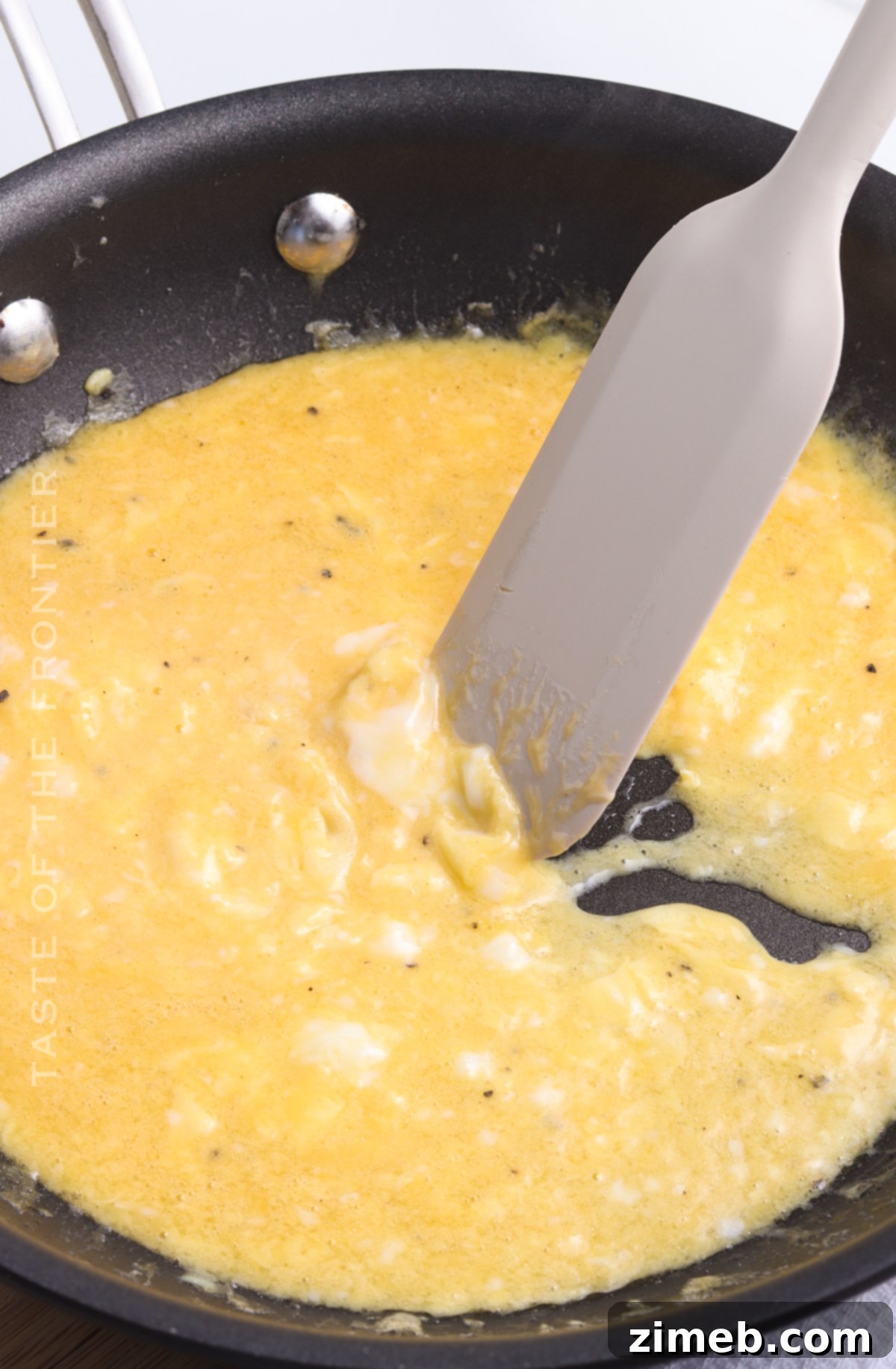
- Pour and Set: Pour the whisked egg mixture into the heated skillet. Let the eggs cook undisturbed for 1-2 minutes. This initial setting period allows the bottom layer to solidify slightly, forming a base for the curds. You’ll notice the edges beginning to firm up.
- Form the Curds: With a heat-resistant rubber spatula, gently push the cooked edges of the eggs towards the center of the pan. As you do this, tilt the pan to allow any uncooked liquid egg to flow underneath the cooked portions. Continue this gentle folding, creating soft, large curds. Avoid constant stirring, which can break the curds too small.
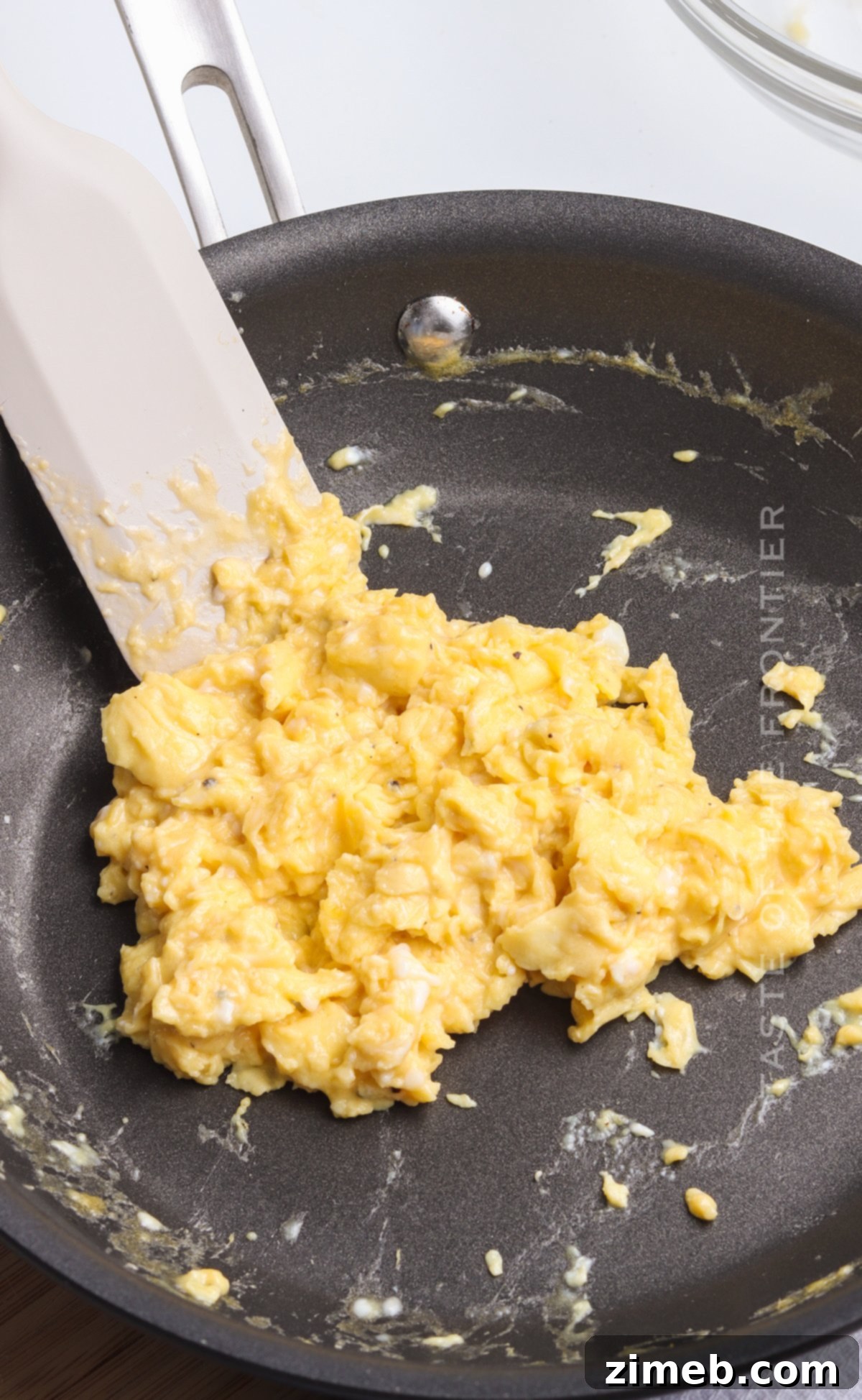
- Continue Cooking Gently: Reduce the heat to medium-low. Continue to cook and fold the eggs, turning them over occasionally. The key here is patience and gentle handling – do not stir vigorously. The goal is to cook the eggs slowly and evenly, preventing them from becoming dry or rubbery.
- Achieve Desired Doneness: Remove the pan from the stovetop when the eggs are still slightly moist and glistening, but set. Remember, eggs continue to cook from residual heat after being removed from the pan (carryover cooking). Season with additional salt and pepper if desired, tasting first.
- Serve Immediately: Scrambled eggs are best enjoyed hot and fresh. Serve them right away with your favorite sides.
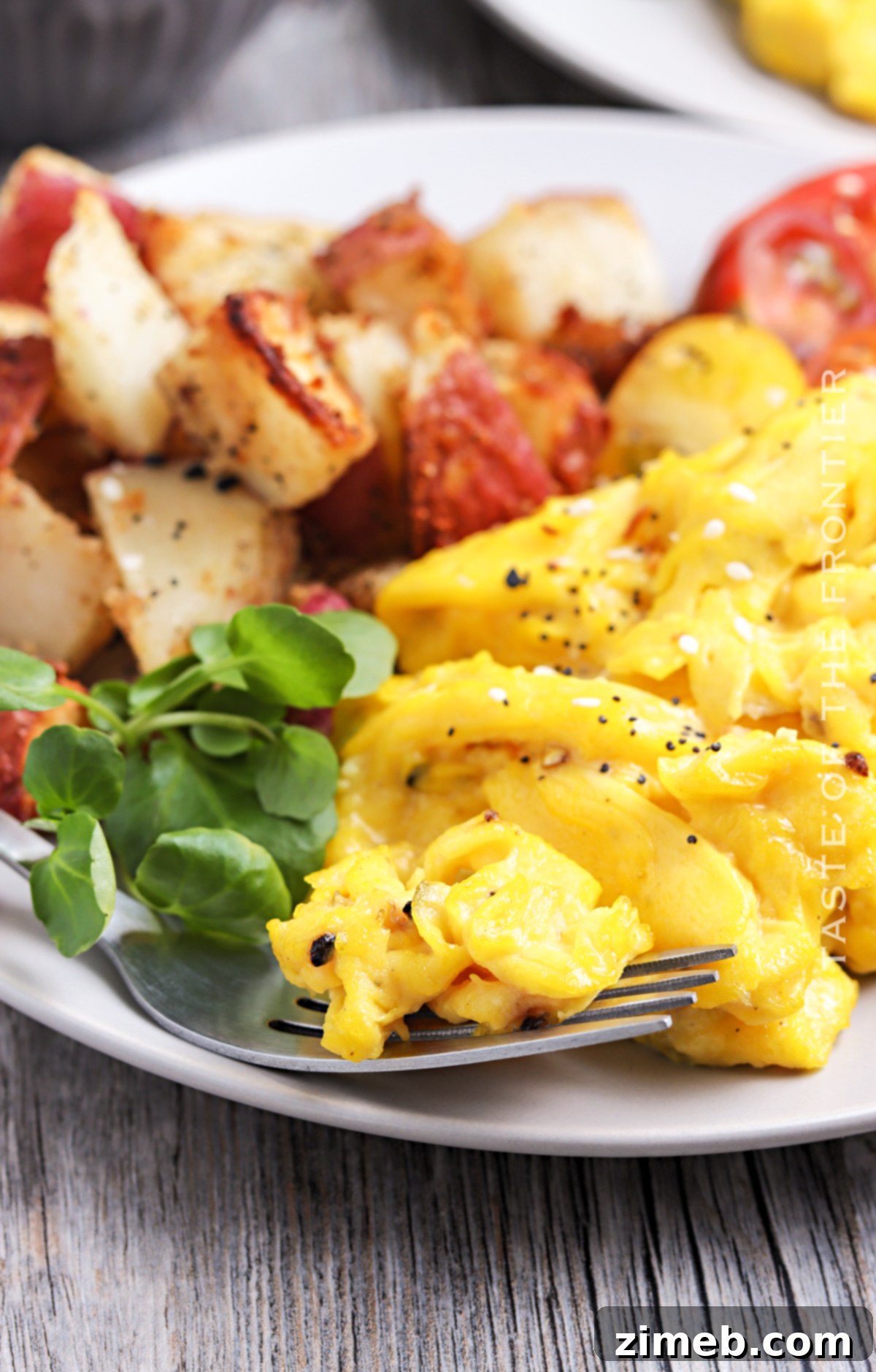
After you’ve mixed your eggs, grab your skillet, place some butter or margarine in the skillet, and set it to medium-low heat to melt the butter. As the butter begins melting, pour the content of your bowl into the skillet and allow the eggs to sit for about 30 seconds before you use your spatula to continue mixing them up. It only takes around two to three minutes to cook these eggs. If you like them soft, it may take less time than that. If you like your eggs dry, you can leave them in the skillet for an extra minute or two.
Making Scrambled Eggs in the Microwave: The Fastest Method
For those mornings when every second counts, the microwave offers a surprisingly effective and quick way to get your scrambled eggs on the plate:
- Combine Ingredients: In a microwave-safe bowl (make sure it’s large enough to prevent overflow), beat the eggs, milk, salt, pepper, and a small knob of butter until thoroughly blended. The butter helps with flavor and texture even in the microwave.
- First Cook: Microwave on high for 45 seconds. Cooking in stages is essential to prevent rubbery eggs.
- Stir and Continue: Remove the bowl from the microwave and stir the eggs well with a fork. This helps break up larger cooked pieces and ensures even cooking.
- Second Cook: Return the bowl to the microwave and cook again for an additional 30-45 seconds, or until the eggs are set to your liking. Keep an eye on them, as microwaves vary in power.
- Serve Immediately: As with all scrambled eggs, they are best served hot and fresh right out of the microwave.
For optimal food safety and to prevent cross-contamination, always be sure to use a clean spatula or utensil when stirring eggs that are partially cooked. Avoid using the same spatula that initially handled raw egg mixture.
How to Make Scrambled Eggs in the Air Fryer: A Modern Approach
The air fryer isn’t just for crispy fries! It can also make surprisingly light and fluffy scrambled eggs with minimal effort:
- Prepare Air Fryer Bowl: Select a medium-sized bowl that is both air fryer safe and fits comfortably within your air fryer basket. Melt the butter in this bowl in a preheated 350-degree F air fryer for about a minute, or until fully liquid.
- Coat the Bowl: Carefully remove the hot bowl from the air fryer (using oven mitts!) and gently swirl the melted butter around to evenly coat the bottom and sides. This prevents sticking and adds flavor.
- Whisk the Eggs: Add the eggs, milk, salt, and pepper to the butter-coated bowl. Whisk everything together very well until completely combined and slightly frothy.
- Air Fry: Place the bowl with the egg mixture back into the air fryer.
- Cook to Perfection: Cook at 350 degrees F for 10-12 minutes. Halfway through cooking (around the 5-6 minute mark), remove the bowl and stir the eggs to break up the curds and ensure even cooking. Return to the air fryer and continue cooking until they reach your desired doneness – light, fluffy, and just set.
What to Serve with Scrambled Eggs
Scrambled eggs are incredibly versatile and pair well with a multitude of breakfast and brunch sides. For a truly satisfying meal, consider these delicious accompaniments:
- Classic Meats: Nothing beats the timeless combination of scrambled eggs with crispy bacon (like my perfect oven-cooked bacon), savory sausage links, or slices of tender ham.
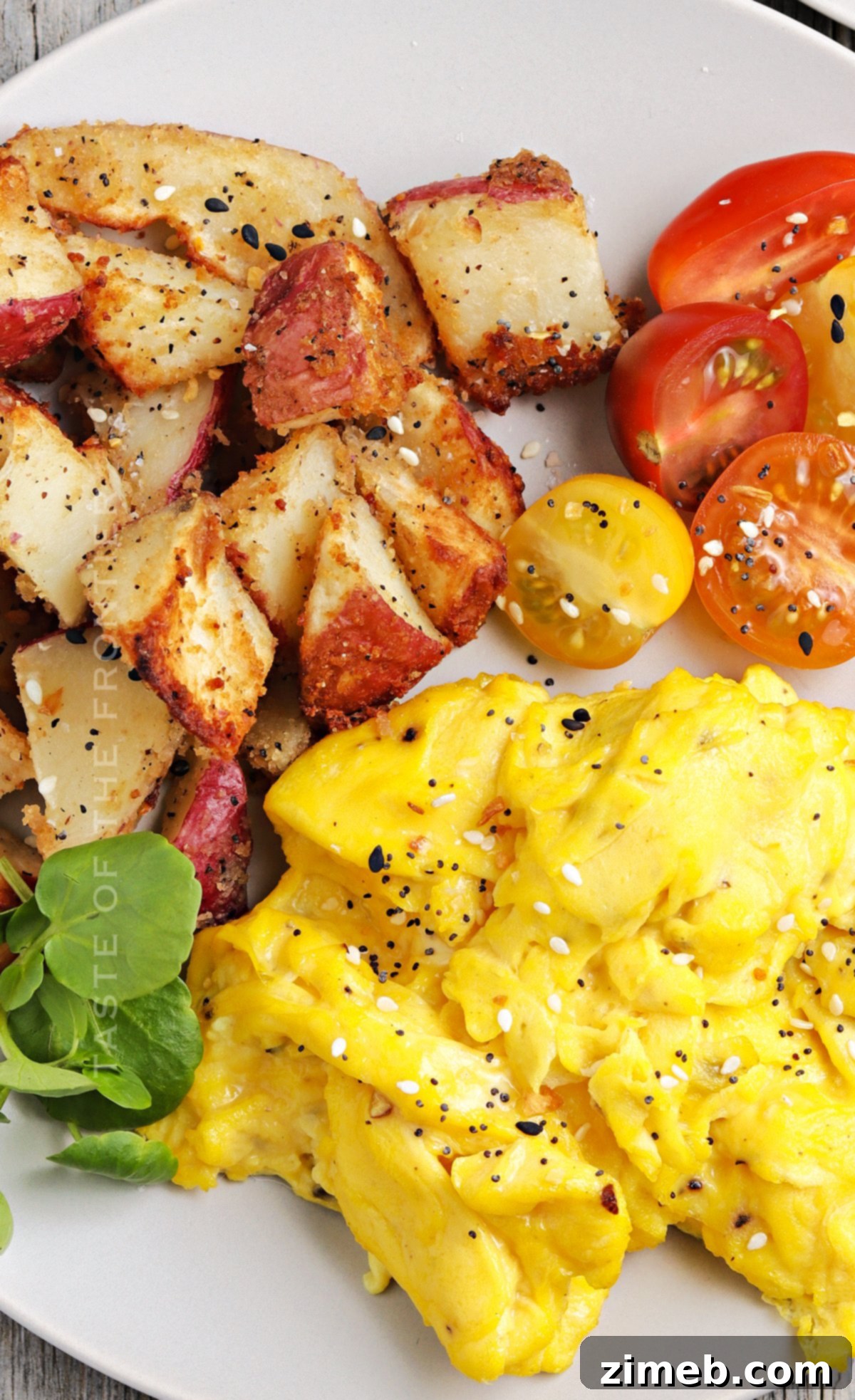
- Potatoes: Hash browns, home fries, or roasted breakfast potatoes offer a delightful textural contrast and hearty addition.
- Toast & Bread: A slice of buttered toast, a warm bagel, an English muffin, or even a flaky croissant are perfect for soaking up any buttery goodness.
- Fresh Produce: Sliced avocado adds a creamy, healthy fat. Fresh fruit salads or a handful of berries can provide a refreshing, sweet counterpoint.
- Vegetable Sides: Sautéed spinach, grilled asparagus, or roasted cherry tomatoes add color, nutrients, and sophisticated flavor.
- Breakfast Burritos: Use these fluffy scrambled eggs as the base for amazing breakfast burritos, combining them with cheese, beans, salsa, and your favorite fillings.
More Delicious Egg Recipes to Explore
Beyond scrambled, the humble egg can be transformed into countless delightful dishes. If you’re an egg enthusiast, here are some of our other favorite egg recipes to inspire your culinary adventures:
- Perfect Hard-Boiled Eggs
- Soft-Boiled Eggs
- Easy Poached Eggs
- Traditional Deviled Eggs
- The BEST Egg Salad Recipe
- 25 Amazing Egg Recipes (a collection for endless inspiration!)
- Hashbrown Breakfast Casserole
- Blue Cheese Breakfast Burger
Expert Tips for Perfect Scrambled Eggs
Achieving truly perfect scrambled eggs goes beyond just following the steps; a few expert tips can make all the difference:
- Don’t Overcook: This is perhaps the most crucial tip. Eggs will continue to cook for up to an additional 3 minutes once they are removed from the heat (this is called “carryover cooking”). To avoid dry, rubbery eggs, always remove them from the heat when they are slightly underdone – still glistening with moisture but mostly set. They will finish cooking to perfection in the pan’s residual heat.
- Low and Slow is Key: While the microwave and air fryer offer speed, for the best stovetop scrambled eggs, a medium-low heat is your friend. Cooking eggs gently and slowly results in creamier, softer curds. High heat cooks them too fast, leading to a tougher texture.
- Freshness Matters: While not a deal-breaker, fresher eggs generally have a brighter flavor and firmer whites, which can contribute to a better final texture.
- Patience with Stirring: Avoid constant, aggressive stirring. The goal is to gently fold the eggs, allowing larger, softer curds to form. Too much stirring results in tiny, fragmented curds.
- Seasoning Strategy: Seasoning generously with salt and pepper right after whisking ensures the flavor is evenly distributed throughout the eggs. You can always add a touch more at the end if needed.
- Non-Stick Pan: A good quality non-stick pan is invaluable for scrambled eggs, preventing sticking and allowing for easy cleanup. If you don’t have one, ensure your pan is well-seasoned and use a bit more butter.
Kitchen Essentials for Making Fluffy Scrambled Eggs
This classic breakfast recipe is incredibly simple and delicious, perfect for seasoned cooks and beginners alike. If you’re new to making eggs at home, you might be a bit nervous, but with the right tools, you’re going to love them! I’ve curated a list of the items I absolutely can’t live without when it comes to whipping up this morning staple. These essentials will ensure your scrambled eggs are consistently perfect and your cooking experience is a breeze. (You can also SHOP MY FAVORITES in my store.)
- Prep Bowls: Perfect for cracking eggs and holding prepped ingredients.
- Rubber Spatula: Essential for gently folding eggs and scraping the pan without scratching.
- Whisk: For thoroughly combining eggs and achieving that ideal airy texture.
- Non-Stick Cookware: A high-quality non-stick pan is crucial for preventing eggs from sticking and ensuring easy cleanup.
- Cast Iron Skillet: While non-stick is great, a well-seasoned cast iron skillet can also create amazing eggs with a slightly different texture, and it holds heat beautifully.
If you adore this Easy Scrambled Eggs recipe, you’re sure to fall in love with these other delightful breakfast ideas too. Click each link below to discover the simple, printable recipe and expand your morning menu!
Surprise your loved ones with a batch of these quick and easy Coffee Cake Muffins for breakfast. They’re the perfect way to start off the day!
Check out this recipe

Forget about running to the coffee shop for breakfast when you can make warm & chewy, Air Fryer Bagels in the comfort of your own home!
Check out this recipe
Rich and tender brioche bread, thickly sliced and coated in a sweet cinnamon egg custard makes this Brioche French Toast the perfect breakfast. Topped with fresh fruit and maple syrup, it’s delish!
Check out this recipe

No need to dine out to enjoy warm Belgian waffles. This Homemade Waffle Recipe is so easy and delicious – make extra for a quick breakfast all week long.
Check out this recipe
JUMBO Bakery-Style Chocolate Chip Muffins are deliciously moist, packed with chocolate chips, and the perfect way to start the day!
Check out this recipe

Mini Pancake Cereal has taken over the internet. Teeny tiny pillowy pancakes with a crispy outer texture are great with syrup, fruit, & more!
Check out this recipe
Matcha Shake is a delicious, nutritious, and convenient way to bring the benefits of matcha green tea to your day.
Check out this recipe
Apple Cider Donut Holes are an easy breakfast recipe made with a simple apple cider batter and baked in a mini muffin tin, then rolled in a cinnamon and sugar coating. They are positively scrumptious!
Check out this recipe

Check out this recipe

Other Delicious Egg Recipes
Expand your egg-cooking repertoire with these fantastic recipes:
- Bacon Deviled Eggs
- Easy Poached Eggs
- Soft Boiled Eggs
- Fried Eggs
- Sunny Side Eggs
- Perfect Hard Boiled Eggs
- Steamed Eggs
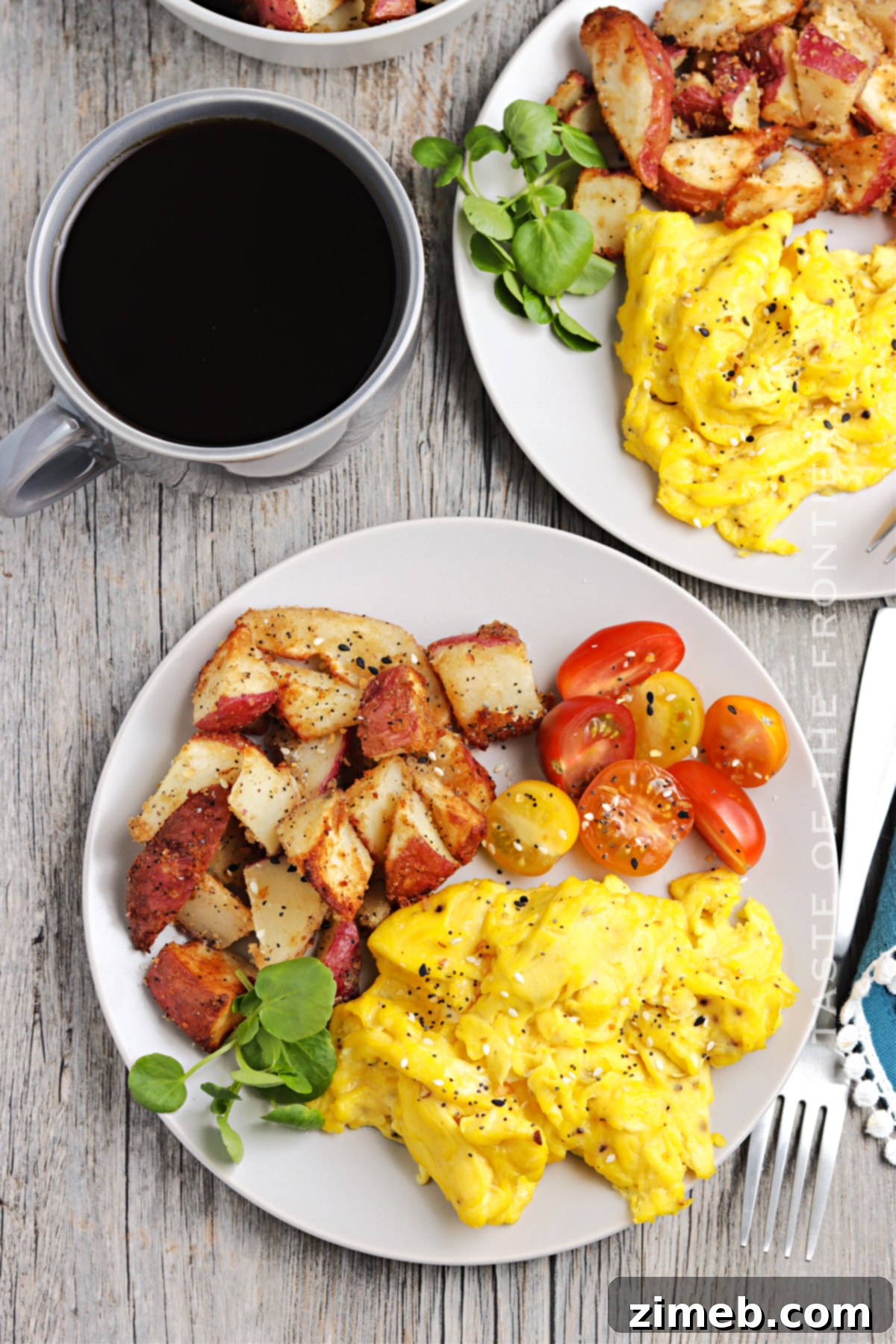
If you’ve enjoyed making this Scrambled Eggs recipe as much as I do, please take a moment to leave a five-star review. Your feedback helps others discover delicious recipes! And don’t forget to help me share the breakfast love on Facebook and Pinterest!
CONNECT WITH YUMMI HAUS!
Be sure to follow me on my social media channels, so you never miss a post!
Substack, Facebook, Pinterest, Instagram, Email Subscription
PIN THIS RECIPE TO REMEMBER IT FOR LATER
Rate this Recipe
Classic Scrambled Eggs Recipe
Breakfast
2
2
5
7
Ingredients
- 3 large eggs
- 1 tablespoon milk (or heavy cream/half & half)
- pinch salt and pepper, to taste
- 1 tablespoon butter
Instructions
Stovetop Method
-
Whisk together the eggs, milk, salt, and pepper in a bowl until thoroughly combined and slightly airy.
-
Heat the butter in a large non-stick skillet over medium heat until melted and shimmering.
-
Pour the egg mixture into the skillet and let cook for 1-2 minutes without stirring, allowing the edges to set.
-
Gently lift the cooked edges with a rubber spatula and fold them over towards the center to form soft curds. Tilt the pan to allow uncooked egg to flow underneath.
-
Reduce the heat to medium-low and continue to gently cook and fold the eggs until mostly set but still moist and glistening. Do not stir vigorously.
-
Remove the pan from the stovetop just before desired doneness to account for carryover cooking. Season with additional salt and pepper if desired.
-
Serve immediately for the best texture and flavor.
Microwave Method
-
Beat the eggs, milk, salt, pepper, and butter in a microwave-safe bowl until well blended.
-
Microwave on high for 45 seconds.
-
Remove the bowl and stir well with a clean utensil.
-
Return the bowl to the microwave and cook for an additional 30-45 seconds, or until desired doneness.
-
Serve immediately.
Air Fryer Method
-
Using a medium-sized, air fryer-safe bowl that fits your appliance, melt the butter in a preheated 350°F air fryer for about a minute.
-
Carefully remove the bowl (using oven mitts) and swirl the melted butter around to coat the bottom and sides.
-
Add the eggs, milk, salt, and pepper to the bowl and whisk well until blended.
-
Place the bowl with the egg mixture back into the air fryer.
-
Cook on 350°F for 10-12 minutes, stirring halfway through to break up curds and ensure even cooking. Cook until eggs are set to your preference.
Notes
Nutritional information for this recipe is provided as a courtesy and is approximate. Please double-check with your own dietary calculator for the best accuracy. We at Yummi Haus cannot guarantee the accuracy of the nutritional information given for any recipe on this site.
Love this recipe?
Follow @KleinworthCo for even more tasty recipes!