
First, my thoughts and deepest empathy go out to all those affected by the tragic events at the Boston Marathon. Sending prayers to everyone touched by that heartbreaking incident.
Comfort & Care: Crafting Thoughtful Chemotherapy Head Wraps and Unveiling Essential Skin Cancer Awareness
Life has a way of reminding us of its fragility and the importance of supporting one another through challenging times. Recently, my family has been navigating an incredibly difficult journey, which has highlighted the pressing need for both practical comfort and critical awareness. My incredible mother is currently battling skin cancer, a fight that has taken an unexpected and aggressive turn. This experience has not only deepened our resolve to support her in every possible way but has also shed light on misconceptions surrounding this prevalent disease. In this article, I want to share a simple yet profound way to offer comfort to those undergoing chemotherapy through a DIY head wrap tutorial, and more importantly, to amplify the urgent message about skin cancer awareness and early detection.
My Mother’s Courageous Battle: Understanding the Aggressive Nature of Squamous Cell Carcinoma
About two years ago, my mom had a suspicious mole removed from her shoulder. The biopsy confirmed it was Squamous cell skin cancer. At the time, we were relieved and hopeful, as the doctors believed they had caught it early and removed it completely. This gave us a false sense of security, reinforcing the common belief that Squamous cell carcinoma, unlike melanoma, is generally less life-threatening if treated promptly. We were immensely grateful for that initial outcome, thinking the worst was behind us.
However, life had a different plan. Approximately three months ago, my mom discovered a small lump, about the size of a thumbnail, beneath her arm. She promptly had it checked, and devastatingly, the biopsy revealed the return of squamous cells. What happened next was truly alarming. The biopsy procedure itself seemed to agitate the cancerous cells, triggering an astonishingly rapid growth. In a mere six weeks, from the time of the biopsy to its surgical removal, the lump had ballooned to the size of a baseball. This wasn’t a standalone tumor; it was her lymph nodes, those vital filters in our bodies, working overtime to contain the aggressive cancerous cells that were attempting to spread throughout her system. Out of the twenty-something lymph nodes removed, an alarming sixteen were found to contain cancer, with a few cells having already ventured beyond their confines.
The medical team was perplexed; they had never before witnessed Squamous cell skin cancer behave with such ferocity and rapid metastasis. This unusual presentation has necessitated an aggressive treatment plan, involving a rigorous course of chemotherapy combined with targeted radiation. We are currently in a period of intense hope and uncertainty, praying for the effectiveness of this intensive regimen. This experience has been a stark and painful lesson: the long-held notion that only melanoma and basal cell carcinomas pose a significant threat to life, while Squamous cell carcinoma is easily managed, simply isn’t always true. Our family’s journey is a testament to the fact that Squamous cell skin cancer can be incredibly dangerous and, if left unchecked or if it behaves atypically, can aggressively impact one’s life.
Creating Comfort: A Thoughtful DIY Chemotherapy Head Wrap Tutorial
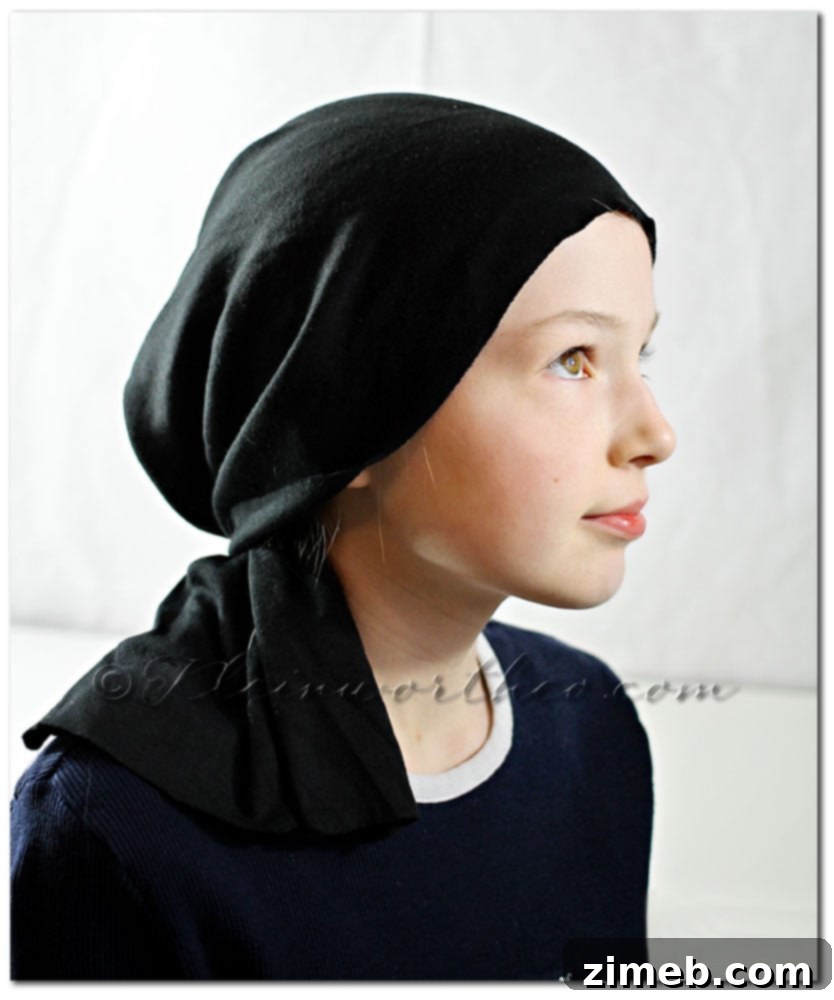
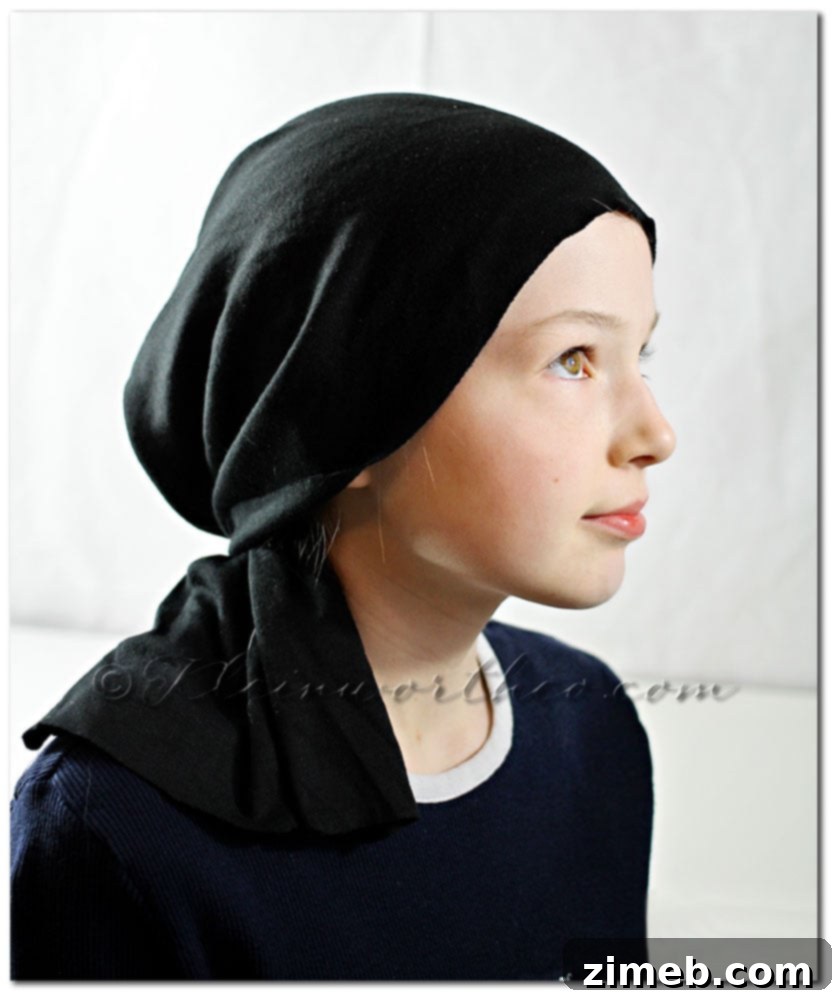
As my mom embarked on her first round of chemotherapy, we all knew what to expect regarding hair loss. Beyond the emotional impact, there’s a practical need for comfort, warmth, and protection, especially for a sensitive scalp. Even in sunny Southern California, a bald scalp can get cold, and more importantly, it’s highly susceptible to sunburn. To help her through this challenging phase, I decided to make her a collection of soft, comfortable head wraps. My goal was to ensure she had a variety of colors and textures, providing both warmth and coverage without any irritation. (Please excuse my daughter modeling these; my mom is 1500 miles away, but her spirit is ever-present in this project.)
These head wraps are incredibly simple to make, even for novice sewers. If you have a sewing machine and know someone undergoing chemotherapy, these wraps make a truly thoughtful and practical gift – a small gesture of love that can make a big difference in their daily comfort.
Materials and Preparation:
- Fabric Choice: The most crucial element is selecting the right fabric. You’ll need super soft, stretchy cotton material. Think high-quality Pima cotton t-shirt fabric or a similar soft jersey knit. The softness is paramount because chemotherapy can make the scalp extremely sensitive and tender. The stretchiness ensures a comfortable, non-restrictive fit that accommodates various head sizes without feeling tight. Avoid anything with a rough texture, scratchy seams, or synthetic fibers that don’t breathe well.
- Dimensions: Cut your chosen fabric into a square measuring approximately 20 inches by 20 inches (or 50 cm x 50 cm). This size provides ample material for comfortable wrapping and styling. You can adjust slightly based on the desired coverage and stretch of your fabric.
Step-by-Step Head Wrap Instructions:
- Forming the Tube: Fold your 20×20 inch square of fabric in half, right sides together, so you have a 10×20 inch rectangle. Using your sewing machine, sew along the raw edge to form a tube. A simple straight stitch with a slight stretch (like a zigzag or a specific knit stitch if your machine has one) is ideal to maintain the fabric’s elasticity.
- Finishing the Seam: The key here is to make that seam as incredibly soft and flat as possible. I don’t own a serger, so I simply stitched the raw ends together with a durable seam, then carefully pressed that seam open and stitched it down flat on both sides. This creates a very smooth, low-profile seam that won’t irritate a sensitive scalp. Remember, even the slightest bump or rough edge can cause discomfort or pain during chemotherapy. Take your time to ensure the seam feels almost undetectable to the touch.
- Leaving Ends Un-hemmed: I intentionally left the raw ends of the fabric un-hemmed. This might seem unconventional, but there’s a very practical reason behind it. Hemming can add bulk and stiffness to the edges, reducing the fabric’s inherent stretch and softness. By leaving them un-hemmed, the edges remain soft, pliable, and maintain maximum stretch, further minimizing any potential irritation to the delicate skin. The natural curl of knit fabric often prevents excessive fraying.
Once completed, you’ll have a soft, versatile fabric tube that can be styled in numerous ways – as a full head covering, a turban, or a simple band. The softness and stretch will provide much-needed comfort during a challenging time.
A Heartfelt Gift: Printable “How to Wear” Tag
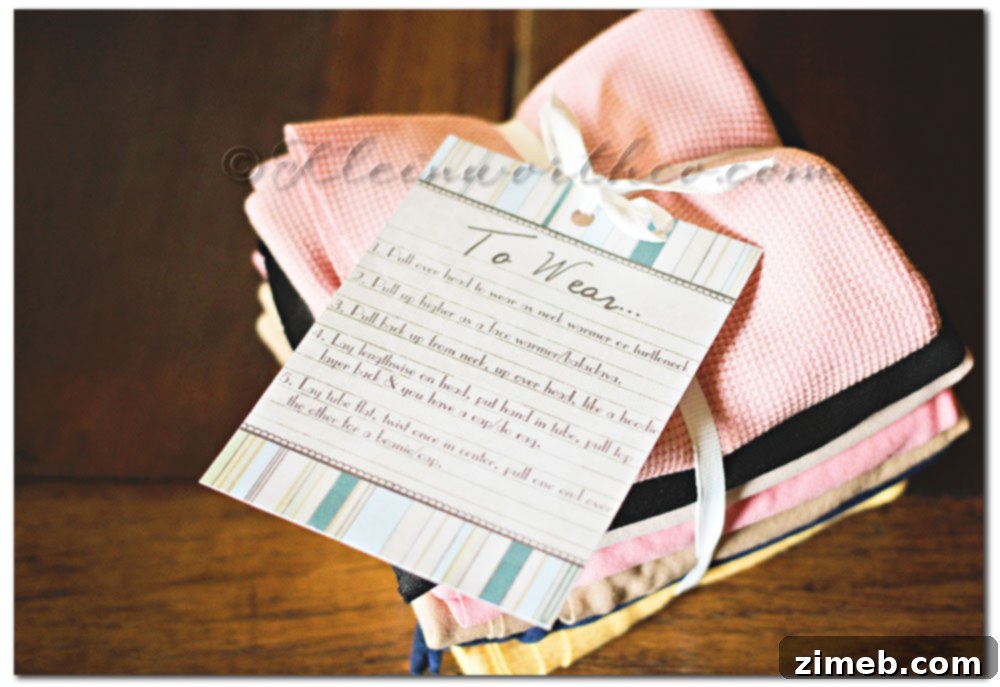
If you’re making these head wraps as a gift, adding a thoughtful touch can make them even more special. I created a printable gift tag that includes instructions on how to wear and style the head wrap, making it easy for the recipient to utilize this comforting accessory right away. It’s a small detail that shows you’ve considered every aspect of their comfort.
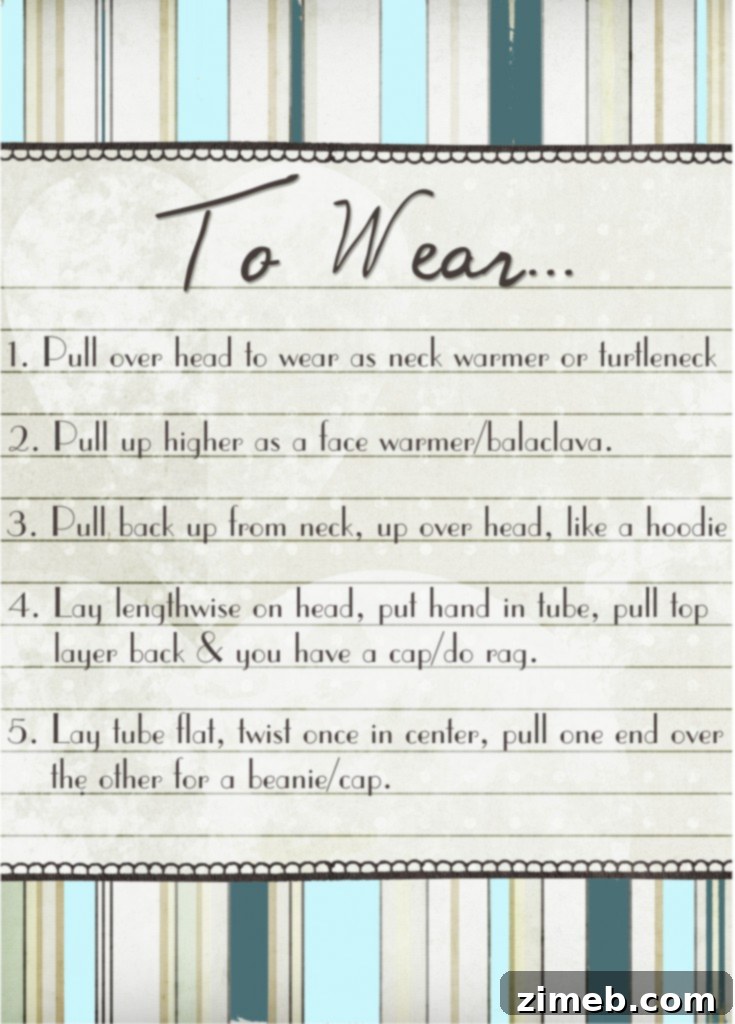
Download Your Printable Gift Tag HERE
If you have the ability and inclination to create these simple yet impactful head wraps, I wholeheartedly encourage you to do so. For anyone fighting this horrible disease, such gestures of kindness and practical support are incredibly appreciated and can provide a tangible source of comfort during an unimaginably difficult period.
Beyond the Wraps: The Critical Importance of Skin Cancer Awareness
My mother’s experience has profoundly underscored the absolute necessity of vigilant skin cancer awareness and regular screenings. It has shattered common misconceptions about the less aggressive types of skin cancer, proving that vigilance is always key. Please, I urge you, make it a priority to get yourself checked for skin cancer regularly.
Many insurance companies may not cover annual full-body skin checks unless you have a specific risk factor or a concerning mole. However, don’t let this deter you. Keep an eye out for free or low-cost skin cancer screening events in your community, often organized by local health clinics or dermatological associations. You can also ask your primary care physician to perform a visual check during your annual physical. While a general practitioner can spot obvious issues, a board-certified dermatologist is truly the expert in this field. Many dermatologists offer a comprehensive skin cancer screening for an office visit fee, which might be around $100 or less, even without insurance coverage. It is an investment absolutely worth making; it could very well save your life.
Familiarize yourself with the different types of skin cancer – basal cell carcinoma, squamous cell carcinoma, and melanoma – and crucially, learn what to look for. Pay attention to any new moles, growths, or spots, as well as any existing ones that change in size, shape, color, or texture. The “ABCDE” rule is a helpful guide for melanoma detection:
Asymmetry: One half doesn’t match the other.
Border irregularity: The edges are ragged, notched, or blurred.
Color variation: The color is not uniform and may include shades of black, brown, and tan, or patches of pink, red, white, or blue.
Diameter: The spot is larger than 6 millimeters (about the size of a pencil eraser).
Evolving: The mole is changing in size, shape, color, or elevation, or any new symptom like bleeding, itching, or crusting appears.
If you notice any of these signs, seek professional medical advice immediately. For more in-depth information on skin cancer types, prevention strategies, and self-examination tips, consult reputable health organizations like the American Academy of Dermatology (AAD) or the Skin Cancer Foundation. Their websites are invaluable resources for education and guidance.
This is not a matter to be taken lightly. Skin cancer, if left unchecked and untreated, CAN be fatal. Early detection is paramount to successful treatment and survival. Please take this message seriously – protect your skin, check it regularly, and advocate for your health.
This chemotherapy head wrap tutorial has been featured on Craft Stew, a wonderful resource for creative projects. Visit their site to discover this tutorial and pick up more inspiring free hat patterns for various needs.