
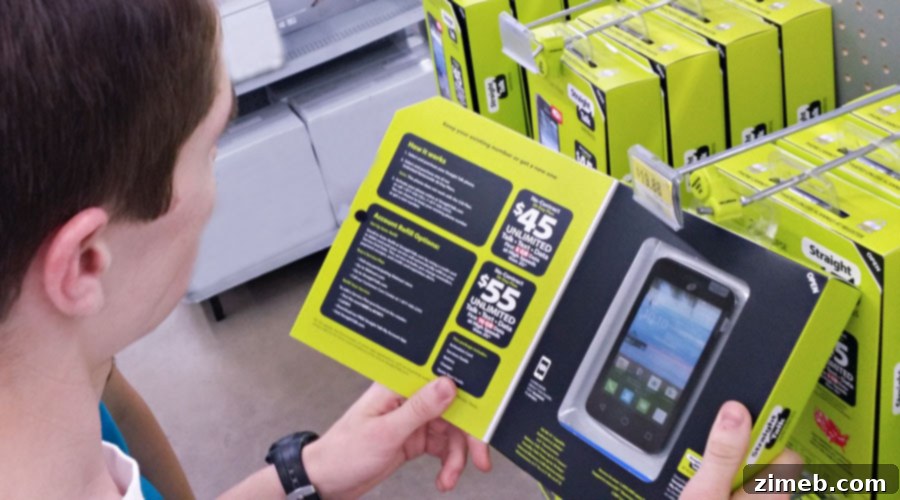
As children grow and transition into significant life stages, such as heading off to college, the conversation around personal responsibility, budgeting, and essential communication tools inevitably arises. One of the most common dilemmas for parents and students alike is managing smartphone usage, particularly the ever-present challenge of keeping data consumption in check. For many, the idea of a child having their own smartphone brings both excitement for connectivity and apprehension about potential overspending. This comprehensive guide offers practical tips and insights to ensure that a child’s smartphone use remains reasonable, budget-friendly, and highly beneficial, especially for a college-bound student.
The Evolving Needs of a College Student: Why a Smartphone Becomes Essential
The journey to college marks a significant milestone, demanding a new level of independence and self-reliance. For students today, a smartphone is no longer just a luxury but a fundamental tool for academic success, safety, and maintaining connections. Unlike previous generations, modern college life is deeply intertwined with digital resources. Students rely on smartphones for accessing online course materials, submitting assignments through learning management systems, participating in virtual study groups, and even streaming lectures. Beyond academics, a smartphone provides vital safety features, enabling instant communication in emergencies, navigating unfamiliar campuses, and staying connected with family members who might be miles away. While my son, for instance, has always been remarkably frugal, limiting his digital footprint to save money, even he recognized the undeniable benefits a smartphone could offer as he prepared for higher education. The challenge then shifts from whether to get a smartphone to how to manage its use responsibly without breaking the bank.

Demystifying Data Usage: What Consumes Your MBs and GBs?
Before implementing data-saving strategies, it’s crucial to understand what activities consume the most cellular data. Many smartphone users are surprised to learn how quickly their data allowance dwindles, often without realizing the underlying causes. High-speed data is primarily used by activities that require constant communication with the internet and involve significant file transfers. Streaming video content from platforms like YouTube, Netflix, or even short clips on social media, is a major data hog. Similarly, streaming music from services like Spotify or Apple Music, especially at higher quality settings, can quickly add up. Video calls through apps like FaceTime, Zoom, or WhatsApp also consume substantial data due to the continuous transmission of audio and video. Other significant contributors include downloading large files, automatic app updates, cloud photo/video syncing over cellular, online gaming, and excessive social media browsing with auto-playing videos. By identifying these data-intensive tasks, students can become more conscious of their smartphone habits and make informed choices to conserve their monthly allowance.
Proactive Strategies for Smart Data Management
Empowering students to manage their data effectively requires a combination of conscious habits and smart phone settings. Here are some actionable tips to keep data usage well within limits:
1. Prioritize Wi-Fi Whenever Possible: This is arguably the most impactful data-saving strategy. Encourage your child to connect to Wi-Fi networks at home, on campus, at libraries, coffee shops, or any secure public location. Most universities offer robust Wi-Fi networks for students, making it easy to access the internet for academic work and entertainment without touching cellular data. Teach them how to set their phone to automatically connect to known Wi-Fi networks and to disable cellular data when Wi-Fi is available and stable.
2. Download Content Offline: Before leaving a Wi-Fi zone, students should download movies, music, podcasts, and even lecture materials or e-books that they plan to access later. Many streaming services offer offline download options, allowing users to enjoy content without an internet connection. This is particularly useful for commutes or times when reliable Wi-Fi isn’t available.
3. Monitor App Data Usage and Restrict Background Refresh: Both iOS and Android operating systems provide detailed breakdowns of which apps are consuming the most data. Advise your child to regularly check this usage in their phone’s settings. Crucially, they should disable “background app refresh” for apps that don’t need real-time updates. This prevents apps from consuming data when not actively in use, stopping them from syncing, updating, or downloading content in the background.
4. Adjust App-Specific Settings: Many popular apps have internal settings that can be tweaked to save data. For social media apps, disable auto-play videos in the feed. For streaming services, choose lower quality playback options when using cellular data. Prevent cloud services (like Google Photos or iCloud) from uploading photos and videos over cellular data; restrict these uploads to Wi-Fi only. Similarly, configure app stores to only download or update apps when connected to Wi-Fi.
5. Utilize Data Saver Modes: Many smartphones and web browsers (like Chrome or Opera) offer built-in data saver modes. These modes compress web pages and images, reducing the amount of data transferred. While they might slightly affect browsing speed or image quality, the data savings can be significant.
6. Set Data Limits and Warnings: Modern smartphones allow users to set monthly data limits and receive warnings when they approach their threshold. This feature is an excellent way to prevent accidental overages and encourages mindful usage. Once the limit is reached, the phone can automatically disable cellular data until the next billing cycle, or at least provide a clear alert.
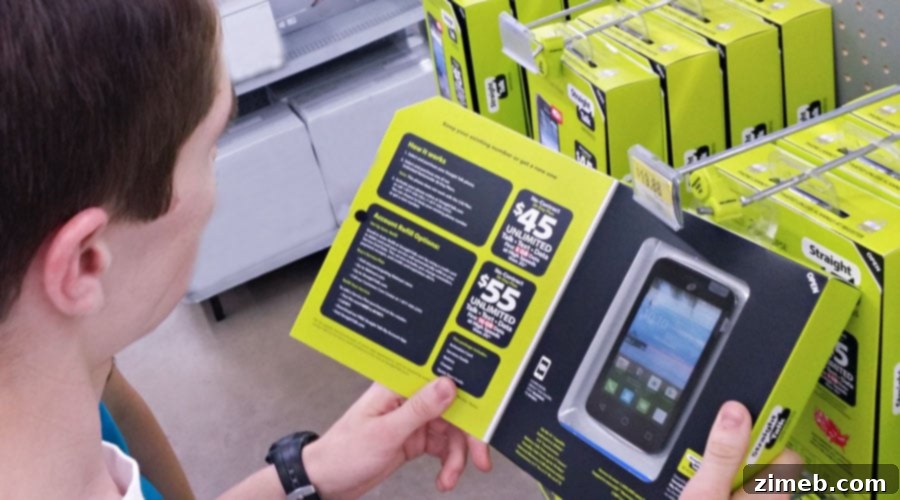
Choosing the Right Plan: The Straight Talk Wireless Advantage
When it comes to selecting a mobile plan for a budget-conscious student, prepaid options often present the most transparent and controlled approach. Unlike postpaid plans that can surprise users with hefty overage charges, prepaid services allow for predictable monthly expenses, making it easier for students to manage their own budget. After exploring various options, Straight Talk Wireless emerged as a compelling choice for my son, primarily due to its combination of value and reliability.
Straight Talk Wireless distinguishes itself by operating on America’s largest and most dependable networks, ensuring broad coverage and strong signal quality wherever students may be – whether on campus, commuting, or visiting home. Their $45 Unlimited 30-Day Plan is particularly attractive for students who need consistent connectivity without the fear of excessive bills. This plan includes unlimited talk and text, crucial for staying in touch with family, friends, and professors. More importantly, it offers 5 GB of high-speed data per 30-day cycle. This 5 GB allowance is generous enough for essential academic tasks, social media browsing, and light streaming when Wi-Fi isn’t available.
The genius of this plan for data management lies in its structure: once the 5 GB of high-speed data is used, the data speed is reduced to as low as 2G for the remainder of the 30-day cycle. This isn’t a penalty; it’s a built-in safety net. At 2G speeds, heavy data applications like streaming video or high-quality audio will be significantly affected, effectively discouraging further heavy data consumption and preventing any unexpected charges. It gently nudges students towards more mindful data use, encouraging them to seek out Wi-Fi for bandwidth-intensive activities. This feature was a major selling point for my frugal son, as it provided a clear boundary for his spending and data use, giving him control over his monthly costs.
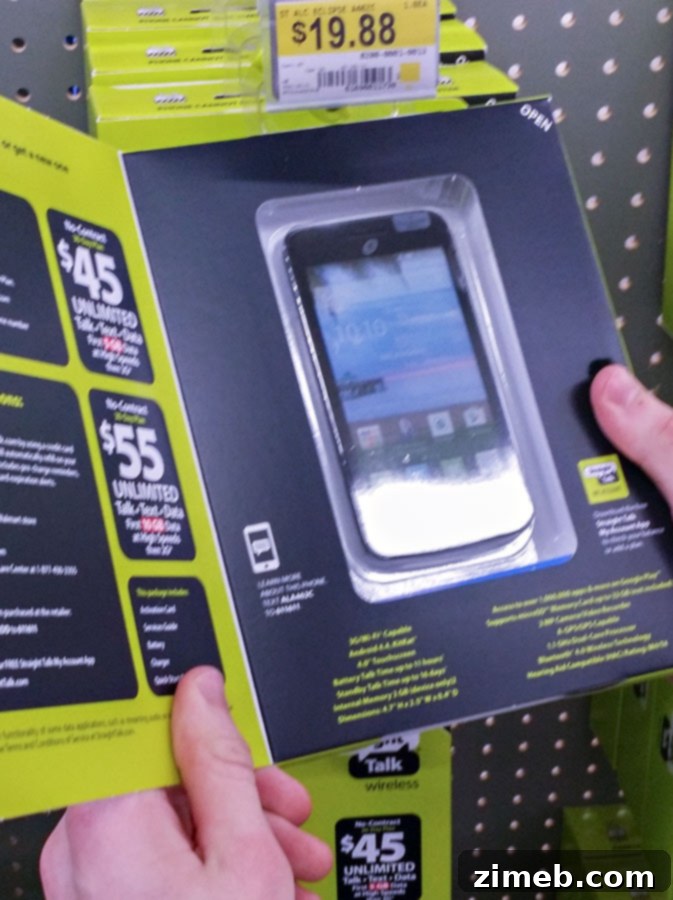
Finding the Perfect Device: The Straight Talk LG Premier LTE
Beyond the service plan, choosing an affordable yet functional smartphone is equally important. Many students don’t need the latest flagship device with a premium price tag. For those prioritizing budget without compromising essential features for college life, the Straight Talk LG Premier LTE smartphone offers an excellent solution. This device was available on rollback for just $99 exclusively at Walmart, making it an incredibly accessible option. This price point perfectly aligned with my son’s budget and our desire to equip him with a capable device without a significant financial outlay.
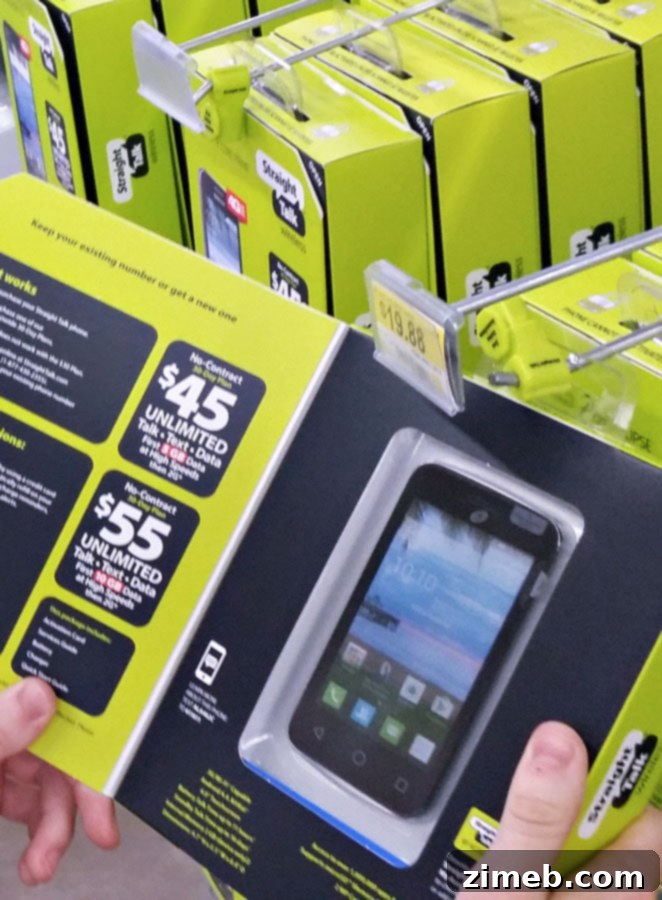
The LG Premier LTE provides all the necessary functionalities for a college student: a clear display for reading documents and streaming video, a capable camera for capturing notes or sharing moments, and sufficient processing power to run educational apps and social media. More importantly, it supports LTE speeds, ensuring that within the 5 GB high-speed allowance, my son could reliably stream classes from anywhere, conduct research, and stay connected with us and his peers without frustrating lags or interruptions. This combination of an affordable device and a controlled data plan allows students to leverage the full potential of a smartphone for their academic and personal needs, all while fostering financial responsibility.
Fostering Financial Responsibility and Independence
The process of choosing a smartphone and a data plan, especially one managed by the student, is an invaluable lesson in financial literacy. By allowing my son to contribute to or fully cover the cost of his plan, we reinforced the value of a dollar and the importance of wise spending habits. The Straight Talk plan, with its predictable monthly cost and the 2G speed reduction after 5 GB, naturally encourages self-regulation. It teaches students to prioritize their data usage, making them aware of how their online activities translate into real-world costs. This approach not only saves money but also builds crucial life skills that extend far beyond phone usage, preparing them for future financial decisions. It’s about empowering them to make smart choices, understanding that convenience comes with responsibility.
Conclusion: Smart Choices for Connected Students
Equipping a college-bound child with their first smartphone doesn’t have to be a source of financial stress. By combining intelligent planning, proactive data management strategies, and budget-friendly choices like Straight Talk Wireless and an affordable device, parents can ensure their children stay connected, safe, and academically supported. The experience of choosing a plan and a phone with my son was more than just a transaction; it was an opportunity to discuss responsibility, budgeting, and the smart use of technology. Ultimately, it’s about providing the tools necessary for success in college and beyond, fostering independence without sacrificing peace of mind or financial stability. With these tips and a clear understanding of their chosen plan, students can confidently navigate their digital world, maximizing their smartphone’s benefits while keeping data usage and costs firmly in check.
I was selected for this opportunity as a member of Clever Girls and the content and opinions expressed here are all my own.