
Your Ultimate DIY First Aid Kit: Preparedness for Memorial Day & Beyond
As Memorial Day Weekend approaches, I’m sure many of you have exciting plans lined up. The weather this time of year is usually perfect for outdoor adventures, family gatherings, and road trips. While most of the country is out enjoying the long weekend, for some, like my husband, holiday weekends mean an increased focus on readiness. Emergency services often see a surge in activity, and managing potential crises keeps professionals on their toes. While it’s been a while since he was directly in the back of an ambulance providing patient care, the principles of emergency preparedness are deeply ingrained in our lives. This constant awareness is precisely why we are so adamant about having a robust First Aid Kit readily available, and it inspired me to create this comprehensive DIY First Aid Kit and Free Printable Checklist for you.
The Foundation of Preparedness: Lessons from a Life in Emergency Services
Before we made our move to our current home, my husband held significant roles that shaped our understanding of emergency preparedness. He wasn’t just a member of the Homeland Security Working Group for Nevada; he also served as the County Deputy Fire Chief, among many other responsibilities. Crucially, he coordinated the Disaster Preparedness Program for what was, at the time, the second-largest county in the nation geographically. Our jurisdiction included areas like the Nevada Test Site, the infamous Area 51 (yes, it truly exists!), and Yucca Mountain. This meant he was constantly preparing for the worst-case scenarios, from large-scale natural disasters to specialized emergency responses. Living with someone who has such an extensive background in crisis management means that for us, preparedness isn’t just a concept; it’s a way of life that permeates everything we do.
Given this background, it should come as no surprise that the image above showcases the extensive contents of just one of our *multiple* emergency kits, strategically placed between our house and vehicles. While I know most people don’t have access to or the training for many of these specialized items, and are not medical professionals, it underscores a vital point: preparedness starts small but can scale to any level. That’s why I decided to create a quick, simple, and incredibly effective DIY first aid kit specifically designed for you. It’s perfect for your home, car, boat, or RV, and the best part? It’s ingeniously repurposed from an ordinary coffee can, making it an extra win for both practicality and sustainability!
Crafting Your Own Emergency Hub: The DIY Coffee Can First Aid Kit
Transforming the Everyday into an Emergency Essential
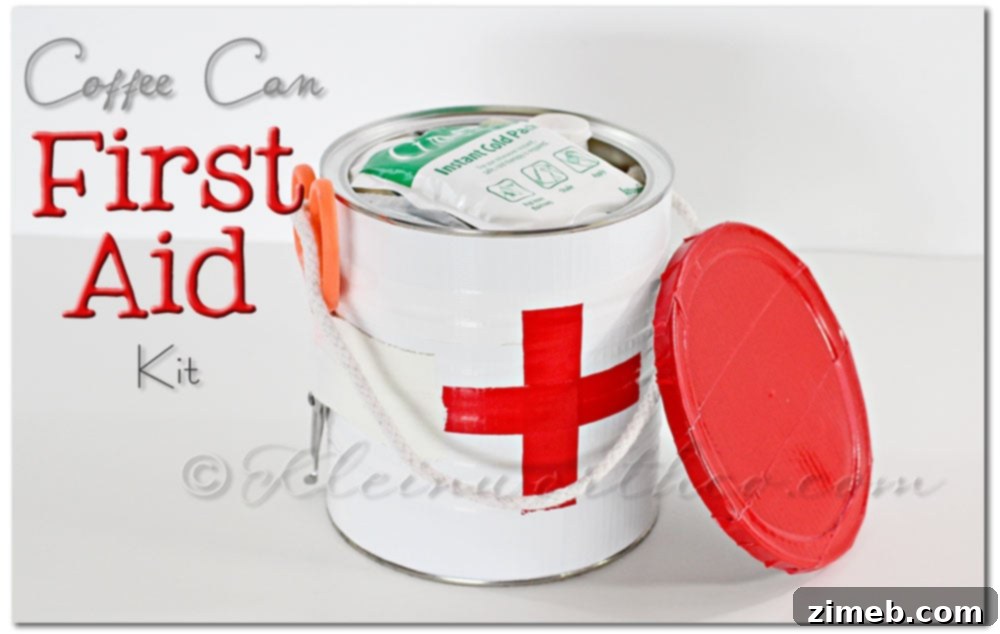
Creating this essential kit is easier than you think. I started by covering my coffee can with simple white and red duct tape. While you could certainly opt for cute, decorative prints, my priority was to make it instantly recognizable. The distinct red and white ensures that anyone who sees it, even in a moment of panic, immediately knows its purpose.
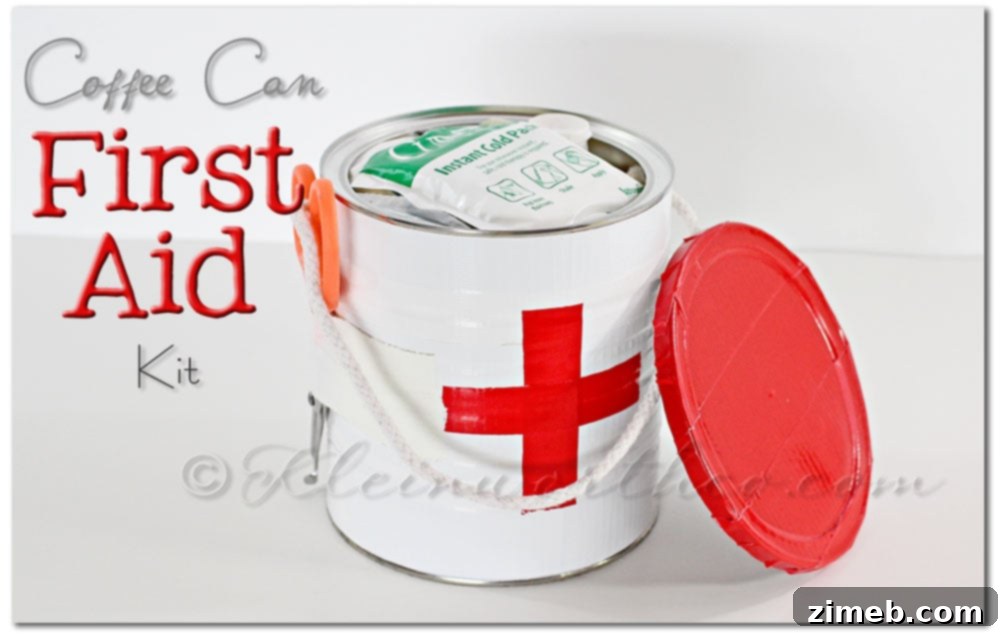
You’ll be amazed at how many vital supplies can fit into this compact little can! The beauty of this DIY approach is its versatility. You can easily make several of these kits for all the different places you might need one. I vividly remember making similar kits as a child in our Girl Scout Troop, thanks to my mom’s guidance. Those kits even featured a rope handle—just drill two holes and thread a sturdy rope through, securing it with knots—making them incredibly convenient to grab and go whenever we headed outdoors for an adventure. This simple design allows for quick access and portability, ensuring you’re always ready, no matter where life takes you.
What Goes Inside Your Essential DIY First Aid Kit?
The key to a truly effective first aid kit isn’t necessarily having every single medical device known to man, but rather having a curated selection of items that address common injuries and minor emergencies. If you take the larger items out of their bulky retail packaging, yes, all these essential things (and more!) will fit efficiently into your DIY First Aid Kit. All these supplies are readily available at your local drug store, supermarket, or through online retailers, making it easy to stock up without breaking the bank.
When it comes to contents, prioritize items you’re most likely to use. I strongly recommend stuffing as many band-aids of various shapes and sizes as you can comfortably fit – these are hands down the most frequently needed and used items in any basic first aid scenario. But don’t stop there. Here’s a more detailed breakdown of what to consider:
Essential First Aid Kit Components:
- Wound Care:
- Assorted adhesive bandages (various sizes, including butterfly closures for deeper cuts)
- Sterile gauze pads (different sizes)
- Roller gauze and medical tape
- Antiseptic wipes or solution (e.g., alcohol pads, hydrogen peroxide)
- Antibiotic ointment (e.g., Neosporin)
- Burn gel or cream
- Cotton swabs
- Pain Relief & Medications:
- Over-the-counter pain relievers (e.g., ibuprofen, acetaminophen)
- Antihistamines for allergic reactions
- Antacids for indigestion
- Any personal prescription medications (e.g., EpiPen if applicable, asthma inhaler) – ensure they are clearly labeled and within their expiration dates.
- Motion sickness medication (if traveling)
- Tools & Miscellaneous Supplies:
- Small scissors (for cutting tape or gauze)
- Tweezers (for splinters or ticks)
- Small thermometer
- Disposable non-latex gloves (at least two pairs)
- CPR breathing barrier/mask
- Hand sanitizer
- Safety pins
- Emergency blanket (compact foil type)
- Small flashlight with extra batteries
- Personal & Other Items:
- Sunscreen and insect repellent (especially for outdoor kits)
- Any specific items for family members (e.g., children’s pain relievers, specific allergy medications).
Strategic Placement and Maintenance: Ensuring Constant Readiness
One kit is a good start, but ultimate preparedness means strategically placing multiple kits. Consider having one in your home (easily accessible, not hidden), one in each of your vehicles, one for your boat or RV, and even smaller, portable versions for backpacks or hiking gear. Each location might necessitate slight variations in contents; for instance, a car kit might include a small jump starter or flares, while a boat kit would certainly need items for seasickness and water-related injuries. Regularly check your kits for expired medications, depleted supplies, or damaged items. A good rule of thumb is to review them at least twice a year, perhaps when you change your clocks for daylight saving time, or before major holiday weekends like Memorial Day.
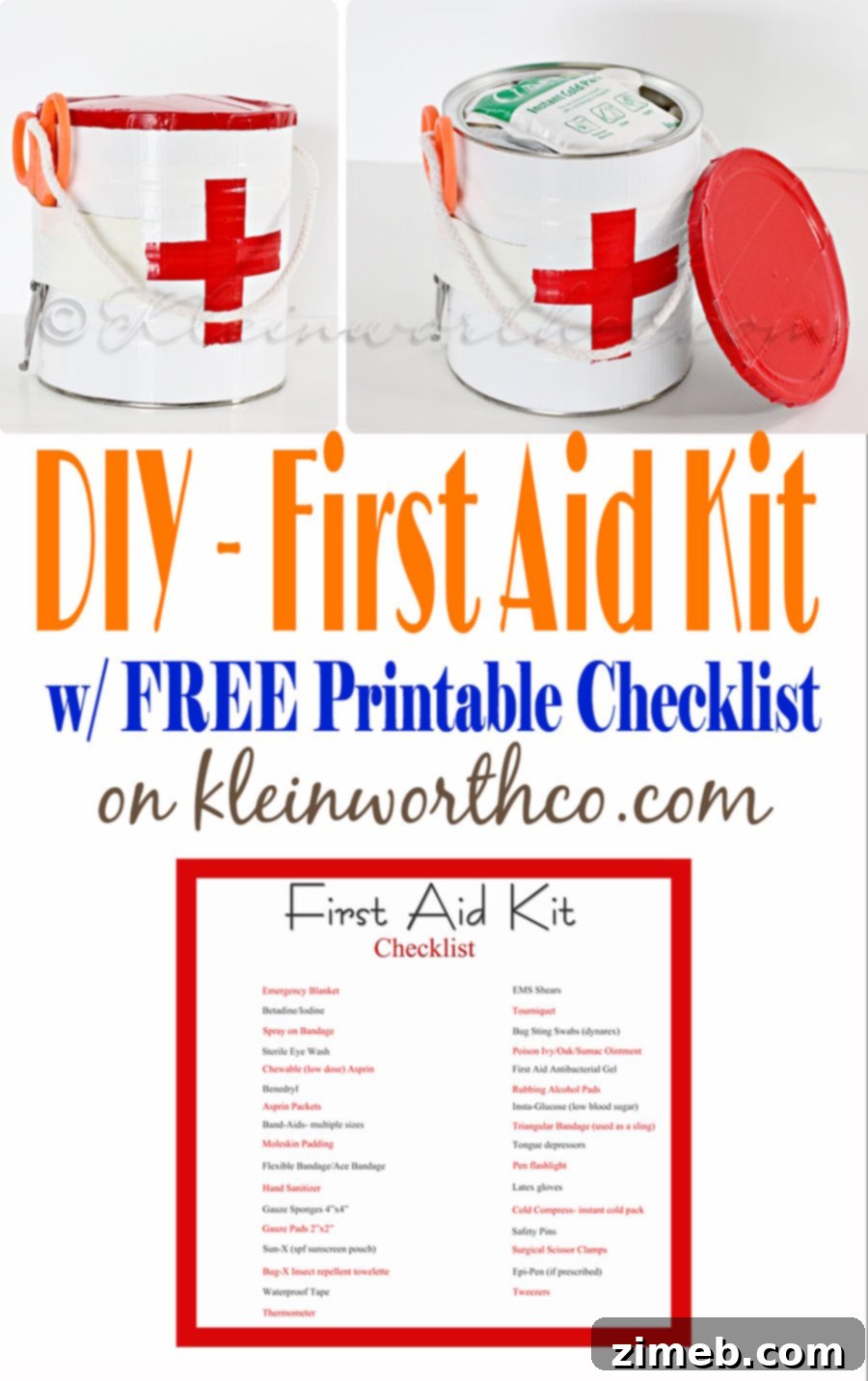
Your Essential Companion: The Free Printable First Aid Kit Checklist
DOWNLOAD YOUR FREE FIRST AID KIT CHECKLIST HERE!
To make stocking your kit as straightforward as possible, I’ve created this handy, quick-reference checklist. You can easily download and print it, then take it with you to the store. It will ensure you don’t forget any crucial items and can confidently build a comprehensive first aid kit tailored to your needs.
Wishing You a Very Safe and Prepared Memorial Day Weekend!
Whether you’re celebrating with family, embarking on an adventure, or simply enjoying the peace of your home, being prepared provides invaluable peace of mind. A well-stocked first aid kit is not just a collection of supplies; it’s a testament to your commitment to safety and well-being, for yourself and your loved ones. Take a few moments this week to assemble your kit, download the checklist, and enjoy your holiday knowing you’re ready for anything. Stay safe and make wonderful memories!