
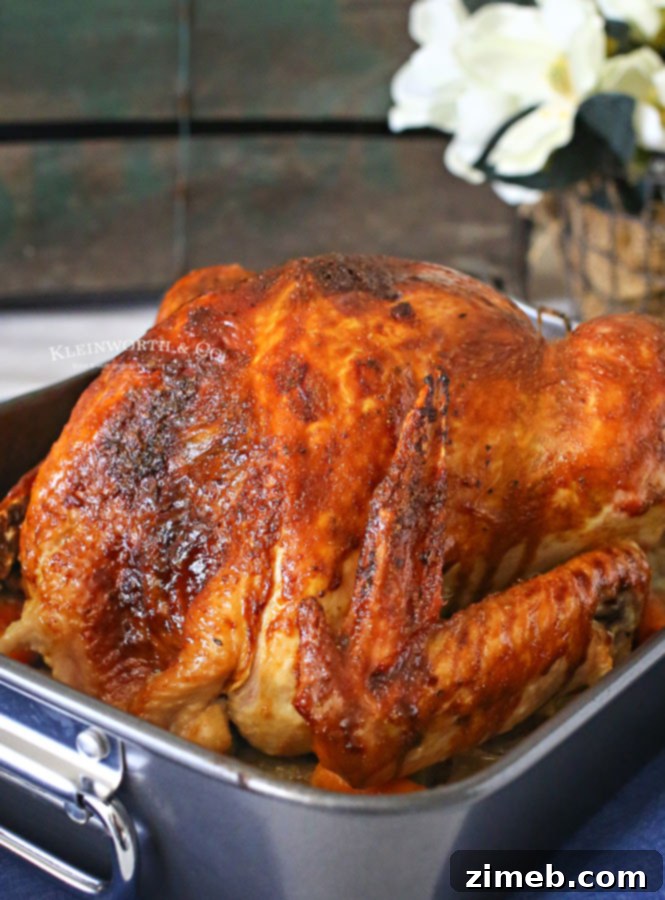
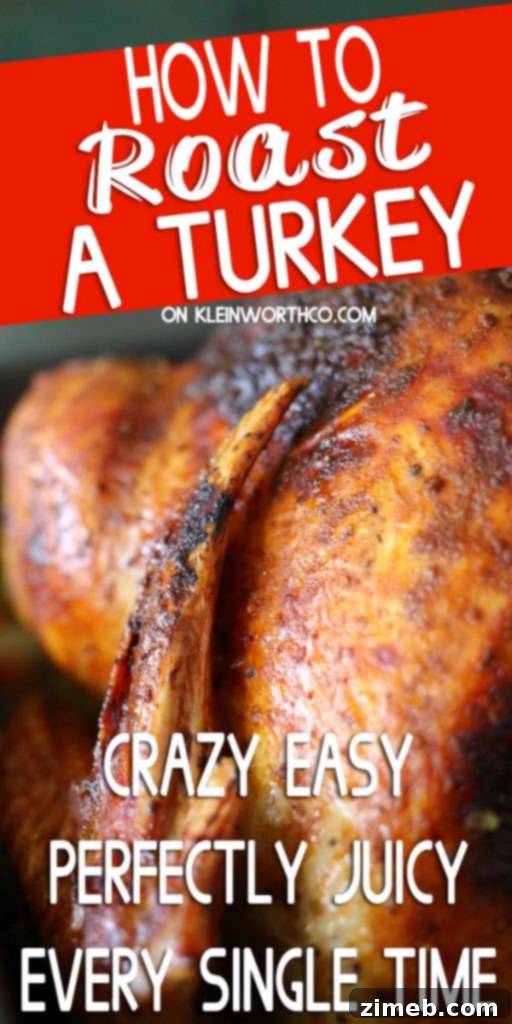
Welcome to the ultimate guide for roasting a turkey that will impress your guests and fill your home with an irresistible aroma. Forget the intimidation and the holiday stress – this easy, simple, and utterly delicious recipe for how to roast a turkey promises perfect results every single time, ensuring your bird is incredibly moist with a beautifully crispy skin. It’s time to transform your holiday feast into a truly memorable culinary experience!
For many, the thought of roasting a turkey conjures images of kitchen chaos and culinary mishaps. Especially when hosting a holiday gathering, the pressure to deliver a delectable bird for a hungry crowd can feel overwhelming. We understand those fears; our own Thanksgivings faced their share of challenges in the early years. From wrestling with a semi-frozen turkey to over-basting that prevented proper cooking due to constantly opening the oven, we’ve learned from every mistake. But after years of trial and error, we finally perfected a method that consistently yields a flawless turkey.
This isn’t just a recipe for Thanksgiving; it’s a foolproof technique that allows you to enjoy a perfectly roasted turkey multiple times a year. Let us guide you through our tried-and-true tutorial, designed to demystify the process and equip you with the confidence to roast a turkey that’s moist, flavorful, and truly spectacular. Say goodbye to dry, bland birds and hello to your new favorite holiday tradition!
Mastering the Art of Roasting a Turkey in the Oven
Creating a magnificent roasted turkey doesn’t require a culinary degree. In fact, it’s quite simple once you understand a few key techniques. The journey to a tender, juicy turkey begins with thoughtful preparation and continues with precise cooking. Here’s how we achieve perfection, ensuring every bite is a testament to flavor and succulence.
Preparing Your Roasting Pan and Aromatics
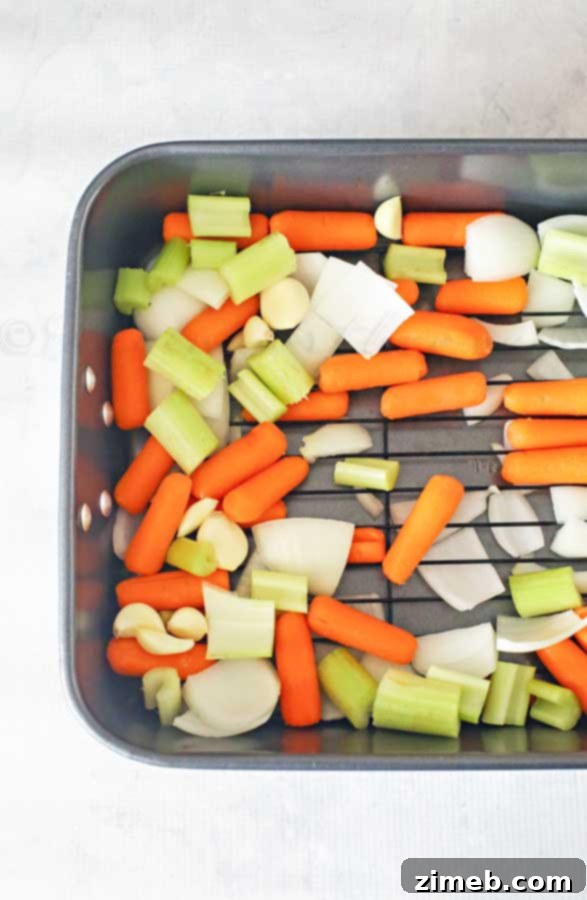
The foundation of a great roast turkey starts with the right equipment and fresh aromatics. Select a sturdy roasting pan, ideally one equipped with an elevated rack. This rack is crucial because it lifts the turkey out of its own drippings, allowing hot air to circulate evenly around the entire bird. This ensures that the bottom doesn’t become soggy and helps achieve that coveted crispy skin all around. If you don’t have one, a basic roasting pan with a rack can be an affordable investment that makes a significant difference, often found for around $10 and capable of holding a turkey up to 15 pounds.
Begin by roughly chopping an assortment of vegetables such as celery, carrots, onion, and garlic. These aren’t just for garnish; they form a fragrant bed at the bottom of your roasting pan. As the turkey cooks, its juices will mingle with these vegetables and the added chicken broth, creating an incredibly flavorful base for gravy and keeping the air around the turkey moist. Distribute most of these chopped aromatics on the bottom of the pan, directly beneath where the turkey will rest on the rack.
Preparing the Turkey for Roasting
Before placing the turkey in the pan, ensure it is completely thawed. Remove any giblets, the neck, and the gravy packet from the cavity. There’s no need to rinse the turkey; modern culinary science strongly advises against it. Rinsing poultry under a faucet can spread harmful bacteria like salmonella to other surfaces in your kitchen, increasing the risk of cross-contamination. Any bacteria on the surface of the turkey will be thoroughly cooked off at the correct internal temperature. Leave the tie on the legs, as it helps the turkey hold its shape, promoting more even cooking and a beautiful presentation.
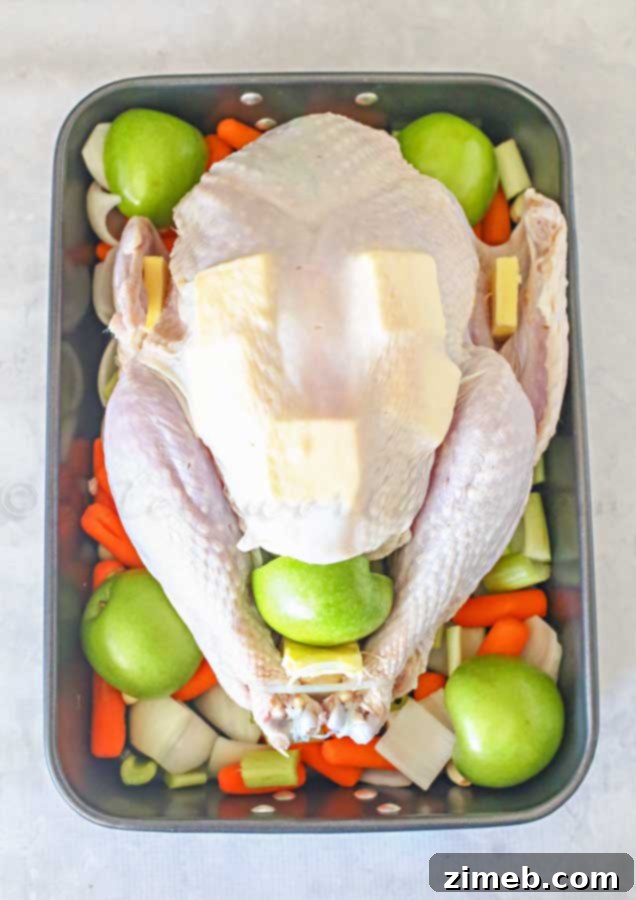
Next, stuff the remaining chopped vegetables, along with one or two apples cut in half, into the turkey’s cavity. These internal aromatics will infuse the meat with subtle flavors as it roasts, contributing to an overall richer taste. While these veggies offer fantastic flavor, it’s important to remember that any stuffing cooked inside a raw bird should not be eaten due to food safety concerns. Focus on flavor, not consumption, for the cavity contents.
For that irresistible crispy skin and supremely moist meat, incorporate butter directly under the skin. Gently lift the skin away from the breast and slide small pats of butter underneath. This layer of fat melts slowly, basting the meat from the inside, ensuring tenderness while helping the skin achieve a beautiful golden-brown crispness that’s truly delectable.
Achieving the Perfect Turkey: Cooking and Glazing
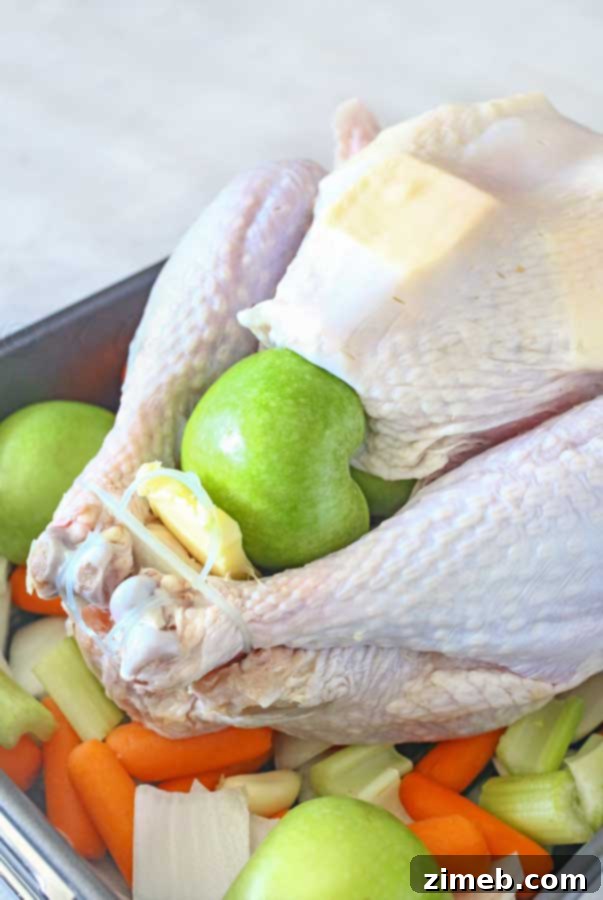
The addition of apples, both inside and around the turkey, imparts a wonderful, subtly sweet and aromatic flavor profile that complements the savory richness of the bird beautifully. These fruits caramelize slightly, adding depth and complexity to the pan drippings.
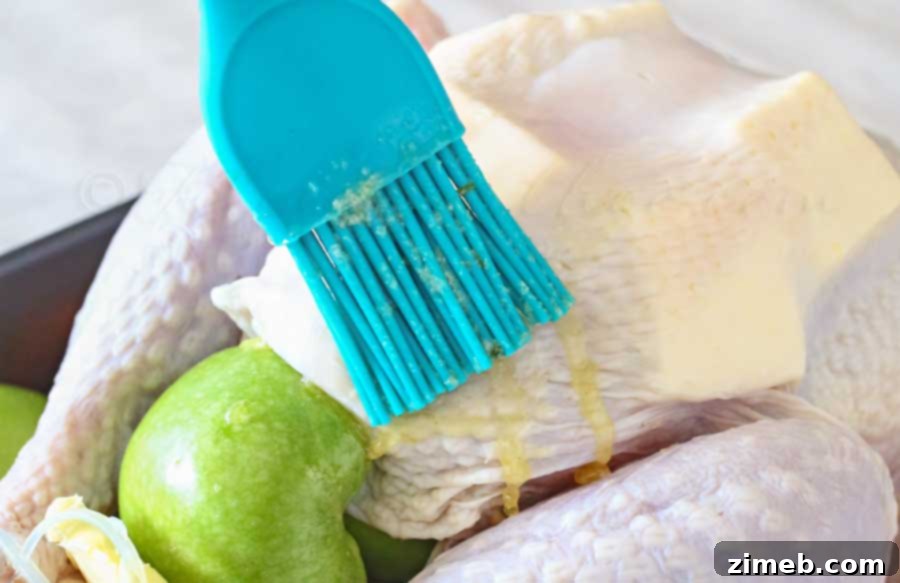
The Secret to Deep Flavor: Compound Butter
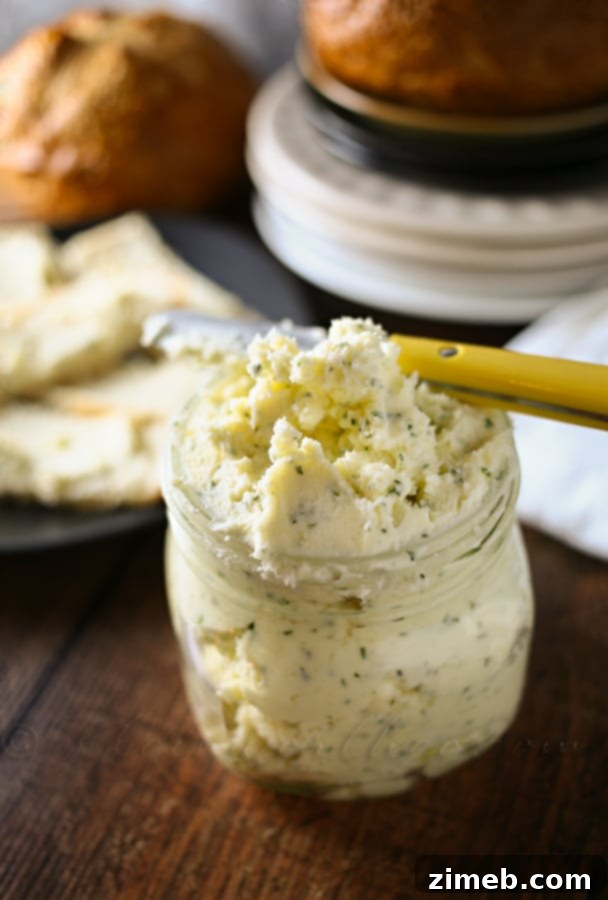
One of our favorite steps is brushing the entire turkey with melted compound butter, such as a rich Italian Garlic Butter. This generous coating infuses the skin with incredible flavor and helps it crisp up beautifully. We avoid adding other dry seasonings at this initial stage, as they can sometimes burn at high temperatures, creating an unpleasant bitterness. The compound butter provides all the foundational seasoning needed.
Pour chicken stock into the bottom of the pan with the vegetables. This liquid is essential for preventing the drippings from burning, adding moisture to the oven environment, and providing a fantastic base for gravy. Begin roasting the turkey uncovered in a preheated oven at 425 degrees Fahrenheit for the first 30 minutes. This initial high-heat blast helps to achieve a beautiful golden-brown color and starts the crisping process of the skin.
After 30 minutes, remove the turkey from the oven, baste it generously with the pan drippings, and then tent it loosely with aluminum foil. Reduce the oven temperature to 375 degrees Fahrenheit and return the turkey to continue cooking. Basting every 40-45 minutes helps keep the skin moist and promotes even browning, but avoid opening the oven too frequently, as this can significantly extend the cooking time and dry out the bird.
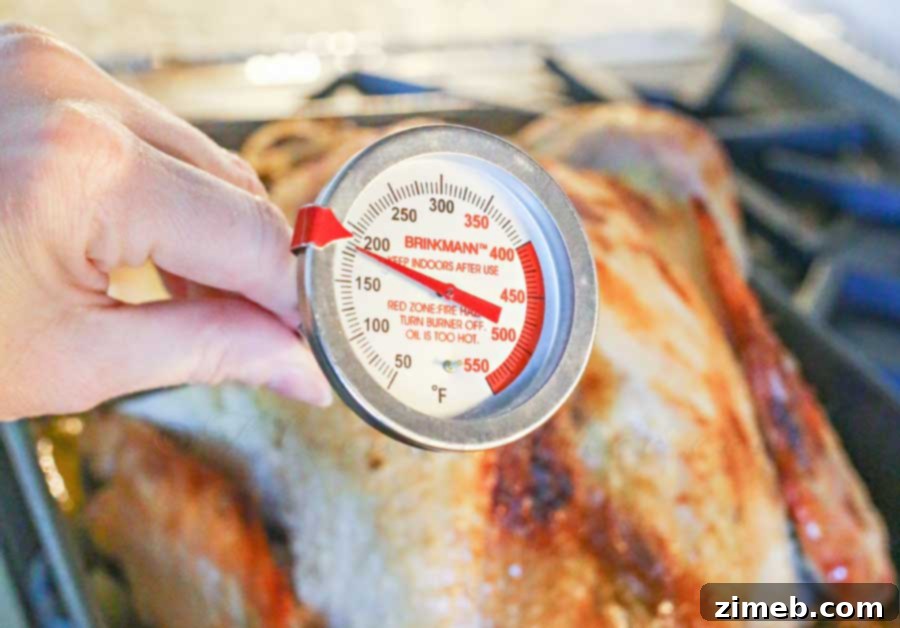
Checking Temperature and Applying the Glaze
The total roasting time will vary depending on the size of your turkey, generally around 15 minutes per pound for an unstuffed bird. Always refer to the turkey label for specific cooking time guidelines. The most critical step in ensuring a safe and delicious turkey is checking its internal temperature with a reliable meat thermometer. About 30-45 minutes before the estimated end of cooking time, insert the thermometer into the thickest part of the thigh, making sure it doesn’t touch any bone. The turkey is done when it reaches a minimum internal temperature of 165 degrees Fahrenheit (74 degrees Celsius).
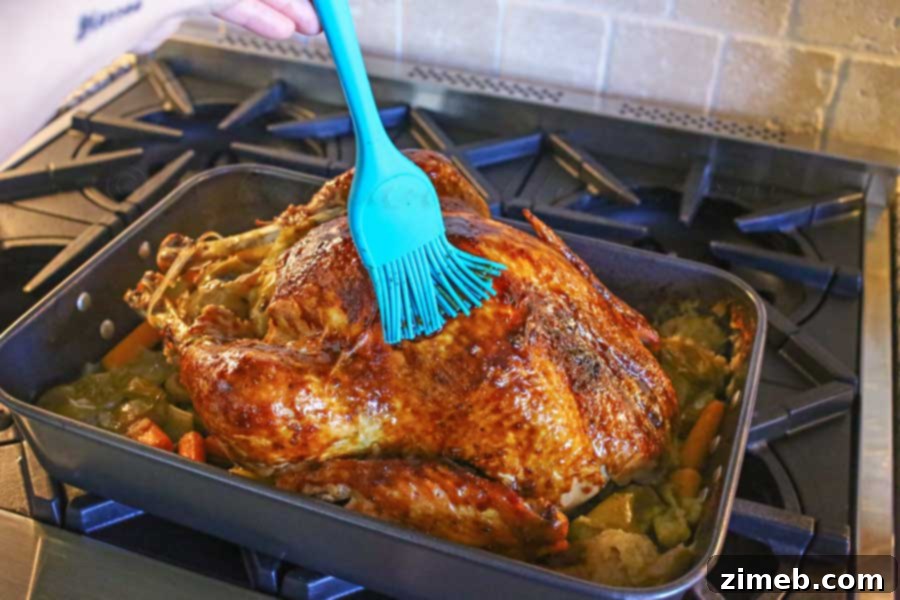
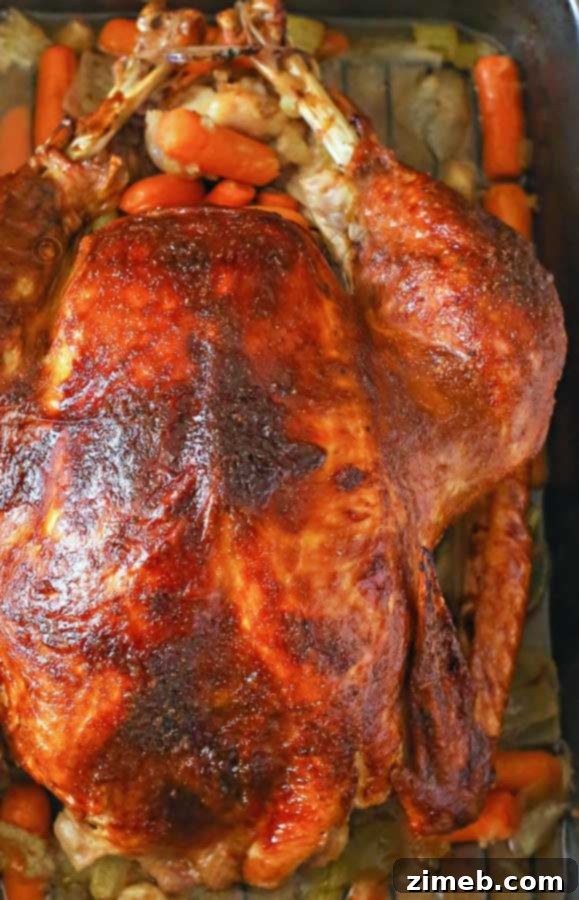
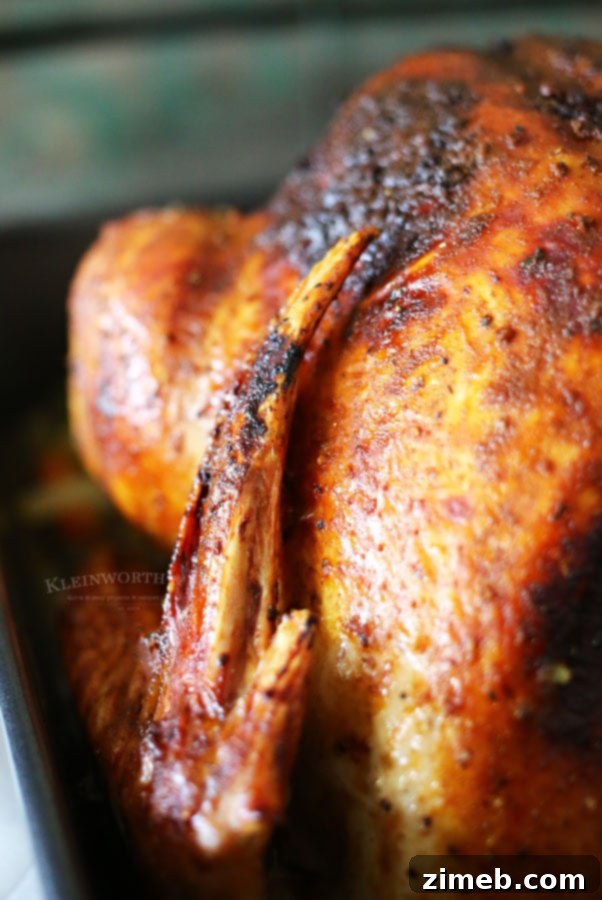
Once your turkey reaches the safe internal temperature, it’s time for the final, show-stopping touch: the glaze. In a small bowl, whisk together the glaze ingredients – molasses, Dijon mustard, granulated garlic, black pepper, and kosher salt. This blend creates a sweet and savory coating that will give your turkey a beautiful, rich color and an incredible depth of flavor. Generously brush the glaze over the entire turkey, then return it to the oven, uncovered, for an additional 15 minutes. This final burst of heat allows the glaze to set and caramelize, further crisping the skin to perfection.
The Importance of Resting
After roasting, the most crucial step often overlooked is letting the turkey rest. Remove the turkey from the oven and transfer it to a large cutting board. Tent it loosely with foil and allow it to rest for 10 to 20 minutes before carving. This resting period is essential: it allows the juices, which have been driven to the center of the bird during cooking, to redistribute throughout the meat. The result is a turkey that is incredibly moist, tender, and flavorful. Carving too soon will cause the juices to run out, leading to a drier bird. Patience is truly a virtue here, yielding a turkey that your guests will swoon over!
Perfect Pairings: Essential Side Dishes for Your Roasted Turkey
No holiday turkey is complete without an array of delicious side dishes to complement its rich flavors. These recipes are carefully selected to create a balanced and unforgettable feast.
- Homemade Turkey Gravy
- Creamy Smashed Potatoes
- Easy Homemade Cranberry Sauce
- Elegant Duchess Potatoes
- Bacon and Garlic Green Beans
- Fluffy One-Hour Dinner Rolls
- Slow Cooker Sweet Potatoes
- Loaded Green Bean Casserole
- Traditional Deviled Eggs
- Flavorful Easy Sausage Stuffing
- Hearty Roasted Fall Vegetables
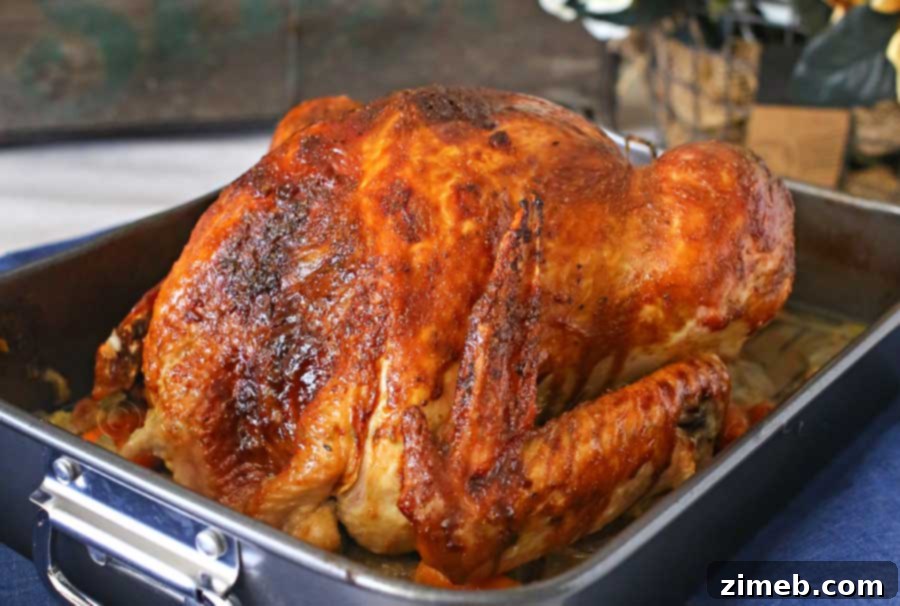
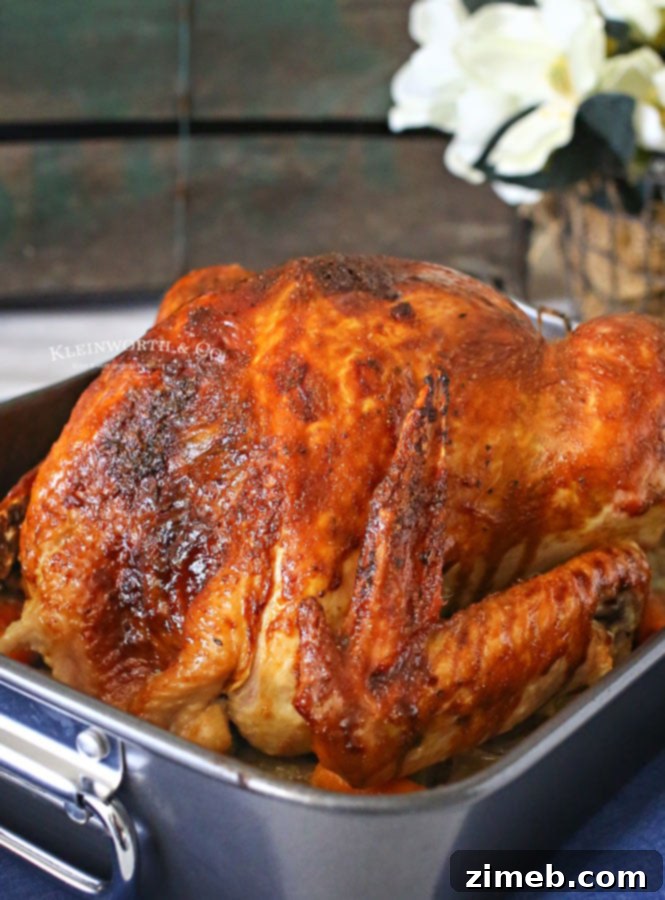
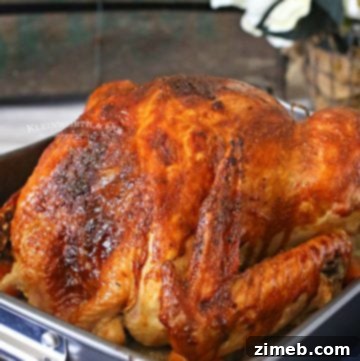
Once your glaze is perfectly set and shimmering, your magnificent roasted turkey is ready to be presented. See? It truly is easy! You have all the tools and knowledge to conquer this holiday classic and delight everyone at your table!
Frequently Asked Questions About Roasting Turkey
How many people can a roasted turkey serve?
The number of servings truly depends on the size of your turkey and the appetites of your guests. As a general guideline, plan for about 1.5 pounds of turkey per person if you want to ensure plenty of leftovers (which we highly recommend!). If you prefer less leftover meat, aim for about 1 pound per person. For example, a 15-pound bird, like the one we often prepare, generously feeds our family of five adults for several days, providing ample meat for sandwiches, soups, and other delicious post-holiday meals.
How long does it take to cook a turkey?
For an unstuffed turkey, like the one prepared in this recipe, a good rule of thumb is approximately 15 minutes per pound when roasting at 375 degrees Fahrenheit. However, remember that cooking times can vary based on your oven’s calibration and the turkey’s exact starting temperature. Since we begin with a higher temperature roast for the first 30 minutes, it’s crucial to closely monitor the internal temperature towards the end of the recommended cooking time to avoid overcooking. Always rely on a meat thermometer to confirm doneness, aiming for 165°F (74°C) in the thickest part of the thigh.

Why shouldn’t I rinse the turkey before cooking?
While many people were traditionally taught to rinse poultry before cooking, most modern food safety guidelines, including those from leading culinary schools and health organizations, now strongly advise against it. Rinsing raw turkey under running water can cause harmful bacteria, such as salmonella, to splash onto your sink, countertops, and other kitchen surfaces. This creates a risk of cross-contamination that is far greater than any perceived benefit of rinsing. Since you can’t effectively wash off bacteria with just water (you wouldn’t just rinse your hands after touching raw poultry; you’d use soap vigorously), and you shouldn’t use soap on your turkey, rinsing is simply ineffective and potentially dangerous. The high heat of the oven during proper cooking will effectively kill any bacteria present, as long as the turkey reaches the recommended internal temperature of 165°F (74°C).
What kind of roasting pan is best for turkey?
A heavy-duty roasting pan is ideal for a turkey as it ensures even heat distribution and durability under the bird’s weight. Look for one made of stainless steel or enameled cast iron. The most important feature is a sturdy V-rack or flat rack, which elevates the turkey, allowing air to circulate and drippings to collect for gravy, preventing a soggy bottom. A rack also makes it easier to lift the cooked bird out of the pan. Many affordable options are available that can comfortably accommodate a 12-18 pound turkey.
How do I safely thaw a frozen turkey?
The safest way to thaw a turkey is in the refrigerator. Allow approximately 24 hours of thawing time for every 4-5 pounds of turkey. Place the wrapped turkey on a tray or in a pan to catch any drips and prevent cross-contamination. For a quicker thaw, you can submerge the turkey (still in its original wrapping) in a sink or large container of cold water, changing the water every 30 minutes. This method requires about 30 minutes per pound. Never thaw a turkey at room temperature, as this can encourage bacterial growth.
With these tips and our simple recipe, you are fully equipped to confidently roast a magnificent turkey and truly rock your Thanksgiving or any festive meal!
What is the best way to store leftover turkey?
To keep your leftover turkey fresh and safe, promptly carve any remaining meat from the bones once it has cooled slightly. Place the turkey meat in shallow, airtight containers and refrigerate within two hours of serving. Stored properly, cooked turkey will remain delicious for up to 3-4 days in the refrigerator. For longer storage, you can freeze carved turkey meat in airtight freezer-safe bags or containers for up to 3 months.
How long is cooked turkey good for?
Provided that the cooked turkey was not left at room temperature for longer than one hour after serving, it is safe to consume for 3-4 days when stored in an airtight container in the refrigerator. Freezing extends its shelf life significantly; cooked turkey can be safely stored in the freezer for up to 3 months. Always ensure your containers are truly airtight to prevent freezer burn and maintain quality.
Key Ingredients for Your Perfect Roasted Turkey
Gathering the right ingredients is the first step to a truly memorable roasted turkey. Here’s what you’ll need to create this simple yet spectacular holiday centerpiece:
- Turkey: Ensure it’s fully thawed before starting.
- Celery: Freshly chopped for aromatic depth.
- Onion: Chopped for a sweet and savory base.
- Carrots: Peeled and chopped, adding natural sweetness.
- Garlic: Whole peeled cloves for robust flavor.
- Apples: Halved, contributing subtle fruitiness and moisture.
- Chicken Broth: For the roasting pan, to keep things moist and create flavorful drippings.
- Butter: Divided for both under the skin and for basting.
- Compound Butter: Such as Italian Garlic Butter, for an extra layer of gourmet flavor and a golden finish.
- Molasses: The star of our glaze, providing sweetness and a rich color.
- Dijon Mustard: Adds a tangy depth to the glaze.
- Granulated Garlic: For an even garlic punch in the glaze.
- Black Pepper: Freshly ground for best flavor.
- Kosher Salt: Essential for seasoning the bird and balancing flavors.
Crafting a Deliciously Moist Turkey Every Time
The secret to a moist turkey lies in a combination of techniques: adequate fat (butter under the skin), proper initial high-heat searing followed by covered roasting, consistent basting, and most importantly, precise temperature monitoring to prevent overcooking. Additionally, allowing the turkey to rest after it comes out of the oven is paramount for the redistribution of juices, ensuring every slice is succulent and tender.
Recommended Products for Your Perfect Roasted Turkey
This roast turkey recipe is designed to be incredibly easy and delicious. Whether you’re a seasoned holiday cook or trying your hand at roasting a turkey for the first time, having the right tools can make all the difference. Here’s a list of items we absolutely rely on when making this turkey recipe, ensuring a smooth and successful cooking experience:
- Heavy-Duty Aluminum Foil: Essential for tenting the turkey and keeping it moist during the main roasting phase.
- Reliable Cooking Thermometer: Your best friend for ensuring the turkey is cooked to the perfect internal temperature for safety and doneness.
- Whisk: For smoothly combining your glaze ingredients and preparing gravy.
- Large Cutting Board: Provides a stable surface for carving your turkey after it rests.
- Sharp Knives: A good carving knife set is crucial for easily portioning your beautifully roasted bird.
Complement your turkey with this truly irresistible side dish:
Check out this recipe

If you adore this Easy Roasted Turkey recipe, you’ll also cherish these other holiday favorites. Click each link below to discover more easy, printable recipes perfect for your festive table!
Homemade Italian Garlic Butter
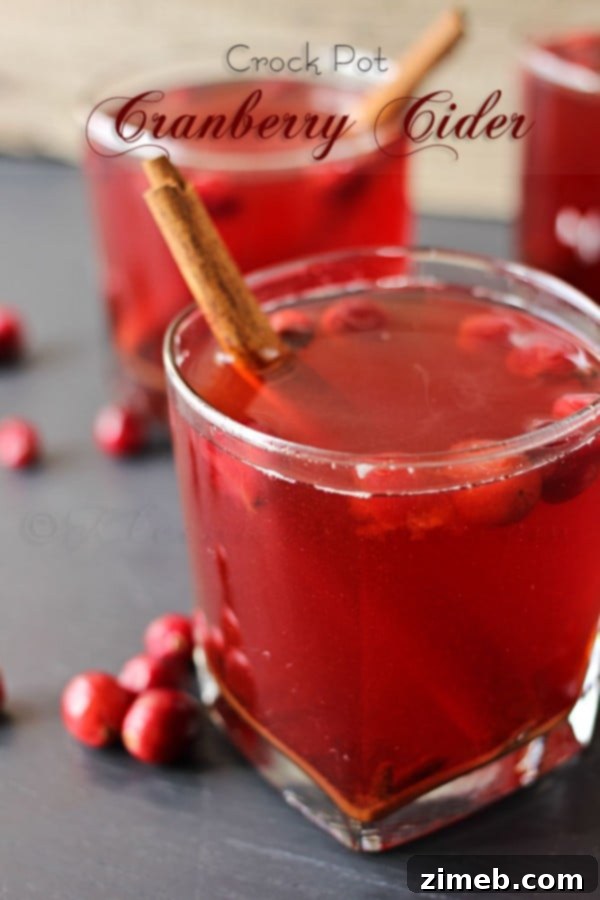
Warm Crock Pot Cranberry Cider
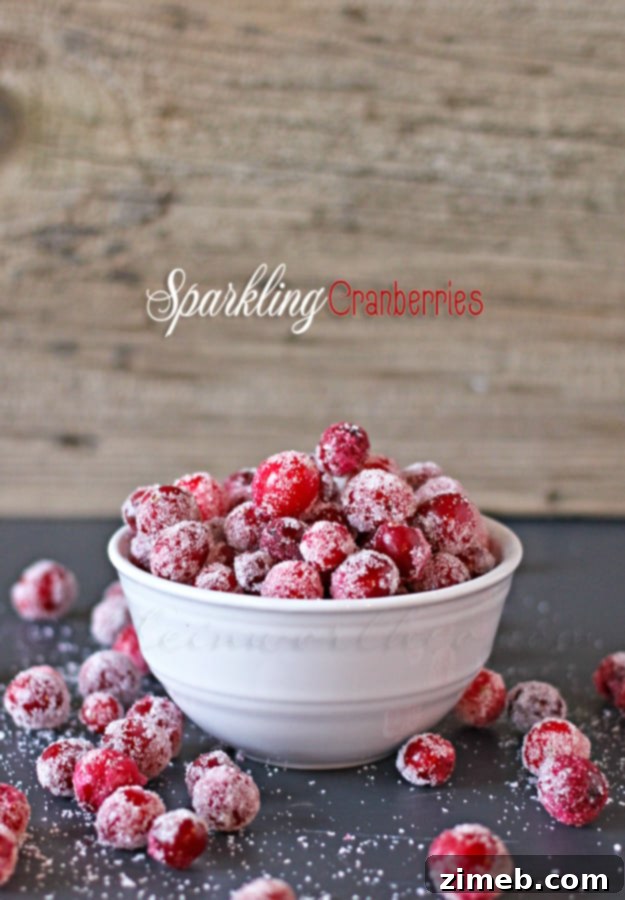
Festive Sparkling Cranberries
Effortlessly Bake a Delicious Turkey
We are confident that this recipe for Roasted Turkey will become a cherished part of your holiday traditions. If you love it as much as we do, please take a moment to leave a five-star review below. Your feedback helps us grow and share these wonderful recipes with even more home cooks! And don’t forget to help us spread the joy by sharing this recipe on Facebook and Pinterest.
CONNECT WITH YUMMI HAUS!
Be sure to follow me on my social media, so you never miss a post!
Substack, Facebook, Pinterest, Instagram, Email Subscription
Rate this Recipe
Perfect Roast Turkey
Ingredients
- 1 turkey – thawed
- 5-6 stalks celery- chopped
- ½ onion – chopped
- 4-5 carrots- peeled & chopped
- 2 head garlic- peeled
- 2-3 apples
- 2 cups chicken broth
- 6 tbsp butter – divided
- 3 tbsp compound butter such as Italian Garlic Butter
Glaze
- 1 cup molasses
- 2 tbsp Dijon mustard
- 1 tbsp granulated garlic
- 3 tsp black pepper
- 2 tsp kosher salt
Instructions
-
Preheat the oven to 425 degrees Fahrenheit.
-
Chop celery, carrots, onion, & garlic. Add most of them to the bottom of your roasting pan. Ensure you use a roasting pan with an elevated rack to keep the turkey above the liquid.
-
Prepare the turkey by removing internal items (neck, giblets, gravy packet). Leave the legs tied to help maintain shape. (Do not rinse the turkey; proper cooking kills bacteria.)
-
Place the turkey in the prepared pan and stuff the remaining vegetables and one apple (cut in half) inside the turkey cavity.
-
Arrange the remaining apples (also cut in half) around the outside of the turkey in the pan.
-
Cut butter into 1 tbsp pats. Carefully lift the turkey skin from the breast meat and slide the butter pats in between the skin and meat.
-
Pour the chicken stock into the bottom of the roasting pan.
-
Melt the compound butter and brush it generously over the entire turkey.
-
Roast the turkey in the preheated oven, uncovered, for 30 minutes.
-
Remove the turkey, baste it, then tent it loosely with foil before returning it to the oven.
Reduced Heat Roasting & Glazing
-
Reduce the oven heat to 375 degrees Fahrenheit. Continue roasting for an additional 2 to 2½ hours (depending on turkey size), basting every 40-45 minutes. (Approximate total cooking time: 15 minutes per pound.)
-
Check the internal temperature during the last 30 minutes of cooking. Once the thickest part of the thigh reaches a minimum of 165 degrees Fahrenheit, the turkey is ready for the glaze.
-
Whisk together all glaze ingredients in a small bowl until well combined.
-
Brush the prepared glaze generously over the entire turkey. Return the turkey to the oven, uncovered, and cook for an additional 15 minutes to set the glaze and crisp the skin.
-
Remove the turkey from the oven and let it rest, tented loosely with foil, for 10-20 minutes before carving. This is crucial for a juicy bird.
Nutritional information for the recipe is provided as a courtesy and is approximate. Please double-check with your own dietary calculator for the best accuracy. We at Yummi Haus cannot guarantee the accuracy of the nutritional information given for any recipe on this site.