
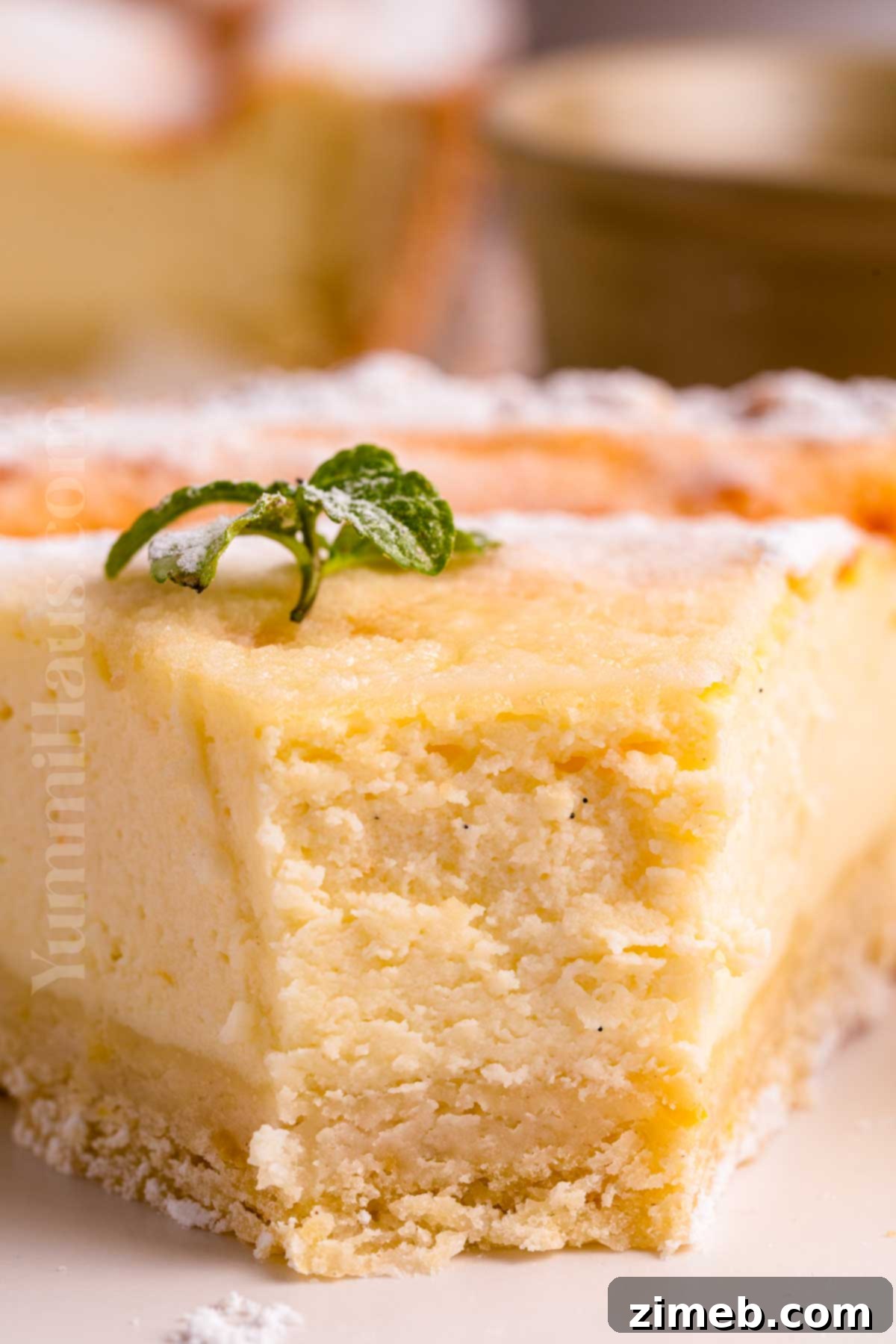
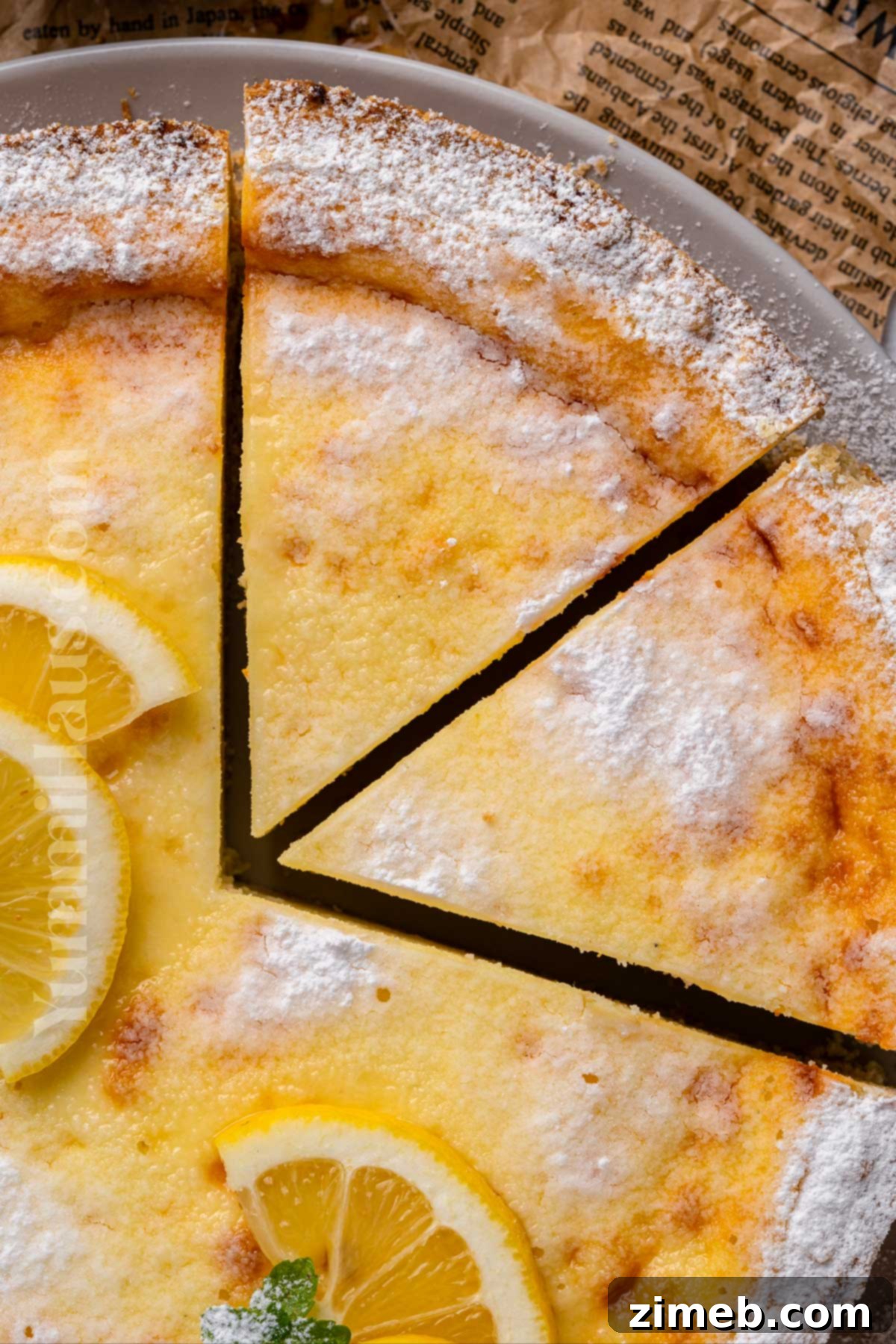
Prepare to indulge in the ultimate comfort dessert: a heavenly homemade ricotta pie that effortlessly blends tradition with irresistible flavor. This isn’t just any pie; it’s a testament to classic Italian baking, featuring a rich, buttery crust infused with fragrant lemon zest, perfectly cradling a luscious, creamy ricotta filling. Every bite offers a delicate balance of sweet, tangy, and subtly spiced notes, making it a dessert that feels both comforting and exquisitely special.
My secret to crafting a truly exceptional ricotta pie lies in respecting its Italian heritage. We’ll ditch the baking powder for a truly traditional sweet crust dough, known as pasta frolla, made from scratch. This approach ensures an authentic, melt-in-your-mouth texture that store-bought crusts simply can’t replicate. To achieve that signature silky-smooth yet subtly grainy ricotta filling, we enhance fresh ricotta cheese with a careful balance of heavy cream and eggs, creating a truly unforgettable dessert experience.
Gina’s Recipe Rundown:
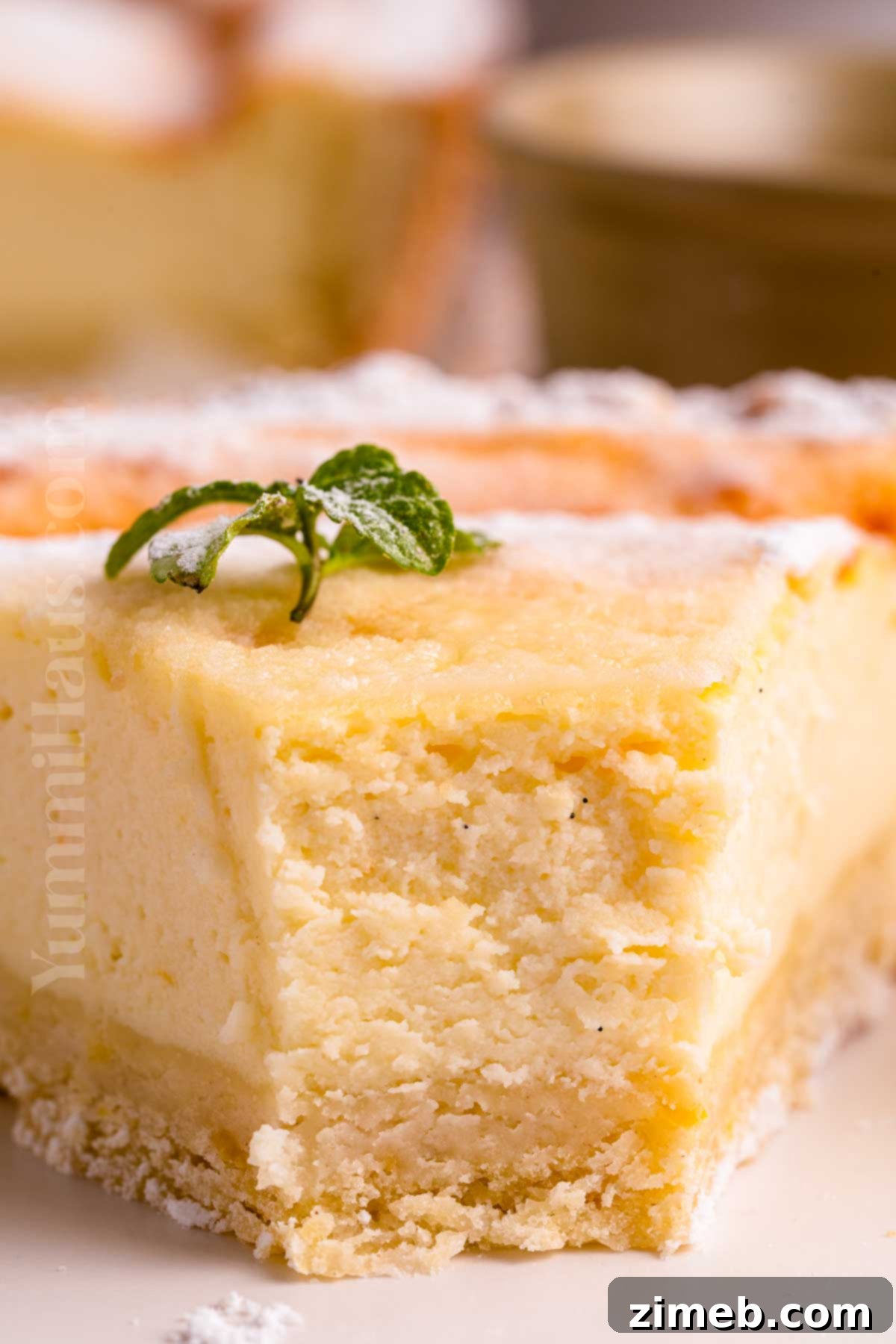
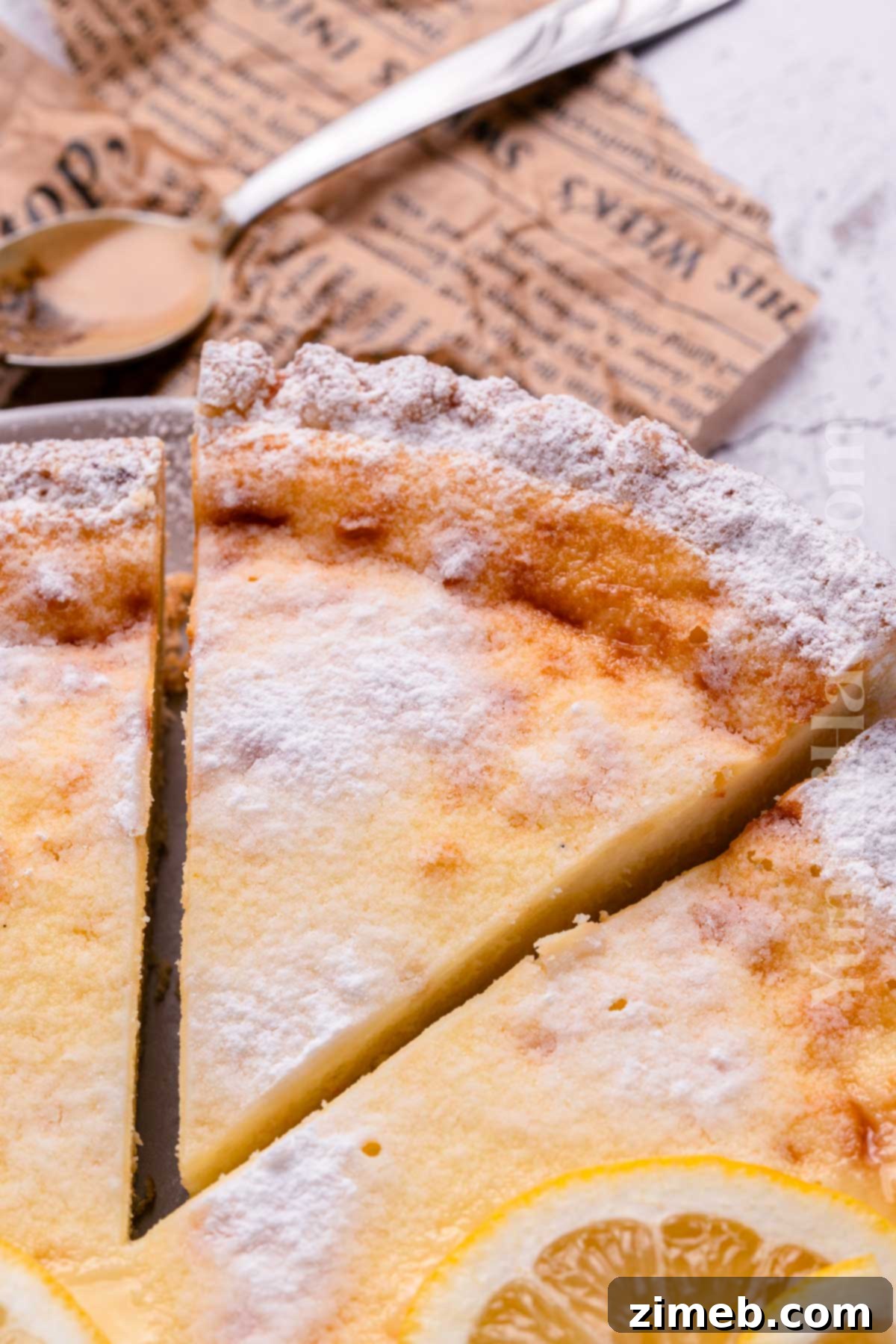
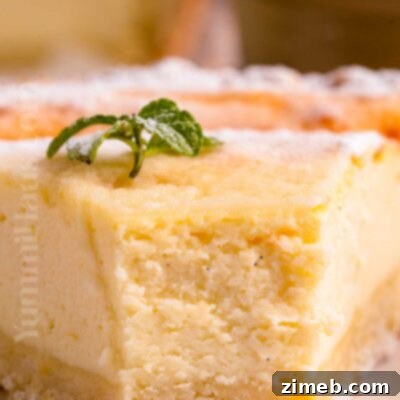
Texture: Imagine the sophisticated richness of a custard pie, but with the delightful, characteristic graininess that only fresh ricotta cheese can provide. This pie stands tall and proud, offering a fluffy, incredibly rich, and substantial texture that is utterly satisfying. It’s a culinary hug in every slice, designed to be both comforting and elegant.
Taste: This sweet pie is a symphony of harmonious flavors. It masterfully combines the creamy essence of full-fat ricotta cheese with the bright, citrusy notes of both lemon and orange zest. A hint of pure vanilla extract adds warmth and depth, while the homemade buttery crust provides a comforting, satisfying mouthfeel. It’s a perfectly balanced dessert—never overly sweet, ensuring no single flavor overpowers another, allowing each component to shine.
Ease: Don’t let its sophisticated appearance fool you; this ricotta pie is remarkably beginner-friendly. The process involves simply combining the ingredients, preparing the filling, and assembling. Once everything is in the pan, your oven takes over, handling all the heavy lifting. This makes it an ideal recipe for anyone looking to create an impressive dessert without complicated techniques.
Why I Love it: There’s a timeless charm to this ricotta pie, reminiscent of a treasured family recipe lovingly passed down through generations and perhaps even scribbled in Grandma’s old cookbook. It’s a dish that evokes a sense of nostalgia and warmth. I especially adore baking it on sunny weekends in spring, celebrating the season with its fresh, vibrant flavors and comforting presence.
Ricotta is a truly versatile ingredient, and I find immense joy in incorporating it into a wide array of sweet and savory dishes. From the delicate simplicity of homemade ricotta cookies to the luxurious moisture it imparts in an extra-rich chocolate ricotta cake, its creamy texture and mild flavor are transformative. It stands out as an exceptional choice for Easter desserts, much like my delightful and easy Easter bark, bringing a touch of authentic Italian tradition to any festive table.
- Gina’s Recipe Rundown:
- What Is Classic Italian Ricotta Pie?
- Why You’ll Love This Recipe
- Ingredients Notes
- Kitchen Equipment
- How To Make Ricotta Pie Recipe
- Storage
- Substitutions & Variations
- Expert Tips To Make The Best Ricotta Cheese Pie
- Popular Questions
What Is Classic Italian Ricotta Pie?
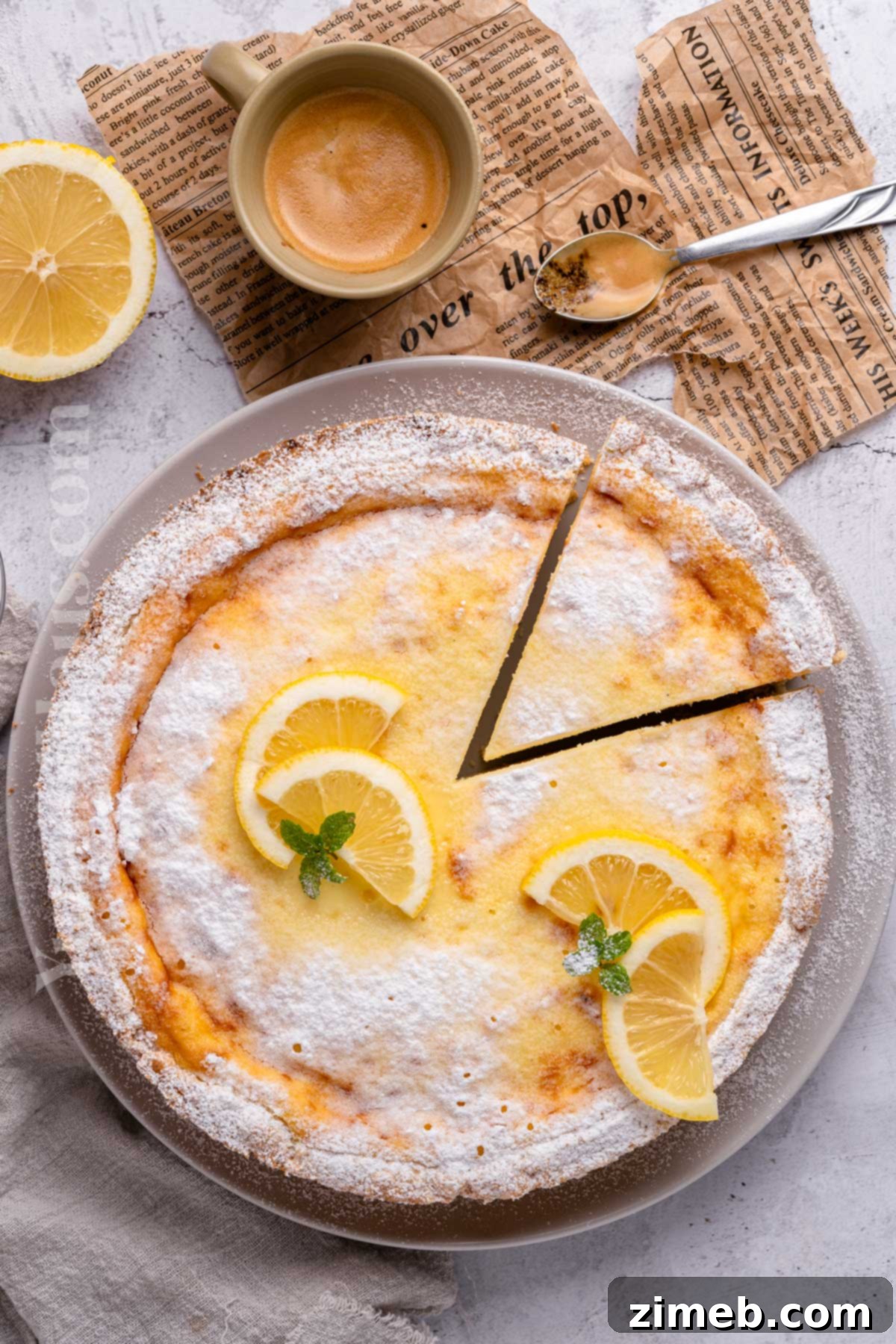
Classic Italian Ricotta Pie, known in Italian as “Crostata di Ricotta,” is a beloved and traditional dessert with roots deeply embedded in Italian culinary culture. It’s especially cherished and often prepared for significant holidays like Easter and Christmas, symbolizing celebration and togetherness. While often referred to as a pie, its structure and filling give it a unique character, distinct from many American-style pies or cheesecakes.
Typically, this exquisite dessert is baked in a deep-dish pie pan, allowing for a generous layer of its signature creamy ricotta filling. The star of the show, beyond the filling, is its distinctive pie crust, known as pasta frolla. This crumbly, buttery sweet shortcrust dough is what truly sets an Italian ricotta pie apart. Unlike many contemporary pie crusts, authentic pasta frolla traditionally does not rely on leavening agents like baking powder or baking soda. Its perfection lies in its simplicity and the quality of its ingredients.
A crucial and traditional Italian twist to this pie crust is the inclusion of fresh lemon zest. This bright, aromatic element infuses the dough with a delicate citrus fragrance that perfectly complements the rich ricotta filling. The result is a beautifully balanced dessert where the crisp, slightly crumbly texture of the pasta frolla contrasts wonderfully with the smooth, subtly grainy, and rich ricotta filling, creating an experience that is authentically Italian and utterly delicious.
Why You’ll Love This Recipe
This authentic Ricotta Pie recipe is destined to become a cherished favorite in your kitchen. Here’s why you’ll fall in love with it:
- Truly Homemade Excellence: Every component, from the buttery, lemon-infused crust to the velvety ricotta filling, is made from scratch. This commitment to homemade quality delivers an ultimate flavor and texture that rivals any exquisite pie from a traditional Italian bakery. Forget bland, store-bought pie crusts—this recipe celebrates the art of real baking.
- Simple, Wholesome Ingredients: Despite its impressive taste, this recipe remarkably calls for only 9 simple, readily available ingredients. You won’t need to hunt for obscure items, making it an accessible and enjoyable baking project for anyone.
- Perfect for Planning Ahead: Life gets busy, but delicious desserts don’t have to be a last-minute stressor. This ricotta pie is excellent for making ahead; you can fully assemble and bake it a day in advance, allowing the flavors to meld beautifully and the texture to firm up perfectly.
- Impressive Presentation, Effortless Execution: While it looks sophisticated and elegant, the process is surprisingly straightforward, making it perfect for both novice bakers and seasoned pros. You’ll impress your guests with minimal fuss.
- Customizable to Your Liking: The recipe offers a fantastic base for creativity. Whether you want to add chocolate chips, different citrus zests, or a splash of liqueur, it’s easily adaptable to suit your personal taste or occasion.
- A Taste of Italian Tradition: More than just a dessert, this pie embodies the warmth and comfort of Italian family traditions. It’s a culinary journey that brings a piece of Italy right into your home, perfect for sharing and creating new memories.
Ingredients Notes
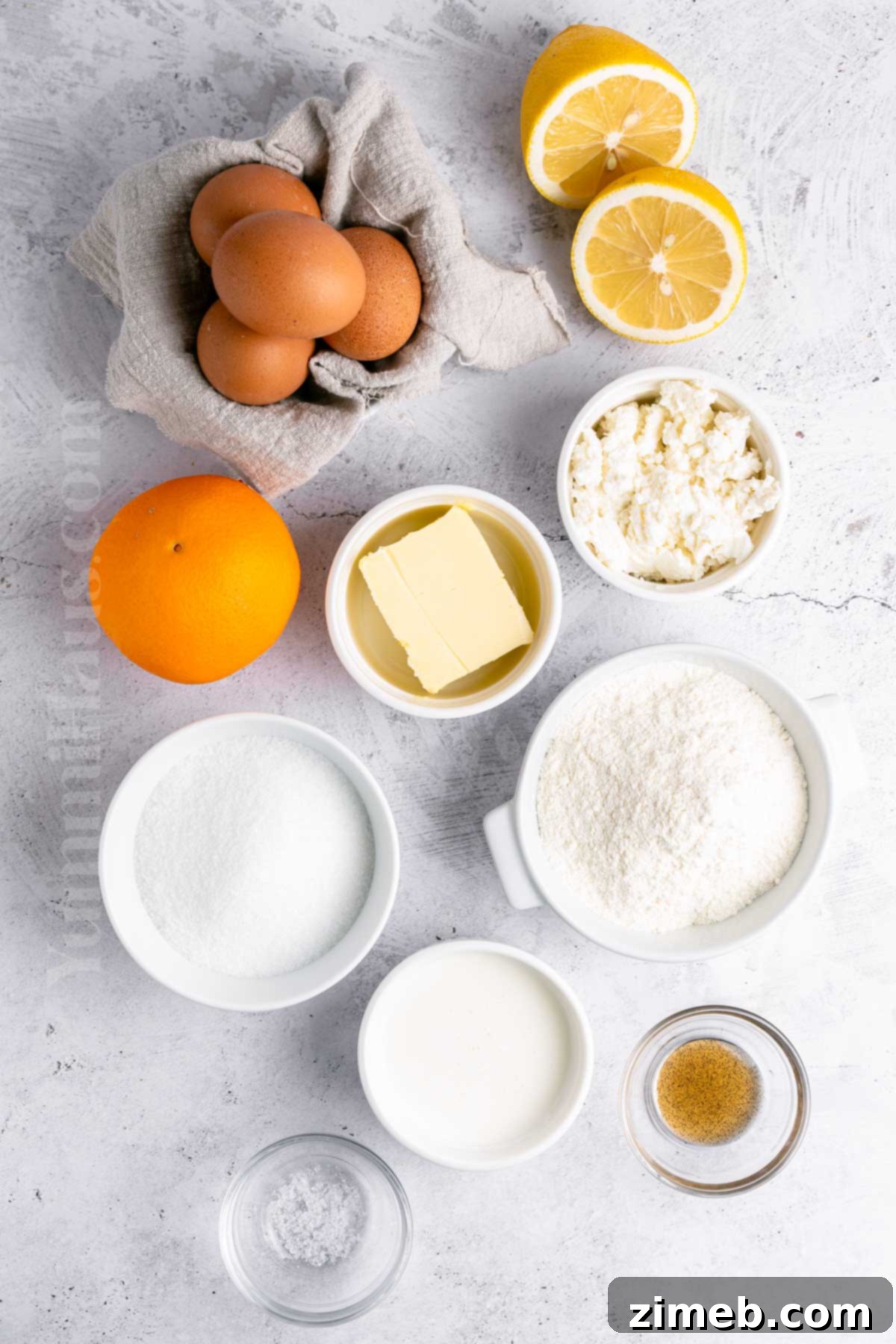
Crafting the perfect ricotta pie begins with understanding the role of each ingredient. Below, you’ll find essential details and tips for selecting and preparing the components for both the crust and the filling. You can find the printable recipe with exact quantities on the recipe card at the end of this post.
Pie Crust
- Granulated Sugar: Provides the perfect touch of sweetness to our traditional pasta frolla, balancing the richness of the butter and complementing the filling.
- Flour Mixture (All-Purpose Flour + Salt): Use good quality all-purpose flour, spooned and leveled for accuracy. A pinch of salt is crucial for enhancing all the other flavors. Please note that gluten-free flour doesn’t always perform optimally in this specific crust recipe, so it may not be suitable for celiac-friendly diets. Importantly, no baking powder or baking soda is needed for this classic Italian shortcrust, as its charm lies in its dense, crumbly texture.
- Lemon Zest: This is truly the secret ingredient for an authentic Italian ricotta pie crust! Freshly grated zest infuses the dough with a bright, aromatic citrus essence that elevates the entire pie. Don’t skip it!
- Unsalted Butter: My recipe specifically calls for softened unsalted butter. Using unsalted butter allows you to control the overall salt content of the pie. While some old-fashioned recipes might suggest shortening, butter offers superior flavor and a more tender crust. Ensure your butter is truly softened (but not melted) for optimal incorporation.
- Egg (Room Temperature): A single large egg acts as a binder, bringing the dough together and adding a touch of richness. Ensure it’s at room temperature for better emulsification with the butter and other ingredients.
Ricotta Filling
- Full-Fat Ricotta Cheese: This is the cornerstone of our pie. For the best taste and a wonderfully rich, signature grainy texture, use fresh, whole milk, full-fat ricotta cheese. If your ricotta appears watery, it’s vital to drain it thoroughly through a fine-mesh strainer or cheesecloth for at least 30 minutes (or even longer in the fridge). Excess moisture can lead to a runny filling.
- Granulated Sugar: Sweetens the ricotta filling, creating a harmonious balance with the citrus and vanilla.
- Eggs: We use several large eggs in this recipe. Free-range eggs often yield a richer color and flavor, contributing to a truly authentic and good quality sweet dessert. While our recipe uses a generous amount, traditional Italian ricotta pie recipes sometimes call for even more eggs for an exceptionally firm and custardy texture.
- Vanilla Extract: Use pure vanilla extract for a clean, classic flavor that complements the ricotta and citrus notes beautifully.
- Lemon Zest + Orange Zest: These are essential for amazing flavor touches and vibrant aromas. The combination of both lemon and orange zest provides a complex, bright, and delightful citrus profile that is characteristic of traditional Italian ricotta pies.
- All-Purpose Flour: A small amount of all-purpose flour is added to the filling. It helps to bulk up and stabilize the filling, ensuring it sets properly and has a lovely, smooth consistency once baked.
- Heavy Cream: Essential for achieving a truly silky and rich texture in the filling. Opt for full-fat heavy cream (at least 36% butterfat) for the best results. Heavy cream should be cold when added to the mixture. While you *can* use sour cream, be aware that it will introduce a more pronounced tang, altering the traditional flavor profile. Vegan creams are not recommended as they typically do not perform well in this specific recipe.
Kitchen Equipment
Having the right tools on hand can make all the difference in ensuring a smooth and enjoyable baking experience. Here’s the essential kitchen equipment you’ll need for this ricotta pie:
- Mixing Bowl: A large mixing bowl is crucial for combining the pie crust ingredients and later for preparing the ricotta filling without any spills or mess.
- Parchment Paper: Invaluable for rolling out the pie dough without it sticking to your counter or rolling pin, and for easy transfer to the pie dish. It also simplifies cleanup!
- Rolling Pin: Essential for evenly rolling out the pasta frolla to the desired thickness and size, ensuring a uniform crust.
- Baking Sheet: Used to support the parchment-lined dough during refrigeration and to catch any potential spills during baking, keeping your oven clean.
- Blender: A blender is highly recommended for achieving a perfectly smooth and creamy ricotta filling. Alternatively, a food processor with a blade attachment can also be used effectively for the same purpose, ensuring a uniform consistency.
- 9-inch Tart Pan / Pie Pan: The ideal size for this recipe. Traditional ricotta pies are often baked in a rather deep dish, providing ample space for the luscious filling. While a 9-inch pan is perfect, avoid going with significantly larger pans, as this will result in a thinner pie and may require a longer, adjusted baking time. A springform pan also works wonderfully for easy removal and presentation.
How To Make Ricotta Pie Recipe
Creating this delicious Italian Ricotta Pie is a rewarding process, and these detailed steps will guide you to a perfect result. Follow along to master each stage:
1: Make The Pie Dough (Pasta Frolla)
The foundation of any great pie is its crust, and for our Italian Ricotta Pie, we’re making a traditional pasta frolla from scratch.
- In a large mixing bowl, combine the all-purpose flour, a pinch of salt, granulated sugar, and the aromatic lemon zest. Whisk these dry ingredients together thoroughly to ensure even distribution of flavor.
- Add the softened unsalted butter to the dry mixture. Using a spoon or your fingertips, gently work the butter into the flour mixture until it achieves a grainy consistency, resembling coarse crumbs. Be careful not to overmix at this stage; we want distinct butter pieces.
- Now, add the room-temperature egg. Continue to combine the ingredients, either with a spoon or your hands, until a uniform, slightly sticky dough forms. Avoid kneading excessively, as this can develop the gluten too much, resulting in a tough crust. Just bring it together until it holds.
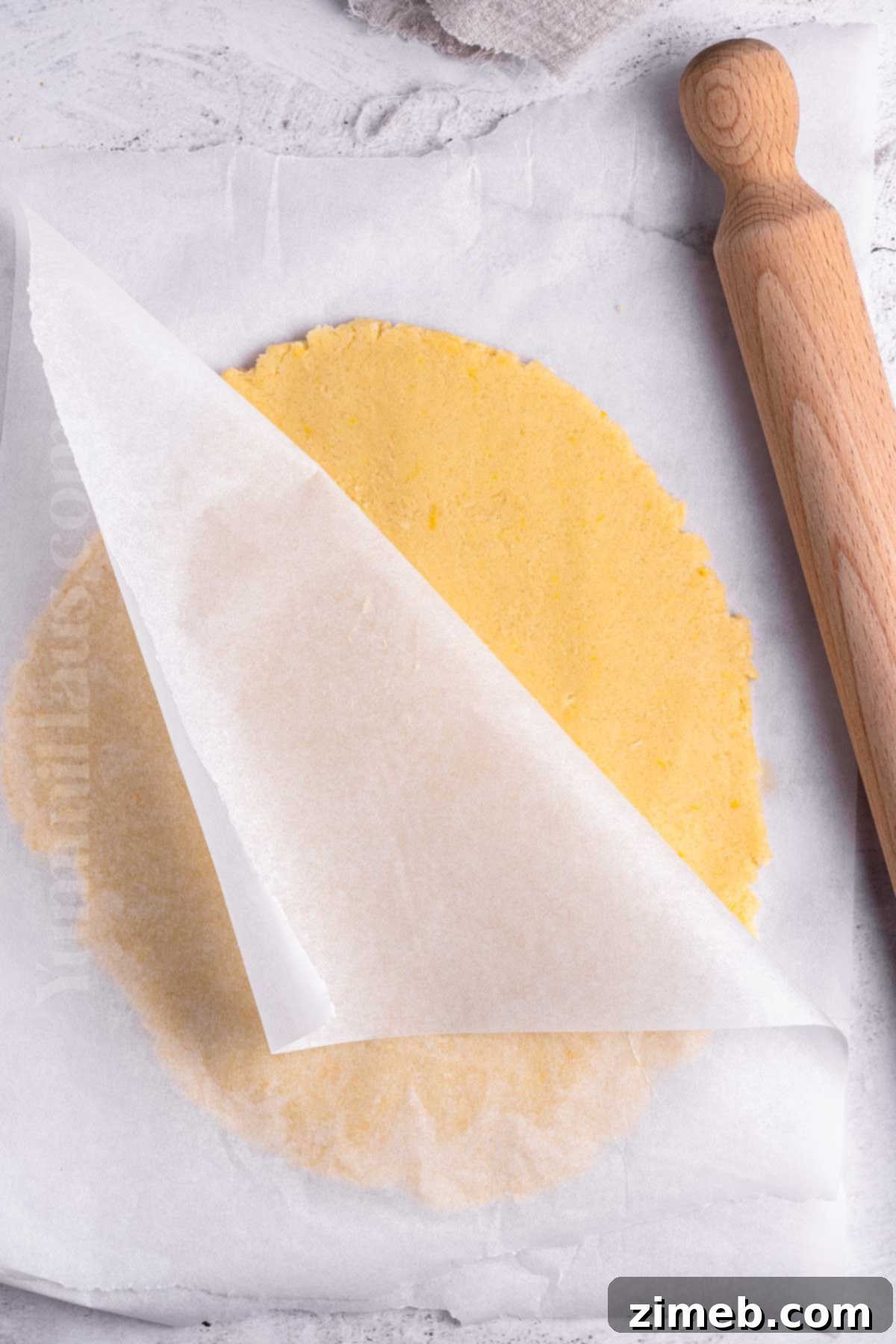
- Tear off a large piece of parchment paper and lay it flat on your counter. This will be your non-stick surface for rolling the dough.
- Place the dough in the center of the parchment paper. Begin to extend it in a circular shape, aiming for a thickness of about ¼ inch. If the dough starts to stick to your rolling pin, lightly dust the top of the dough or the rolling pin with a little extra flour.
- Carefully transfer the parchment paper with the rolled-out dough onto a flat baking sheet. This makes it easier to handle. Refrigerate the dough for at least 30 minutes. This crucial step helps the butter firm up, preventing the crust from shrinking during baking and making it much easier to transfer and shape in the pie pan. Do not leave it in the freezer for more than 2 minutes, as it can become too brittle and crack.
2: Prepare Ricotta Filling
While your homemade pasta frolla chills, you can easily prepare the creamy, luscious ricotta filling.
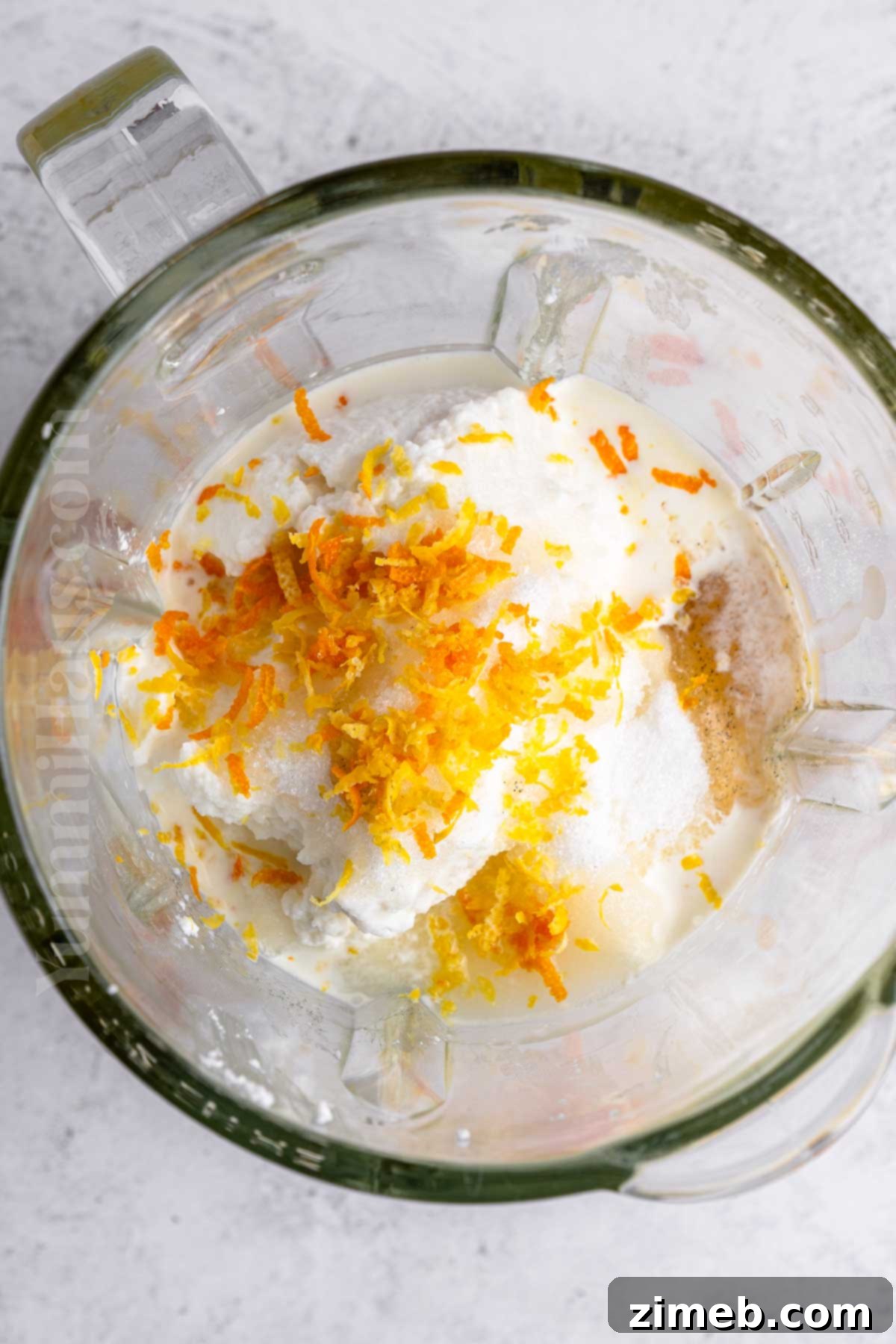
- In a blender, combine the full-fat ricotta cheese (ensuring it’s well-drained if watery), granulated sugar, large eggs, pure vanilla extract, vibrant lemon zest, fragrant orange zest, a tablespoon of all-purpose flour, and the cold heavy cream.
- Blend the mixture for approximately 2 minutes, or until you achieve a perfectly smooth and uniform cream. The goal is to break down any larger ricotta grains while maintaining its signature texture.
- Set the prepared filling aside at room temperature while your pie crust continues to refrigerate and firm up.
3: Assemble Ricotta Pie
With both your crust and filling ready, it’s time to bring your delicious ricotta pie together.
- First, preheat your oven to 350°F (175°C) to ensure it’s at the correct temperature when the pie is ready to bake.
- Generously grease a 9-inch tart pan or pie pan with a good amount of butter. This step prevents sticking and helps the crust achieve a beautiful golden brown.
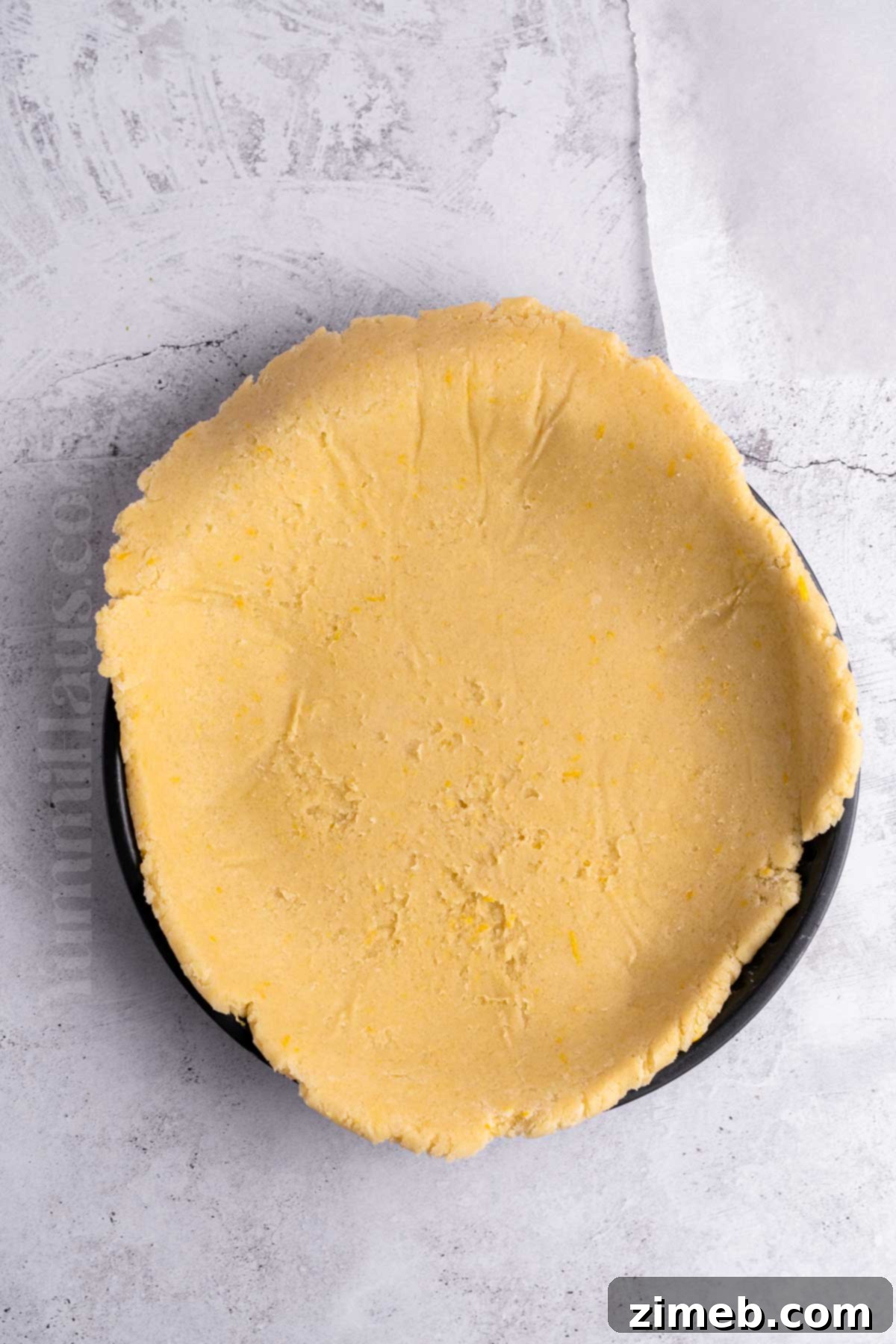
- Retrieve your refrigerated dough. If needed, roll it out a bit further to ensure it’s approximately 2 inches larger than the diameter of your tart pan. Carefully drape the dough over the pan, gently pressing it into the bottom and up the sides. Ensure it’s evenly distributed. Trim any excess dough from the edges using a knife or simply pinch it off for a rustic look.
- Optional but recommended: For an even crisper crust and to prevent shrinking, you can quickly chill the dough-lined pan in the refrigerator for another 15-20 minutes, or even blind-bake it for about 10-15 minutes (prick the bottom with a fork and weigh down with parchment paper and pie weights or dried beans). This helps the crust hold its shape and prevents a soggy bottom.
- Pour the prepared ricotta filling evenly over the dough-lined pie crust. Gently spread it with a spoon or spatula to ensure it fills the pan uniformly.
4: Bake And Chill
The final steps involve baking your pie to golden perfection and then allowing it to properly chill for optimal flavor and texture.
- Carefully transfer the assembled pie to your preheated oven. Bake for approximately 30-35 minutes, or until the center is mostly set and the crust around the edges is beautifully golden brown. The center will still have a slight, delicate jiggle—this is perfectly normal, as it will continue to firm up considerably as it cools. If the center appears too jiggly or liquid, extend the baking time in 5-minute increments. However, be cautious not to overbake, as this can cause the delicate filling to crack.
- Once baked, remove the pie from the oven and let it cool completely on a wire rack. This is a critical step, as the filling continues to set and firm up during this period, which can take a few hours. After it has cooled to room temperature, transfer the pie to the refrigerator and chill it for at least 2 hours, or ideally, overnight. Chilling allows the flavors to meld and deepen, resulting in a superior taste and texture.
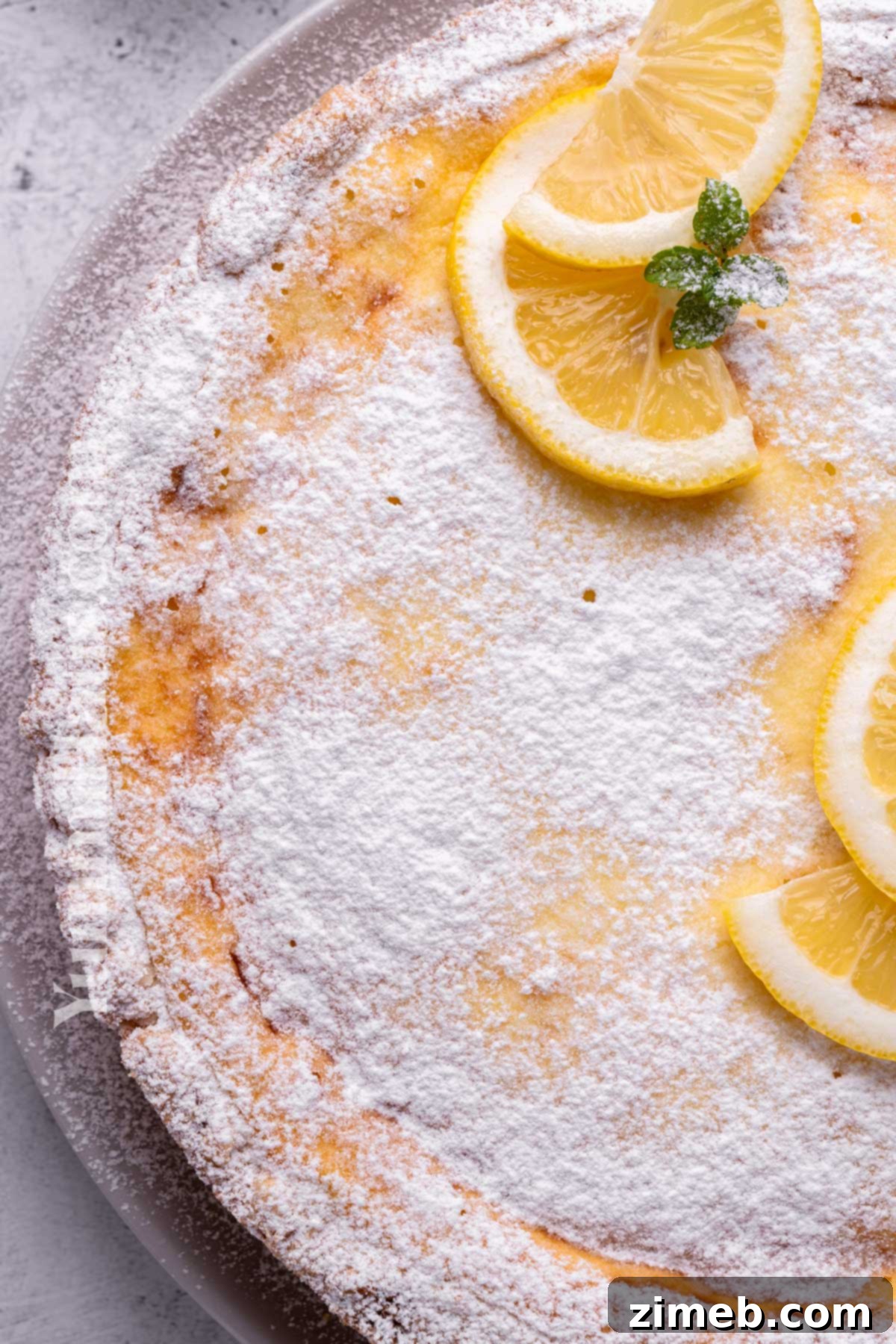
- When you’re ready to serve this delightful dessert, carefully remove it from the refrigerator. For an elegant finish, dust the top generously with confectioner’s sugar. Slice into wedges and serve chilled or at room temperature for the best experience.
Storage
Proper storage is key to preserving the delicious taste and creamy texture of your homemade ricotta pie. To ensure maximum freshness and enjoyment:
Store any leftover ricotta pie in an airtight container in the refrigerator for 3-4 days. This helps to prevent it from drying out and absorbing other odors from the fridge. For the best flavor and most enjoyable texture, ricotta pie is typically best served when it has had a chance to come closer to room temperature. So, take it out of the fridge approximately 30 minutes before you plan to serve it.
While it is technically possible to freeze ricotta pie for up to 3 months, I generally don’t recommend it. The primary reason is that freezing significantly alters the delicate texture of the ricotta filling, often making it grainy and watery upon thawing, which detracts from the pie’s creamy appeal. If you absolutely must freeze it, wrap individual slices tightly in a layer of plastic wrap, followed by another layer of aluminum foil, to minimize freezer burn and moisture loss. Thaw overnight in the refrigerator before serving.
Substitutions & Variations
While this classic Italian Ricotta Pie recipe is perfect as is, it’s also wonderfully adaptable! Feel free to get creative with these delicious substitutions and variations:
- Crust Shortcuts: To save time, you can certainly use a good quality pre-made pie crust or even a graham cracker crust. If using a pre-made pastry crust, blind bake it with some pie weights (or dried beans/rice) for about 10-15 minutes to prevent it from becoming soggy and to ensure a crisp, golden-brown bottom crust.
- Ricotta Alternatives: While the texture and traditional flavors will differ, you could experiment with other creamy cheeses. Cream cheese will yield a denser, tangier filling closer to a cheesecake. Mascarpone would offer an even richer, smoother, and slightly sweeter result. Blended cottage cheese can also work as a substitute, but ensure it’s blended until very smooth to minimize graininess.
- Creative Toppings: Elevate your pie with a variety of toppings! Garnish with fresh fruit such as berries (raspberries, blueberries, or sliced strawberries), delicate orange slices, additional citrus zest for a fresh burst, or a luscious berry compote. For an extra special touch, you can make a light and airy whipped mascarpone cream to dollop on top, or simply dust with powdered sugar for an elegant finish.
- Flavorful Add-Ins: Stir mini chocolate chips (dark, milk, or white chocolate) or finely chopped candied oranges directly into the ricotta filling before baking for delightful pockets of flavor and texture.
- A Touch of Liqueur: For an adults-only dessert, add a splash (1-2 tablespoons) of Amaretto liqueur for a lovely almond note, or anisette for a hint of licorice. To keep it non-alcoholic, a teaspoon of pure almond extract provides a similar flavor profile. You can also add a little bit of ground cinnamon (¼ to ½ teaspoon) to the filling for a warm, comforting spice.
- Dough Lattice Top: If you have any remaining pie dough, consider creating a beautiful dough lattice pattern over the top of the filling. This not only adds a rustic, artisanal feel to your pie but also provides an extra layer of buttery crust that bakes up golden brown and delicious.
Expert Tips To Make The Best Ricotta Cheese Pie
Achieving a truly outstanding ricotta pie is all about paying attention to a few key details. These expert tips will help you create a dessert that’s consistently delicious and perfectly textured:
- Drain Your Ricotta Thoroughly: This is arguably the most critical tip! If your ricotta cheese is watery, it will lead to a runny, unset filling. Always drain it using a fine-mesh strainer or cheesecloth for at least 30 minutes, or even a few hours in the refrigerator. Removing excess moisture ensures a firm, creamy, and sliceable texture. As an additional measure, you can also add a teaspoon of cornstarch to the filling mixture to help thicken the creamy ricotta filling.
- Mind Your Crust Texture: For a flakier pie crust, incorporating baking powder into your dough recipe can help create layers. However, for a more traditional, crumbly pasta frolla (as in this recipe), use very cold butter cut into small cubes or even grated cold butter. This prevents the butter from fully incorporating, creating pockets of steam that result in that delightful crumbly texture. Don’t overwork the dough; handle it just enough to bring it together.
- Don’t Skip Chilling the Dough: Refrigerating the pie dough is a non-negotiable step. It allows the butter to firm up, making the dough much easier to handle, roll, and transfer without tearing. More importantly, chilling prevents the crust from shrinking excessively during baking, ensuring your pie maintains its beautiful shape.
- Roll Dough Between Parchment Paper: For a fuss-free experience, roll your pie dough between two sheets of parchment paper or silicone mats. This technique prevents the dough from sticking to your rolling pin or work surface, making the rolling process smoother and significantly simplifying the transfer of the delicate dough to your tart or pie pan.
- Patience with Cooling and Chilling: While tempting to slice into your freshly baked pie, patience is a virtue here. Allow the pie to cool completely at room temperature, then refrigerate it for at least 2 hours, or ideally, overnight. This extended chilling period is crucial; it allows the filling to fully set, solidifying its creamy texture, and gives all the flavors ample time to meld and deepen, resulting in a far superior taste.
- Prevent Over-Browning: If you notice the edges of your pie crust browning too quickly during baking, loosely cover the edges with aluminum foil or a pie shield. This protects the crust while allowing the filling to continue baking.
Popular Questions
Curious about ricotta pie? Here are answers to some of the most popular questions to help you better understand and appreciate this delightful Italian dessert.
What Is The Difference Between Ricotta Pie And Cheesecake?
While both ricotta pie and cheesecake are incredibly delicious creamy desserts, they possess distinct characteristics. Ricotta pie, particularly the classic Italian “Crostata di Ricotta,” is generally less sweet than most cheesecakes. Its flavor profile often leans heavily on bright, aromatic citruses like lemon juice, lemon zest, and orange zest, giving it a fresh, vibrant tang. The texture of ricotta cheese is also a key differentiator; it retains a slightly grainy quality, offering a delightful contrast to the typically smooth, dense, and uniformly creamy texture of a cream cheese-based cheesecake.
What Is The Difference Between American Ricotta And Italian Ricotta?
The distinction between American and Italian ricotta largely comes down to their production methods and the milk used. Traditional Italian ricotta is made from whey—the liquid byproduct left after cheesemaking from cow, goat, sheep, or water buffalo milk. This method gives it a characteristically lighter, fluffier, and sometimes slightly sweeter texture, making it ideal for classic Italian recipes where its delicate qualities can shine. In contrast, American ricotta is typically produced from whole cow’s milk, which results in a creamier, thicker, and often more dense consistency. This version is widely used in popular dishes like lasagna and stuffed pasta, where its robust texture is beneficial. Fortunately, for this ricotta pie recipe, you can successfully use either American or Italian ricotta, although using a high-quality, full-fat version of either will yield the best results.
Why Can’t You Freeze Ricotta?
Freezing ricotta cheese is generally not recommended because it fundamentally alters its delicate texture. When ricotta is frozen, the water content within the cheese forms ice crystals. Upon thawing, these ice crystals melt, releasing the trapped water, which causes the cheese to become watery, lumpy, and distinctly grainy. This transformation compromises the smooth, creamy consistency that is so desirable in a ricotta pie or other dishes, making it far less palatable than fresh or refrigerated ricotta.
Why Do You Add An Egg To Ricotta Cheese?
In baking, particularly for ricotta cheese pies and fillings, eggs serve a crucial structural role. The egg mixture acts as a natural binder, essentially glue, holding all the components of the ricotta filling together on the pie plate. This prevents the filling from crumbling or falling apart once baked and sliced. Beyond its binding properties, using eggs—especially a combination of whole eggs and sometimes extra yolks—also contributes significantly to the filling’s overall texture. Eggs help create a wonderfully smooth, rich, and creamy consistency, enriching the flavor and giving your ricotta pie a superior mouthfeel and a beautifully set custard-like interior.
If you love this ricotta pie recipe, you’re going to adore these other delightful pie creations too. Click each link below to discover an easy, printable recipe!
Check out this recipe
Check out this recipe
Check out this recipe

Check out this recipe
Check out this recipe
More Ricotta Recipes
If you’re enchanted by the versatility of ricotta in this pie, you’ll love exploring these other delightful recipes that highlight this incredible cheese:
Ricotta Cookies: Light, tender, and subtly sweet cookies perfect for any occasion.
Chocolate Ricotta Cake: An incredibly moist and rich cake, elevated by the creamy texture of ricotta.
Ricotta Banana Nut Bread: A flavorful twist on a classic, with ricotta adding extra tenderness and richness.
Easy Oreo Cannoli Cream Pie: A creative and simple dessert that captures the essence of cannoli with a fun Oreo crust.
CONNECT WITH YUMMI HAUS!
Be sure to follow me on my social media, so you never miss a post!
Substack, FB, Pinterest, IG, Email Subscription
Rate this Recipe
Ricotta Pie
Ingredients
Crust
- ½ cup granulated sugar
- a pinch of salt
- 2 cups all-purpose flour spooned and level
- 1 lemon zested
- ½ cup butter softened
- 1 egg
Filling
- 2 cups ricotta cheese full-fat – drained if too watery
- ½ cup granulated sugar
- 3 large eggs
- 1 tsp vanilla extract
- 1 tsp lemon zest
- 1 tsp orange zest
- 1 tbsp all-purpose flour
- ⅓ cup heavy cream
Instructions
-
Mix the flour, salt, lemon zest, and sugar in a large bowl.
-
Add the softened butter and mix with a spoon until it has a grainy consistency.
-
Add the egg and combine until you get a uniform, sticky dough.
-
Cut a large piece of parchment paper and extend it over the counter.
-
Place the dough in the center and extend it in a circular shape until ¼ inch thick.
-
Add some flour if the dough sticks onto the rolling pin.
-
Place the dough over a flat baking sheet and refrigerate it for at least 30 minutes.
Filling
-
Combine the ricotta, sugar, eggs, vanilla, lemon zest, orange zest, flour, and heavy cream in a blender. Blend for 2 minutes or until you get a smooth cream.
-
Set it aside while the crust refrigerates.
-
In the meantime, preheat the oven to 350°F.
-
Grease a 9-inch tart pan with a good amount of butter.
-
Roll out the refrigerated dough a bit more if needed; it should be 2 inches larger than the tart pan. Cover the bottom and sides of the pan evenly.
-
Pour the filling over the dough, extend it evenly with a spoon, and take it to the oven.
-
Bake it for 30-35 minutes or until the center is set. It will be slightly jiggly, and it’ll harden as it cools. You must extend the baking time if the center is too jiggly or liquid.
-
Let the pie cool completely, then refrigerate it for at least 2 hours overnight.
-
When ready to serve, dust it with confectioner’s sugar.
Notes
- If your ricotta is watery, drain it using a fine-mesh strainer or cheesecloth to prevent a runny filling. This ensures a firm and creamy texture.
- Refrigerating the dough helps it firm up, making it easier to handle and preventing it from shrinking during baking. Don’t skip it.
- Rolling the dough between two sheets of parchment paper prevents sticking and makes transferring it to the tart pan easier.
- Ricotta pie tastes better when chilled overnight, as the flavors have time to meld and the texture firms up.
Nutrition
Nutritional information for the recipe is provided as a courtesy and is approximate. Please double-check with your own dietary calculator for the best accuracy. We at Yummi Haus cannot guarantee the accuracy of the nutritional information given for any recipe on this site.