
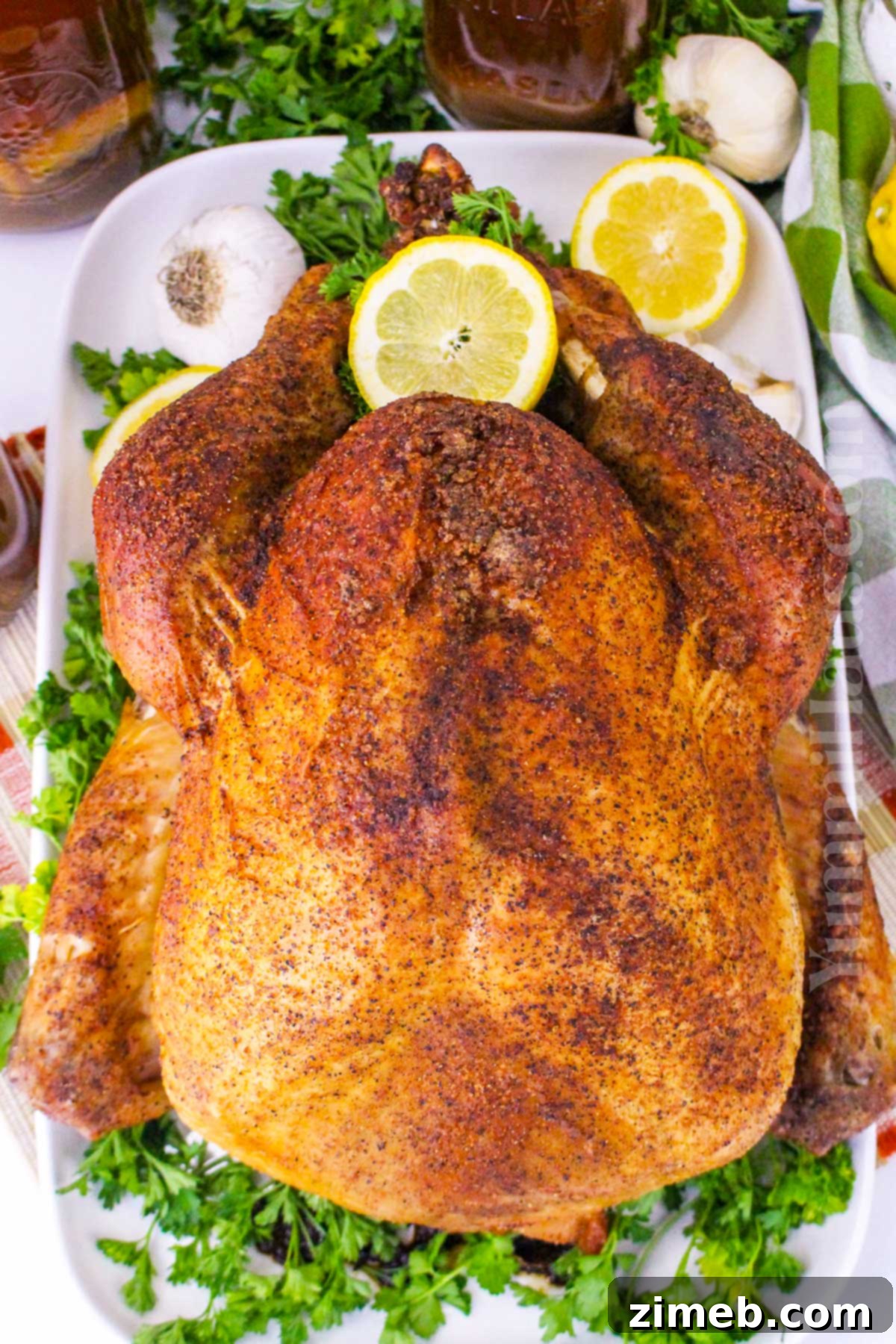
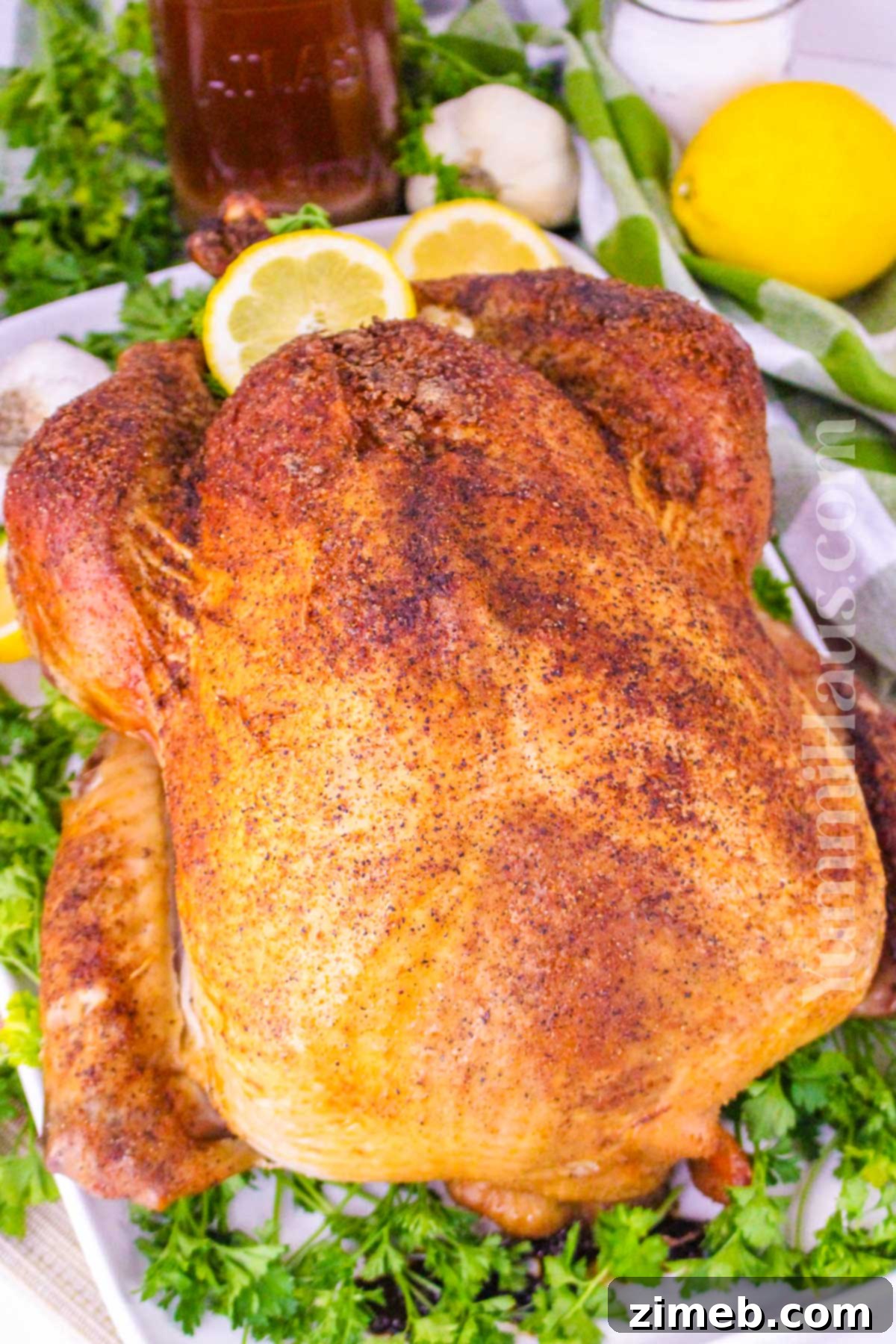
Transform your holiday feast into an unforgettable culinary experience with this incredible Cajun Brined Turkey recipe. This traditional method involves a 12 to 24-hour brine that deeply infuses every fiber of the turkey with rich, bold flavors, guaranteeing a remarkably juicy and tender bite. Forget dry, bland turkey; this recipe ensures your holiday bird will be the star of the table, captivating your guests with its succulent texture and tantalizing aroma.
Brining a turkey for Thanksgiving, Christmas, or any special occasion is a time-honored technique that, while requiring a bit of foresight, yields truly spectacular results. The process involves submerging the whole turkey in a flavorful liquid, allowing it to absorb moisture and seasoning over time. This holiday centerpiece deserves to be extraordinary, and incorporating vibrant Creole or Cajun spices into your brine transforms a simple turkey into a perfect, home-cooked holiday meal that brings family and friends together in celebration of great food and cherished memories.
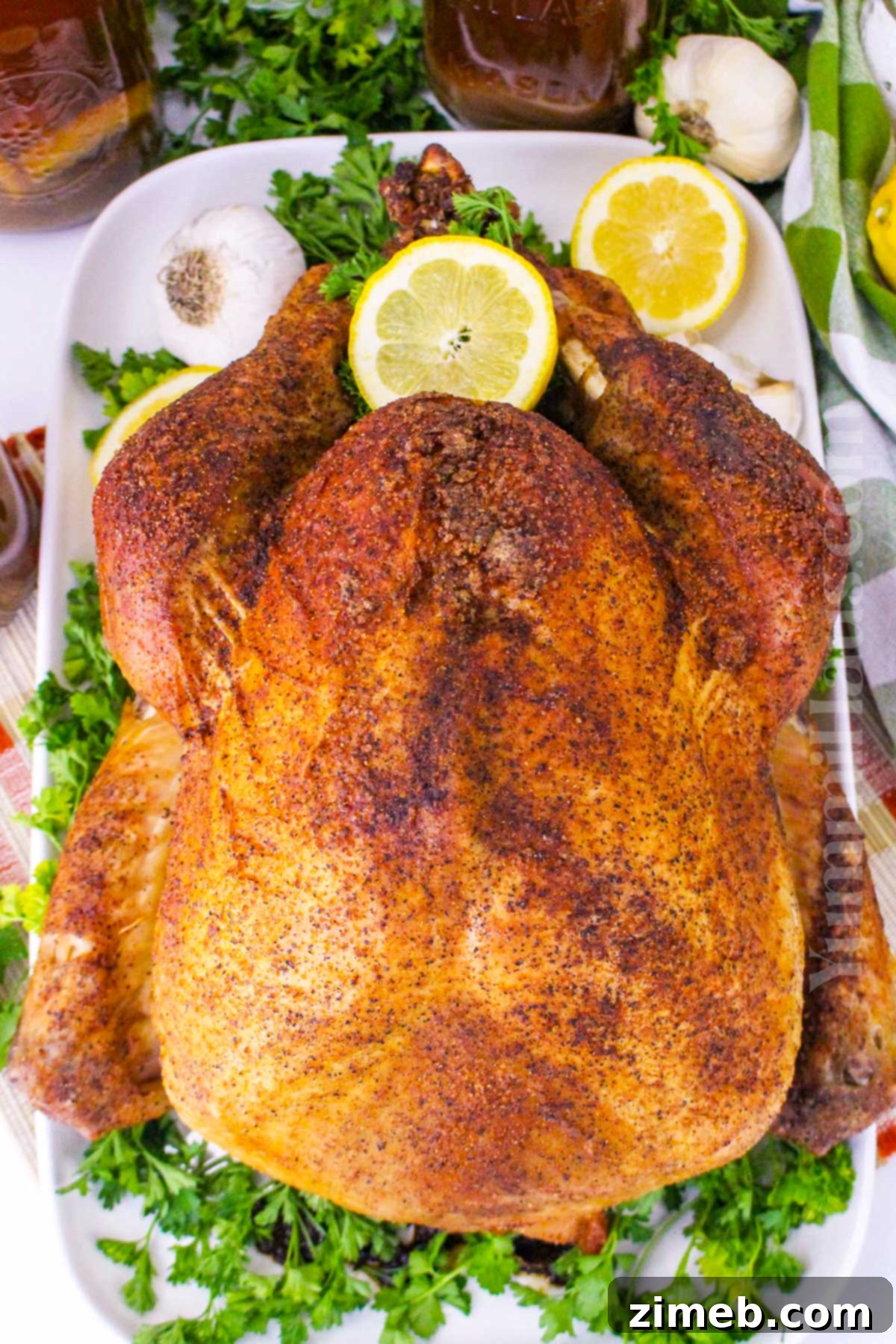
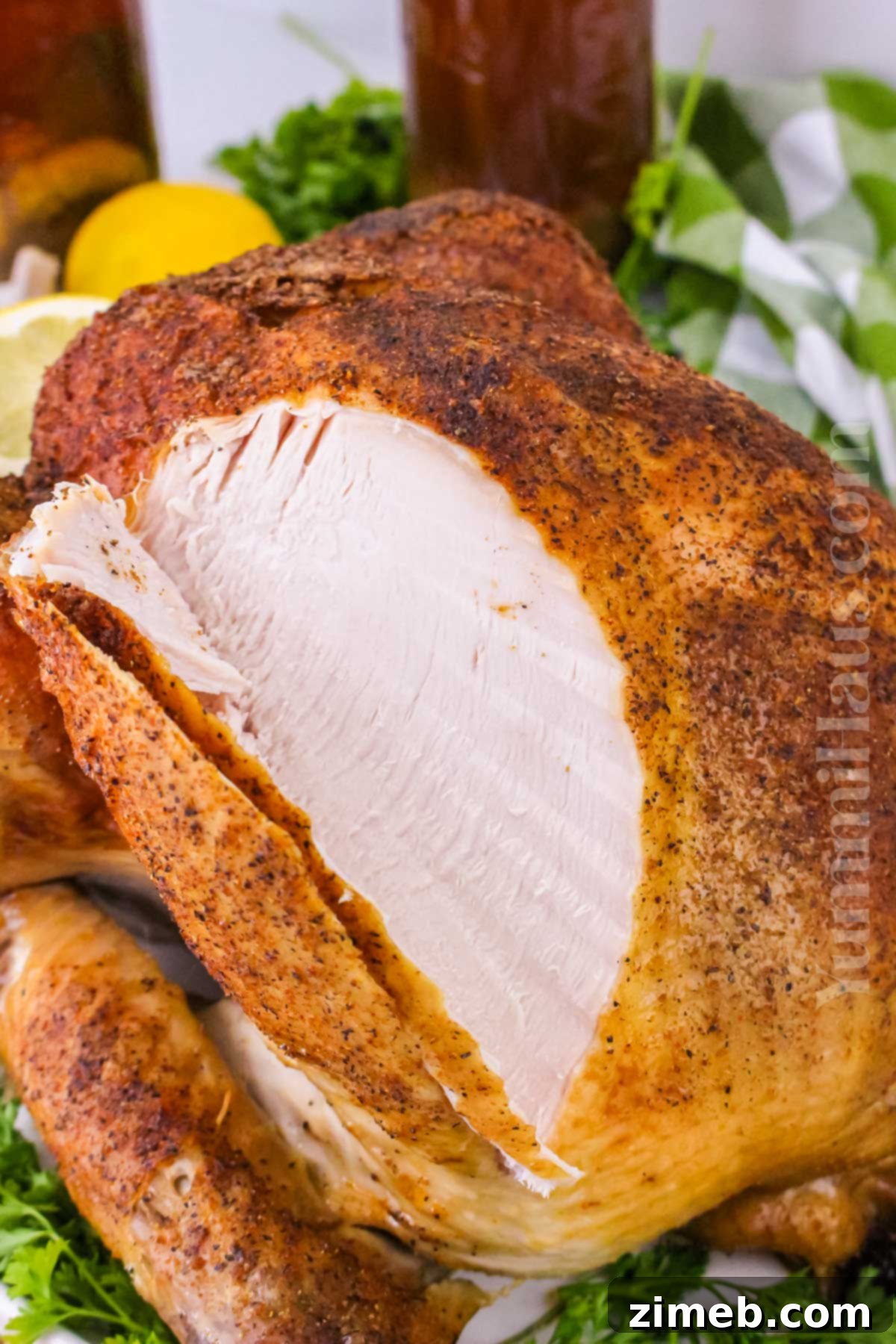
You’ll discover that the time invested in this brining process is incredibly rewarding from the very first succulent bite. This method locks in moisture, ensuring the turkey emerges from the oven juicy, tender, and bursting with zesty, spiced flavors. The brine truly is the secret ingredient to preparing the best Thanksgiving turkey you’ve ever tasted – a moist, flavorful masterpiece that will leave a lasting impression on everyone at your table.
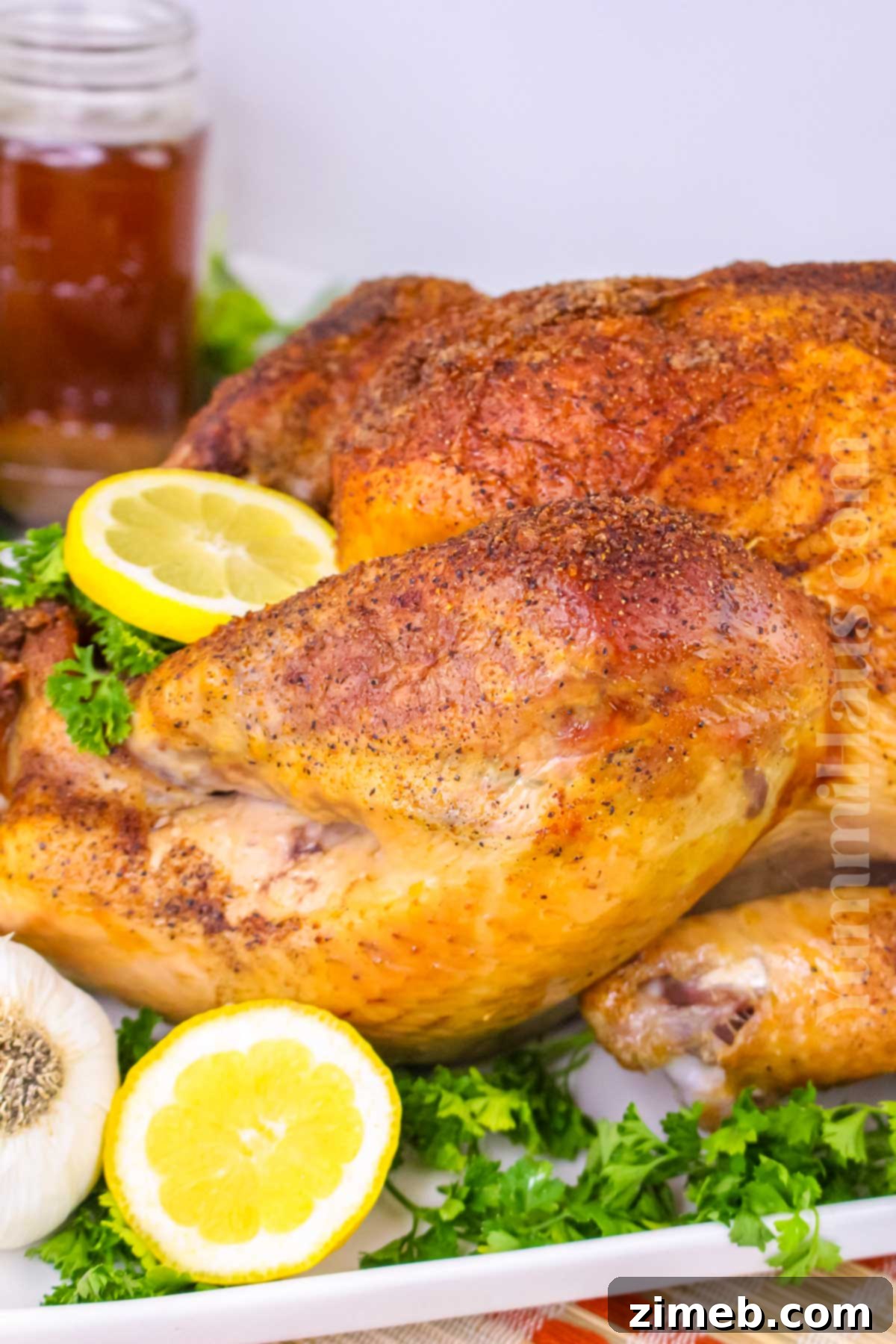
Why You’ll Love This Cajun Brined Turkey Recipe
- Unforgettable Cajun & Creole Flavors: This recipe elevates a classic holiday turkey with a vibrant infusion of authentic Cajun spices and aromatic herbs. The result is a truly delicious, complex flavor profile that stands out from a conventional roasted bird, offering a zesty, savory, and slightly spicy kick that’s perfect for a festive spread.
- Effortlessly Juicy and Tender: The brining process is a culinary game-changer, guaranteeing an exceptionally moist and tender turkey every time. While it requires passive waiting time, the active preparation steps are straightforward and beginner-friendly, making it an accessible recipe for cooks of all experience levels who want to achieve gourmet results without excessive hands-on effort.
- Designed for Feasts and Fantastic Leftovers: A Cajun brined turkey is ideal for feeding a large gathering, comfortably serving 10-12 guests with a 12-14 lb bird. Beyond the main meal, the incredibly flavorful and moist meat ensures plenty of delicious leftovers, perfect for crafting gourmet sandwiches, hearty soups, or creative casseroles in the days following your celebration.
Essential Ingredients for Your Cajun Brined Turkey
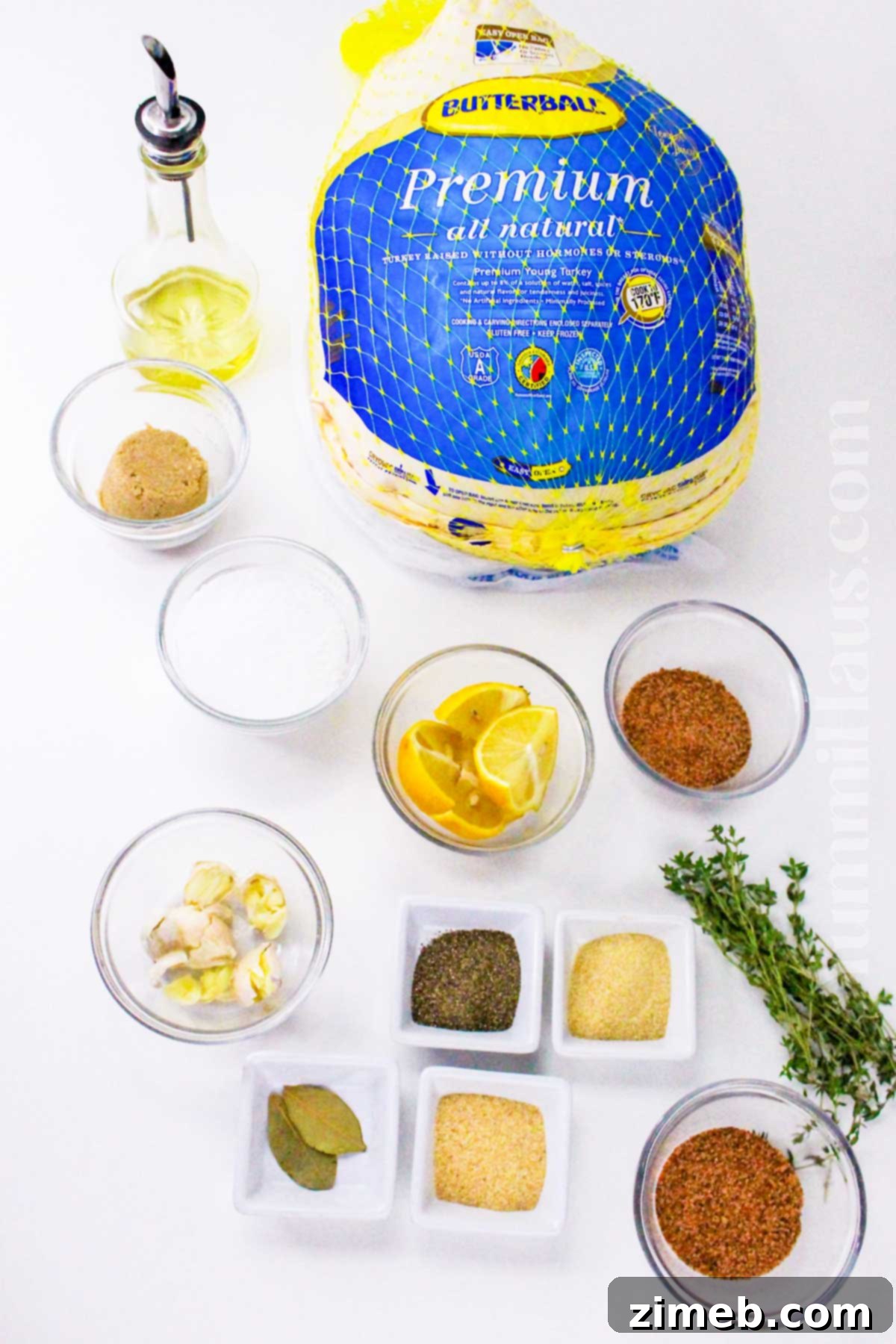
Crafting the perfect Cajun turkey begins with a simple, water-based brine featuring a thoughtful selection of seasonings and fresh herbs. The turkey itself requires minimal special preparation beyond thorough thawing and brining, allowing the robust flavors of the brine to truly shine through.
For the Flavorful Cajun Brine
- Kosher Salt and Black Pepper: Kosher salt is preferred for its pure taste and larger crystals, which dissolve easily and evenly in the brine, drawing moisture into the turkey cells. Black pepper adds a foundational layer of spice.
- Brown Sugar: This isn’t just for sweetness; brown sugar contributes a velvety richness and helps to create that desirable caramelized, golden-brown skin during roasting, balancing the savory and spicy notes of the Cajun seasoning.
- Cajun Seasoning: The star of our brine! A good quality Cajun seasoning blend typically includes paprika, garlic powder, onion powder, cayenne pepper, oregano, and thyme, providing that signature bold and spicy Southern flavor.
- Garlic Powder and Onion Powder: These concentrated forms of alliums ensure a deep, pervasive savory foundation throughout the brine.
- Bay Leaves and Thyme: Fresh or dried poultry herbs like bay leaves and thyme infuse the brine with classic aromatic and earthy undertones, enhancing the overall complexity of the turkey’s flavor.
- Fresh Lemon (quartered): Lemon adds a bright, zesty acidity that cuts through the richness of the turkey and the spices. The fresh lemon quarters release their essential oils and juice into the brine, offering a vibrant citrus note. You can substitute with a good quality lemon juice if fresh isn’t available.
- Smashed Garlic Cloves: Smashed fresh garlic cloves release a more potent and fresh garlic flavor into the brine compared to powder, adding an essential pungent depth.
For the Whole Cajun Turkey Preparation
- Whole Turkey (12-14 lbs): This size is generally ideal for serving 10-12 guests and fits well in most standard roasting pans and brining vessels. If using a frozen turkey, ensure it is completely thawed before brining, which can take several days for larger birds in the refrigerator. It’s crucial to use a regular, unbrined, or “natural” turkey, as pre-salted or self-basting turkeys can become overly salty after brining.
- Olive Oil: A generous rub of olive oil over the turkey skin before roasting helps achieve a beautifully crispy, golden-brown finish and ensures the dry seasoning adheres well.
- Cajun Rub Seasoning: A final coating of Cajun rub on the exterior of the turkey after brining and drying amplifies the regional flavor and contributes to a delicious, seasoned crust.
Essential Kitchen Equipment for Brining and Roasting Turkey
- Large Stockpot or Brining Bag: Absolutely essential for preparing the brine solution and fully submerging your turkey. Ensure it’s large enough to hold the entire bird and the brine without overflowing. For very large turkeys, a dedicated brining bag placed inside a cooler can also work effectively.
- Sturdy Roasting Pan with a Rack: A good quality roasting pan is crucial for even cooking and capturing those flavorful drippings for gravy. A rack is highly recommended to lift the turkey, allowing hot air to circulate all around the bird, promoting crispy skin and consistent doneness.
- Optional, but highly recommended: Reliable Meat Thermometer: This is your best friend for ensuring food safety and perfectly cooked turkey. An instant-read thermometer helps you hit the ideal internal temperature of 165°F (74°C) without overcooking, keeping your turkey moist.
- Optional, but useful: Kitchen Gloves: Wearing gloves can make handling the raw turkey and rubbing the seasoning a more hygienic and less messy process.
How To Make This Amazing Cajun Brined Turkey Recipe
Achieving a perfectly juicy and flavorful Cajun turkey is a rewarding process that, while involving a few steps, is entirely beginner-friendly. Follow these detailed instructions for a show-stopping holiday meal.
Step 1: Prepare the Cajun Brine (Ideally 1 Day Ahead)
- Before you begin, ensure you have cleared a sufficiently large space in your refrigerator to accommodate the stockpot or brining container once the turkey is submerged. This is a critical logistical step.
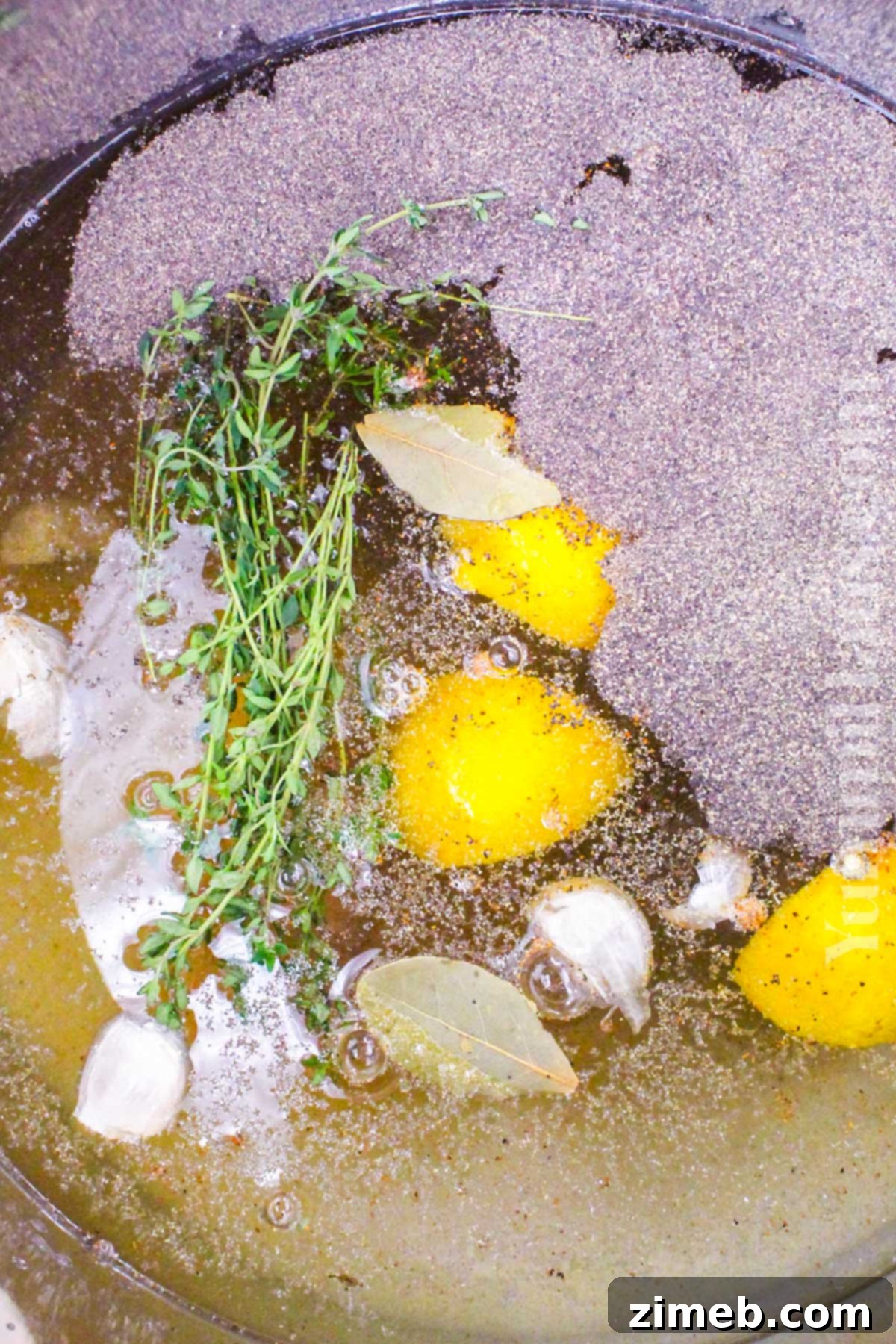
- In a large stockpot (making sure it’s big enough to later hold both the brine and the turkey), combine the water, kosher salt, brown sugar, Cajun seasoning, garlic powder, onion powder, black pepper, bay leaves, thyme sprigs, quartered lemon, and smashed garlic cloves.
- Place the stockpot over medium heat and bring the mixture to a rolling boil. Stir well to ensure all the salt and sugar crystals fully dissolve into the hot liquid. Once dissolved, immediately remove the pot from the heat and allow the brine to cool down completely to room temperature. This cooling process is crucial for food safety; never add raw turkey to warm or hot brine. For faster cooling, you can place the pot in an ice bath in your sink.
- Once the brine has cooled to room temperature, you can then transfer it to the refrigerator to chill further, ensuring it is thoroughly cold before adding the turkey.
Step 2: Brine Your Turkey for Optimal Flavor (12-24 Hours Ahead)
- Once the brine is completely chilled, carefully submerge the entire thawed turkey into the brine within the same stockpot, ensuring the breast side is down to allow for maximum moisture absorption in this often drier part of the bird. Make absolutely certain the turkey is fully covered by the brine solution. If not, you may need to add a bit more water or press the turkey down with a plate to keep it submerged.
- Place a tight-fitting lid on the pot, or cover it securely with plastic wrap or aluminum foil. Refrigerate the brining turkey for a minimum of 12 hours and up to 24 hours. This duration allows the flavors to penetrate deeply and the meat to tenderize effectively.
- For larger turkeys (over 16 lbs), consider rotating the bird halfway through the brining process to ensure even flavor distribution, especially if it’s not fully submerged.
Step 3: Roast Your Perfectly Brined Cajun Turkey
- Preheat your oven to a steady 325 degrees F (160 degrees C). A consistent, moderate temperature helps the turkey cook evenly without drying out.
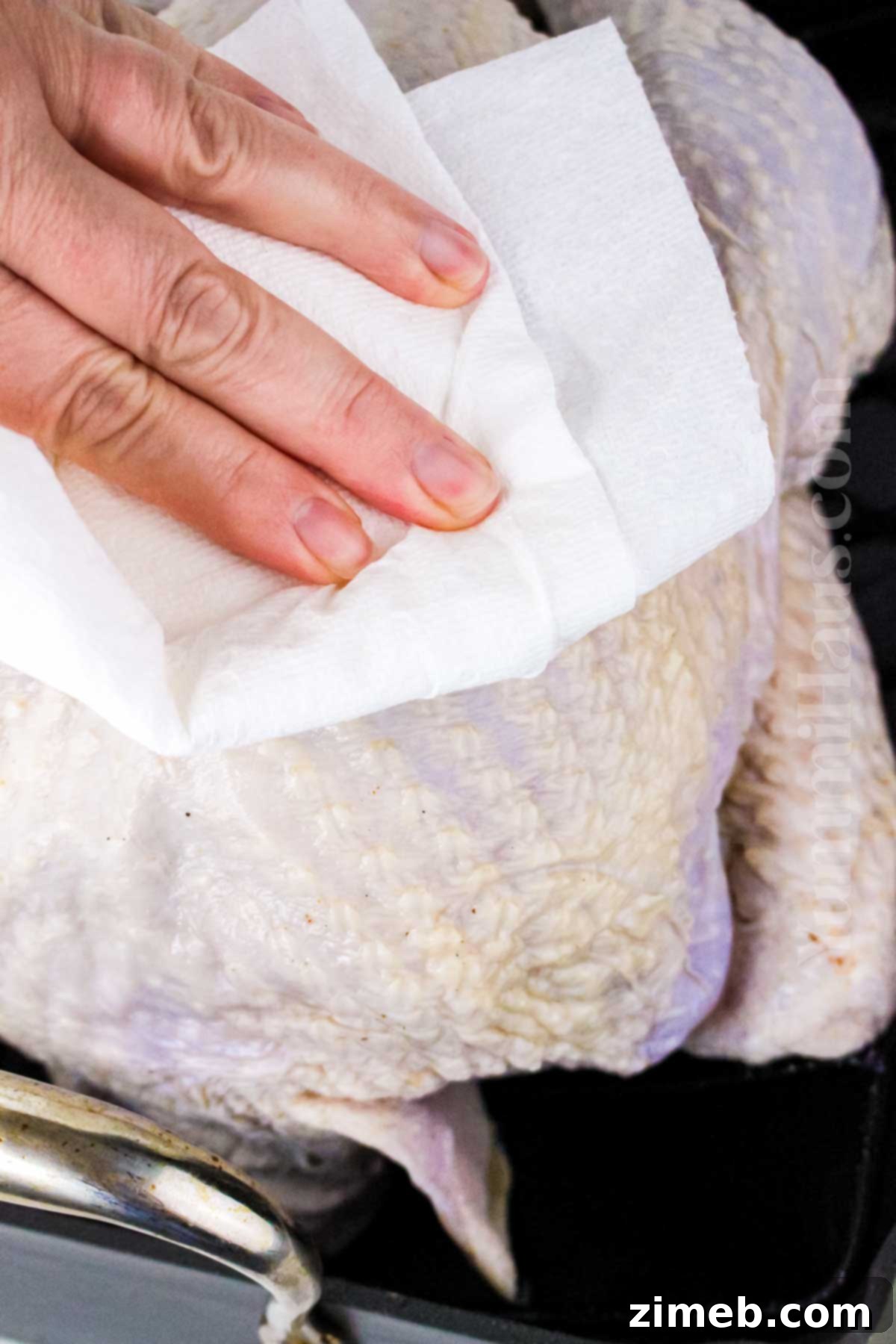
- Remove the turkey from the brine solution and discard the used brine. Pat the entire turkey, inside and out, thoroughly dry with paper towels. This step is crucial for achieving crispy skin. A very dry surface is essential for proper browning.
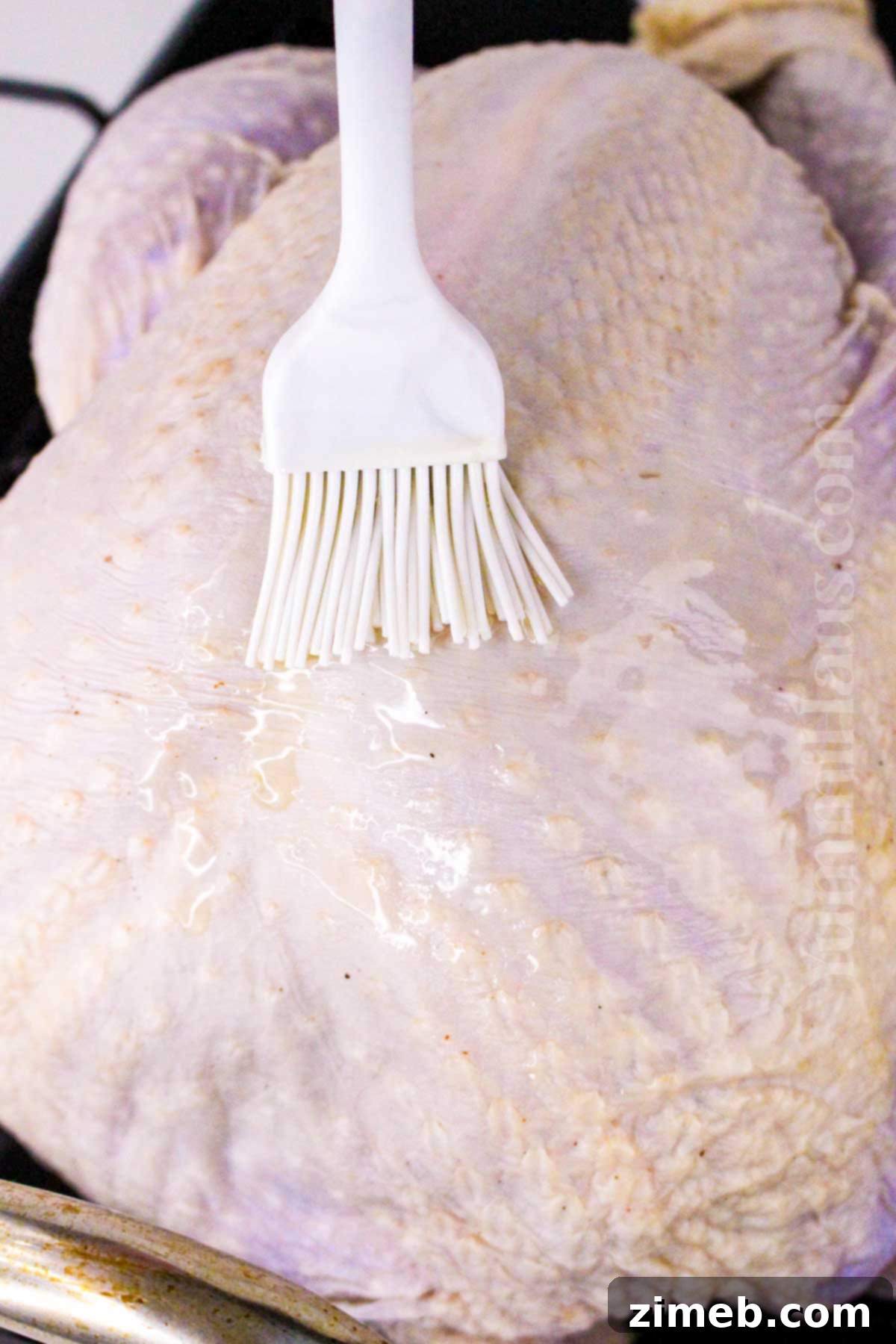
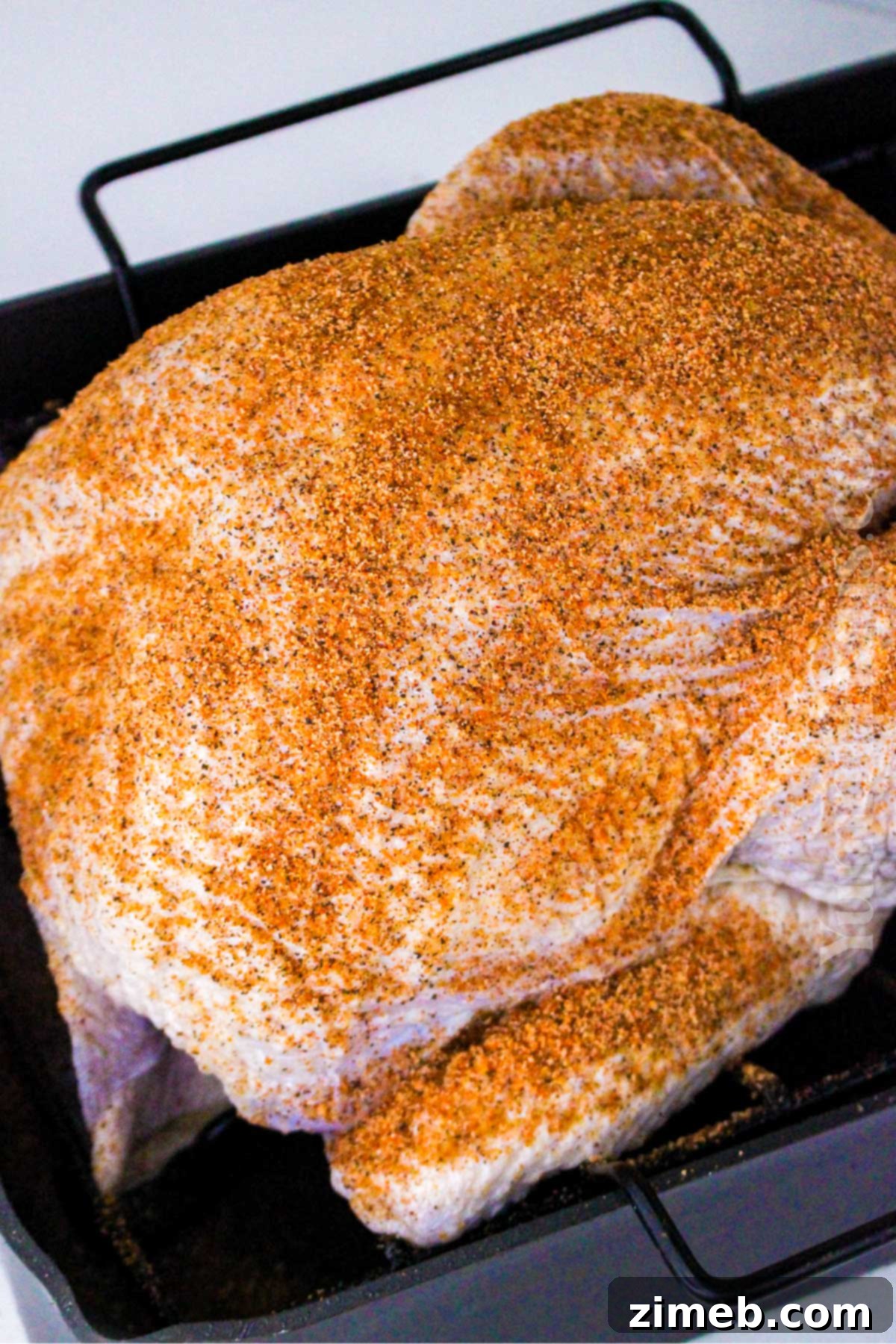
- Liberally rub the turkey skin with olive oil, then generously apply the Cajun rub seasoning, ensuring an even coating over all surfaces. You may want to wear gloves for this.
- Carefully transfer the seasoned turkey to a large roasting pan, ideally fitted with a V-rack or flat rack to allow for air circulation. To promote even cooking and a neat presentation, tuck the wings tips under the breast and tie the legs together with kitchen twine.
- Roast the turkey, uncovered, for approximately 3-4 hours. The total cooking time will vary depending on the turkey’s weight (allow roughly 13-15 minutes per pound for an unstuffed turkey). The turkey is fully cooked when an instant-read meat thermometer inserted into the thickest part of the thigh (without touching bone) registers 165 degrees F (74 degrees C). For extra moisture, you can cover the turkey tightly with aluminum foil for the first 3 to 3.5 hours of cooking, then remove the foil for the final 30 minutes to allow the skin to crisp and brown. Baste occasionally if you prefer, though the brine should maintain juiciness.
- Once the turkey reaches the target internal temperature, remove it from the oven and tent it loosely with foil. Allow the turkey to rest for at least 20-30 minutes before carving. This resting period is vital, as it allows the juices to redistribute throughout the meat, ensuring every slice is incredibly tender and succulent.
- Serve your magnificent Cajun Brined Turkey with classic holiday accompaniments such as creamy mashed potatoes, savory homemade gravy made from the pan drippings, and a tangy cranberry sauce to complete your festive feast.
Storing Your Cajun Brined Turkey and Brine Solution
Brine Solution: Unused, cooked Cajun brine can be safely stored in an airtight container in the refrigerator for up to 5 days, or frozen for longer periods. However, once the brine has been used to soak a raw turkey, it must be discarded immediately to prevent bacterial contamination. Never reuse brine that has come into contact with raw poultry.
Cajun Brined Turkey: Leftover cooked turkey meat is a treasure for future meals. Store carved turkey in an airtight container in the refrigerator for 3-4 days. It makes fantastic sandwiches, salads, stir-fries, and is perfect for adding to soups or casseroles. For longer storage, freeze cooked turkey meat in freezer-safe bags or containers for up to 3 months.
Cajun Turkey Substitutions & Creative Variations
- Cajun Injection for Extra Flavor: For an even more intense flavor boost and added moisture, consider injecting your turkey with a Cajun-spiced solution. Focus on thicker parts like the breast and thighs. While it can be a bit challenging, the results are incredible. Uncooked beer or chicken broth makes an excellent base for an injection solution, mixed with additional Cajun seasoning and perhaps a touch of melted butter.
- Cajun Smoked Turkey: If you own a pellet smoker, a Cajun-brined turkey takes on an entirely new dimension of flavor. Brine the turkey as directed, then pat it dry thoroughly and smoke it according to your smoker’s instructions, typically for 2-3 hours depending on size, until it reaches the safe internal temperature. The smoky aroma combined with the Cajun spices is absolutely phenomenal.
- Crispy Deep-Fried Turkey: For a dramatically crispy skin and incredibly moist interior, deep-frying is an exciting option. After brining and thoroughly drying, carefully lower the turkey into hot oil (heated to 365°F / 185°C) in a large, outdoor fryer. Cook for approximately 3.5 minutes per pound, or until the internal temperature reaches 165°F (74°C). Always follow strict safety precautions when deep-frying, ensuring you do so outdoors and away from flammable materials.
- Brine Mix-ins: Get creative with your brine! Enhance its complexity with additions like Creole mustard for a tangy depth, vegetable broth for a savory base, fresh apple slices or celery for subtle sweetness and aroma, Worcestershire sauce for umami, or a pinch of cayenne pepper and extra paprika for more heat and color. Using fresh sliced onion or celery instead of just powders is also a wonderful way to boost fresh flavors. Alternatively, an apple cider-based brine can be made without cooking, simply dissolving the salt and sugar directly into the cold cider, offering a different flavor profile.
- Turkey Rub Enhancements: While olive oil and Cajun seasoning create a fantastic crust, don’t hesitate to experiment. A compound butter, made by blending softened butter with herbs (like sage, rosemary, thyme) and garlic, can be rubbed under and over the skin for an extra rich and aromatic finish.
Expert Tips for Your Best Cajun Brined Turkey
- Choose the Right Container: Ensure your brining vessel (stockpot or food-grade bucket) is significantly larger than your turkey. The turkey must be completely submerged in the brine, so factor in both the bird’s volume and the liquid’s volume when selecting your container. A clean, dedicated brining bag can also be very helpful.
- Perfect for Planning Ahead: This recipe is incredibly forgiving and ideal for make-ahead holiday meal planning. Your turkey can safely remain in the brine solution in the refrigerator for up to 48 hours without becoming overly salty, allowing you flexibility in your cooking schedule.
- Ensure Complete Dissolution: For the best brine, make sure all the salt and sugar are fully dissolved. A pro tip is to first heat just a portion of the water with the salt and sugar until completely dissolved, then add the remaining cold water and other ingredients to cool it down quickly.
- Accurate Temperature is Key: Always check the internal temperature of your turkey in multiple locations, particularly in the thickest part of the thigh and breast, without touching any bone. The breast meat often takes longer to cook than other areas, so an accurate reading here is crucial for safety and doneness.
- Speed Up Brine Cooling: If you’re short on time and need to cool your brine quickly, prepare it in advance, then place the pot in a large sink or tub filled with ice water, stirring occasionally. This will bring the temperature down rapidly.
- Prioritize Food Safety: Raw poultry can harbor bacteria. Thoroughly clean and sanitize all surfaces, utensils, and equipment that come into contact with the raw turkey or used brine solution. Wash your hands frequently and avoid cross-contamination, especially important in households with children or individuals with compromised immune systems.
- Achieve Golden-Brown, Crispy Skin: After brining, a well-dried turkey skin (pat dry vigorously with paper towels) rubbed with oil and seasoning will crisp beautifully. For an extra crispy finish, consider increasing the oven temperature to 400°F (200°C) for the last 20-30 minutes of cooking, keeping a close eye to prevent burning.
- Use a Roasting Rack: Always roast your turkey on a rack inside your roasting pan. This elevates the bird, allowing hot air to circulate evenly around it, preventing a soggy bottom and promoting uniform cooking and browning on all sides.
Popular Questions About Brining and Roasting Turkey
How Long Should You Brine Your Turkey?
For a whole turkey, a minimum of 12 hours and ideally up to 24 hours in the brine solution is recommended for optimal flavor penetration and moisture retention. Smaller cuts, such as individual turkey breasts, require less time; typically, 2-4 hours is sufficient. The general rule is: the larger the turkey, the longer it should brine, ensuring the flavorful liquid has ample time to work its magic throughout the meat. Brining for too long (beyond 48 hours) can potentially make the turkey too salty or alter its texture.
Should You Rinse Your Turkey After Brining?
While some cooks prefer to rinse their turkey after brining to remove excess surface salt, it is not strictly necessary and can even pose a risk of cross-contamination in your kitchen. If you do choose to rinse, do so quickly and thoroughly under cold water, then immediately and meticulously clean your sink and surrounding area. The most important step after removing the turkey from the brine is to pat it thoroughly dry with paper towels before applying any rubs or oil. A dry surface is crucial for achieving that coveted crispy skin, whether you’re roasting, smoking, or frying it. Personally, I find that simply drying the turkey well after brining yields fantastic flavors without the need for rinsing.
How Do You Get Crispy Skin On A Brined Turkey?
Achieving crispy, golden-brown skin on a brined turkey is all about moisture management and proper cooking technique. First, ensure the turkey is exceptionally dry after removing it from the brine – pat it vigorously with paper towels, even letting it air dry in the refrigerator for an hour or two if time permits. Second, generously coat the skin with olive oil or melted butter, which helps conduct heat and promotes browning. Finally, use a dry spice rub and roast the turkey at a consistent, moderate temperature, potentially increasing the heat slightly towards the end of cooking (e.g., 400°F for the last 20-30 minutes) to crisp up the skin. Roasting on a rack also allows air to circulate, preventing a soggy underside.
Is It Better To Wet Brine Or Dry Brine A Turkey?
Both wet brining and dry brining have their merits, but for maximum moisture and an all-over flavor infusion, wet brining often has an edge, especially for leaner meats like turkey breast. Wet brining allows the turkey meat to absorb additional moisture, which translates to a more succulent, tender bird after cooking. The liquid brine also more readily penetrates the thicker parts of the meat, distributing flavor throughout. Dry brining, while excellent for achieving super crispy skin and concentrating surface flavors, primarily works on the exterior and draws out moisture to create a salty crust, which might not yield the same interior juiciness as a wet brine.
Can I Brine a Frozen Turkey?
No, you should never brine a frozen turkey. The turkey must be completely thawed before being submerged in the brine solution. Brining a partially or fully frozen turkey will prevent the brine from penetrating the meat effectively and can also pose a food safety risk. Plan ahead to ensure your turkey is fully thawed in the refrigerator (allowing approximately 24 hours for every 4-5 pounds of turkey) before beginning the brining process.
If you loved preparing this holiday Cajun Brined Turkey, you’ll definitely enjoy these other fantastic turkey recipes too. Click each link below to explore more easy and delicious options!
Grilled Turkey Legs
Grilled Turkey Legs offer a fantastic alternative to a traditional whole roasted turkey, perfect for smaller gatherings or adding variety to your holiday feast. Simple to prepare and bursting with flavor, they’re a delicious treat.
Check out this recipe
Instant Pot Turkey Breast
Discover the easiest way to achieve juicy, tender, and flavorful turkey breast with this Instant Pot recipe. It’s an ideal go-to for Thanksgiving, Christmas, New Year’s Day, or any time you crave perfectly cooked turkey.
Check out this recipe
Smoked Spatchcock Turkey
Smoked Spatchcock Turkey is a brilliant option for any time of year or your next holiday celebration. This Traeger turkey recipe is incredibly simple to follow and delivers a remarkably juicy, flavorful bird that will be the centerpiece of any meal.
Check out this recipe
Applewood Smoked Turkey for Traeger
Make Thanksgiving effortless and delicious with this Applewood Smoked Turkey for Traeger pellet grills! This practically foolproof turkey recipe yields a bird so juicy and flavorful, you’ll never want to bake a turkey in the oven again.
Check out this recipe
Perfect Roast Turkey
An easy, simple, and absolutely delicious recipe for How to Roast a Turkey that will have your guests raving and coming back for more.
Check out this recipe
Explore More Great Cajun-Inspired Recipes
Cajun Turkey Breast
Spicy Mac and Cheese
Classic Beignets Recipe
Savory Boudin King Cake
CONNECT WITH YUMMI HAUS!
Be sure to follow me on my social media, so you never miss a post!
Substack, FB, Pinterest, IG, Email Subscription
Rate this Recipe
Cajun Turkey Brine
Enhance your holiday turkey with this bold Cajun Turkey Brine that keeps your turkey juicy, tender, and packed with Cajun flair.
Pin Recipe
Save Recipe
Ingredients
Brine
- 1 gallon water
- ½ cup kosher salt
- ¼ cup brown sugar
- 3 tablespoons Cajun seasoning
- 1 tablespoon garlic powder
- 1 tablespoon onion powder
- 1 tablespoon black pepper
- 2 bay leaves
- 5 thyme (4-5 sprigs)
- 1 lemon (quartered)
- 4 cloves garlic (smashed)
To Make
- 1 whole turkey (12-14 lbs, thawed)
- 2 tablespoons olive oil
- 2 tablespoons Cajun seasoning
Instructions
To Brine Preparation
- Ensure you have a large cleared area in your refrigerator to fit the stockpot you will be using.
- Combine the water, kosher salt, brown sugar, Cajun seasoning, garlic powder, onion powder, black pepper, bay leaves, thyme, lemon, and smashed garlic in a large stockpot. (Make sure it’s large enough to fit both the liquid ingredients and the turkey.)
- Heat the mixture over medium heat, bringing it to a boil. Remove from heat and allow it to cool completely in the stockpot before proceeding.
To Brine the Turkey
- Once the brine has cooled, submerge the turkey in the brine in the same pot. Ensure it is completely covered.
- Place the lid on the pot or cover securely with plastic wrap or foil and refrigerate for at least 12-24 hours.
To Cook the Turkey
- Preheat your oven to 325 degrees F (160°C).
- Remove the turkey from the brine and pat it thoroughly dry with paper towels.
- Rub the turkey skin with olive oil and the Cajun seasonings, coating it evenly.
- Transfer the turkey to a roasting pan. Tuck the wings under the breast and tie the legs together.
- Roast, uncovered, for 3-4 hours (depending on weight) or until the internal temperature reaches 165 degrees F (74°C) in the thickest part of the thigh. Baste occasionally, or cover tightly with foil for the first 3-3.5 hours to retain moisture, then remove foil for the final 30 minutes to crisp the skin.
- Allow the turkey to rest for 20-30 minutes before carving.
Equipment
- Large stockpot
- Roasting pan (optional, with a rack)
- Meat thermometer (optional)
- Kitchen gloves (optional)
Nutrition
Serving: 1 serving | Calories: 689 kcal | Carbohydrates: 9g | Protein: 87g | Fat: 32g | Saturated Fat: 9g | Cholesterol: 312mg | Sodium: 5061mg | Potassium: 1312mg | Fiber: 2g | Sugar: 5g | Vitamin C: 6mg | Calcium: 109mg | Iron: 9mg | Net Carbohydrates: 7g
Nutritional information for this recipe is provided as a courtesy and is approximate. Please double-check with your own dietary calculator for the best accuracy. We at Yummi Haus cannot guarantee the accuracy of the nutritional information given for any recipe on this site.
Love this recipe?
Follow @KleinworthCo for even more tasty recipes!