
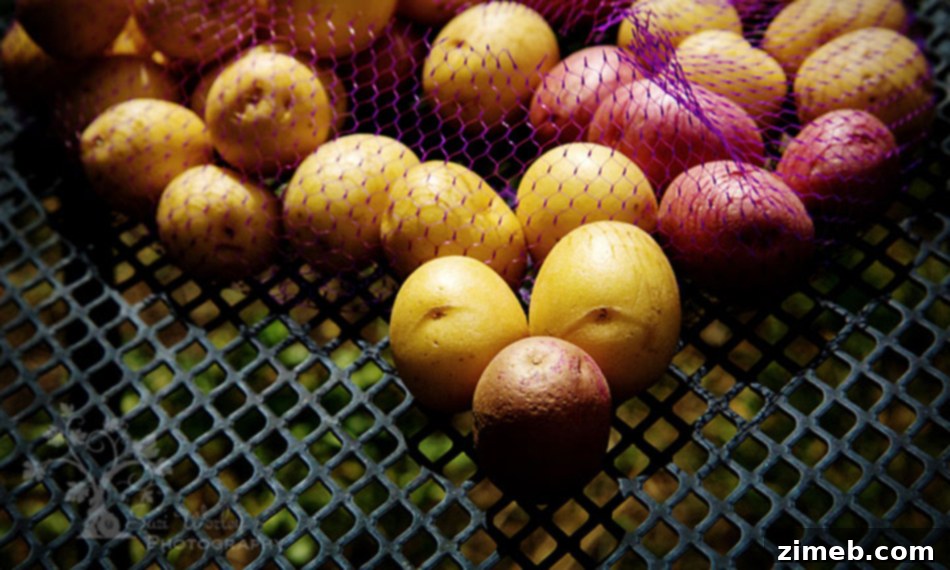
Welcome to a special edition of our gardening series! Today, we’re thrilled to host the incredibly talented Suzi Worley, a seasoned gardener and dear friend from California. Many of you know my personal connection to California, and Suzi’s shared insights always bring a little piece of home to my feed. With spring officially in full swing and the vibrant planting season well underway, I know many of you, like me, are eagerly anticipating getting your hands dirty and cultivating something truly beautiful and productive. Suzi is here to generously share her invaluable expertise on creating a thriving garden, drawing from years of dedicated experience and a passion that truly shines through her consistently successful yearly harvests. Her knowledge on sustainable and productive gardening is truly unmatched, and we’re particularly excited today as she delves deep into the rewarding world of potato cultivation – a staple in many home gardens. So, let’s extend a warm welcome to Suzi and prepare to transform our gardening aspirations into a bountiful reality!
It’s an absolute honor and pleasure to be a featured contributor here on Kleinworth & Co! Gina has graciously asked me to share some of my favorite gardening wisdom and time-tested tips, and the timing truly couldn’t be more perfect, especially with Northern California bustling during its peak planting season. My own roots trace back to an Iowa farm, where gardening wasn’t merely a hobby but a deeply ingrained way of life, diligently passed down through generations. Visiting any family member’s home often started with an enthusiastic, almost mandatory invitation to “Come see what’s growing in my garden!” It was a tradition deeply woven into the fabric of our community and daily lives. I recall vividly the common sight of neighbors diligently digging holes in their gardens on Good Friday – a steadfast, almost sacred tradition often reserved specifically for planting potatoes. While we also meticulously consulted the “Almanac” to precisely time our potato planting, typically aiming for 4-6 weeks before the last predicted frost date, there was always a special, almost superstitious, adherence to planting some potatoes on Good Friday, irrespective of the weather, purely for good luck. This held true even if it meant planting them in a small pot on a windowsill due to lingering snow on the ground!
Choosing Your Potato Seeds: The Essential Foundation for a Successful Harvest

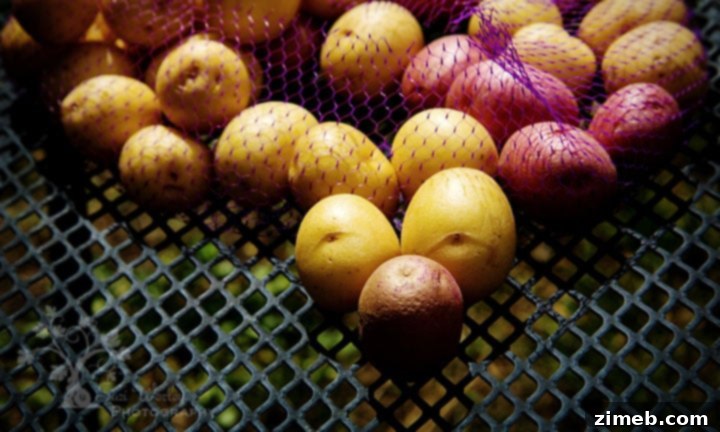
When it comes to embarking on your potato patch journey, the first and arguably most crucial step is the meticulous selection of the right “seed potatoes.” It’s vital to understand from the outset that “seed potatoes” are not actual botanical seeds in the conventional sense, but rather potatoes that have been specifically grown, harvested, and prepared for planting. These are typically whole small potatoes or cut pieces of larger potatoes, each containing at least one “eye,” from which new plants will sprout and flourish. While most reputable gardening catalogs and nurseries offer specialized “seed potatoes”—which are an excellent, highly reliable choice due to their certified disease-free status and proven genetics—I have also had considerable success in my garden using organic potatoes purchased directly from grocery stores or even carefully stored leftover potatoes from the previous year’s harvest. However, a significant word of caution is absolutely necessary here: using store-bought or old potatoes carries inherent risks. They can sometimes harbor latent diseases or unwelcome pests like nematodes, which could potentially contaminate your precious garden soil for future crops. To minimize these risks significantly and ensure the healthiest possible start for your potato plants, opting for certified seed potatoes is generally the safest and most recommended bet. If you do choose to use organic potatoes from a store or farmers market, it is absolutely essential to confirm they haven’t been treated with sprout inhibitors, which are commonly applied to conventional produce to extend shelf life and will, unfortunately, prevent them from growing. Always select potatoes that are firm, visibly healthy, and completely free from blemishes, soft spots, or any signs of decay for planting.
Preparing Your Potatoes for Optimal Growth and Yield
The condition and preparation of your chosen seed potatoes prior to planting play a pivotal role in determining their subsequent success and the overall yield of your harvest. Ideally, for best results, they should be slightly “dry” to the touch, which indicates they have begun to develop a desirable protective skin, or have been “chitted” (a process of encouraging sprouts). It is imperative to avoid any potatoes that appear wrinkled, cracked, overly soft, or spotty, as these visual cues often point to severe dehydration, underlying disease, or the early stages of spoilage. If a potato appears too fresh or feels overly moist immediately after being cut, it is highly susceptible to rotting in the ground rather than successfully sprouting. To effectively prevent this common issue, it is strongly recommended to “cure” your cut potato pieces. This simple yet effective process involves allowing them to sit uncovered in a warm (around 60-70°F or 15-21°C), well-ventilated room, away from direct sunlight, for a period of one to two days. This crucial curing encourages a protective “skin” or callus to form over all the cut surfaces. This newly formed callus acts as a robust natural barrier, shielding the potato pieces against rot and various diseases once they are planted in the soil. This seemingly small preparatory step can, in fact, make an immense difference in the overall health, vigor, and ultimate yield of your potato plants.
The Art and Science of Potato Planting: Mastering Soil, Spacing, and Hilling Techniques
Successful potato cultivation fundamentally hinges on two unequivocally critical environmental factors: an abundance of direct sunlight and exceptionally good soil drainage. Potatoes are ardent sun-loving plants, demanding at least 6-8 hours of direct, unfiltered sunlight daily to produce a robust, healthy, and high-yielding harvest. Equally, if not more, important is planting them in well-drained soil. While potato plants certainly appreciate consistent moisture for optimal growth, they absolutely detest and will quickly succumb to waterlogged conditions, which invariably lead to tuber rot, fungal diseases, and stunted growth. Our meticulous soil preparation typically commences a full week before the anticipated planting day, where we meticulously dig the garden soil down about 2 feet. This deep digging process is vital as it helps to effectively break up any hardpan or compacted layers, thereby ensuring superior drainage, enhanced aeration, and deeper root penetration. Following this initial deep digging, we then proceed to till the top 12 inches of soil, creating a beautifully loose, friable, and clump-free bed that is absolutely ideal for robust root development and healthy tuber formation. Incorporating generous amounts of organic matter, such as well-rotted compost or aged manure, at this crucial stage can further enrich the soil, providing essential slow-release nutrients, significantly improving its structure, and enhancing its water-holding capacity without impeding drainage.
From Seed Piece to Sprout: The Exacting Process of Planting Potatoes
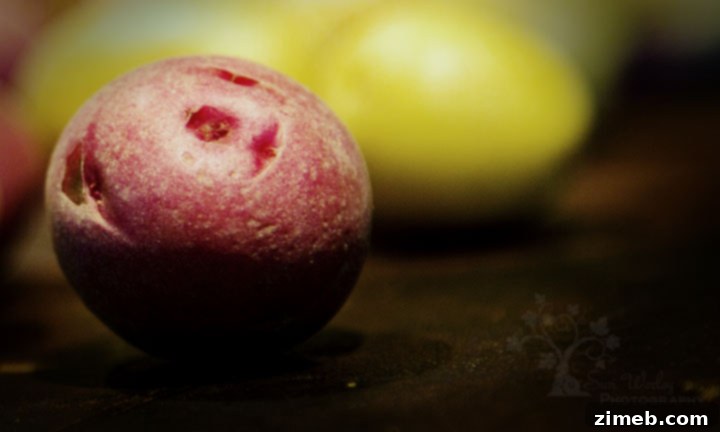
Once your garden soil is perfectly prepared and your carefully cured seed potatoes are ready, it’s time for the exciting step of planting. Begin by carefully slicing your potatoes into pieces, ensuring that each individual piece is at least ½ inch in size and, critically, contains at least one clearly visible “eye” or sprout. These “eyes” are the embryonic buds from which the entire new potato plant will eventually grow and flourish. You can clearly observe these tiny growth points in the accompanying picture, indicating where life will emerge. For planting, create holes or trenches approximately 3 inches deep and meticulously space them about 1 foot apart within your prepared garden bed. Place each potato piece into the ground with the cut side facing down and the “eyes” pointing upwards towards the sky, allowing for optimal upward growth and sunlight exposure. There’s a slight strategic consideration here regarding the number of eyes: if you are specifically aiming for fewer, but significantly larger, potatoes, then it is advisable to select larger potato pieces with just one or two eyes. Conversely, planting smaller whole seed potatoes or larger pieces with multiple eyes will typically yield a greater number of smaller, “new” potatoes, often prized for their tender skin and delicate flavor. This year, I’m personally experimenting with planting some whole, smaller seed potatoes directly into containers to observe and compare the differences in yield and overall tuber size in a more controlled environment.
The Indispensable Practice of Hilling Potatoes for Enhanced Yield
As your diligently planted potato plants grow and reach a height of approximately 8-12 inches, a crucial and highly beneficial practice known as “hilling” or “mounding” comes into play. Hilling involves carefully mounding more soil (or a mixture of soil and compost) around the base of the potato stems, creating a small hill or ridge. This technique serves several incredibly vital purposes for successful potato cultivation. Firstly, and most importantly, it actively encourages the plant to produce more tubers, as potatoes primarily form along the underground stem. By covering more of the stem, you essentially provide more surface area for tuber development. Secondly, hilling is absolutely essential for protecting the developing potatoes from direct sunlight exposure. If potato tubers are exposed to light, they can turn green, which is a clear indication of the presence of solanine. Solanine is a naturally occurring glycoalkaloid toxin that makes potatoes taste bitter and, in larger quantities, can actually be harmful if consumed, leading to digestive upset or more severe symptoms. Therefore, it’s imperative to continually add soil around the growing stems as needed throughout the plant’s life cycle to keep all developing tubers thoroughly covered and effectively prevent this “green sunburn.” This proactive and continuous step ensures that your potato harvest is not only abundant but also entirely safe, delicious, and of the highest quality.
Companion Planting: Nurturing Your Garden Naturally and Effectively
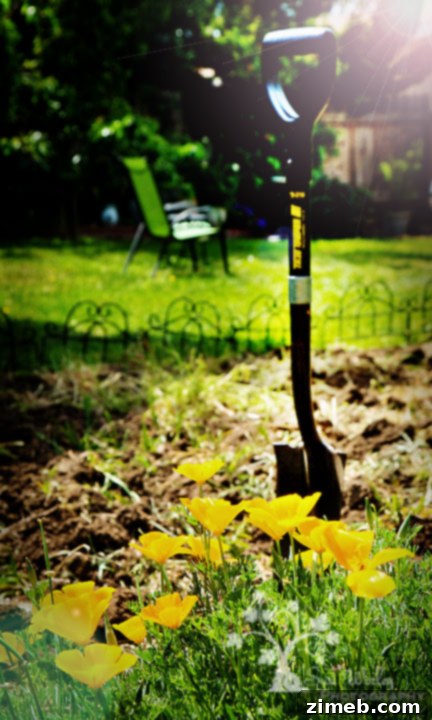
Whenever and wherever possible, I am an enthusiastic proponent of seamlessly integrating companion planting into my garden design. This sustainable and ecologically intelligent practice involves strategically planting different species together in close proximity to enhance mutual growth, naturally deter various pests, and provide robust protection against diseases, ultimately fostering a healthier, more vibrant, and remarkably productive organic garden ecosystem. Certain plants, when thoughtfully placed near others, can create a beneficial microclimate, effectively attract desirable beneficial insects that act as natural pest control, or even release specific chemicals from their roots or foliage that actively repel harmful garden pests. For potato plants, specifically, selecting the right companion plants can make a truly significant difference in warding off common threats and substantially boosting their overall vigor, health, and yield. Below is a comprehensive and carefully curated list of plants that either directly benefit potatoes or demonstrably thrive when planted near them. I urge you to pay special attention to the items highlighted in bold; these are the true powerhouses in the potato patch, offering robust disease resistance, especially against devastating blight, and actively repelling notorious and destructive pests like the Colorado potato beetle and the dreaded tomato bug.
Beneficial Companion Plants for Potatoes:
- Beans: Legumes like pole beans and bush beans are incredible nitrogen fixers, meaning they enrich the soil naturally with essential nitrogen, which directly benefits heavy feeders like potato plants.
- Broccoli & Cabbage: While they can generally grow near potatoes without significant issues, ensure adequate spacing and diligent nutrient management for both.
- Chives: Known for their pest-deterring properties, chives help repel various common garden pests, including aphids and potato beetles, through their strong scent.
- Corn: Taller corn stalks can provide beneficial shade for potato plants in extremely hot climates. However, both are heavy feeders, so ensure ample nutrients and water are available.
- Coriander/Dill: These aromatic herbs are excellent at attracting beneficial predatory insects, such as lacewings and ladybugs, which prey on harmful pests like the potato beetle.
- Garlic: A potent ally in the garden, garlic is especially effective at combating late blight and various other fungal diseases that commonly affect potato plants.
- Horseradish: This robust plant is particularly effective at repelling the destructive Colorado potato beetle, making it a valuable companion.
- Leeks & Onions: Like garlic, these members of the allium family help deter a range of common garden pests with their pungent aroma.
- Lettuce, Radish, Spinach, Turnip: These shallow-rooted plants are excellent choices as they won’t compete significantly for deep soil nutrients with potatoes and can effectively act as beneficial living ground cover, suppressing weeds.
- Nasturtium: Acts as a fantastic trap crop for aphids, drawing them away from your potato plants. It also effectively repels potato beetles.
- Peas: Similar to beans, peas are nitrogen-fixing legumes that significantly enrich the soil, directly benefiting potato growth. They can also contribute to deterring potato beetles.
Plants to Avoid Near Potatoes (Bad Neighbors):
Just as certain plants are excellent companions, others can unfortunately hinder potato growth, invite pests, or even instigate disaster. It is absolutely crucial to avoid planting potatoes near any members of the Solanaceae (nightshade) family, as they frequently share common pests and diseases, most notably the devastating late blight. Planting them together can exacerbate disease spread exponentially and intensify competition for vital soil resources. These include:
- Asparagus
- Carrot
- Cucumbers
- Eggplant
- Peppers (Bell peppers, chili peppers, etc.)
- Pumpkins
- Raspberries
- Squash (Zucchini, winter squash, etc.)
- Sunflowers
- Tomatoes: This is arguably the most critical plant to avoid pairing with potatoes. Both potatoes and tomatoes are highly susceptible to the same strains of late blight, and planting them in close proximity is a surefire way to quickly spread this devastating fungal disease throughout your entire garden, potentially leading to widespread crop failure. Maintain significant separation.
Beyond Planting: Essential Care and Harvesting Strategies for Your Potato Patch
Once your potatoes are successfully planted and meticulously hilled, consistent and attentive care will be the key to ensuring a truly bountiful and rewarding harvest. It is imperative to keep the soil consistently moist but never, under any circumstances, waterlogged. Deep, infrequent watering is generally far superior to shallow, frequent watering, as it actively encourages the development of deeper, more robust root systems, making the plants more resilient. Potatoes are moderate feeders, so a balanced fertilizer with a slightly lower nitrogen content (to encourage tuber growth over excessive leafy greens) can be judiciously applied once the plants are well-established and showing vigorous growth. Regularly monitor your plants for any early signs of common potato pests like the ubiquitous Colorado potato beetle or potato leafhoppers, and diseases such as early or late blight. Organic pest control methods, such as diligent hand-picking of beetles, introducing beneficial insects, or applying organic neem oil, can be highly effective. Ensuring good air circulation around your plants through proper spacing also plays a significant role in preventing the onset and spread of various fungal diseases.
Harvesting your homegrown potatoes is the incredibly exciting and fulfilling culmination of all your dedicated efforts! For “new potatoes,” which are tender and best eaten fresh, you can begin to gently dig around the plants approximately 2-3 weeks after they have finished flowering, carefully picking smaller tubers while allowing the main plant to continue its growth cycle. For larger, mature “storage potatoes,” it is best to wait until the plant’s foliage naturally begins to yellow, wither, and eventually die back completely, which typically occurs 2-3 weeks after the tops have fully withered. This clear indication signals that the tubers have matured underground, developed thicker skins, and are ready for harvesting and storage. Dig carefully with a fork or spade to avoid bruising or damaging the precious potatoes. After harvesting, allow your potatoes to “cure” in a cool, dark, humid place (ideally around 50-60°F or 10-15°C) for about 1-2 weeks. This crucial final curing process further toughens their skins, allows any minor scrapes to heal, and significantly improves their long-term storage life. Store cured potatoes in a cool, dark, well-ventilated area, ideally between 45-50°F (7-10°C), away from direct light to prevent greening and premature sprouting, ensuring you can enjoy your delicious harvest for months to come.
Do you cultivate a garden yourself, or perhaps dream of starting one? If so, what brings you the most joy or satisfaction to grow? Perhaps you have a secret tip for naturally deterring pests, a unique method for enriching your soil, or a special family gardening tradition you cherish. If you happened to miss the traditional Good Friday potato planting, fret not! There’s almost certainly still ample time in many regions across the country, and countless other delightful vegetables, aromatic herbs, and beautiful flowers eagerly await their spot in your garden or even on a sunny windowsill. I’ll be back in May to share some of my favorite planting combinations and look forward immensely to hearing all about the vibrant life flourishing in your own unique gardens!
~ Suzi
A huge and heartfelt thank you to Suzi for generously sharing these fantastic, actionable, and truly insightful gardening tips. I’ve personally gained so much valuable knowledge today and am incredibly eager to apply these newfound insights to my own gardening endeavors this season! For more inspiring content, beautiful photography, and to explore Suzi’s impressive body of work, be sure to visit her online portfolio:
Suzi Worley Photography
Discover More Gardening Inspiration to Cultivate Your Dream Garden!

Spring Gardening Inspiration: Refresh and Revitalize Your Garden