
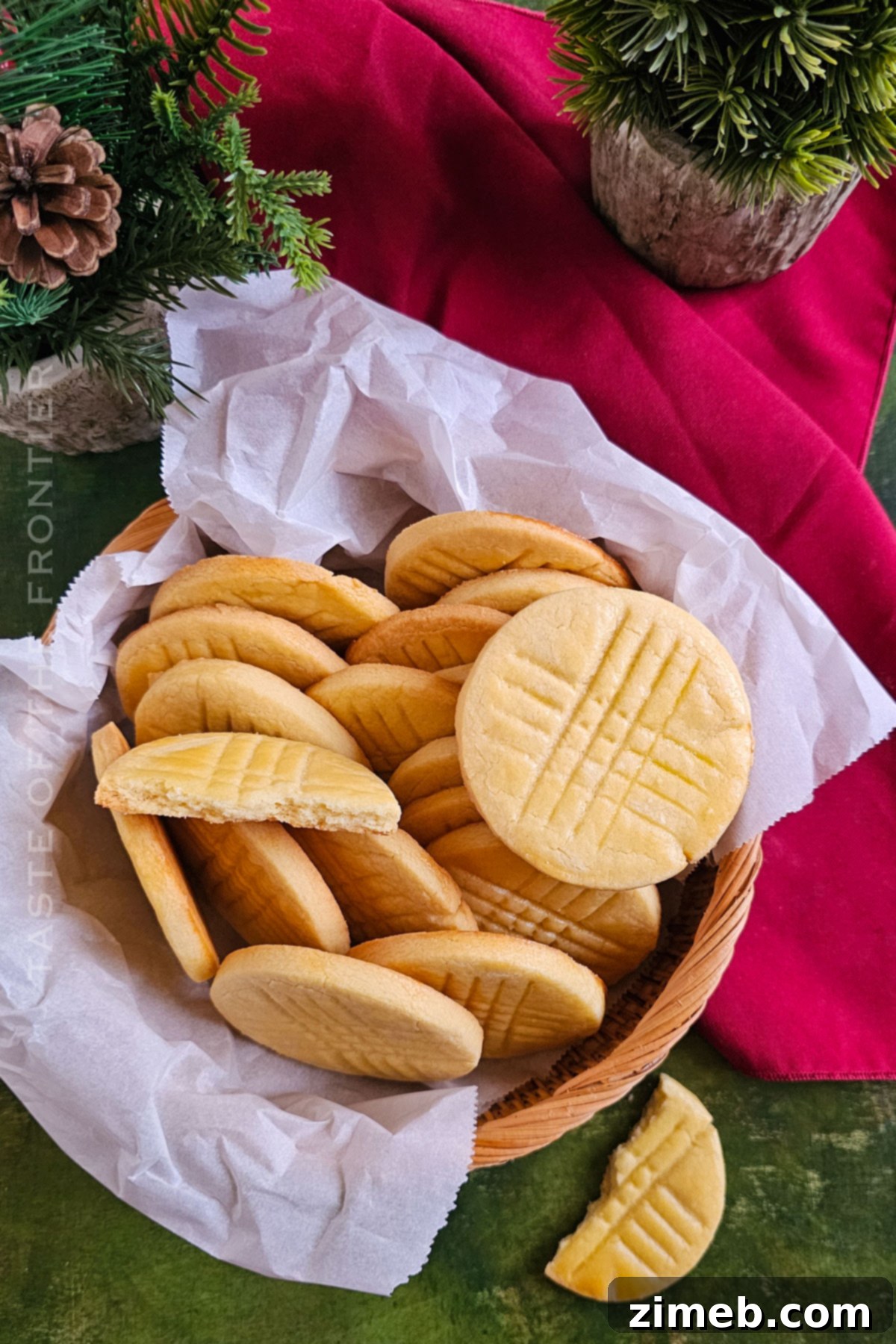
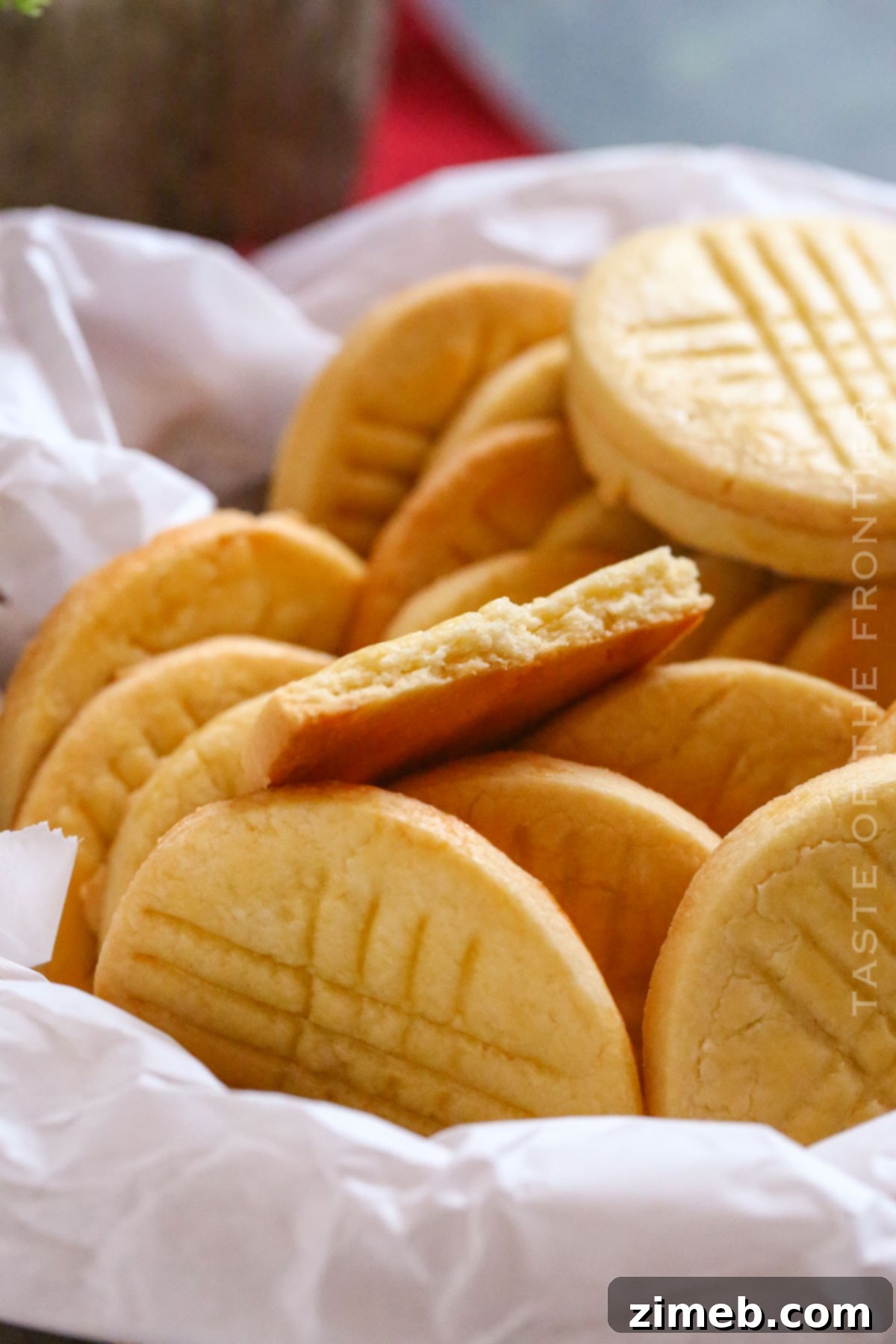
Sable Breton, also known as French Butter Cookies, are renowned for their uniquely crisp edges, tender, melt-in-your-mouth crumble, and exquisitely rich butter flavor. These traditional French delights are mildly sweet, making them a perfect accompaniment for any moment, from a tranquil afternoon tea to a festive dessert spread.
Embark on a culinary journey to the heart of Brittany, France, with our comprehensive guide to mastering the art of Sable Breton. These aren’t just cookies; they are a testament to the elegant simplicity of French baking, transforming a handful of quality ingredients into an unforgettable experience. Imagine sinking your teeth into a golden-baked treasure, its delicate crumb dissolving on your tongue, leaving a lingering, luxurious buttery taste that beckons for just one more bite.
Sable Breton cookies are a celebration of pure butter flavor and an unparalleled texture. Their distinctive “sandy” consistency (the meaning of “sable” in French) and beautiful golden hue make them a staple in French patisseries and a beloved treat worldwide. Whether you’re a seasoned baker or a curious beginner, this recipe promises a rewarding experience, culminating in a batch of cookies that are as simple to make as they are profoundly delicious.
What Makes Sable Breton So Special?
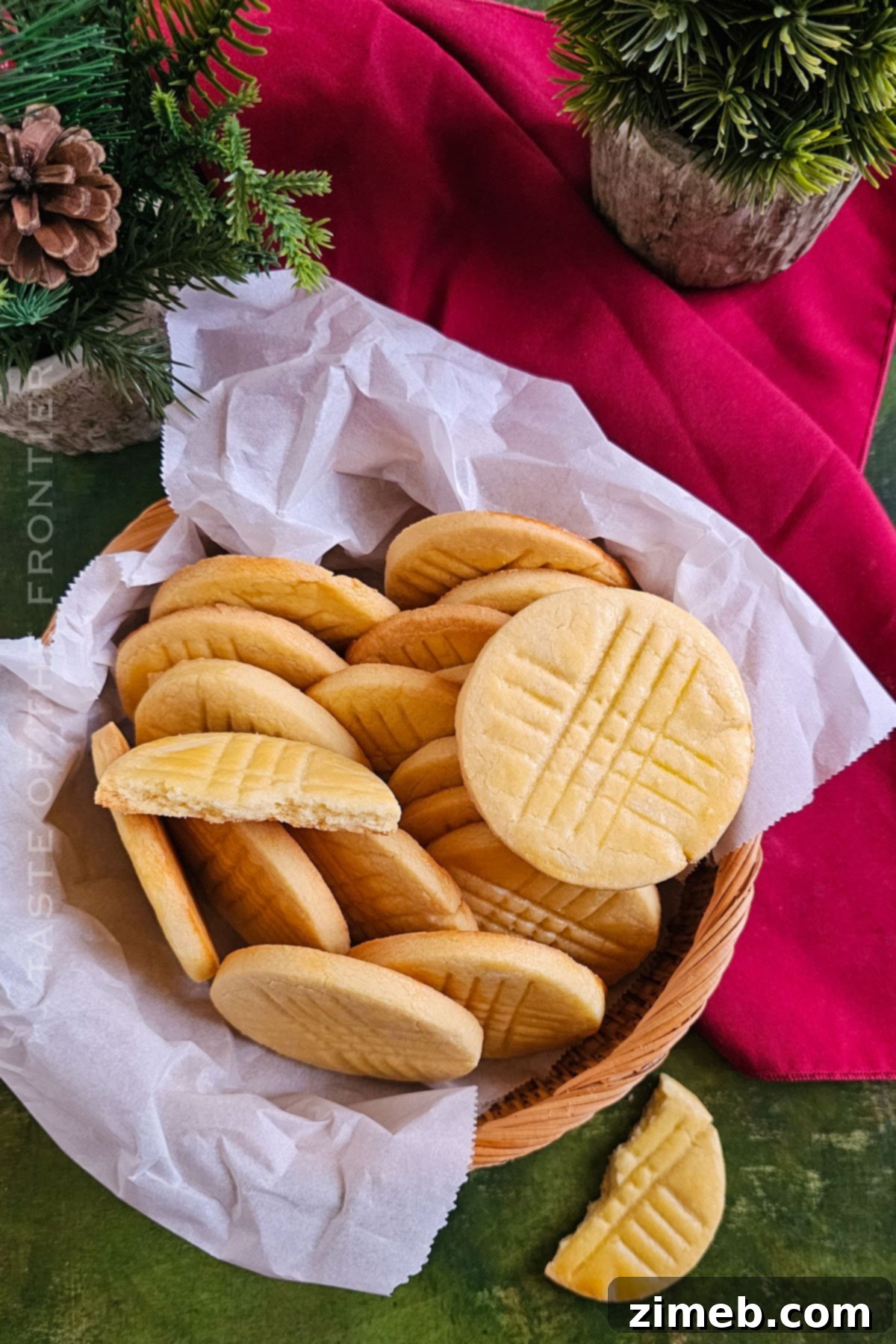
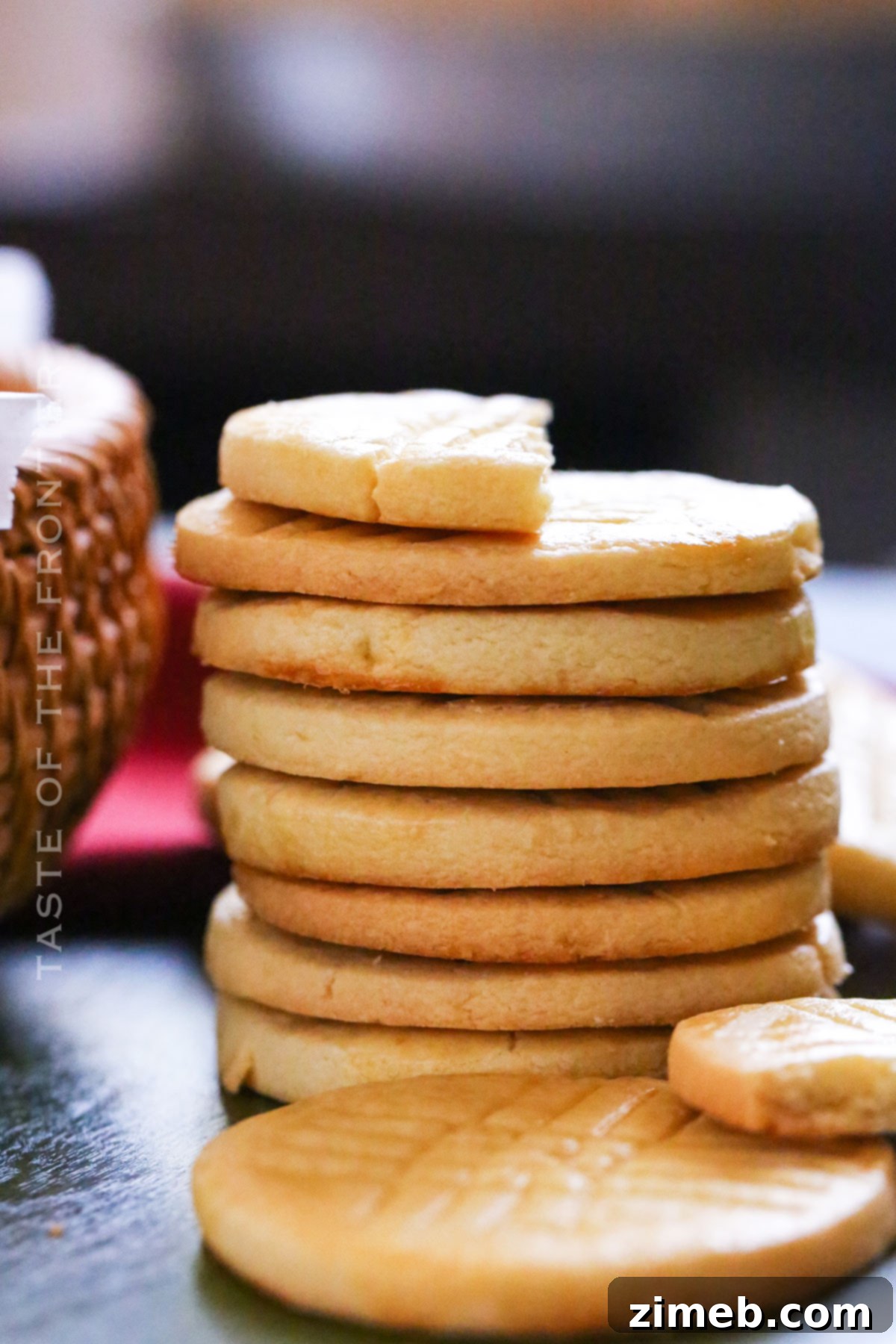
At the heart of every exquisite Sable Breton cookie lies a perfect balance of texture and flavor. Unlike many butter cookies that aim for a uniform crispness, Sable Breton boasts a unique duality: a satisfying snap at the edges giving way to an incredibly tender, almost crumbly interior that melts effortlessly in your mouth. This signature “sandy” texture, from which the cookie derives its name, is achieved through a precise combination of ingredients and technique.
Their rich, unadulterated butter flavor is another hallmark, a direct result of using high-quality butter. These cookies are not overly sweet, allowing the nuanced notes of butter and vanilla to truly shine. The slight hint of salt perfectly balances the sweetness, creating a complex flavor profile that is both comforting and sophisticated. This makes them incredibly versatile, equally delightful on their own or as a base for more elaborate desserts.
The Crucial Role of European-Style Butter
When it comes to baking Sable Breton, the choice of butter is paramount. European-style butter stands out for its higher fat content, typically around 82-84%, compared to American butter, which usually hovers around 80%. This elevated butterfat percentage is not merely a detail; it’s a game-changer for these cookies.
The extra fat contributes significantly to the cookie’s rich, deep buttery flavor and its characteristic tender, crumbly texture. Less water content means a more concentrated butter flavor and less steam during baking, leading to a crispier edge and a more delicate crumb. If you’ve never experimented with European-style butter in your baking, this is the perfect recipe to discover its transformative power. It’s an investment in flavor and texture that truly pays off, yielding cookies that are superior in every bite.
Mastering the Sandy Texture: A Baker’s Guide
Achieving the distinctive “sandy” texture of Sable Breton is a key element of this recipe’s success, and it largely hinges on two critical factors: the quality of your butter and your dough handling technique. As discussed, high-fat European-style butter provides the foundation for richness and a delicate crumb. The butter coats the flour particles, preventing excessive gluten development, which is essential for that signature melt-in-your-mouth quality.
Equally important is avoiding overworking the dough. When you mix or knead the dough excessively, you encourage the development of gluten, leading to a tougher, chewier cookie. For Sable Breton, we desire a tender, short texture. Mix just until the ingredients are combined and the dough comes together. The goal is to minimize gluten activation, preserving the sandy, crumbly structure that defines these elegant French butter cookies. Handle the dough gently and only as much as necessary, and you’ll be rewarded with perfectly tender Sable Breton.
Essential Ingredients for Authentic Sable Breton
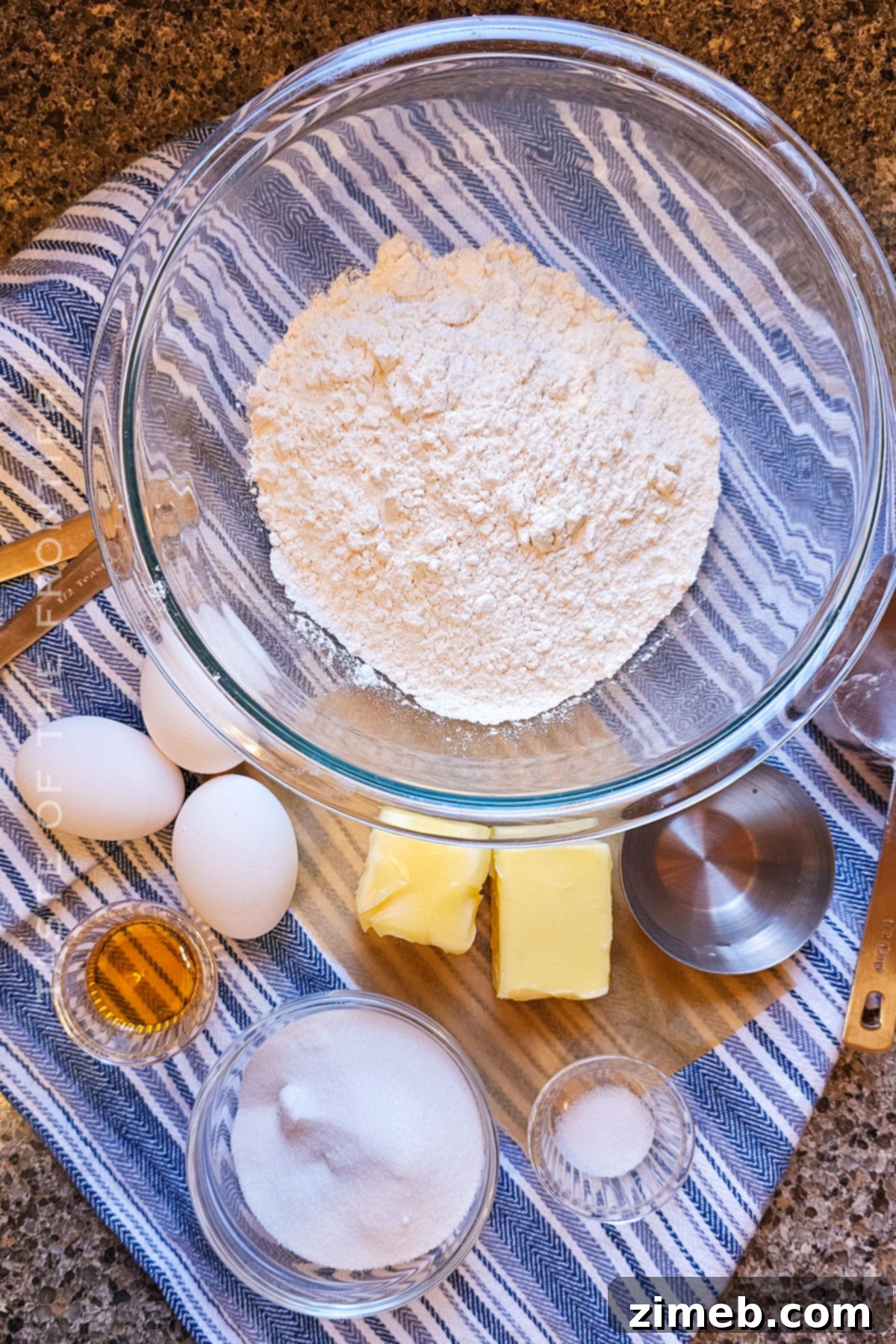
While Sable Breton is celebrated for its simplicity, each ingredient plays a vital role in crafting its iconic taste and texture. Our recipe opts for granulated sugar over brown sugar to maintain the cookie’s bright, pure butter flavor and its characteristic golden hue. Granulated sugar also contributes to the crispness without adding moisture that could alter the crumbly texture.
Egg yolks, used in this recipe, are critical for richness and binding without adding too much liquid, further enhancing the tender crumb. Using egg yolks at room temperature ensures they incorporate smoothly into the butter and sugar mixture, preventing a curdled appearance. A touch of vanilla extract deepens the flavor profile, adding a warm, aromatic note that complements the butter beautifully. All-purpose flour provides the necessary structure, while a pinch of table salt balances the sweetness and enhances all the other flavors. Finally, a small amount of water is used in the egg wash, which helps create that gorgeous, shiny, golden-brown finish.
Storage for Lasting Freshness
These delightful French butter cookies are so irresistible, you’ll want to ensure you have a batch readily available for any craving! Proper storage is key to maintaining their delicate texture and rich flavor.
- Refrigerator: Once completely cooled, store your Sable Breton in an airtight container at room temperature. They will remain wonderfully fresh for up to one week, though it’s likely they won’t last that long!
- Freezer: For longer storage, tightly wrap the cooled cookies in cling film, then place them in a freezer-safe bag or container. They can be frozen for up to three months. To enjoy, simply thaw them at room temperature. You can even warm them slightly in a low oven for a fresh-baked taste and aroma.
Tips for Flawless French Butter Cookies
Creating perfect Sable Breton is an enjoyable process, and a few key tips can elevate your baking experience and ensure a stellar outcome every time. Remember, patience and attention to detail are your best allies:
- Room Temperature Ingredients are Non-Negotiable: Ensure your European-style butter and egg yolks are at true room temperature. This allows them to cream together perfectly with the sugar, creating a smooth, emulsified base for your dough. Cold ingredients lead to lumpy batter and can affect the final texture.
- Mix Gently, Not Vigorously: Overmixing develops gluten, which can make your cookies tough instead of tender and crumbly. Mix the butter and sugar until light and fluffy, then add other ingredients just until combined. Stop mixing as soon as the dough forms.
- Chilling is Critical: Do not skip the chilling step! Refrigerating the dough for at least 30 minutes (or longer) firms up the butter, which prevents the cookies from spreading too much in the oven. It also makes the dough much easier to handle and roll. If your dough chills too long and becomes too hard, let it sit at room temperature for a short while until it’s pliable enough to roll out.
- The Magic of an Egg Wash: A light brush of egg wash (egg yolk whisked with water) before baking gives Sable Breton its beautiful golden sheen and adds a subtle richness to the crust. It’s a simple step that makes a big visual difference.
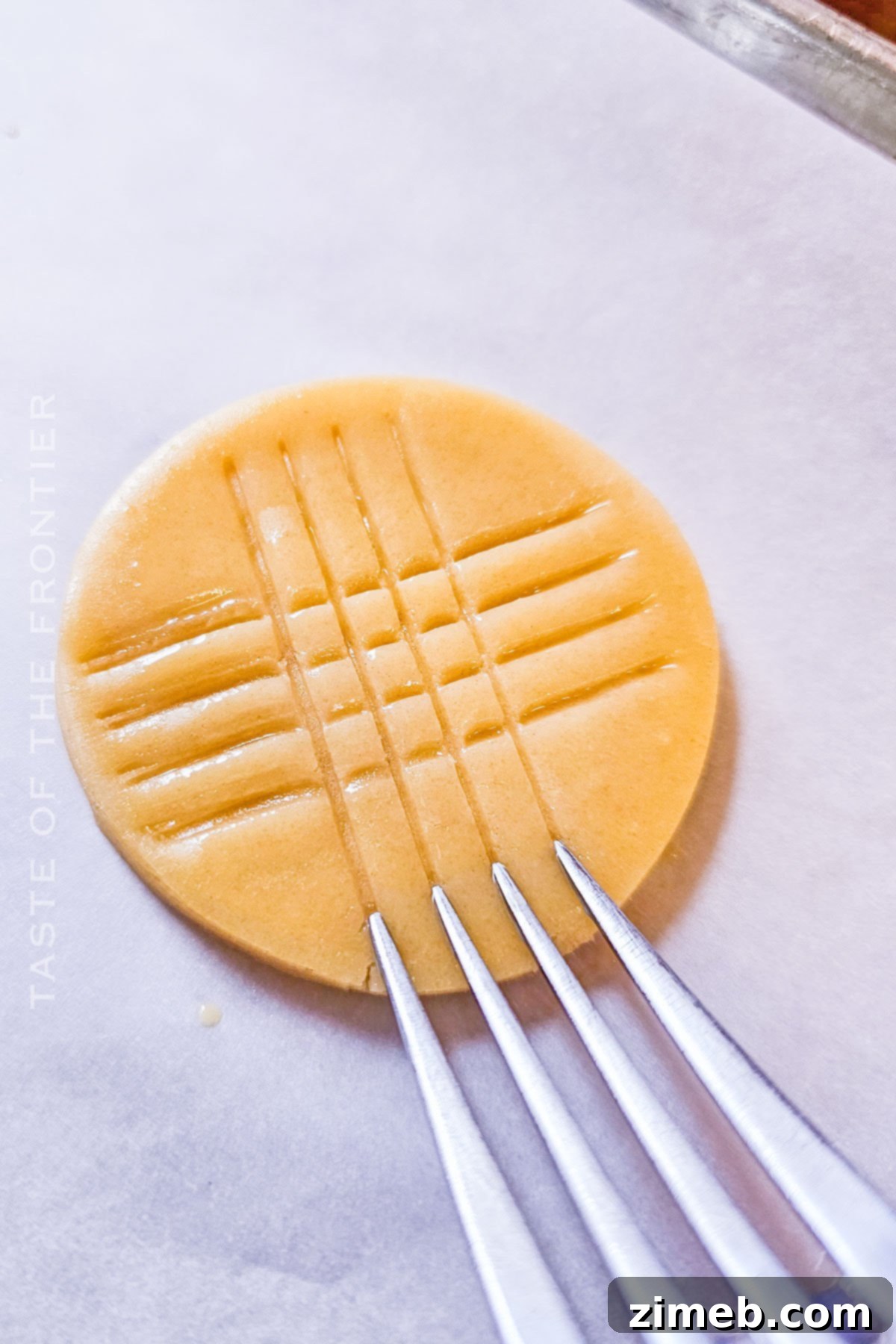
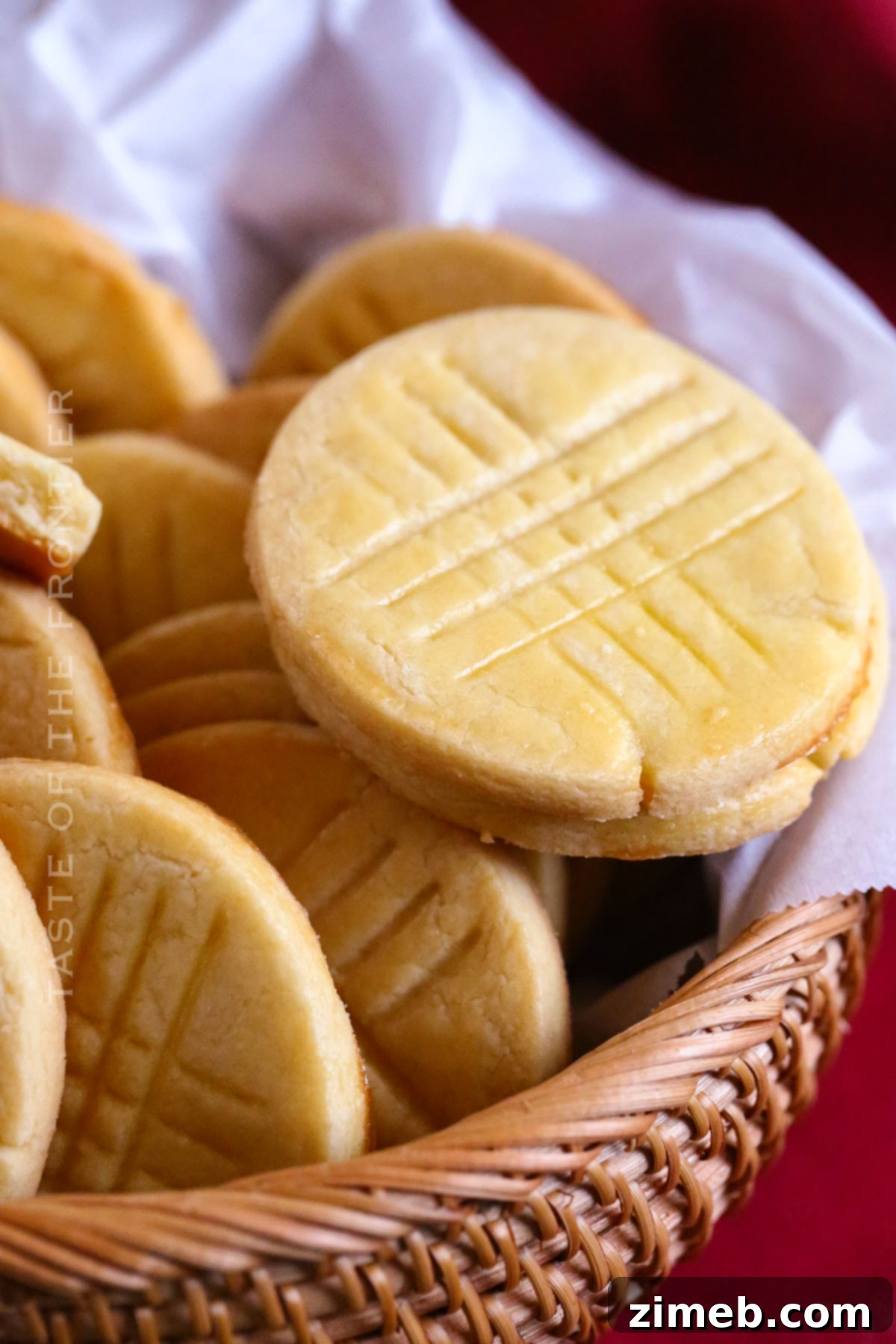
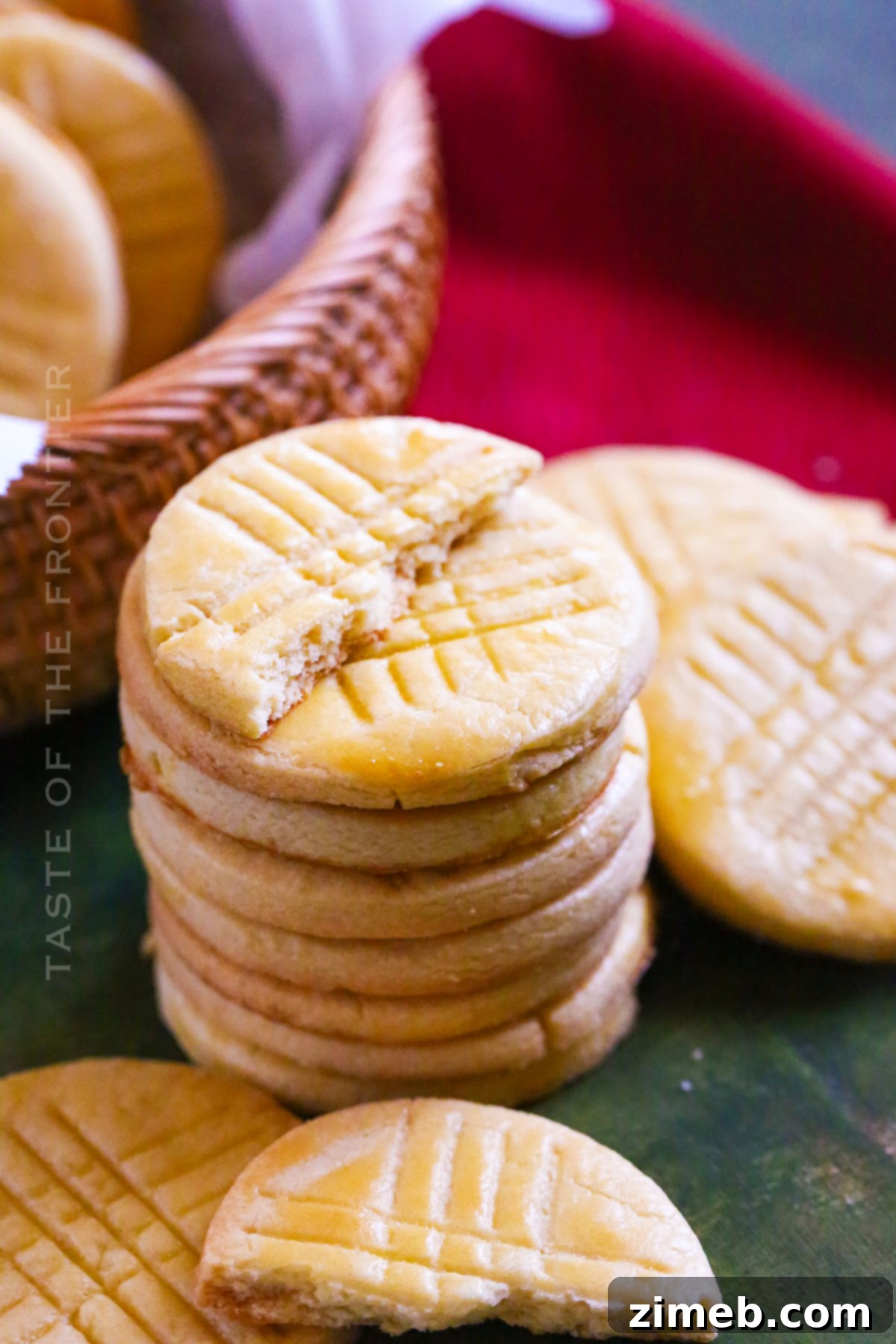
- Achieving the Classic Fork Tine Pattern: This decorative touch is characteristic of Sable Breton. When pressing with fork tines, be gentle. You want to create a light, cross-hatch pattern on the surface, not deep indentations, which can affect the cookie’s structure.
- Don’t Overbake: Bake until the edges are just golden. Overbaking can lead to dry, hard cookies, losing their tender crumble. Keep an eye on them towards the end of the baking time.
Ingredients for Authentic Sable Breton
For truly authentic and irresistible Sable Breton, precise measurements and quality ingredients are essential. Our recipe highlights granulated sugar to maintain the cookie’s bright, pure flavor profile, departing from recipes that sometimes incorporate brown sugar. This ensures a classic taste and a beautiful golden color.
- European-style butter, softened to room temperature
- Granulated sugar
- Large egg yolks, at room temperature, divided for the dough and egg wash
- Pure vanilla extract
- All-purpose flour
- Fine table salt
- Water, for the egg wash
How to Make Sable Breton: A Step-by-Step Guide
Crafting these exquisite French butter cookies is a straightforward process, but paying attention to each step ensures a perfect outcome. The egg wash, in particular, adds a special glazed coating that enhances both appearance and a subtle butter flavor.
- Cream Butter and Sugar: In a large mixing bowl, or the bowl of a stand mixer fitted with a paddle attachment, add the softened European-style butter and granulated sugar. Beat them together on medium speed until the mixture is light, fluffy, and pale in color, typically about 5 minutes. This step incorporates air, contributing to the cookie’s tender texture.
- Add Egg Yolks and Vanilla: Scrape down the sides of the bowl. Mix in two of the room temperature egg yolks and the vanilla extract. Beat until just combined, being careful not to overmix.
- Incorporate Dry Ingredients: Slowly add the all-purpose flour and table salt to the wet mixture. Mix on low speed until the dough just comes together and pulls away from the sides of the bowl. Stop immediately once combined to avoid developing too much gluten.
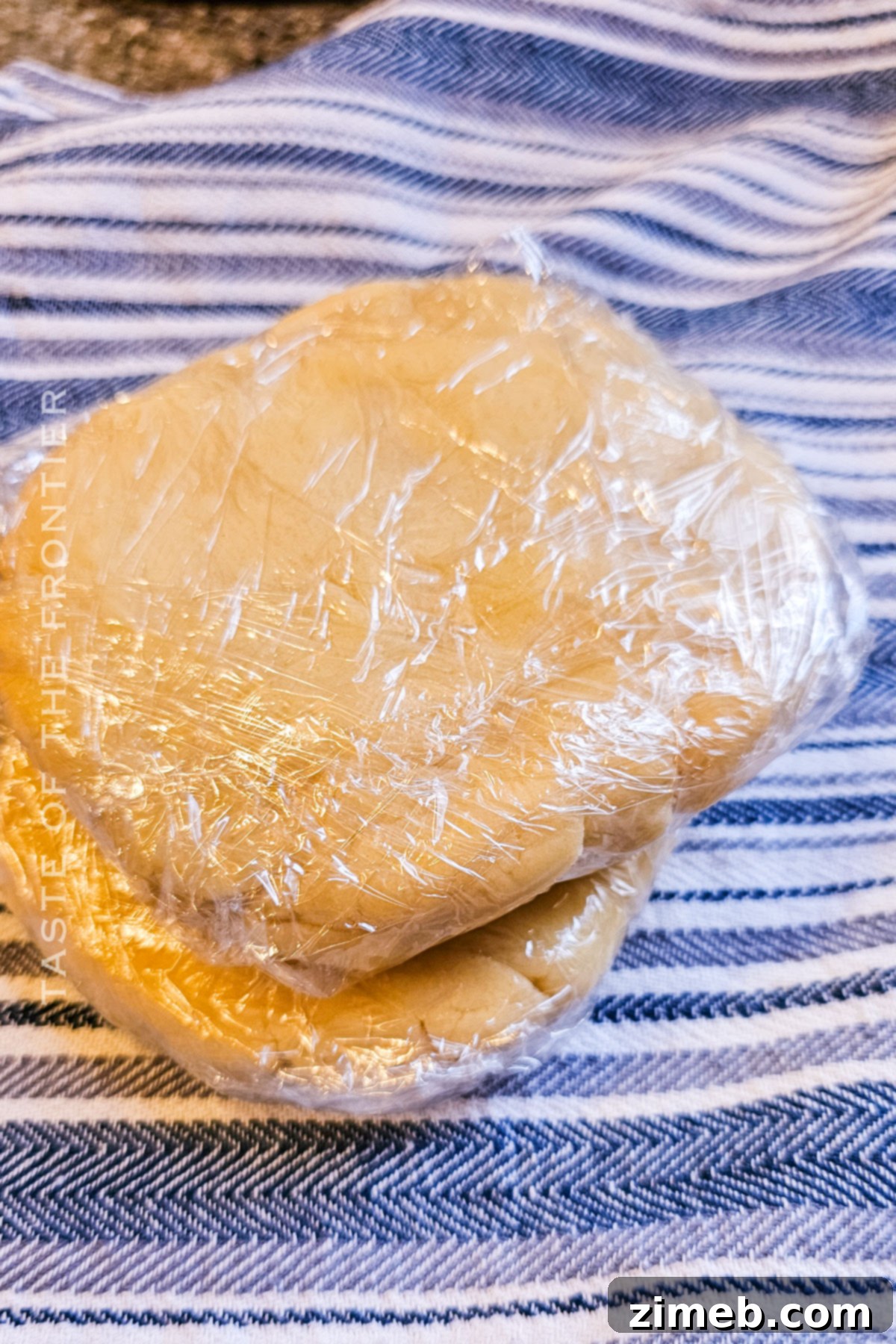
- Chill the Dough: Divide the dough into two equal portions. Gently form each portion into a flattened disk and wrap tightly with plastic wrap. Refrigerate for at least 30 minutes. This chilling period is crucial; it allows the butter to firm up, making the dough easier to roll and preventing excessive spreading during baking. If refrigerated longer, let it sit at room temperature for a bit to soften slightly for easier rolling.
- Prepare for Baking: Once the dough is adequately chilled, preheat your oven to 350°F (175°C). Line a baking sheet with parchment paper or a silicone mat.
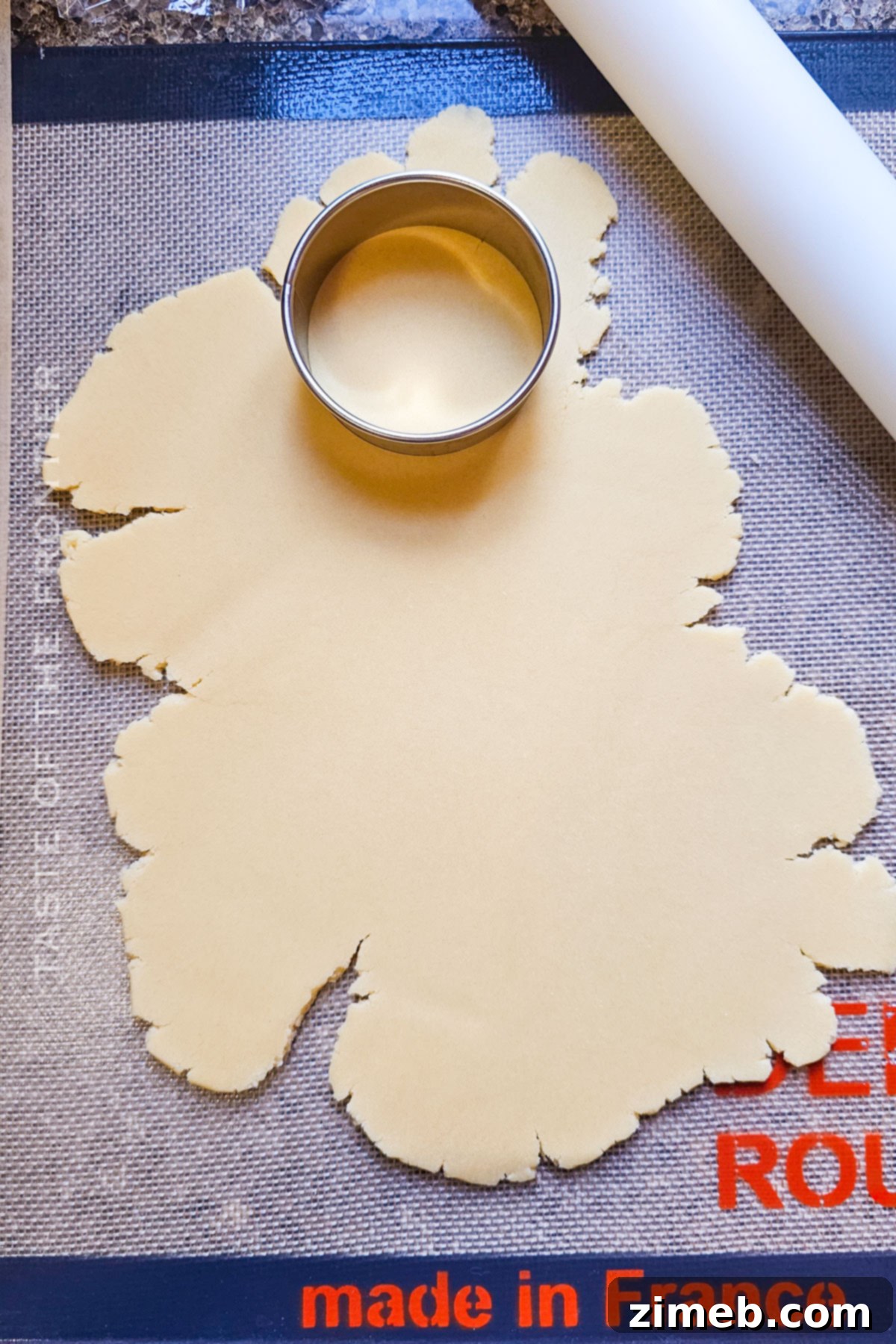
- Roll the Dough: Working with one disk of dough at a time, place it between two sheets of parchment paper or directly on a lightly floured silicone mat. Roll the dough evenly to about ¼ inch (0.6 cm) in thickness.
- Cut and Arrange Cookies: Using a 2-inch (5 cm) round cookie cutter, cut out the cookies. Carefully transfer the cutouts to the prepared baking sheet using a thin spatula, ensuring they are at least 1 inch apart. Gather any dough scraps, gently re-roll them, and continue cutting until all dough is used.
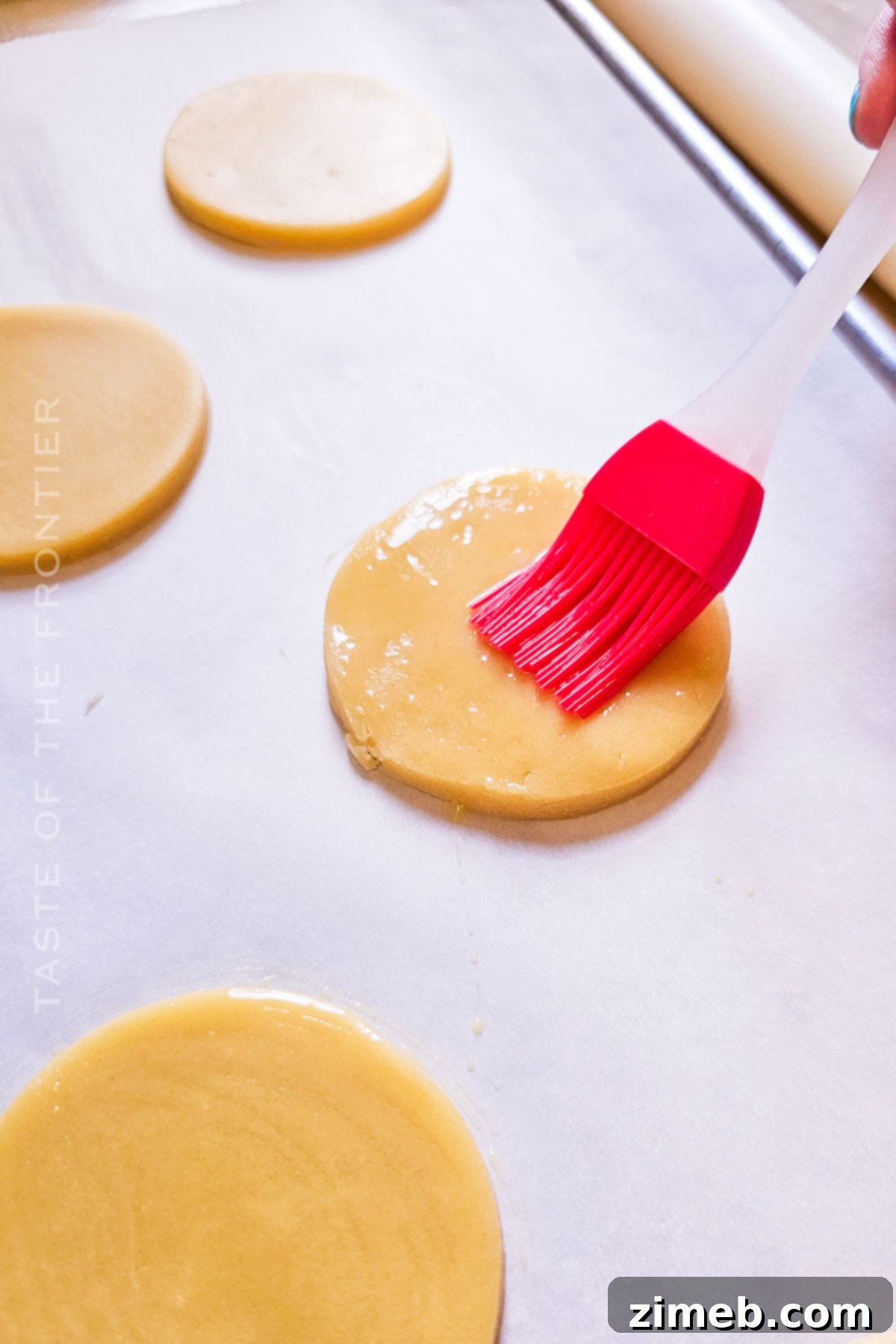
- Apply Egg Wash: In a small bowl, whisk together the remaining egg yolk with the two tablespoons of water to create the egg wash. Lightly brush the tops of the unbaked cookies with this mixture.
- Create the Signature Pattern: Gently drag the tines of a fork across the tops of the cookies to create a classic hatch pattern. Be mindful not to press down too hard; you want a light, decorative pattern, not a deep indentation.
- Bake to Golden Perfection: Bake the cookies for 12-15 minutes, or until their edges begin to turn a beautiful golden brown. The baking time may vary slightly depending on your oven.
- Cool Completely: Allow the cookies to cool on the baking sheet for about 5 minutes before carefully transferring them to a wire rack to cool completely. This helps them firm up and prevents breakage.
- Serve and Store: Enjoy your freshly baked Sable Breton! Store any leftover cookies in an airtight container at room temperature.
Essential Kitchen Supplies for Baking Sable Breton
Having the right tools can make the baking process smoother and more enjoyable. While many items are common kitchen staples, a few are particularly helpful for achieving perfect Sable Breton cookies. Don’t underestimate the utility of parchment paper; it makes cleanup a breeze and ensures your cookies don’t stick.
- Large mixing bowl or the bowl of a stand mixer
- 2-inch round cookie cutter
- Rolling pin
- Baking sheet
- Parchment paper or a silicone mat
- Small bowl (for the egg wash)
- Wire cooling rack
- Thin spatula (for transferring delicate cookies)
What to Serve With Sable Breton
These exquisite Sable Breton shortbread cookies, with their unique buttery flavor and delicate texture, are incredibly versatile. They pair beautifully with a variety of accompaniments, transforming a simple treat into a delightful experience. Here are some ideas to elevate your serving:
- Tangy Lemon Curd: The bright, zesty notes of a homemade lemon curd provide a wonderful contrast to the rich butteriness of the cookies.
- Fresh Seasonal Fruit: Serve alongside a vibrant medley of fresh berries, sliced peaches, or a light fruit salad for a refreshing and visually appealing pairing.
- Luxurious Pastry Cream: A dollop of smooth, rich pastry cream can transform these cookies into an elegant, individual dessert, offering a delightful creamy counterpoint.
- A Scoop of Ice Cream: For a simple yet indulgent treat, pair a Sable Breton with a scoop of your favorite vanilla bean, salted caramel, or coffee ice cream.
- Coffee or Tea: Of course, a classic pairing with a warm cup of coffee, a robust black tea, or a delicate herbal infusion is always a perfect choice.
Why You Should Make Sable Breton
If you’re looking to expand your baking repertoire with something truly special, Sable Breton cookies are an excellent choice. These sophisticated French butter cookies offer an unparalleled taste and texture that sets them apart. Unlike many mass-produced cookies, the authentic richness and tender crumble of Sable Breton are difficult to find in typical grocery stores, especially in the U.S.
- Simple Ingredients, Incredible Flavor: This recipe calls for just a few basic pantry staples, proving that extraordinary taste doesn’t require complex components.
- Versatile Dessert Base: While undeniably delicious on their own, these cookies also serve as a perfect base for tarts, trifles, or layered desserts, adding a gourmet touch.
- Accessible for All Bakers: Despite their elegant presentation, the recipe is straightforward, making it a rewarding project for both novice and experienced bakers.
- Deliciously Butter-Rich: The high butter content delivers a truly decadent flavor and a melt-in-your-mouth texture that is simply irresistible and profoundly satisfying.
Creative Variations and Flavor Enhancements for Sable Breton
While classic Sable Breton cookies are perfect in their simplicity, they also lend themselves wonderfully to creative variations and flavor additions. Feel free to experiment and customize these French butter cookies to suit your taste preferences. Remember, for best results, do what feels right to you and your taste buds!
- Almond Flour Mix: For a delightful nutty depth and an even more tender crumb, consider substituting up to half of the all-purpose flour with finely ground almond flour.
- Zesty Citrus Flavor: Infuse your cookies with bright, aromatic notes by adding finely grated lemon zest or orange zest to the dough along with the vanilla extract.
- Elegant Chocolate Drizzle: Once the cookies have completely cooled, melt your favorite dark, milk, or white chocolate and drizzle it decoratively over the top. A sprinkle of sea salt on the chocolate before it sets is a gourmet touch.
- Gourmet Sea Salt Sprinkle: A light sprinkle of flaky sea salt, such as Fleur de Sel, on top of the cookies just before baking enhances their buttery flavor and adds a sophisticated touch of crunch.
- Spice It Up: Incorporate warm spices like a pinch of cardamom, cinnamon, or a tiny bit of nutmeg into the flour mixture for an aromatic twist.
- Sable Breton Tart Base: Instead of cutting individual cookies, press the dough into a tart pan to create a rich, buttery crust for your favorite fruit or cream tarts.
If you love this butter cookie recipe, you’re going to adore these other cookie recipes too. Please click each link below to find the easy, printable recipe!
Christmas Chocolate Chip Cookies
Check out this recipe

Christmas Cookie Board
Check out this recipe
Pistachio Cookies
Check out this recipe
Linzer Cookies
Check out this recipe

Christmas Cheesecake Snickerdoodles
Check out this recipe

More Buttery Recipes to Explore
Classic Shortbread Cookies
Gooey Butter Cookies
4-Ingredient Sugar Cookies
Whipped Shortbread Cookies
CONNECT WITH YUMMI HAUS!
Be sure to follow me on my social media, so you never miss a post!
Substack, FB, Pinterest, IG, Email Subscription

Rate this Recipe
Sable Breton (French Butter Cookies)
Ingredients
- ⅔ cup European-style butter – softened
- ½ cup granulated sugar
- 3 large egg yolks – room temperature, divided
- 1 tsp vanilla extract
- 2 cups all-purpose flour
- ¼ tsp table salt
- 2 tbsp water
Instructions
- Add the butter and sugar to a large mixing bowl. Beat together until light and fluffy. – About 5 minutes.
- Mix in 2 of the egg yolks and the vanilla.
- Slowly mix in the flour and the salt until the dough pulls together.
- Divide the dough into two portions. Form them into a disk and wrap each tightly with plastic wrap. Refrigerate for at least 30 minutes to firm up to a rollable state.
- Once the dough is chilled, preheat the oven to 350 degrees.
- Working one batch at a time – roll the dough out between 2 pieces of parchment or on a silicone mat – working it to about ¼ inch in thickness.
- Use a 2” round cookie cutter – cut out the cookies and use a thin spatula to transfer the cutouts to a parchment-lined baking sheet. Place the cookies at least 1” apart. Reroll the remaining dough and continue the process until all of the dough has been used. Discard any scraps.
- In a small bowl, whisk together the remaining egg yolk with the water. Brush the egg wash onto the tops of the unbaked cookies.
- Then use the tines of a fork and gently drag them across the top of the cookies to form a hatch pattern. Don’t press down into the cookies as you would when making peanut butter cookies. You want a light pattern, not an indentation.
- Bake the cookies for 12-15 minutes or until the edges start to turn golden.
- Cool on the baking sheet for 5 minutes before transferring to a wire rack to cool completely.
- Store in an airtight container at room temperature.
Notes
Nutrition
Nutritional information for the recipe is provided as a courtesy and is approximate. Please double-check with your own dietary calculator for the best accuracy. We at Yummi Haus cannot guarantee the accuracy of the nutritional information given for any recipe on this site.