
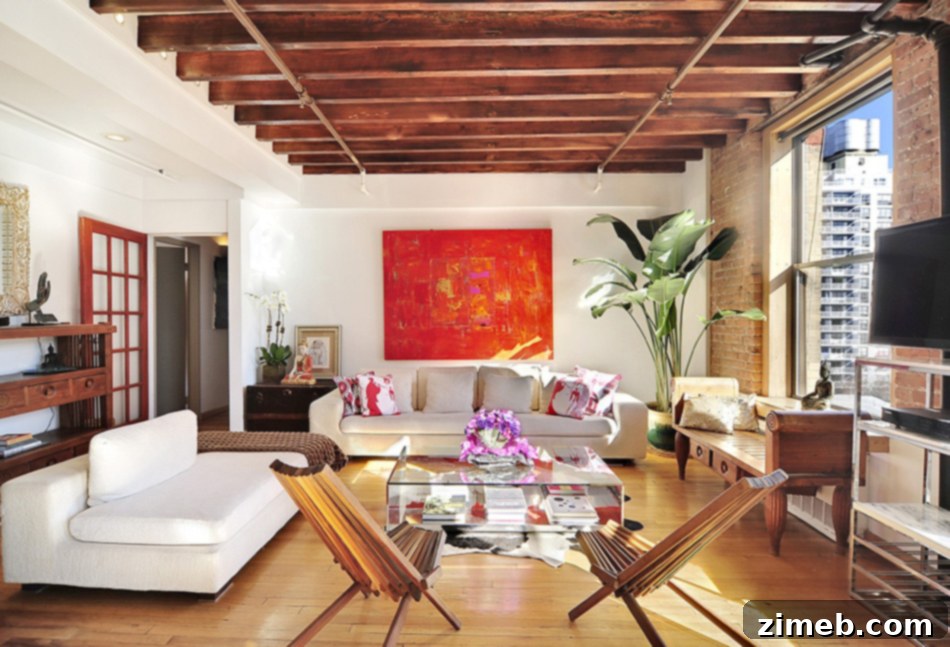
Creating a home that truly reflects your personality is a rewarding journey, and for many, that means embracing an eclectic design approach. Instead of sticking to one rigid style, modern homeowners are increasingly drawn to blending distinct aesthetics to craft spaces that feel uniquely their own. Among the most popular and captivating combinations is the fusion of modern and rustic styles. This blend offers the best of both worlds: the warmth, character, and organic appeal of rustic design alongside the clean lines, functionality, and sophisticated minimalism of modern aesthetics.
However, achieving a harmonious balance between these seemingly contrasting styles can be a challenge. Without thoughtful consideration, a blended space can quickly feel disjointed or cluttered. To help you navigate this exciting design territory, we’ve partnered with Tali Wee of Zillow, an expert in residential trends and home styling. Tali shares three essential tips to guide you in masterfully mixing modern and rustic elements, ensuring your home is both stylish and incredibly welcoming. Prepare to unlock the secrets to a cohesive and captivating home environment that effortlessly bridges contemporary elegance with timeless natural charm.
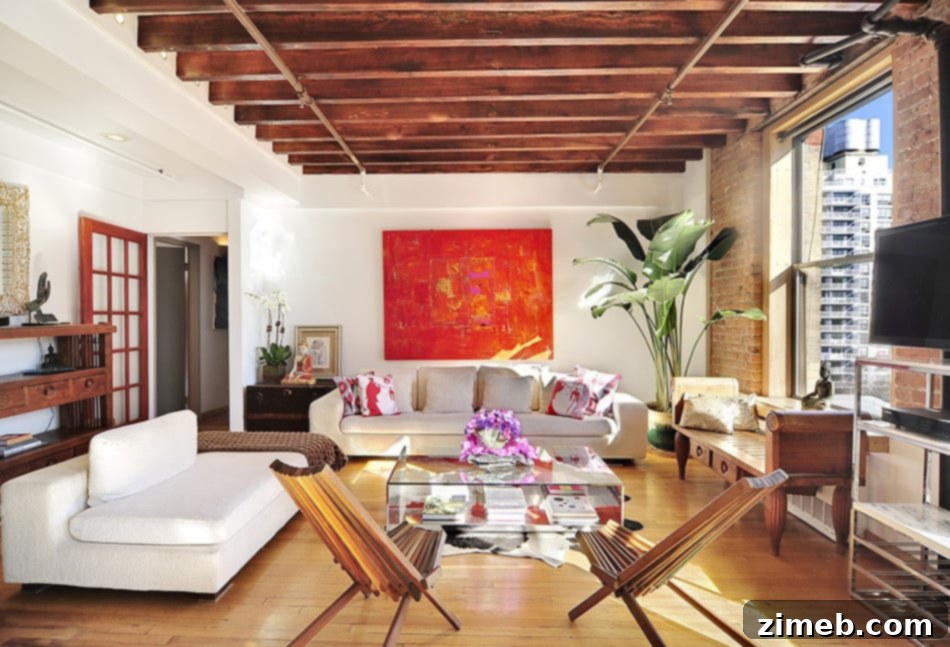
Zillow Digs: The Corcoran Group
Homeowners, apartment dwellers, and DIY enthusiasts alike seek comfort and connection in their living spaces. Interior designs that resonate with personal moods and preferences consistently create the most inviting and livable environments. Often, a personal style is an intricate tapestry woven from memories of happy childhood homes, aspirational dream homes, and the practical realities of a budget. Yet, many people find themselves captivated by more than one aesthetic, feeling limited by the constraints of a singular design approach.
For instance, someone who cherishes rustic styles reminiscent of a countryside upbringing might also be drawn to the sleek, contemporary elements showcased in modern showrooms. The good news is that you don’t have to choose! By thoughtfully incorporating these expert design strategies, you can successfully blend the foundational principles of rustic charm with the sophisticated flair of modern design, creating a truly unique and personalized space.
1. Understanding and Complementing Your Home’s Architectural Roots
While personal taste reigns supreme in home design, and residents are encouraged to follow their artistic impulses, a little guidance can ensure widespread appeal and a cohesive outcome. Whether you’re furnishing a new space, redesigning for pleasure, or staging your property to attract potential homebuyers on the market, the existing architectural style of your home should always be a primary consideration. Homes with a distinct architectural identity are often best served by design choices that complement their inherent character.
Imagine attempting to impose a shabby-chic interior, complete with distressed furniture and pastel hues, into a classic Venetian-style home. The stark contrast would likely create a jarring effect rather than a harmonious blend. Instead of clashing, the goal is to enhance. Before diving into decor decisions, take time to evaluate the structural era and unique features of your property. Is it a charming farmhouse, a stately Victorian, a sleek mid-century modern abode, or an industrial loft?
Even if your preferred rustic or modern designs initially seem at odds with your home’s architecture, there are always ways to introduce elements of your favored styles thoughtfully. Returning to our Venetian example, one could introduce rustic influence through elegant, subtly marbled or distressed wall finishes that echo aged plaster, complementing the home’s grandeur rather than detracting from it. Similarly, sleek, minimalist metal sculptures or polished glass art pieces could introduce a modern look while maintaining the inherent elegance of the structure. The key is to let the existing architecture be your anchor. Lead with design choices that respect and enhance the building’s original character, and then carefully balance with alternative elements that reflect your personal modern or rustic leanings. This foundational respect ensures that your blended style feels intentional and sophisticated, not accidental.
2. Curating the Best of Both Worlds: Functionality Meets Aesthetics
At first glance, modern and rustic designs appear to be polar opposites, yet both continue to trend strongly in contemporary interior design. Rustic style evokes a sense of nostalgia and raw, earthy charm, embracing natural materials, handcrafted elements, and a comfortable, unpretentious ambiance. It often incorporates vintage finds, eco-friendly accessories, and muted, organic color palettes. Conversely, modern style is characterized by its streamlined forms, emphasis on functionality, simplicity, bold yet minimal accents, and often a palette of vibrant colors or monochromatic tones paired with industrial materials like steel, glass, and concrete. The beauty lies in their potential synergy: pairing the functional amenities and sleek lines of modern design with the softened, comforting textures and organic forms of rustic elements.
The secret to successfully merging these distinct styles lies in a balanced approach, where you taper back the extreme characteristics of both to find a harmonious compromise. A great starting point is to prioritize functionality. Before immersing yourself in decorative details, consider your lifestyle and the practical needs of each space. Ask yourself realistic questions: Is a beautiful, but potentially uncomfortable, recycled wooden chair the most practical seating option for your main living room? Or would a thoughtfully chosen, bold modern cushion on a more comfortable, streamlined sofa be enough to satisfy both your aesthetic desires and functional requirements?
When selecting larger pieces, such as a sofa, opt for a modern, clean-lined silhouette upholstered in a rustic, natural tone or an organic material. For example, a crisp linen sofa with stained wooden legs and simple canvas cushions can perfectly bridge the gap. Avoid overly stuffed cushions, which are more indicative of a purely cottage or traditional style, and intricately carved furniture legs that might clash with a minimalist modern aesthetic. Focus on pieces that offer modern comfort and form but incorporate rustic textures or finishes.
Another popular rustic element is the barn door. While visually appealing, traditional barn doors can be heavy and offer less privacy than standard doors. A modern upgrade can transform this rustic feature into a chic statement. Pair the reclaimed wood door with progressive, sleek hardware that allows it to slide effortlessly. Instead of a heavily distressed finish, consider painting the door a solid, saturated tone that aligns with a modern palette. Furthermore, think strategically about its placement: rather than as a bedroom door where privacy is paramount, incorporate a barn door between transitional spaces like a kitchen and dining room, or a living room and study. In such contexts, the rustic door becomes a fresh, unexpected focal point – a true hallmark of modern design. By carefully toning down overly stylized selections and focusing on the interplay of function and subtle aesthetic details, homeowners can effectively incorporate the best attributes of both modern and rustic designs.
3. Weaving the Narrative with Crossover Materials and Textures
Every distinct decorative design style is defined by its signature materials. For instance, industrial style is instantly recognizable by its exposed brick, raw concrete, metal piping, and Edison bulbs. The most effective way to blend modern and rustic aesthetics seamlessly is to identify the materials, textures, and finishes that inherently overlap or can be adapted to suit both styles, and then to lead your design choices with these versatile features.
Modern design thrives on innovation, utilizing new-age shapes, cutting-edge materials, and finding novel applications for traditional ones. Currently, modern interiors often feature polished chrome, sleek metals, clear glass, bamboo, and striking bold colors to create impactful statement pieces within otherwise simple spaces. Rustic design, on the other hand, celebrates authenticity through distressed, upcycled, and natural materials. It incorporates earthy muted tones, antique items, and raw, organic elements such as unfinished wood, stone, and woven fibers. The exciting intersection of these two styles often occurs with reinvented or refined raw materials.
Consider these crossover styling tips to achieve a balanced blend. Revive older, raw materials in contemporary arrangements: display artfully arranged odd-shaped branches in a minimalist vase, integrate abstract metal sculptures into a naturally themed vignette, or use extraordinarily constructed glass centerpieces on a rustic wood table. When working with wood, instead of solely relying on heavily distressed pieces common in traditional rustic styles, opt for raw wood elements that have been polished or treated to produce a consistent, refined finish. This approach allows the natural beauty of the wood to shine through while appearing more tailored and suitable for a modern context. Similarly, choose solid-toned paint finishes and glossed surfaces for furniture, which offer a clean, modern edge, rather than an abundance of chippy or faded paint.
Certain materials naturally bridge the gap. Stainless steel, with its clean and sleek appearance, is undeniably modern but can also evoke a functional, utilitarian rustic feel. Hammered brass, while inherently rustic with its artisanal texture, brings a sophisticated warmth that can easily complement modern lines. When it comes to color, steer clear of overly sweet pastels. Instead, commit to more saturated, earthy hues for your rustic elements, and use bold, impactful colors for modern accents. Crucially, maintain the softened edges and organic forms characteristic of rustic furniture and accents, allowing them to temper the sharper lines of modern pieces. By thoughtfully combining new-age forms with raw materials, embracing open layouts with minimal clutter, and softening the overall aesthetic with natural textures, you can blend these styles to perfection, creating a dynamic and inviting home.
Ultimately, interior design is a deeply personal expression. Successfully blending modern and rustic styles is best guided by first referencing your home’s unique architectural narrative, then meticulously evaluating the functionality of each space, and finally, leading with versatile crossover materials and textures that inherently suit both aesthetics. For patient homeowners willing to invest the time in arranging, rearranging, and thoughtfully sourcing pieces, the reward is an ideally blended space that feels uniquely authentic and wonderfully inviting. Alternatively, engaging a professional designer can leverage their trained expertise to bring your vision to life with precision and flair.
Want more decorating ideas?
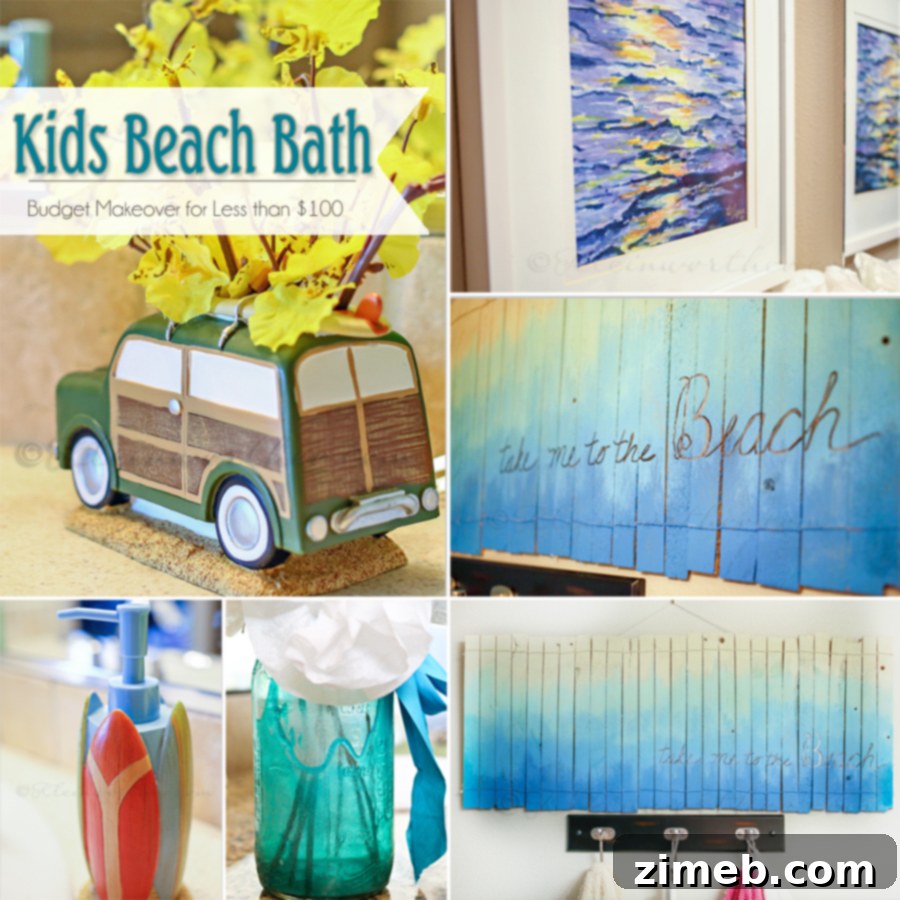
Kids Beach Bath for less than $100
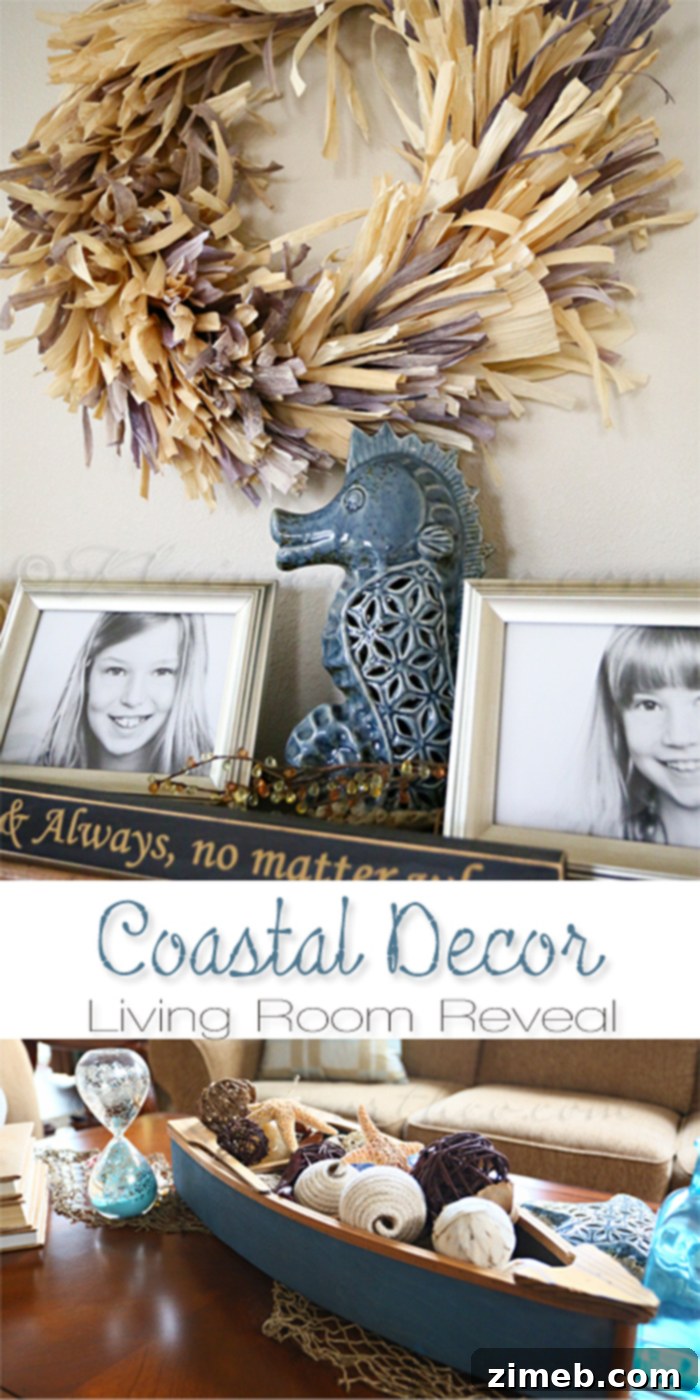
Coastal Decor Living Room
To see where I am linking today- visit HERE