
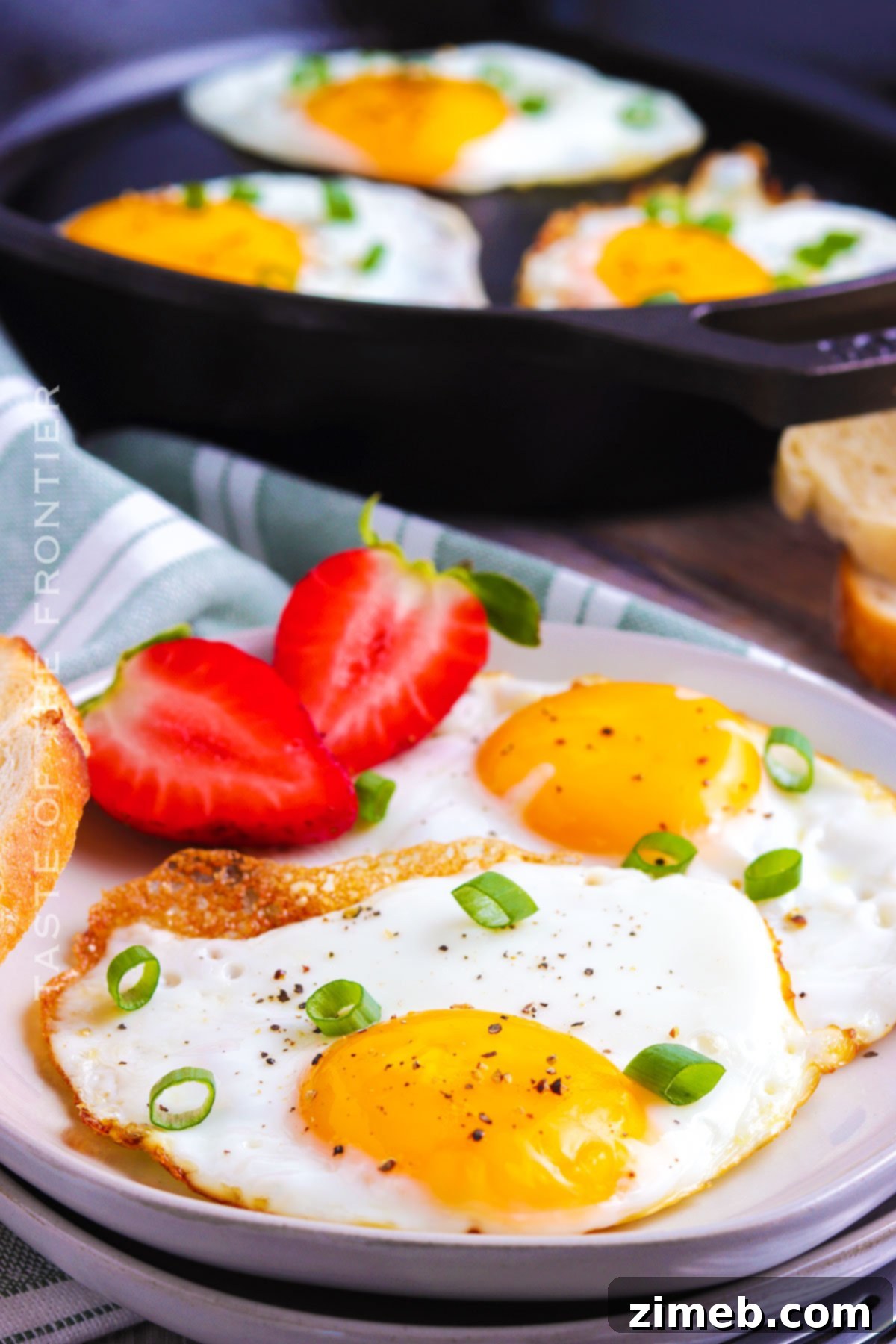
Welcome to the ultimate guide for crafting the perfect fried egg! While there are countless ways to prepare eggs, a perfectly executed fried egg stands out as a true culinary delight. Imagine whites forming slightly golden, lacy edges, crisping beautifully, while the vibrant yellow yolk remains wonderfully runny – just begging to be dipped into by a piece of crusty toast or a forkful of crispy potatoes. This isn’t just a recipe; it’s an art, and one every home cook can master.
Learning how to fry an egg flawlessly is a fundamental skill that elevates your breakfast game and provides a quick, healthy meal any time of day. It’s surprisingly simple once you understand a few key techniques, and the payoff is immense: a delicious, nutritious addition to countless dishes.
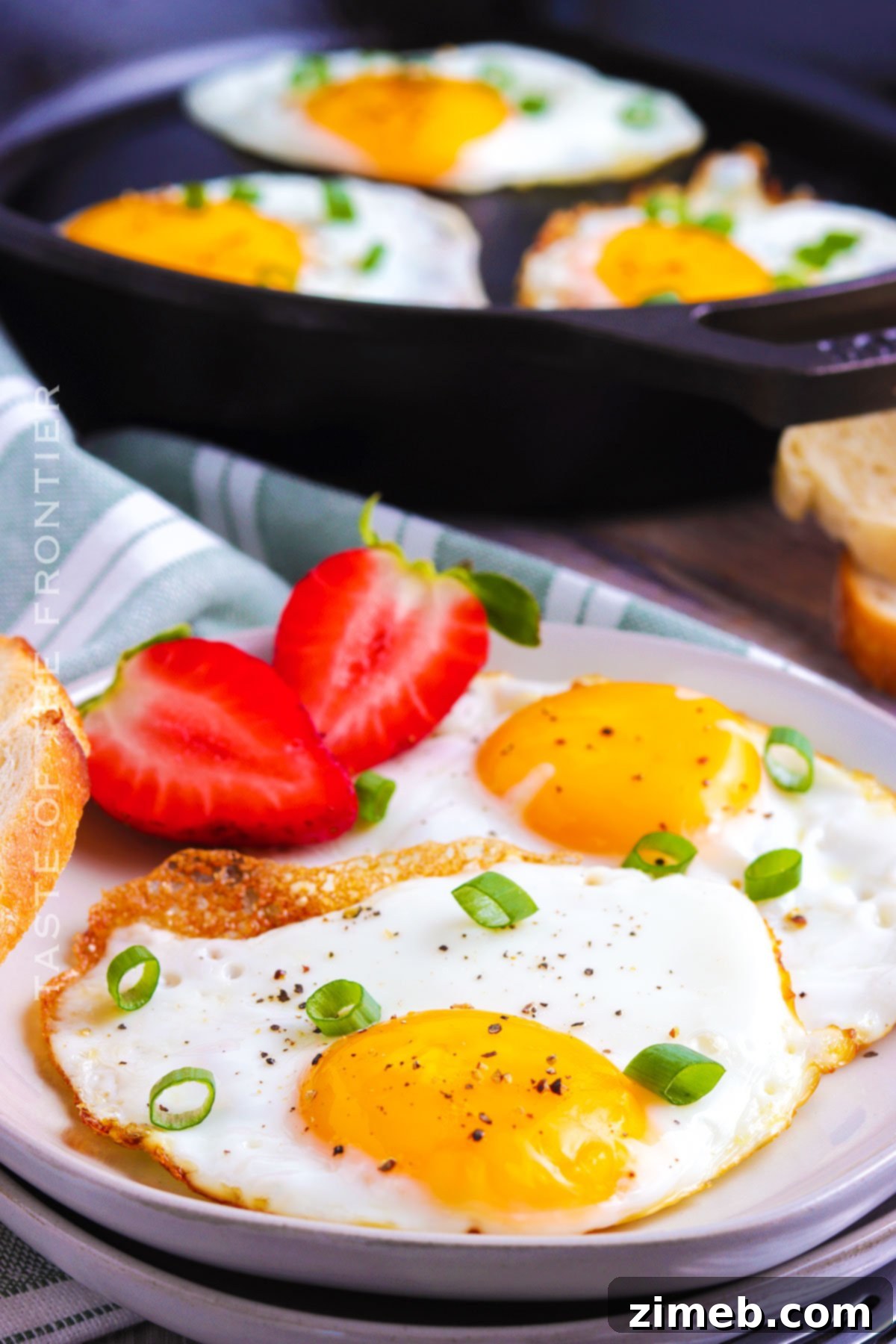
Whether you’re new to making fried eggs or an experienced cook aiming to perfect your technique, this guide is packed with essential tips, tricks, and answers to common questions. Get ready to impress yourself and your family with consistently perfect fried eggs.
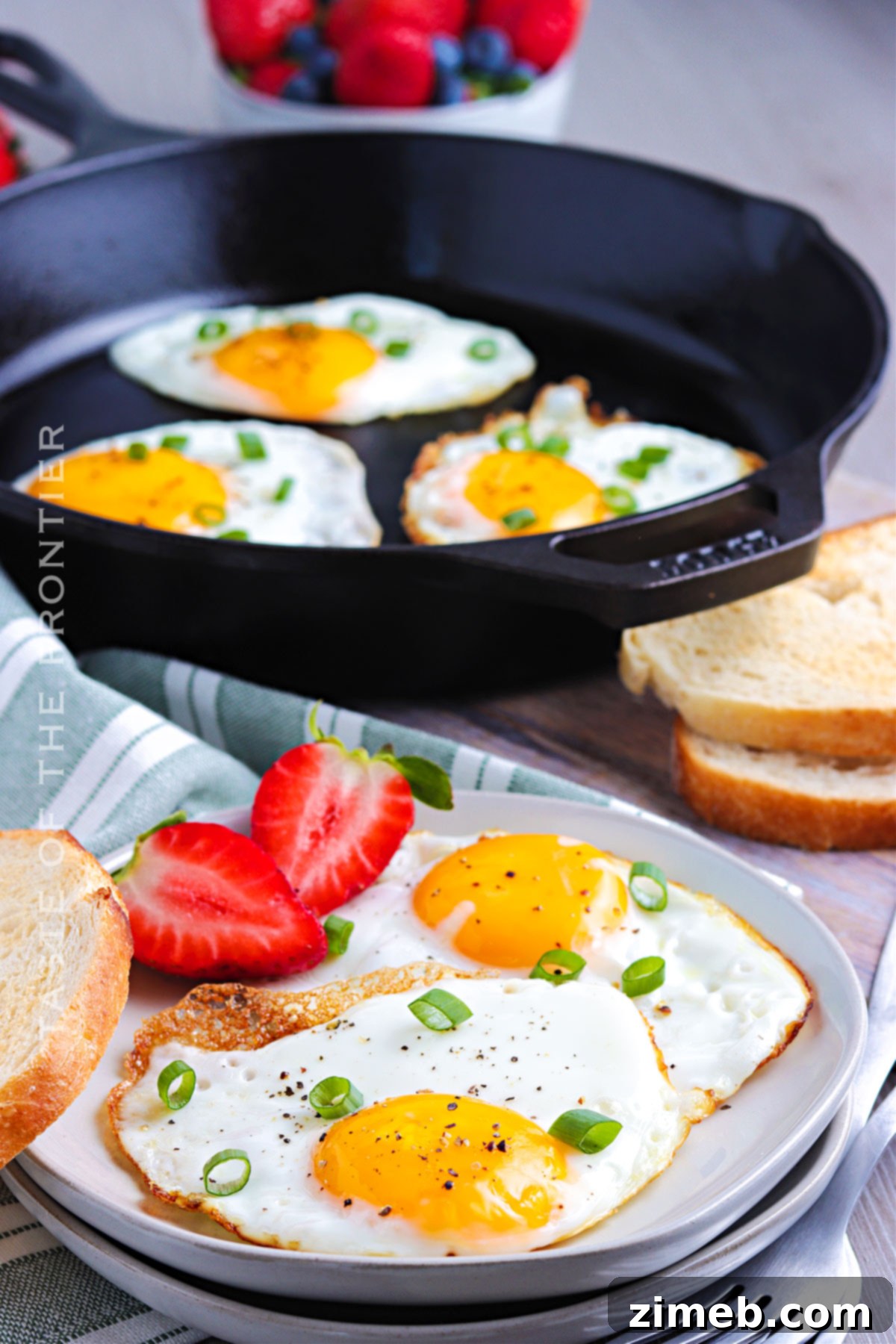
Frequently Asked Questions About Fried Eggs
What are the different types of fried eggs?
When it comes to fried eggs, the primary distinction lies in the doneness of the yolk and how much the egg white is cooked. The four most common types are:
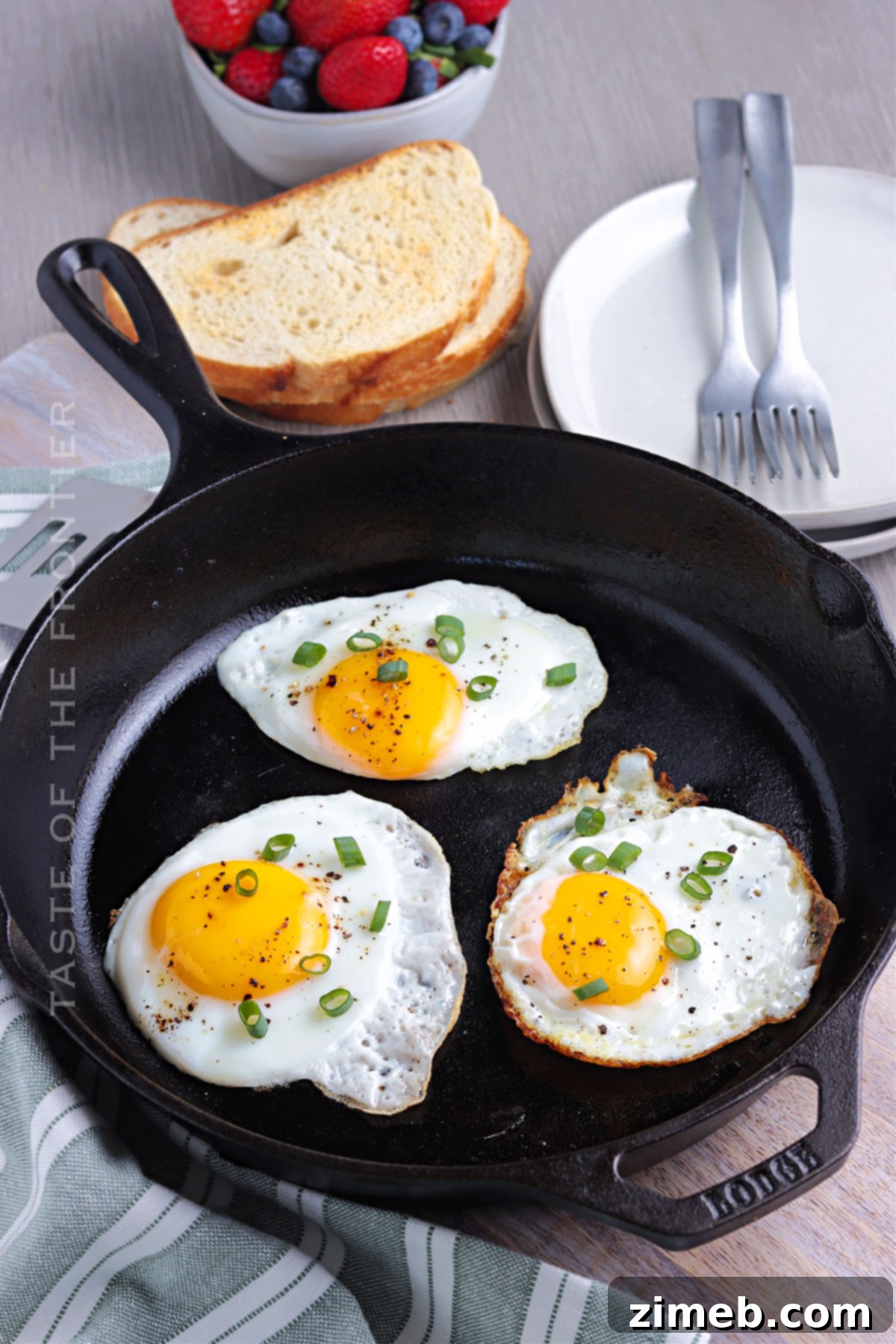
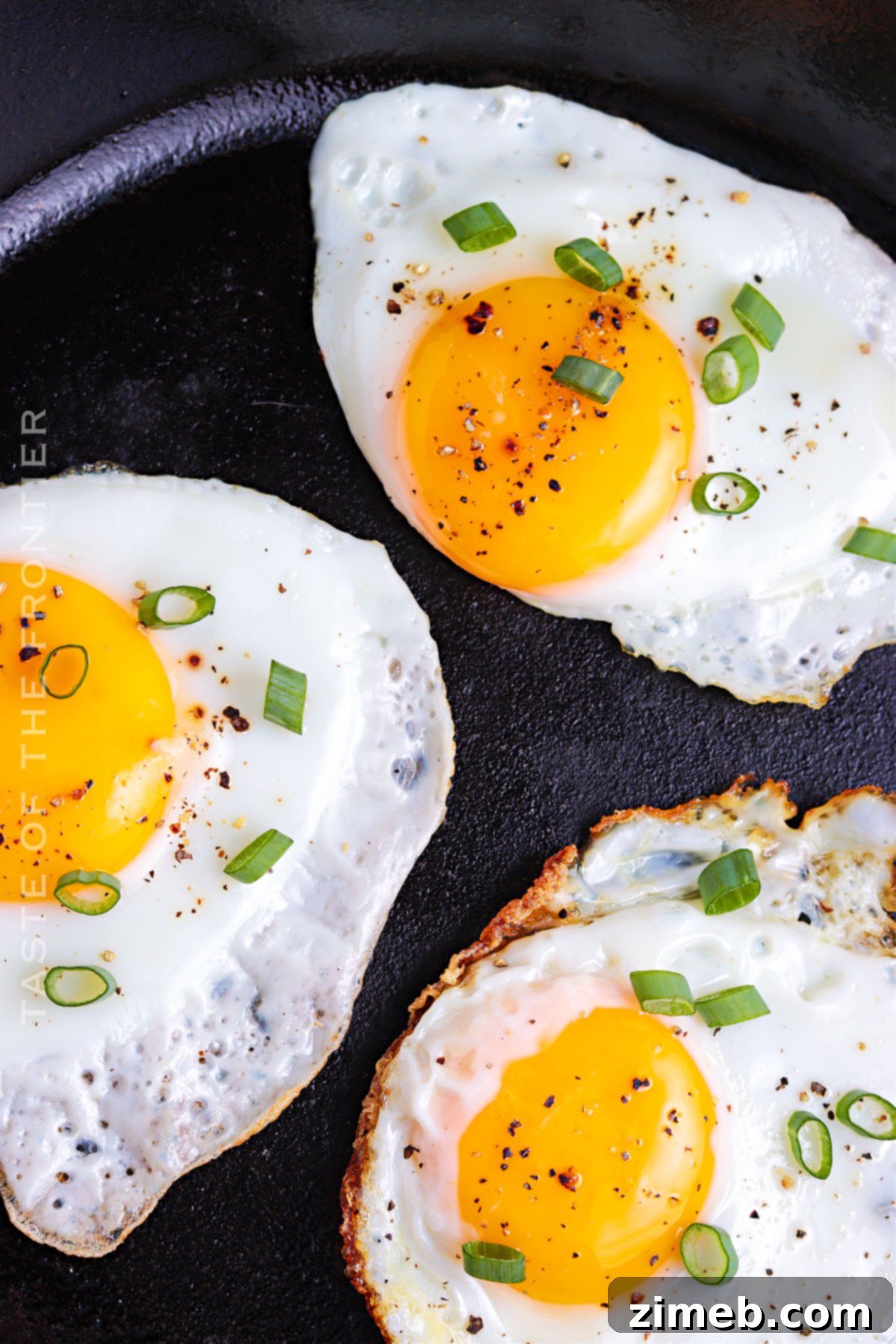
- Sunny Side Up: Cooked only on one side until the whites are set, but the yolk remains completely liquid and bright yellow, facing upwards like a sun. This is often the preferred style for dipping toast or adding a rich sauce to dishes.
- Over Easy: The egg is flipped briefly, cooking both sides. The yolk is still very runny, but a thin film of white covers it. This provides a slightly more cooked texture to the whites while maintaining that delightful liquid center.
- Over Medium: Also flipped, with the yolk becoming partially set and jammy, but still soft in the center. The whites are fully cooked. This offers a good balance for those who enjoy a less runny yolk but still appreciate some softness.
- Over Hard: Cooked thoroughly on both sides until the yolk is completely firm. This is ideal for those who prefer no runny yolk at all and a fully set egg throughout.
Are fried eggs healthy?
Absolutely! Eggs are a powerhouse of nutrition and a wonderfully healthy addition to almost any meal. They are an excellent source of high-quality protein, which is essential for muscle repair and satiety. Beyond protein, eggs are packed with a wide array of vitamins and minerals, including Vitamin D (crucial for bone health and immunity), Vitamin B12 (important for nerve function and energy), selenium, and choline (vital for brain health and metabolism). Incorporating fried eggs into your diet is an easy and delicious way to boost your nutrient intake and stay full longer, making them a fantastic choice for a balanced lifestyle, including keto or low-carb diets.
How to Tell if Eggs are Fresh
It’s easy to lose track of how long eggs have been in the fridge, especially if you buy them in bulk. While refrigerated eggs can typically last up to six weeks past the package date, it’s always wise to perform a quick freshness test if you’re unsure. This simple method helps you avoid spoiled eggs and ensures the best flavor and texture for your fried eggs.
The trick involves an air bubble that forms inside the shell as an egg ages. Here’s how to do the float test:
- Place the egg gently into a bowl of water (a few inches deep).
- If it sinks to the bottom and lies on its side: The egg is very fresh and perfectly safe to eat.
- If it sinks but stands on one end, with the blunt end pointing upwards: The egg is still good but should be used soon. It’s starting to age, and the air cell has slightly expanded.
- If it floats to the surface: This indicates a large air bubble has formed, meaning the egg is no longer fresh or safe to eat. It should be discarded immediately.
This method is a reliable way to ensure you’re always cooking with the freshest eggs possible, leading to superior taste and texture in your dishes.
How long should I fry an egg?
The ideal frying time for an egg, especially for a runny yolk with firm whites, is typically 2 to 4 minutes. This can vary slightly based on your desired yolk consistency (over easy, over medium) and the heat of your pan. For sunny side up or over easy, aim for the shorter end of this range, while over medium might take closer to 3-4 minutes. Over hard eggs will take longer, usually 4-5 minutes, with an extra flip.
Expert Tips for The Best Fried Eggs Every Time
Achieving fried egg perfection is easier than you think with these expert tips:
- Room Temperature Eggs: Allow your eggs to come to room temperature (about 15-20 minutes on the counter) before cracking them into the pan. This helps them cook more evenly and prevents the whites from spreading too thin, leading to a more aesthetically pleasing fried egg.
- Low and Slow Heat: Resist the urge to crank up the heat. Frying eggs on low to medium-low heat is crucial. High heat can lead to burnt, rubbery whites and an undercooked yolk. You’ll know the heat is too high if the oil starts to smoke or spit aggressively. A gentle heat allows the whites to set gradually and the edges to crisp without burning.
- Cover with a Lid: For faster, more even cooking and perfectly set whites, cover the pan with a lid for the last minute or so of cooking. This traps steam, helping to cook the top of the egg whites and even slightly set the yolk without needing to flip the egg (especially useful for sunny side up).
- Use the Freshest Eggs: While the float test helps identify older eggs, truly fresh eggs will have thicker whites that hold their shape better in the pan, resulting in a more compact and appealing fried egg. Source them from your local grocery store or, even better, a farmers market.
- Don’t Overcrowd the Pan: Cook eggs in batches if necessary, giving each egg enough space to cook without touching. This prevents them from sticking together and ensures even cooking.
Choosing the Right Pan Size
The size of your pan significantly impacts how your fried eggs cook. Using the correct pan size prevents overcrowding and allows for even heat distribution. Here’s a general guide:
- 5-inch pan: Ideal for a single egg, ensuring perfect roundness and crispy edges.
- 8-inch pan: Suitable for 1 to 2 eggs, giving them enough space to cook without merging.
- 10-inch pan: Can comfortably accommodate 2 to 3 eggs. This is a versatile size for small family breakfasts.
- 12-inch pan: Best for frying 3 to 4 eggs simultaneously, perfect for feeding a larger group efficiently.
Choosing the Right Frying Oil
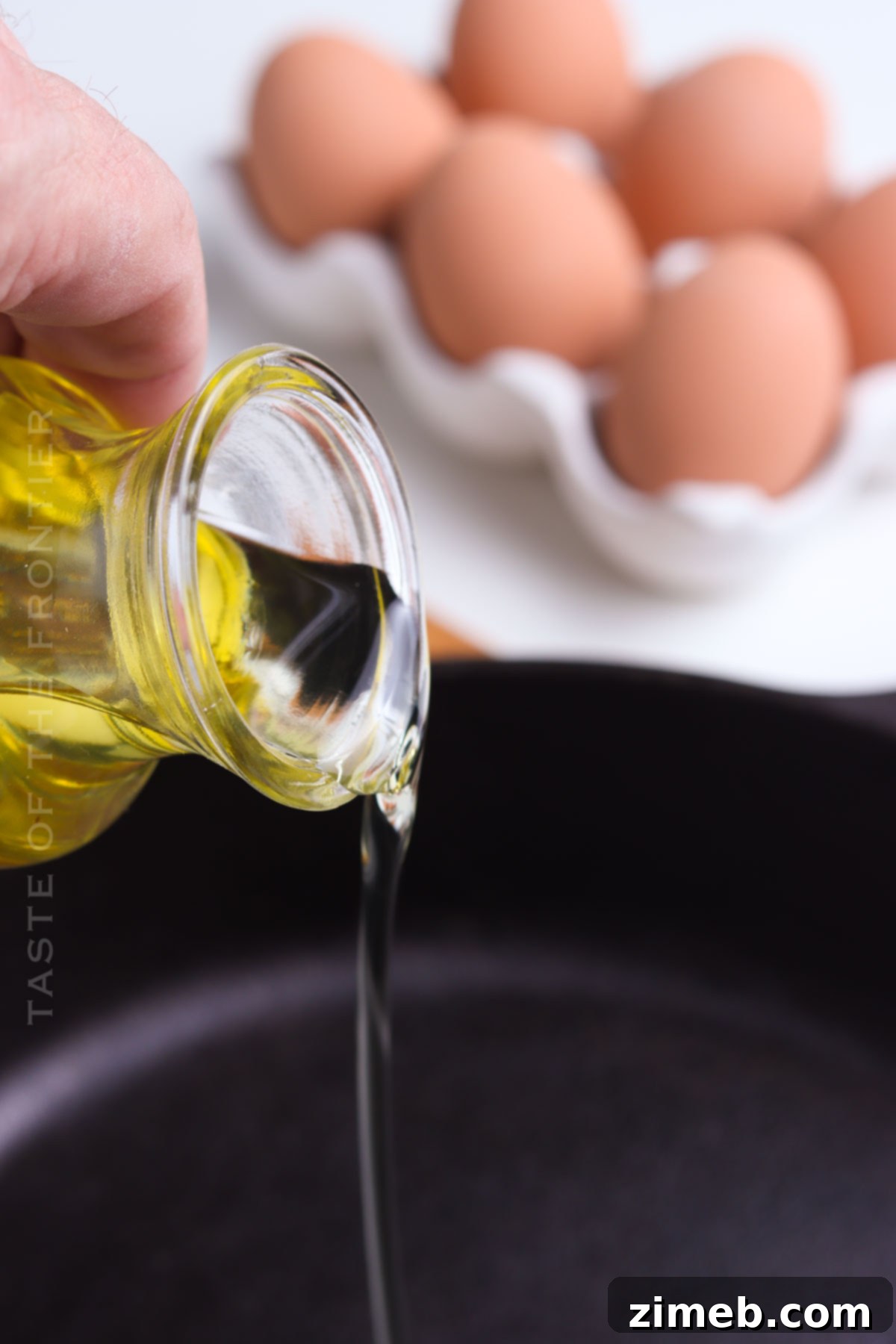
The oil you choose can subtly influence the flavor and texture of your fried eggs. Since eggs have a delicate taste, you generally want an oil with a neutral flavor that won’t overpower them. My personal preference is vegetable oil, but canola oil is also an excellent choice due to its high smoke point and mild taste.
However, the world of frying oils is vast, and preferences vary:
- Vegetable or Canola Oil: Neutral flavor, high smoke point, and readily available. Excellent for crispy whites without added taste.
- Olive Oil: Some people swear by extra virgin olive oil for its distinct flavor, which can complement eggs beautifully. Be mindful of its lower smoke point, so keep the heat truly low to prevent bitterness.
- Butter: For a rich, slightly nutty flavor and beautifully browned edges, butter is a classic choice. It requires careful monitoring as it can burn easily, so clarified butter or ghee is sometimes preferred for higher heat applications.
- Coconut Oil: Offers a subtle tropical aroma and flavor. Choose refined coconut oil if you prefer a less pronounced coconut taste.
- Avocado Oil: A fantastic option with a very high smoke point and neutral flavor, making it incredibly versatile and a healthy choice.
Ultimately, the best frying oil is the one you prefer! Experiment to find your favorite.
How to Properly Crack an Egg Open
Cracking an egg cleanly is a small but important step towards fried egg perfection. The goal is to avoid shell fragments in your pan. Instead of cracking on the rim of the pan or a sharp edge, try cracking on a flat surface, like your countertop. This creates a clean break, making it easier to open the egg without pushing small shell pieces inwards.
For an extra layer of precaution, or if you’re using several eggs, crack each egg into a small, separate bowl or a large measuring cup first. This allows you to easily retrieve any rogue shell pieces with a spoon or even a larger piece of the shell (which acts like a magnet for smaller fragments) before adding the egg to the hot pan. This also gives you a chance to ensure the egg is good before it hits the pan.
Troubleshooting Common Fried Egg Problems
Even with the best intentions, things can go awry. Here’s how to fix common fried egg issues:
- Sticking to the Pan: This usually means your pan wasn’t hot enough when the oil was added, or you didn’t use enough oil. Ensure your pan is preheated before adding oil, and use a generous amount (about 1-2 tablespoons per egg). A well-seasoned cast iron skillet or a quality nonstick pan helps immensely.
- Burnt or Rubbery Whites: This is a classic sign of too-high heat. Reduce the heat to low or medium-low and be patient. The whites should gently bubble and firm up, not sizzle violently.
- Broken Yolks: Often happens when cracking the egg too aggressively or trying to move it too soon. Crack eggs gently on a flat surface and use a small bowl as an intermediary if you struggle with clean cracks. Don’t touch the egg until the whites are mostly set.
- Greasy Eggs: Too much oil, or the oil isn’t hot enough to properly cook the egg without it absorbing excessive grease. Ensure the oil shimmers before adding the egg, and drain excess oil from the pan before serving if necessary.
- Yolk Not Runny Enough (for Sunny Side Up/Over Easy): You’ve cooked it too long, or the heat was too high. Cook for a shorter duration, or use the lid method for sunny side up to gently set the whites without overcooking the yolk.
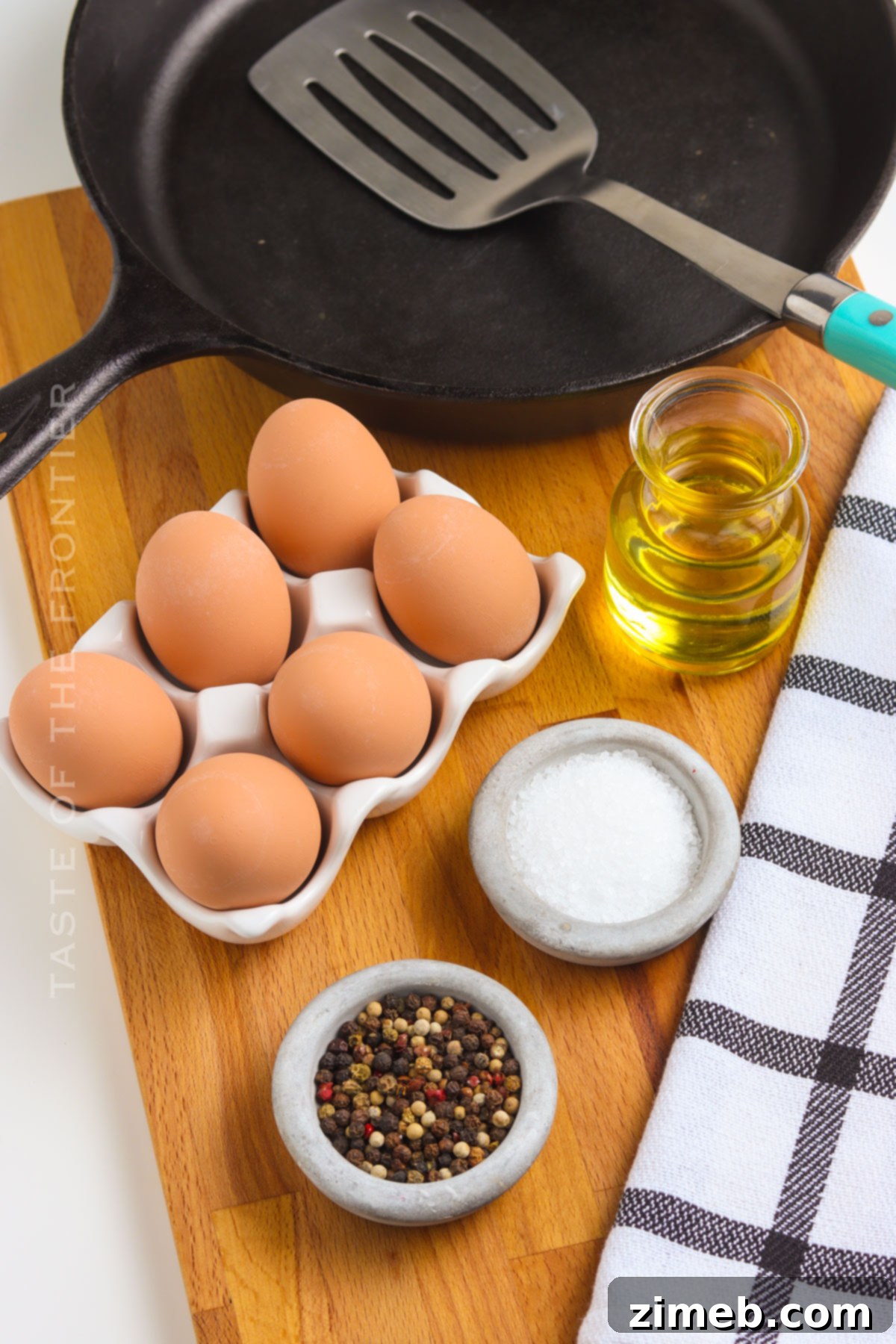
Simple Ingredients for Perfect Fried Eggs
You only need a few basic ingredients to create this morning (or anytime) staple. Quality ingredients make a difference!
- Vegetable Oil (or canola oil): For frying. Choose a neutral-flavored oil with a moderate to high smoke point.
- Large or Medium Eggs: Fresh eggs are best for holding their shape.
- Salt: A pinch of kosher salt or sea salt enhances the flavor.
- Black Pepper: Freshly cracked black pepper adds a wonderful aroma and mild spice.
Essential Kitchen Supplies You’ll Need
Having the right tools makes frying eggs a breeze:
- Skillet: A cast iron skillet is fantastic for even heat distribution and crispy edges once seasoned. A good quality nonstick pan or stainless steel pan will also work well. Ensure it’s the appropriate size for the number of eggs you’re cooking.
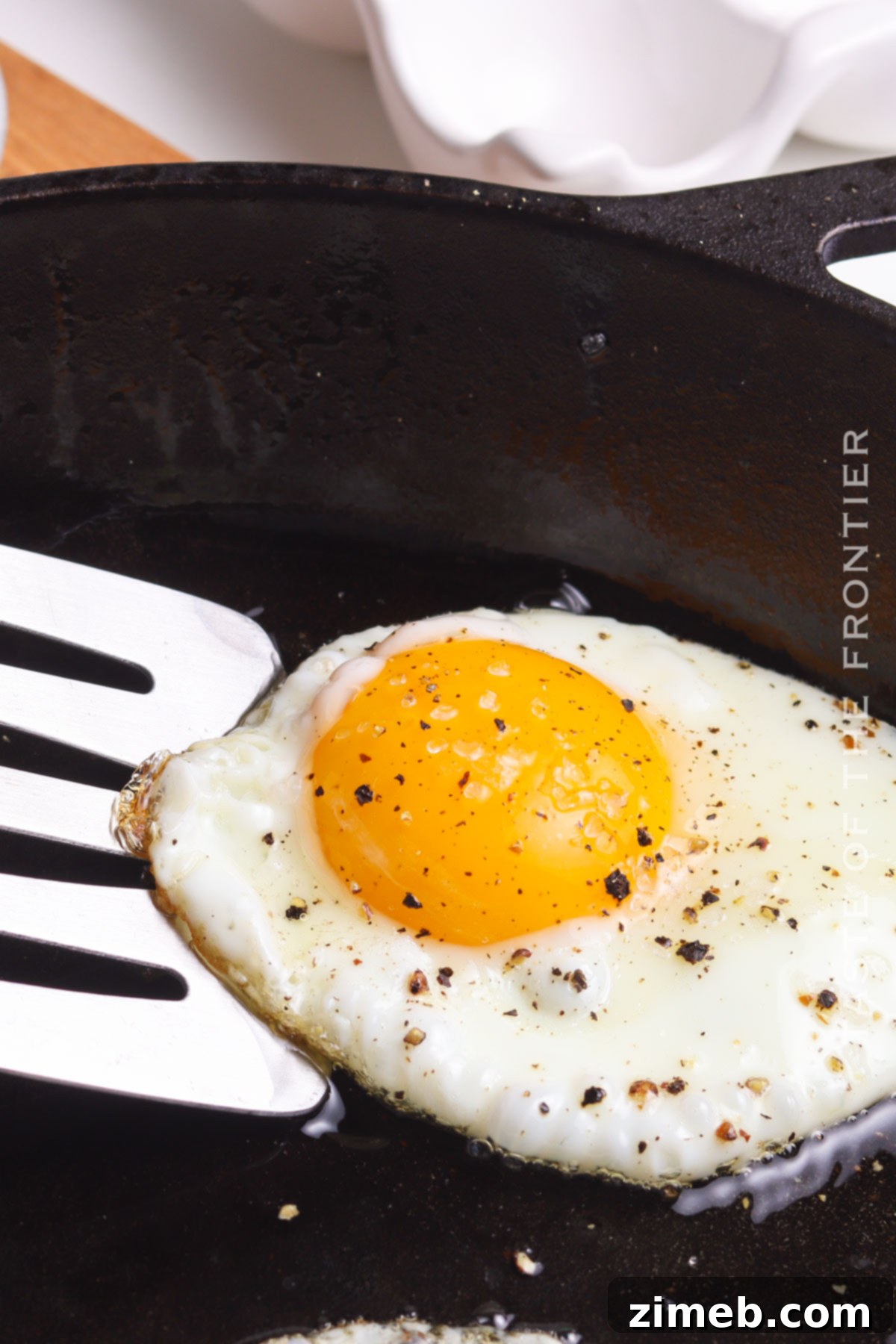
- Spatula: A thin, flexible spatula is key for gently sliding under the egg and lifting it without breaking the yolk.
- Lid (optional): A lid for your skillet can help steam the top of the egg whites for quicker, more even cooking.
How to Make the Perfect Fried Eggs: A Step-by-Step Guide
Frying eggs is straightforward, but precision and attention to detail are key. Follow these steps for consistently delicious results:
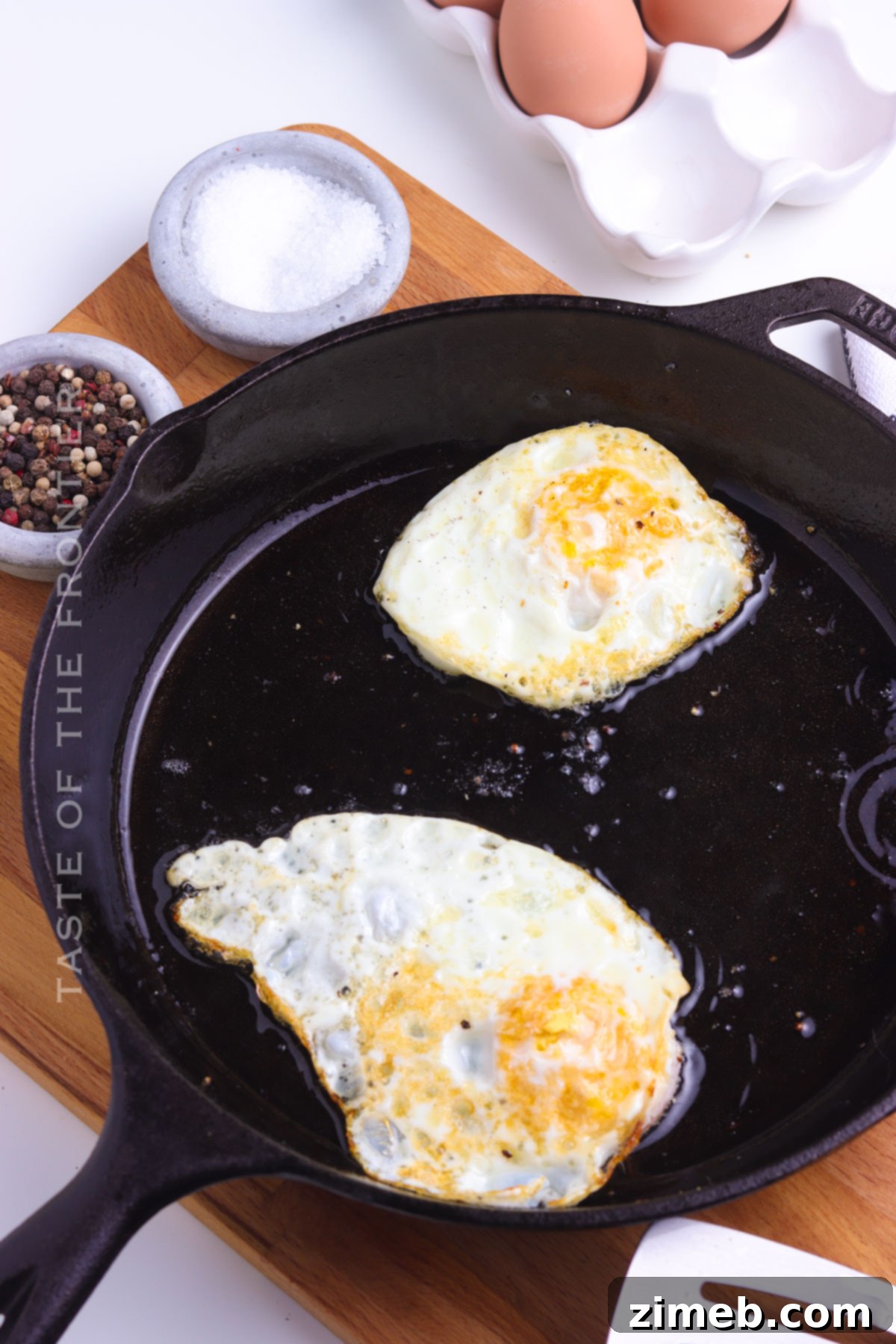
- Prepare Your Pan: Place your chosen skillet (cast iron or nonstick) over medium-high heat. Add your preferred cooking oil (vegetable, canola, butter, etc.). Allow the oil to heat until it shimmers but doesn’t smoke. If using butter, wait until it’s melted and slightly foamy.
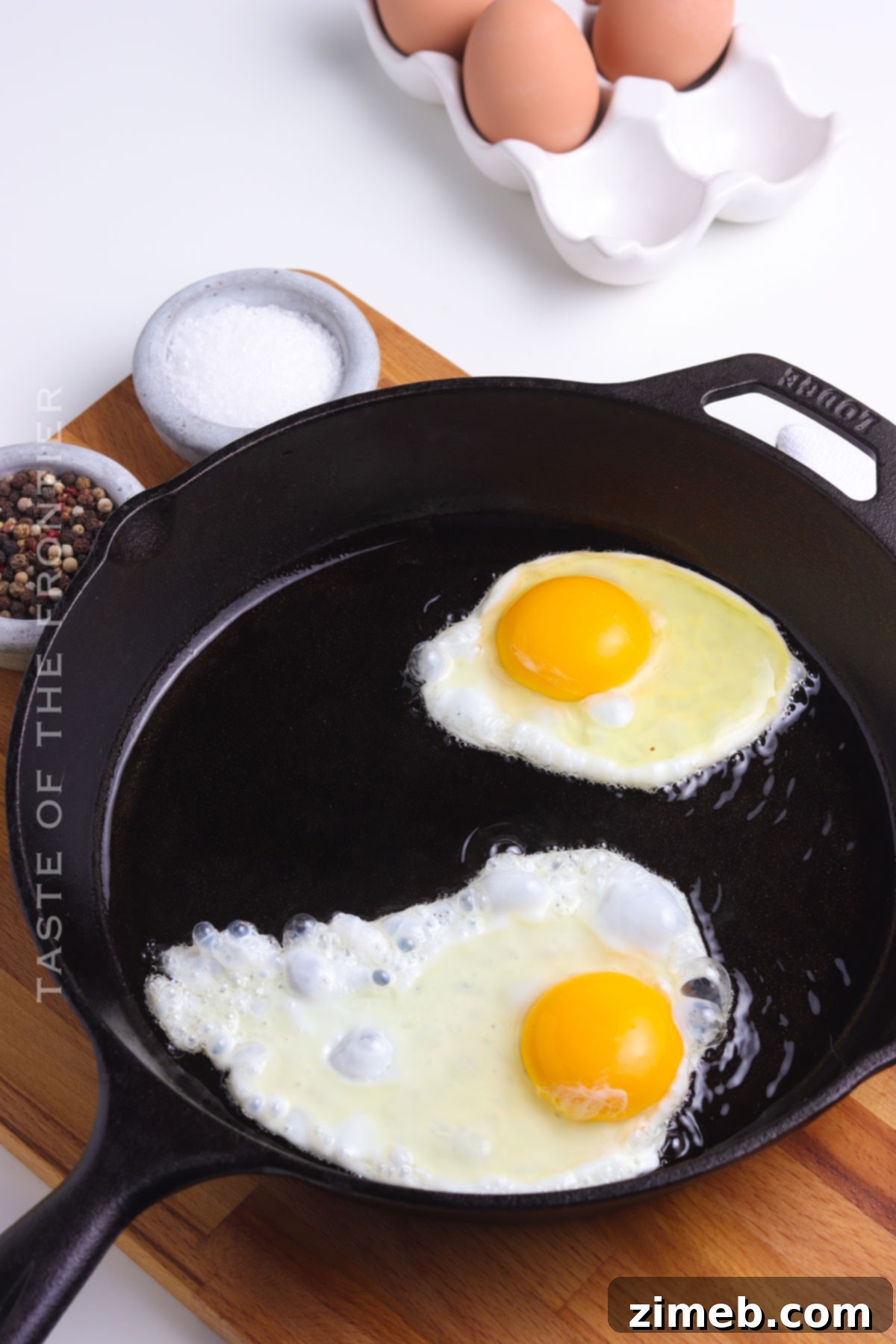
- Reduce Heat & Add Eggs: Once the oil is hot, immediately reduce the heat to low or medium-low. Carefully crack your eggs directly into the hot oil. If you prefer to crack them into a separate bowl first, gently slide them into the pan.
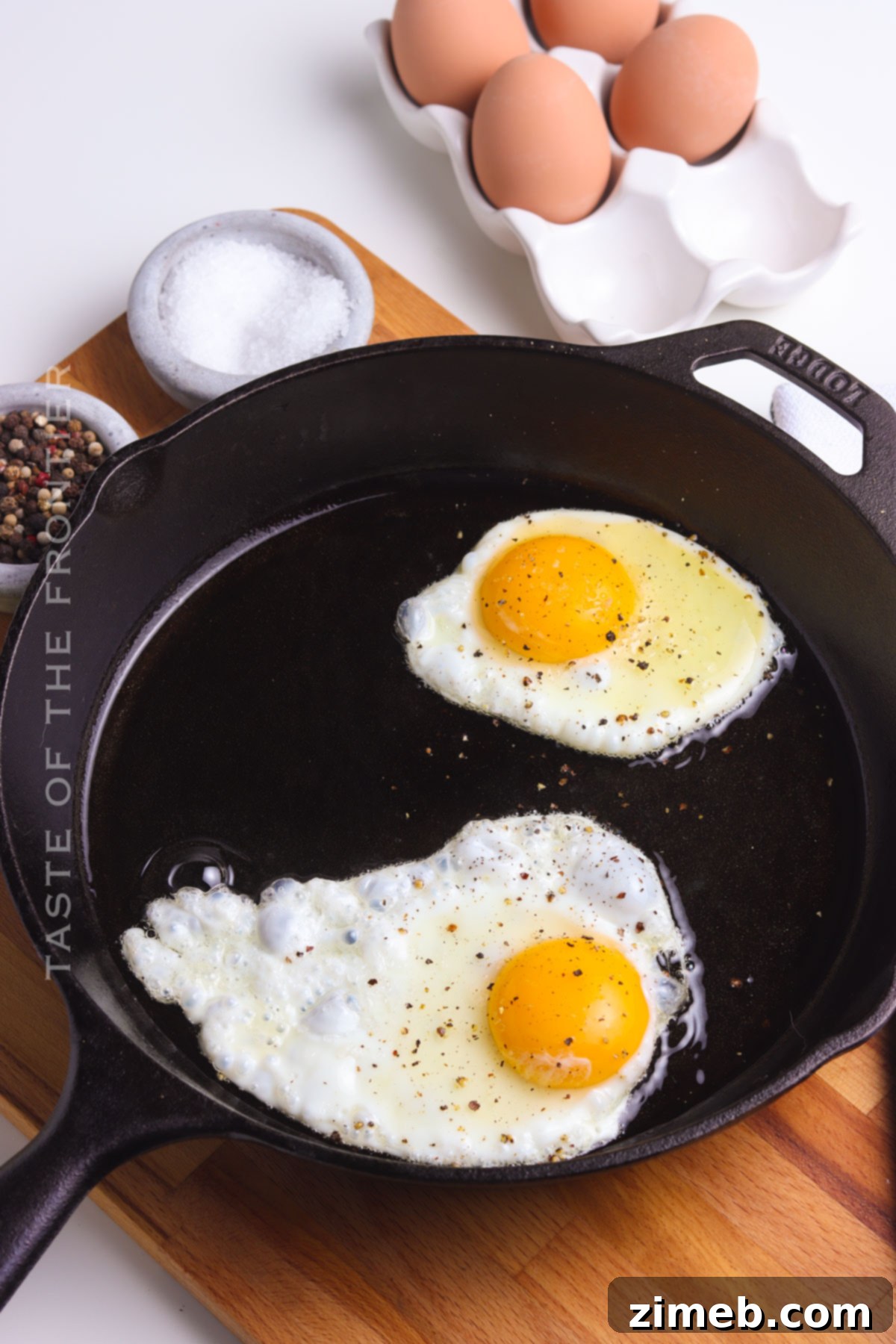
- Season Generously: Sprinkle kosher salt and freshly cracked black pepper over the eggs. This seasons the whites as they cook.
- Cook to Perfection: Let the egg cook undisturbed for 2-4 minutes. Watch the whites; they should begin to set from the edges inwards, forming those desirable slightly crispy, lacy edges. The yolk should remain bright yellow and runny. If you desire sunny side up, you can cover the pan for the last minute to gently cook the top of the whites without flipping. For over easy/medium/hard, gently slide your spatula under the egg and flip once the whites are mostly set. Cook for another 30 seconds to 2 minutes depending on desired yolk firmness.
- Serve Immediately: As soon as the eggs reach your desired doneness, transfer them carefully to a plate. Fried eggs are best enjoyed fresh off the pan.
What to Serve With Fried Eggs
The beauty of fried eggs lies in their incredible versatility. They can elevate almost any meal, from breakfast to dinner. Here are some delectable serving ideas:
- Classic Breakfast Staples: Pair with a crisp piece of toast for dipping into the runny yolk, or alongside fluffy hash browns, crispy breakfast potatoes, or savory home fries.
- Breakfast Meats: Enhance your morning plate with traditional breakfast meats like sizzling bacon, juicy sausage patties or links, or thick slices of ham. For plant-based alternatives, consider vegan sausages or tempeh bacon.
- Soups & Noodles: Add a runny-yolked fried egg to a bowl of ramen, pho, or any creamy soup. The yolk will mix with the broth, adding richness and a velvety texture, along with a protein boost.
- Southern Comfort: Elevate a hearty bowl of shrimp and grits or biscuits and gravy with a perfectly fried egg on top. The runny yolk creates an extra layer of flavor and creaminess.
- Burgers & Sandwiches: Transform a classic juicy hamburger or a breakfast sandwich into an indulgent experience by adding a fried egg with its warm, runny yolk. It adds moisture and a fantastic savory depth.
- Avocado Toast: For a trendy and healthy meal, place a freshly fried egg directly on top of your avocado toast. The combination of creamy avocado and runny yolk is simply irresistible.
- Greens & Grains: Fried eggs are also excellent atop a bed of sautéed greens, roasted vegetables, or a grain bowl for a quick and satisfying lunch or dinner.
Why This Fried Egg Recipe is a Must-Try
There are countless reasons to make this simple yet incredibly satisfying fried egg recipe a regular in your kitchen:
- Unbeatable Health Benefits: Eggs are a nutritional powerhouse, packed with protein, healthy fats, essential vitamins (like D and B12), and minerals. They are naturally low in carbohydrates, making them ideal for keto, paleo, and low-carb lifestyles. Enjoying fried eggs contributes to satiety and provides sustained energy.
- Incredible Versatility: While a breakfast mainstay, fried eggs transcend morning meals. They’re perfect for a quick lunch, a light dinner, or as a protein-rich addition to salads, bowls, and sandwiches. “Breakfast for dinner” becomes a gourmet experience with perfectly fried eggs.
- Blazingly Quick: In today’s fast-paced world, finding healthy, hot meals that come together in minutes is a treasure. Fried eggs fit the bill perfectly, cooking in literally 2-4 minutes. This makes them an ideal solution for busy weeknights or rushed mornings.
- Effortlessly Easy: Not only are fried eggs incredibly simple to cook, but the cleanup is minimal too. With just one pan and a spatula, you can create a culinary masterpiece without a mountain of dishes. This ease makes them approachable for beginner cooks and a go-to for seasoned chefs.
- Sheer Deliciousness: The combination of crispy, savory whites and a rich, runny yolk is a texture and flavor sensation that is hard to beat. It’s comfort food at its finest, offering a satisfying experience with every bite.
Variations and Creative Add-ins for Fried Eggs
Fried eggs provide a fantastic, simple canvas for culinary creativity. Don’t be afraid to experiment and customize your egg to your liking!
- Spices & Herbs: Go beyond salt and pepper! Sprinkle your favorite spices on top as the egg cooks. Consider a pinch of spicy cayenne pepper or red pepper flakes for a kick, a dash of Old Bay seasoning for a savory twist, everything bagel seasoning for texture and flavor, or a touch of garlic powder for aromatic depth. Fresh chopped chives, parsley, or cilantro can also add a burst of freshness.
- Sauces & Drizzles: Elevate your fried egg with a delicious sauce. A drizzle of hot sauce adds a zesty kick, ranchero sauce provides a Tex-Mex flair, while a luxurious hollandaise sauce can turn a simple egg into a gourmet experience. Pesto, sriracha mayo, or even a simple vinaigrette can also be fantastic.
- Cheesy Goodness: For an extra layer of flavor and melty texture, sprinkle some shredded cheese over the egg during the last minute of cooking. Cheddar, Monterey Jack, mozzarella, or a sharp Parmesan all melt beautifully and add a rich, savory element.
- Adjusting Yolk Firmness: Your preference for yolk doneness is purely personal. For a completely firm, set yolk (over hard), simply cook the egg longer and flip it once more. For a jammy, semi-set yolk (over medium), cook for a little less time after flipping.
- Flavorful Fats: If you’re already cooking bacon, don’t let that flavorful fat go to waste! Use bacon grease in place of vegetable oil for an incredibly savory and rich fried egg that perfectly complements the bacon. Duck fat is another luxurious option for a richer flavor.
- Vegetable Toppings: Add finely diced cooked vegetables like bell peppers, onions, spinach, or mushrooms to the pan alongside your egg for added nutrition and flavor.
If you love this easy fried egg recipe, you’re going to love these other fantastic egg recipes too. Please click each link below to find the easy, printable recipe!
Best Egg Salad Recipe
A unique twist on grandma’s award-winning ingredients, this is truly the Best Egg Salad Recipe EVER. Quick, easy, and positively delicious for sandwiches or salads!
Check out this recipe
Hard Boiled Eggs – Perfect Every Time
Need to know how to make Hard Boiled eggs? My recipe for Hard Boiled Eggs makes them Perfect Every Time. Great for egg salad, deviled eggs & more!
Check out this recipe
Over Easy Eggs
The perfect way to start your day is with tasty eggs cooked over easy. This recipe for Over Easy Eggs is so simple and incredibly delicious, with a perfectly runny yolk.
Check out this recipe
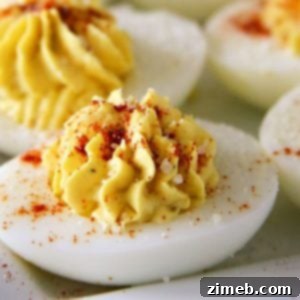
Traditional Deviled Eggs
Traditional Deviled Eggs are great anytime! Make this recipe for New Year’s, Game Day, Easter brunch, Thanksgiving or Christmas dinner & WOW your guests with this classic appetizer.
Check out this recipe
More Delicious Egg Recipes
Eggs are endlessly adaptable. Explore more egg-cellent recipes for any occasion:
- Perfectly Fluffy Scrambled Eggs
- Savory Bacon Deviled Eggs
- Simple and Elegant Poached Eggs
- Creamy Soft Boiled Eggs
CONNECT WITH YUMMI HAUS!
Be sure to follow me on my social media, so you never miss a post and discover more delicious recipes!
Substack, Facebook, Pinterest, Instagram, Email Subscription
Rate this Recipe
Fried Eggs
Servings: 2
While there are plenty of different ways to make eggs, this fried egg recipe is perfect. You get a perfectly cooked fried egg every time.
Pin
Save
Cook Time: 4 mins
Total Time: 6 mins
Ingredients
- 2 tablespoons vegetable oil (depending on size of pan; can also use canola oil)
- 2 eggs (fresh if available)
Instructions
- Set the eggs out on the counter and allow them to come to room temperature for about 20 minutes.
- In a cast iron pan over medium-high heat, add the oil and allow it to heat until shimmering.
- Turn heat down to low.
- Crack the eggs into the heated skillet, season with kosher salt and fresh cracked black pepper. Cook the eggs for 2-4 minutes or until the white is firm and the yolk is still runny.
- Remove the eggs from the pan and serve immediately.
Equipment
- Skillet
Nutrition
Nutritional information for the recipe is provided as a courtesy and is approximate. Please double-check with your own dietary calculator for the best accuracy. We at Yummi Haus cannot guarantee the accuracy of the nutritional information given for any recipe on this site.
Love this recipe?
Follow @KleinworthCo for even more tasty recipes!