
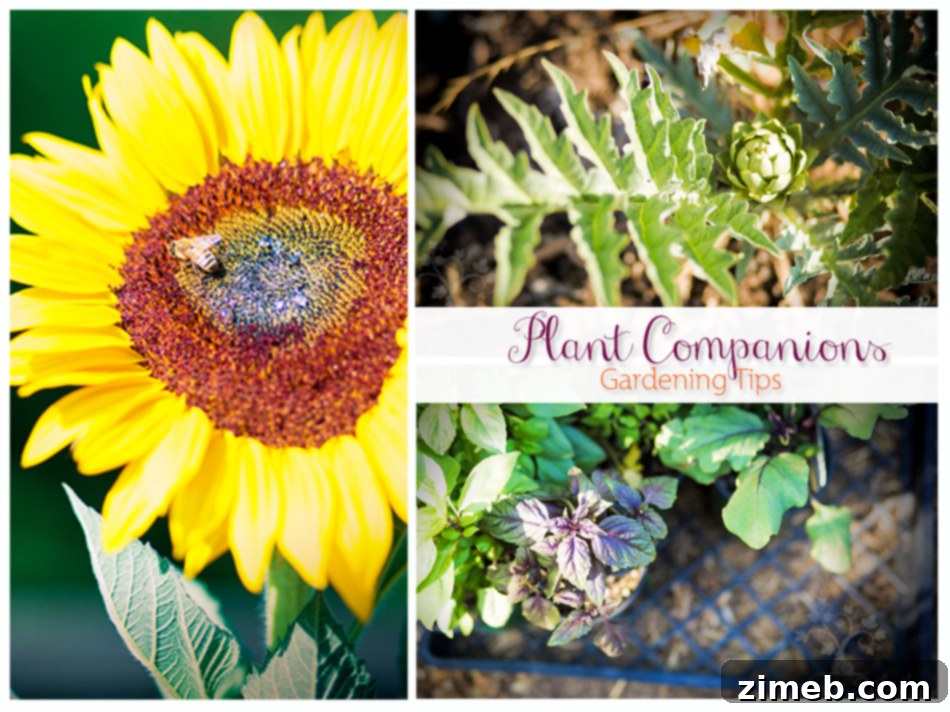
As the gardening season transitions into full bloom, many green thumbs, from novices to seasoned horticulturists, are constantly seeking innovative strategies to cultivate healthier, more productive gardens. Among the myriad of techniques, companion planting stands out as a remarkably effective and eco-friendly approach. This traditional method, which involves strategically placing different plant species near each other to foster mutual growth and protection, harnesses the natural synergies within the plant kingdom. It’s a concept that might initially seem counter-intuitive to those accustomed to planting in single-crop rows, but the benefits are profound and far-reaching. By understanding which plants are beneficial companions and which are detrimental neighbors, gardeners can significantly enhance their yields, naturally deter pests, and even improve the flavor of their harvest. This comprehensive guide will explore the fascinating world of companion planting, offering insights and practical tips to help you design a more resilient and vibrant garden.
Embracing the Wisdom of Plant Companionship
The concept of companion planting is rooted in centuries of observation and agricultural wisdom. Long before chemical pesticides and synthetic fertilizers became commonplace, gardeners noticed that certain plants thrived when grown together, while others struggled. This isn’t just folklore; there’s a fascinating ecological science at play. Plants communicate and interact in various ways, through root exudates, aerial emissions, and by influencing the soil microbiome. Some companions deter harmful insects with their strong aromas, others attract beneficial predators, while some fix nitrogen in the soil, making it available to their neighbors. Still others provide physical support or necessary shade, extending the growing season for sensitive plants. Integrating these natural partnerships into your garden plan can lead to a healthier ecosystem, reducing the need for artificial interventions and fostering a more sustainable growing environment.

Why Companion Planting is a Game-Changer for Your Garden
This year, many gardeners are prioritizing quality over quantity, aiming for a more manageable and productive harvest rather than overwhelming rows of crops. The “romance of gardening” can often lead us to plant more than we can reasonably maintain or consume, resulting in wasted produce and exhausted gardeners. Companion planting perfectly aligns with this philosophy, allowing for more efficient use of space and resources. By understanding and implementing smart plant pairings, you can cultivate a garden that not only yields impressive results but also requires less strenuous effort to manage. It’s about working smarter, not harder, with nature as your primary collaborator. For instance, pairing the right plants can dramatically reduce common garden ailments and pest infestations, fostering a robust and self-sustaining garden dynamic.
Boosting Yields and Flavor
One of the most celebrated advantages of companion planting is its ability to increase crop yields and even enhance flavor. A classic example is the pairing of basil and tomatoes. Gardeners consistently report a significant increase in tomato production, with some studies suggesting up to a 20% boost, when basil is planted nearby. Beyond quantity, many claim that basil subtly improves the flavor profile of tomatoes, making them sweeter and more aromatic. This symbiotic relationship makes basil an indispensable companion in any tomato patch, ensuring a delicious harvest for salads, sauces, and sandwiches. Imagine a homemade BLT or a gourmet caprese salad where every ingredient has benefited from a natural partnership!
Natural Pest Deterrence and Beneficial Insect Attraction
Many companion plants act as natural guardians against common garden pests. Their strong scents can confuse pests, masking the aroma of vulnerable crops, or their chemical compounds can actively repel them. Conversely, some plants are excellent at attracting beneficial insects like ladybugs, hoverflies, and predatory wasps, which prey on destructive pests such as aphids and hornworms. For example, planting marigolds around garden borders creates a natural barrier against nematodes and other soil-borne pests, while their vibrant blooms attract pollinators. Similarly, nasturtiums can act as a “trap crop,” luring aphids away from more desirable vegetables like cabbage and squash. For those battling the notorious tomato hornworm, planting a patch of dill in a separate corner of the garden can draw these voracious caterpillars away from your precious tomato plants.
Soil Health and Nutrient Cycling
Companion planting also plays a vital role in maintaining and improving soil health. Leguminous plants like beans and peas have a remarkable ability to fix atmospheric nitrogen into the soil, enriching it naturally and reducing the need for synthetic fertilizers. When these nitrogen-fixers are planted alongside heavy feeders like corn, they provide a continuous supply of essential nutrients, benefiting the entire garden ecosystem. The famous “Three Sisters” planting method—corn, beans, and squash—is a prime example of this: corn provides a trellis for beans, beans enrich the soil with nitrogen, and squash provides ground cover, suppressing weeds and retaining soil moisture. This ancient agricultural technique demonstrates a holistic approach to gardening that has sustained communities for centuries.
Cultivating Your Companion Garden: Essential Pairings
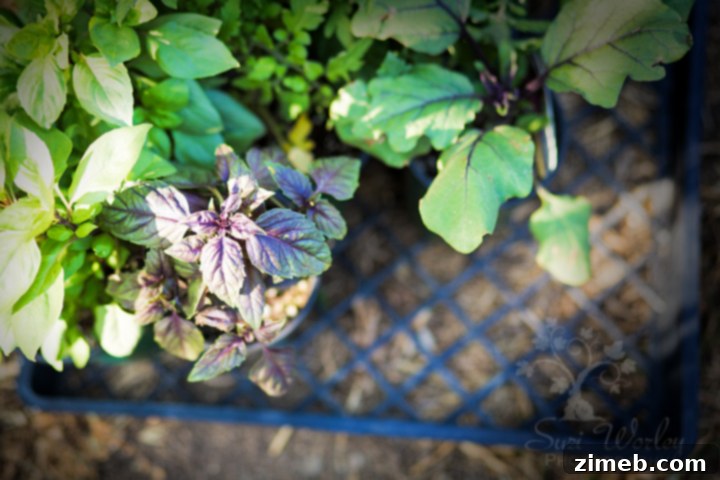
As we plan this season’s garden, integrating these beneficial relationships is key. My staple pairings, such as basil with tomatoes, sweet peppers, and eggplant, will undoubtedly return. These plants not only thrive together but also contribute to a diverse and resilient harvest. However, it’s equally important to acknowledge that not all plants are good neighbors. For instance, hot peppers, while fantastic to grow, often require their own dedicated space as they don’t always “play well” with a wide variety of other crops. Understanding these distinctions is crucial for successful companion planting.
Tomato, Basil, and Pepper Perfection
The trio of tomatoes, basil, and peppers (sweet varieties) form an excellent community in the garden. Basil’s presence is particularly beneficial for tomatoes, warding off pests like tomato hornworms and flies, and as mentioned, potentially enhancing flavor and yield. Sweet peppers and eggplants also benefit from the general healthy environment fostered by basil. These plants share similar soil and sunlight requirements, making them ideal bedfellows. For those who enjoy culinary delights, imagine fresh basil for a gourmet sandwich featuring garden-fresh tomatoes and roasted peppers – a true farm-to-table experience.
Navigating the Nuances of Hot Peppers
While sweet peppers are generally amiable, hot peppers can be a bit more temperamental. They sometimes inhibit the growth of nearby plants, especially those that prefer less intense heat or different soil conditions. It’s often best to give hot peppers their own zone, or carefully select companions that are known to tolerate their presence. Avoid planting them too close to beans or brassicas, as this can lead to diminished growth for both. However, corn or okra can be good neighbors for hot peppers, providing some shade and shelter without direct competition.
Companion Planting Tip: What to Avoid Near Tomatoes
For optimal tomato health, be mindful of their less favorable neighbors. Keep tomatoes away from Black Walnut trees, whose roots release juglone, a compound toxic to many plants including tomatoes. Chili peppers, while related, can sometimes cross-pollinate with tomatoes, affecting fruit flavor, and they can share similar pests and diseases, concentrating potential problems. Similarly, potatoes are part of the same nightshade family and can attract blight, which can then spread to your tomato plants. Separating these crops is a simple step to prevent shared vulnerabilities and ensure your tomatoes thrive.
The Unsung Heroes: Unique Companion Plants
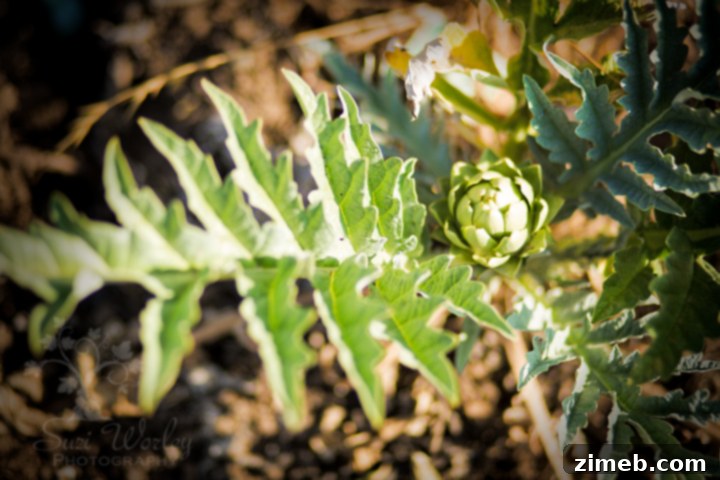
Beyond the common pairings, many other plants offer incredible benefits to a companion-planted garden. One such plant, often overlooked by those unfamiliar with it, is the Artichoke. Though technically a thistle, these majestic plants are a fantastic addition to many gardens, particularly in regions where they can flourish. They demand ample space, often growing up to six feet wide and equally tall, which means careful placement is essential to prevent them from shading out sun-loving companions. Planting them towards the back of a bed or along a fence line ensures they don’t overshadow smaller plants. Artichokes are heavy feeders and adore rich, compost-amended soil and consistent moisture, especially during their growth phase. The fresh, tender artichokes harvested directly from the garden are a culinary delight, vastly superior in flavor to most store-bought varieties. And if you happen to miss harvesting a bud, they transform into spectacular, vibrant purple flowers that attract pollinators and add incredible aesthetic value to your garden.
Beyond the Edibles: Flowers as Companions
The role of flowers in companion planting extends far beyond aesthetics. Marigolds, particularly the French and African varieties, are renowned for their ability to deter nematodes and other harmful soil pests. Their roots release compounds that are toxic to these microscopic worms, protecting nearby vegetables. Plant them generously around susceptible crops. Nasturtiums, with their vibrant colors, act as an excellent trap crop for aphids, drawing them away from more valuable vegetables. They are also edible, adding a peppery kick to salads! Sunflowers, while often grown for their seeds or ornamental value, can also serve as natural trellises for climbing plants like yard-long beans or small pumpkins, providing structural support and vertical interest.
Designing Your Companion Garden: A Practical Approach
Successfully implementing companion planting requires a bit of planning. Start by sketching out your garden beds. Research the ideal growing conditions for your chosen plants, including sunlight, soil pH, and watering needs. Then, identify which plants are beneficial companions and which should be kept apart. Consider the mature size of each plant to avoid overcrowding or unintended shading. Don’t be afraid to experiment! Gardening is a continuous learning process, and what works beautifully in one garden might need slight adjustments in another. Observing your plants and making notes each season will help you refine your companion planting strategies for optimal results.
Do you embrace companion planting in your garden?
We’d love to hear about your favorite combinations and success stories! This year, our goal is to create a dynamic and diverse garden space. We envision yard-long beans and pumpkins gracefully weaving amongst our towering sunflowers, with honeydew melons trailing along, perhaps alongside some charming and edible nasturtiums. A border of marigolds will serve as a natural bug barrier, while various basil varieties will continue to encircle our thriving tomatoes, peppers, and eggplants. By cutting back on sheer volume and focusing on intelligent plant partnerships, we aim to give our garden a much-needed breath of fresh air and growing room. We look forward to sharing our progress and discoveries with you throughout the season!
Explore More Gardening Insights & Tips!
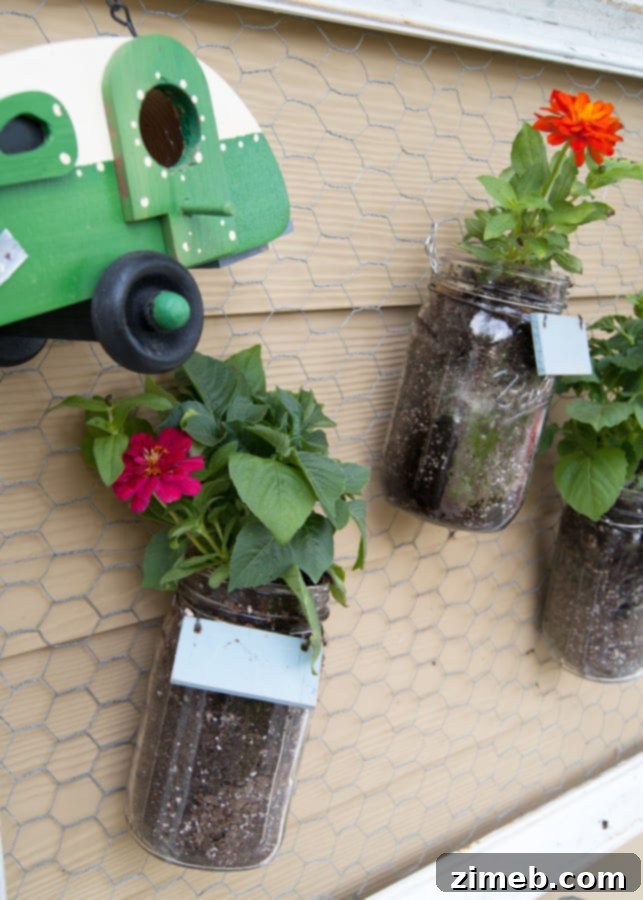
Mason Jar Wall Garden: Space-Saving Solutions

Mastering the Art of Cutting Roses
Guidance for Planting Potatoes Effectively