
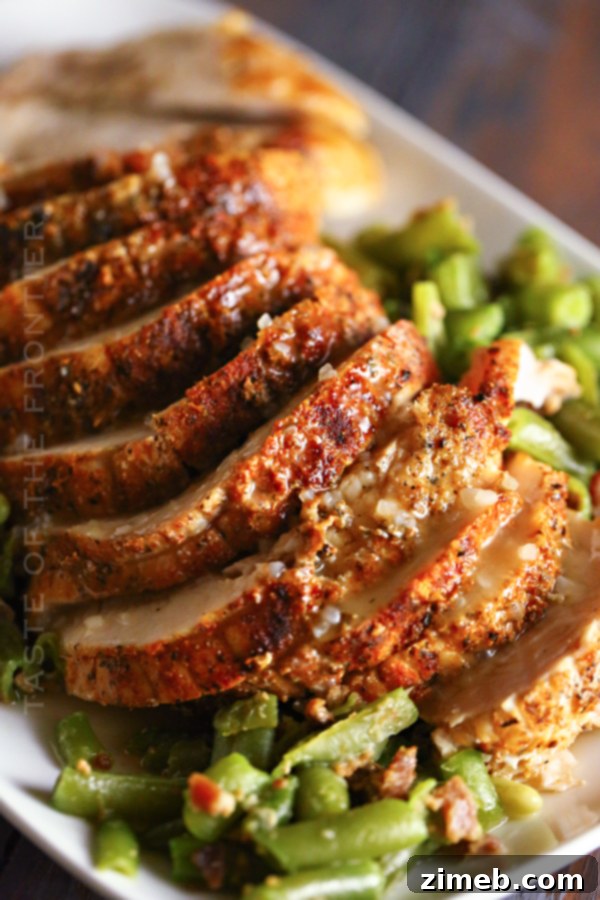
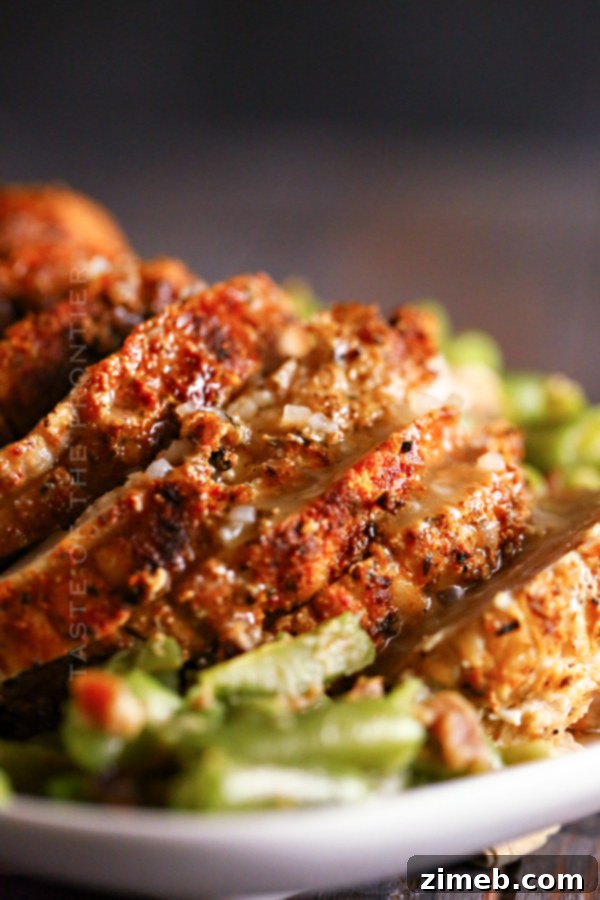
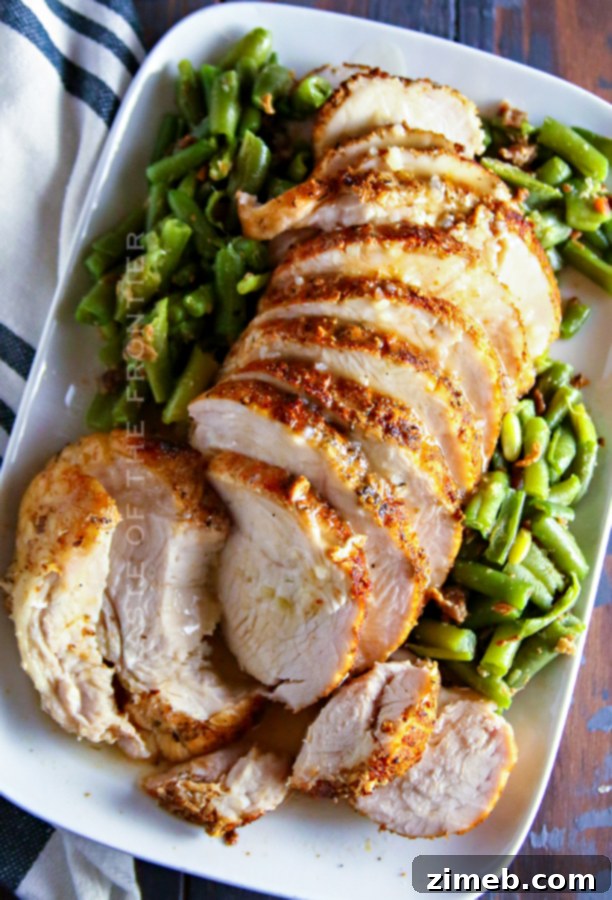
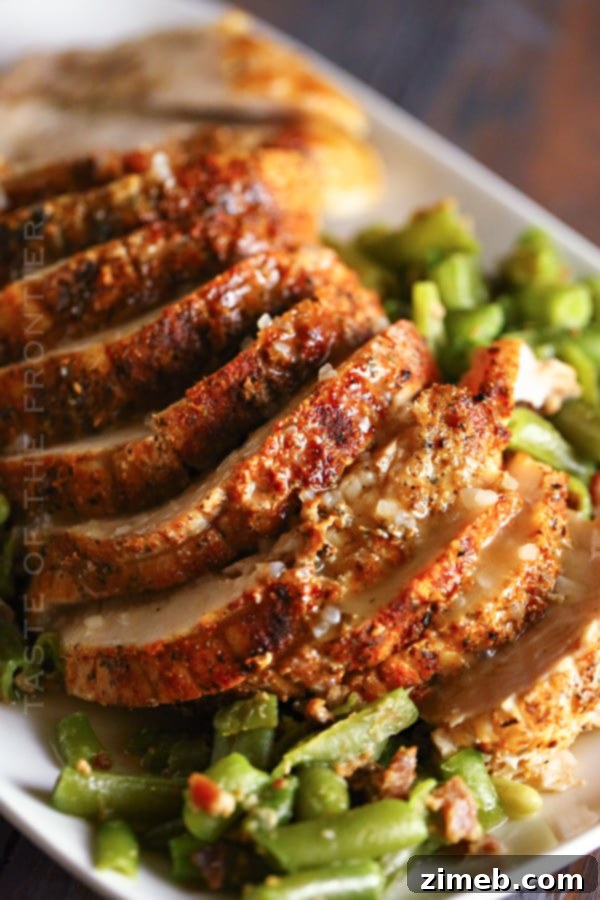
Turn your ordinary meal into an extraordinary culinary experience with this incredibly easy-to-make Cajun Turkey Breast recipe. Roasted in the oven to a succulent, juicy perfection, this dish promises a symphony of flavors that will delight your taste buds and impress your guests. It’s not just delicious; it’s positively unforgettable!
In our home, turkey isn’t just for holidays; it’s a staple we enjoy year-round. There’s a practical reason behind this love affair with poultry: we adore recipes that effortlessly yield fantastic leftovers. The idea of dedicating one day to cooking and then enjoying light, easy meal prep for several days afterward is simply brilliant. This approach to meal planning saves time, reduces stress, and ensures that delicious, home-cooked food is always within reach.
That’s precisely why this oven-roasted turkey breast, infused with bold Cajun seasonings, has become a cherished favorite. When you’re looking to elevate your dinner routine and venture beyond the traditional turkey preparations, this Cajun turkey recipe is the perfect choice. It offers a vibrant twist on a classic, bringing rich, spicy, and aromatic notes to your table.
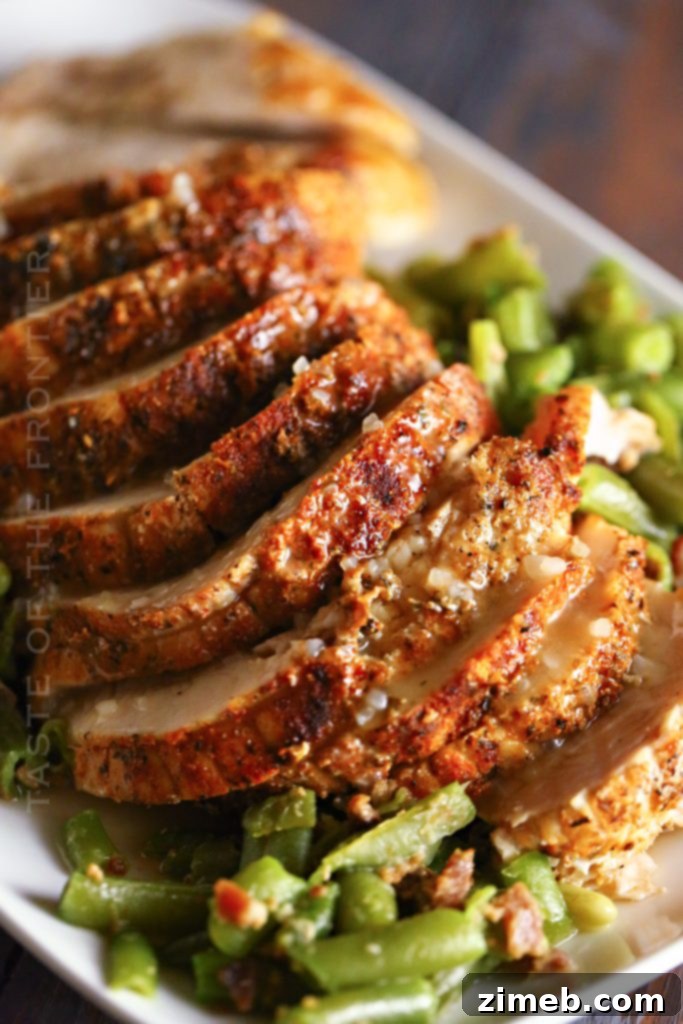
One of the many reasons this Cajun turkey breast meal is so appealing is its versatility for varying crowd sizes. Now that our children have grown and often have their own holiday plans, we no longer need to prepare a massive feast. A smaller, approximately 3-pound turkey breast is ideal. It provides a delightful and intimate dinner for two, while also leaving us with just enough scrumptious leftover turkey. These leftovers can be savored as a reprise of the same meal the following night or creatively transformed into a hearty soup or a comforting casserole, offering exciting new flavors without extra effort.
Prepare to fall in love with this incredibly flavorful and moist Cajun Turkey Breast!
Why Choose Boneless Turkey Breast for Your Next Meal?
Opting for a boneless turkey breast presents several advantages, particularly when cooking for a smaller gathering or simply seeking a more manageable preparation. Unlike a whole turkey, which demands significant oven space and a lengthy cooking process, a turkey breast cooks much faster and more evenly. This makes it a less intimidating option for novice cooks and a time-saving solution for experienced chefs.
Furthermore, a boneless turkey breast is incredibly easy to carve, yielding perfectly uniform slices with minimal fuss. It’s also an excellent choice for meal prepping, as it provides lean protein that can be portioned out for lunches and dinners throughout the week. You’ll find that a boneless turkey breast is a practical and delicious alternative that doesn’t compromise on flavor or juiciness when prepared correctly.
The Irresistible Allure of Cajun Flavor
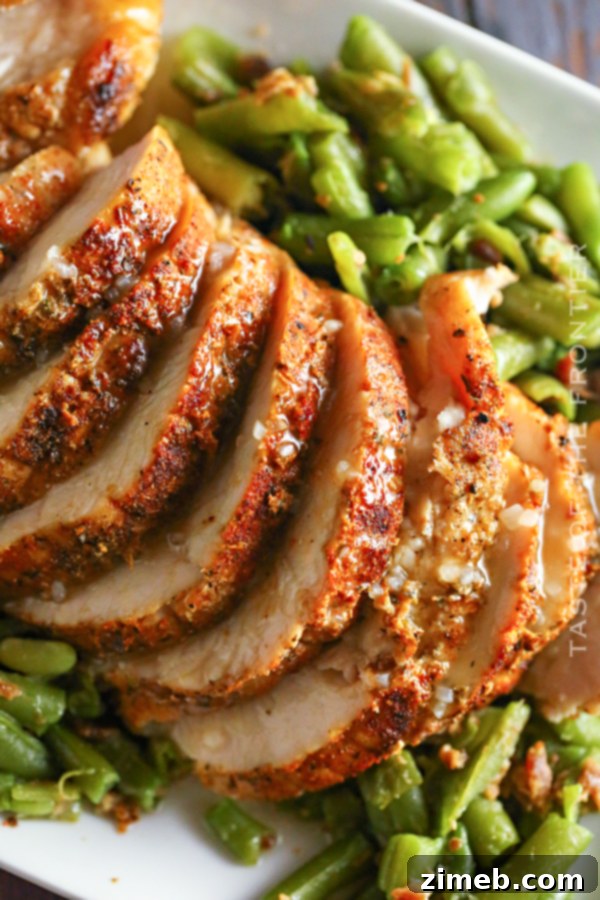
Cajun cuisine, originating from the Acadian people of Louisiana, is renowned for its bold, rustic, and incredibly flavorful profiles. It’s a style of cooking that celebrates robust spices, aromatic vegetables, and hearty ingredients. When applied to a tender turkey breast, Cajun seasoning transforms the meat into something truly spectacular.
The beauty of Cajun spices lies in their complex blend: earthy paprika provides color and sweetness, granulated garlic and onion powder lay a foundational aromatic base, while oregano and thyme add herbaceous depth. The heat comes from cayenne pepper and crushed red pepper, which can be adjusted to your preferred spice level. This unique combination creates a crust of intense flavor on the Cajun turkey breast, perfectly complementing the moist, tender meat beneath. It’s a culinary journey that promises excitement with every bite.
Frequently Asked Questions About Roasting Turkey Breast
What is the ideal internal temperature for cooked turkey?
Achieving the correct internal temperature is crucial for both food safety and ensuring a perfectly cooked, juicy turkey. The USDA recommends cooking all poultry, including turkey, to an internal temperature of 165 degrees Fahrenheit (74 degrees Celsius). This temperature effectively eliminates harmful bacteria while preserving the meat’s moisture.
When roasting a whole turkey, some guidelines suggest a higher initial heat (e.g., 450 degrees Fahrenheit for 15 minutes per pound) to achieve a crispy skin, followed by a lower temperature. However, for a smaller turkey breast, a consistent temperature of 350 degrees Fahrenheit (175 degrees Celsius) is usually sufficient. Always use a reliable meat thermometer inserted into the thickest part of the breast, avoiding the bone, to accurately check for doneness. Trusting the thermometer, not just the clock, guarantees a safe and delicious result every time.
***IMPORTANT NOTE: For safety reasons, especially when baking at higher temperatures, please refrain from using clear glass cookware. Instead, opt for a reliable Metal Baking Dish, durable Corningware, or a sturdy Enameled cast iron dish.
What are some delicious ways to use leftover turkey?
The joy of cooking a turkey breast is amplified by the potential for fantastic leftover turkey meals. Beyond simple sandwiches, these culinary creations offer comfort and convenience, transforming your initial dish into new, exciting flavors. We particularly love incorporating our leftovers into these dishes:
- Turkey Cranberry Sliders: These mini sandwiches are perfect for a party appetizer or a quick, flavorful lunch. The sweetness of cranberry pairs wonderfully with the savory turkey.
- Slow Cooker Turkey Chili: A hearty and comforting meal that’s incredibly easy to prepare. Just toss in your leftover turkey with chili staples for a satisfying stovetop, slow cooker, or Instant Pot dish.
- Crockpot Turkey and Rice Soup: A warming, wholesome soup that’s perfect for chilly evenings. The tender turkey and rice create a nourishing and flavorful broth.
- **Turkey & Veggie Wraps**: Shredded leftover turkey with fresh vegetables and a light dressing, all wrapped in a tortilla for a healthy and quick lunch.
- **Creamy Turkey Pot Pie**: Combine diced turkey with a rich, savory sauce and vegetables, topped with a flaky crust for the ultimate comfort food.
Understanding Bakeware: The Concern with Clear Glass
The concern surrounding clear glass bakeware, particularly at high temperatures, is a serious one, with numerous reports of glassware shattering. I’ve personally heard stories from readers, including one who described her glass dish exploding as she was pulling it from the oven after baking another recipe, sending hot glass shards and juices everywhere. This is a significant safety risk that should not be overlooked.
While some attribute these incidents to placing hot glass on a cool surface, many reports indicate explosions occurring while the dish is still in the oven, or even before it’s been touched. It’s generally advisable to avoid using glass baking dishes for temperatures exceeding 350 degrees Fahrenheit. For higher heat applications, or simply for peace of mind, metal, ceramic, or enameled cast iron alternatives are much safer choices. You can find more information and safety guidelines here, and a quick online search for “glass bakeware exploding” will show you the extensive visual evidence.
How much turkey breast do you need per person?
Planning the right amount of turkey per person is key to a successful meal, whether you’re hosting a small family dinner or a larger holiday gathering. A good rule of thumb is to calculate approximately one pound of raw turkey per person. However, several factors can influence this estimate.
Firstly, consider your guests’ appetites. If your family and friends are known for going back for seconds (or even thirds!), it’s always wise to err on the side of caution and buy a little extra. We almost always double our initial estimate because we love both seconds and the convenience of leftover turkey.
Secondly, the presence of side dishes plays a significant role. For a holiday meal like Thanksgiving, where an array of delicious accompaniments like stuffing, mashed potatoes, and casseroles are served, people tend to consume slightly less turkey. If the turkey is the primary focus of the meal with fewer sides, you might stick closer to the one-pound-per-person guideline. Ultimately, thoughtful planning ensures everyone gets enough, and you might even have some enjoyable leftovers.
PRO TIP: To simplify the removal of netting or twine after baking, gently wrap the cooked turkey breast in aluminum foil while it rests. This not only keeps it warm but also helps to loosen the netting, making it easier to slip off.
How to Carve a Turkey Breast Perfectly
Carving a turkey breast might seem daunting, but with a little patience and the right technique, you can achieve beautiful, even slices every time. The key to a moist and flavorful result starts even before you pick up the knife.
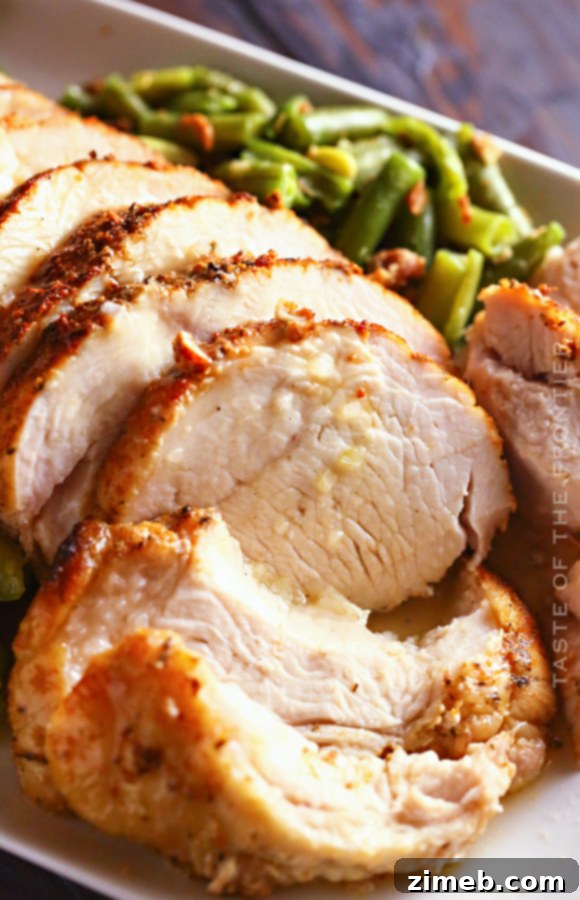
- **Resting is Essential:** After removing the Cajun turkey breast from the oven, allow it to rest for a minimum of 15 minutes. This crucial step allows the juices, which have gathered at the center during cooking, to redistribute throughout the meat, ensuring every slice is incredibly juicy. To keep it warm during this period, loosely tent the turkey with aluminum foil.
- **Sharpen Your Knife:** A sharp carving knife is your best friend. It makes clean cuts, preventing the meat from tearing and ensuring a presentable platter.
- **Follow the Breast Bone:** Locate the breast bone running down the center of the turkey breast. Make your first deep slice along one side of this bone, using smooth, long, even strokes. If you’re using a serrated knife, a gentle sawing motion works well.
- **Continue Slicing:** As your knife reaches the edge, the slice should naturally fall away. Continue this pattern, making consistent cuts until all the meat is removed from that side of the breast. Repeat on the other side. Arrange the slices neatly on a platter and serve immediately.
Ingredients for Your Delicious Cajun Turkey Breast
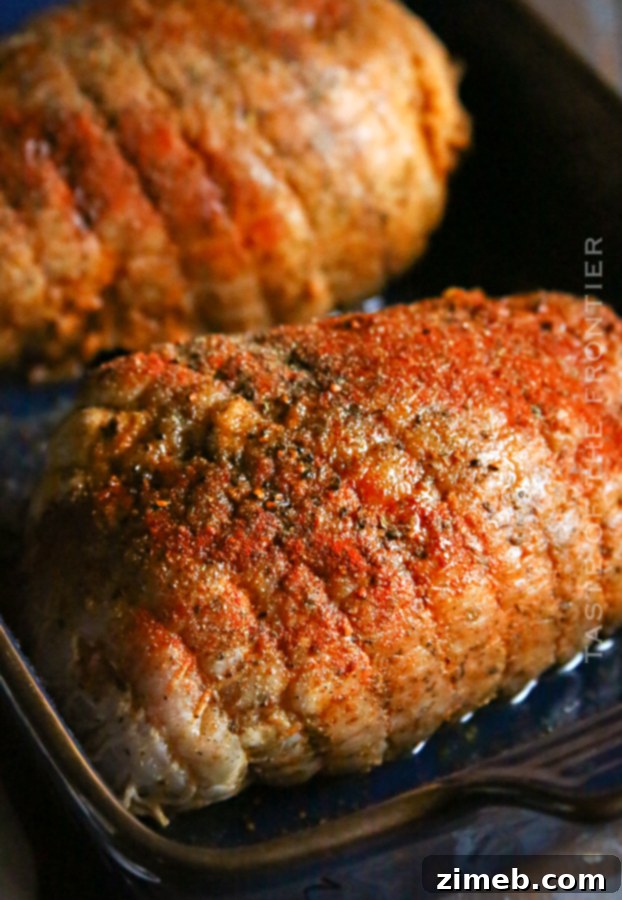
To create this incredibly flavorful Cajun Turkey Breast, you’ll need a selection of simple yet potent ingredients. The magic truly happens when these spices combine to create the signature Cajun flavor profile.
- **Boneless Turkey Breast:** Approximately 3 pounds, providing a perfect serving for a small group with potential for leftovers.
- **Olive Oil:** Acts as a binder for the seasonings and helps create a beautiful, crispy skin.
- **Paprika:** Offers a sweet, peppery, and slightly smoky flavor, contributing to the rich color.
- **Granulated Garlic:** Provides a concentrated garlic flavor that permeates the meat.
- **Table Salt:** Essential for seasoning and enhancing all the other flavors.
- **Oregano:** Adds an earthy, aromatic, and slightly bitter note.
- **Thyme:** Contributes a subtle, earthy, and minty undertone.
- **Onion Powder:** Delivers a savory, umami depth, complementing the garlic.
- **Cayenne Pepper:** The primary source of heat, adjustable to your preference for spice.
- **Crushed Red Pepper:** Adds an extra layer of warmth and a touch of visual appeal.
Can leftover turkey be frozen? Absolutely!
Freezing leftover turkey is a fantastic way to extend its shelf life and ensure you always have a quick protein source on hand. We typically store our leftovers in the refrigerator for a couple of days for immediate meals. However, if it looks like we won’t consume it all within 3-4 days, I portion the remaining turkey into zip-top bags and freeze it for up to two months.
Frozen turkey is incredibly versatile. It’s perfect for adding to last-minute dinners, especially hearty dishes like soup in the Instant Pot. The best part? You don’t even need to thaw it first! Simply add the frozen turkey directly to your simmering soup or stew, allowing it to defrost and warm through as it cooks.
Why shouldn’t you rinse raw turkey or poultry before cooking?
This is a common question, and while many people grew up believing that rinsing poultry before cooking is necessary, most modern culinary and food safety guidelines strongly advise against it. The main reason is to prevent cross-contamination.
Rinsing raw turkey or chicken under running water doesn’t remove bacteria like Salmonella; instead, it spreads these bacteria through splashing water to other surfaces in your kitchen, including countertops, sinks, and utensils. This creates more areas for potential contamination and increases the risk of foodborne illness. Furthermore, water alone isn’t enough to kill bacteria; vigorous washing with soap and water, like you would use for your hands, would be required, which is not practical or safe for poultry.
The good news is that any bacteria present on the surface of the turkey will be effectively killed during the cooking process, provided the meat reaches the recommended internal temperature of 165 degrees Fahrenheit. So, save yourself the extra cleaning and reduce the risk of contamination by skipping the rinse and going straight to seasoning your oven-roasted turkey breast.
How to Make the Best Cajun Turkey Breast
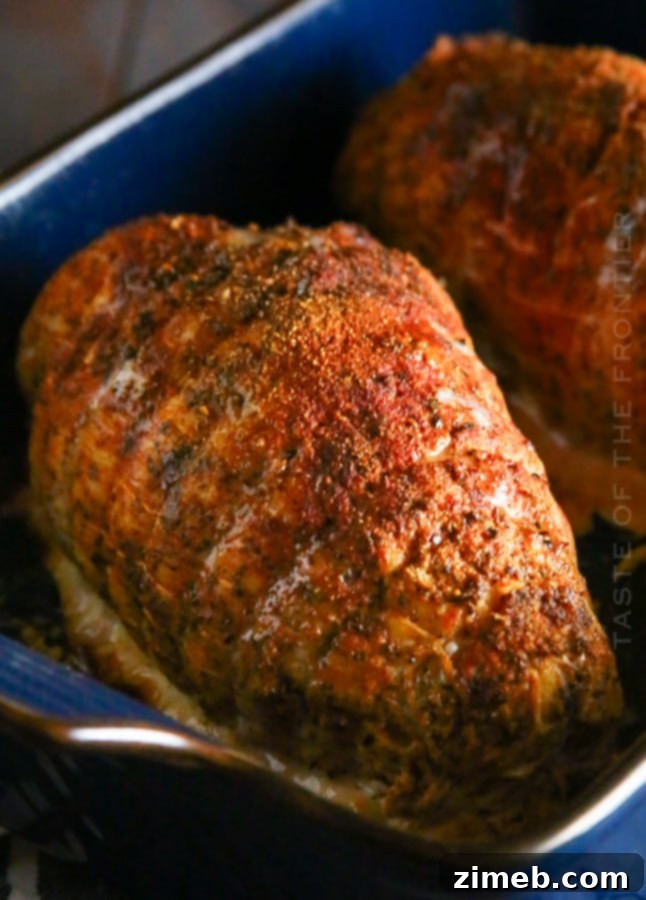
Creating this flavorful Cajun Turkey Breast is surprisingly straightforward, yielding a moist and perfectly seasoned dish every time. Follow these simple steps for a truly delicious result:
- **Preheat Your Oven:** Begin by preheating your oven to 425 degrees Fahrenheit (220 degrees Celsius). This initial high heat helps create a beautiful crust on the turkey.
- **Prepare Baking Dish:** Lightly spray a small casserole or baking dish with oil to ensure the turkey doesn’t stick to the bottom.
- **Prepare the Turkey:** Remove the turkey breast from its packaging. If it comes tied with a net, leave it on; otherwise, you’ll need to tie it with kitchen twine to ensure even cooking. Place the turkey in your prepared baking dish.
- **Apply Olive Oil:** Brush the entire surface of the turkey breast generously with olive oil. This not only helps the seasonings adhere but also contributes to a wonderfully crispy skin and moist interior. Set aside.
- **Mix Cajun Seasoning:** In a small bowl, combine all your dry seasonings: paprika, granulated garlic, table salt, oregano, thyme, onion powder, cayenne pepper, and crushed red pepper. Stir thoroughly until all the spices are uniformly mixed, creating your custom Cajun seasoning blend.
- **Season the Turkey:** Evenly sprinkle the mixed seasoning over the oiled turkey breast. Gently press the spices into the meat to ensure they adhere well and infuse maximum flavor.
- **Initial High-Heat Roast:** Place the seasoned turkey breast in the oven and roast at 425 degrees Fahrenheit for 15 minutes. This helps to sear the outside and lock in juices.
- **Lower Temperature & Finish Roasting:** Reduce the oven temperature to 350 degrees Fahrenheit (175 degrees Celsius). Continue roasting for an additional 35-40 minutes, or until the thickest part of the turkey breast reaches an internal temperature of 165 degrees Fahrenheit (74 degrees Celsius). Using a meat thermometer is critical here for accuracy.
- **Rest Before Carving:** Once cooked, remove the turkey breast from the oven. Let it rest for about 15 minutes before removing the net or twine and slicing. Resting allows the juices to redistribute, resulting in a more tender and juicy turkey.
NOTE: If you are cooking more than one turkey breast simultaneously, the total baking time will increase. While the exact time can vary due to multiple factors, an approximate estimate is about 15 minutes per pound. For instance, when roasting two 3-pound turkey breasts together, I found that they needed approximately 90 minutes of cooking time after the initial 15-minute high-heat period. Always rely on a meat thermometer for precise doneness.
How long can cooked turkey be safely stored?
Proper storage is essential to keep your cooked Cajun Turkey Breast safe and delicious. Provided the turkey was promptly transferred to an airtight container within one hour of serving (to prevent excessive bacteria growth), it can be safely stored in the refrigerator for 3-4 days. For longer storage, you can freeze cooked turkey for up to three months. Freezing is an excellent way to preserve its quality and flavor for future meals. Remember to label and date your containers for best practice.
Tips for Storing and Reheating Leftover Turkey Breast
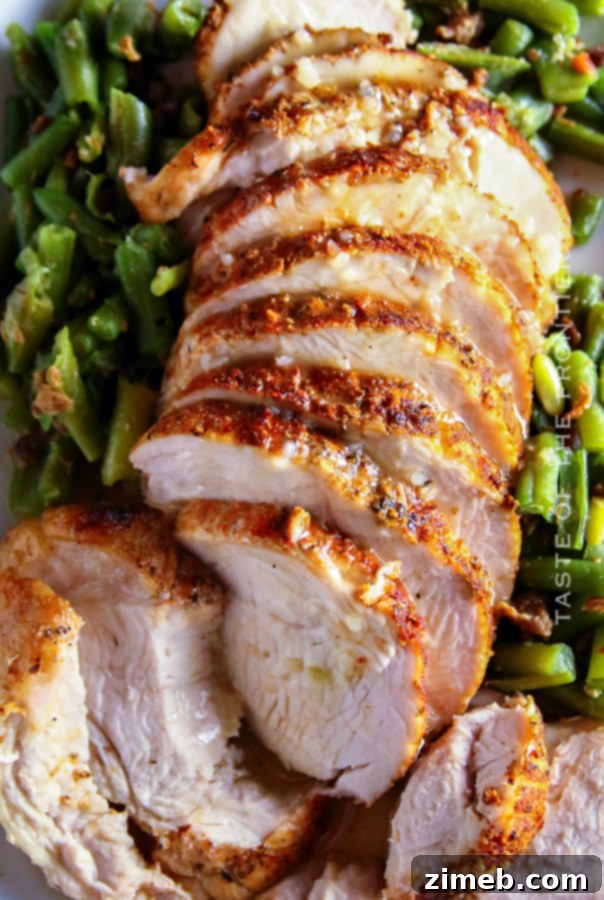
If you’re fortunate enough to have leftover turkey after serving, proper storage and reheating are key to maintaining its deliciousness. Always transfer any remaining turkey to an airtight container and refrigerate promptly. This practice helps prevent bacterial growth and keeps the turkey fresh for future enjoyment.
When it comes to reheating, the goal is to warm the turkey without drying it out. Our preferred method for reheating sliced turkey breast is to utilize steam. Place the turkey slices in a microwave-safe container with a splash of water. Then, lightly cover the container. You can use a paper towel, a microwave-safe lid (if available), or even an inverted paper plate. Reheat in the microwave for 30-60 seconds, or until it’s hot throughout. The added moisture from the water creates steam, which gently reheats the turkey, ensuring it comes out moist, tender, and delicious every single time.
What to Serve with Cajun Turkey Breast
The bold and zesty flavors of Cajun Turkey Breast pair wonderfully with a variety of side dishes, creating a balanced and memorable meal. While the possibilities are extensive, here are some of our family’s most frequently made recipes that beautifully complement the turkey’s robust profile:
- Cranberry BBQ Meatballs: The sweet and tangy barbecue sauce with cranberry offers a fantastic contrast to the spicy turkey.
- Apple Cranberry Spritzer: A refreshing and festive drink that cuts through the richness of the meal.
- Cranberry Quick Bread: A hint of sweetness and tartness, perfect for soaking up any juices or gravy.
- Traditional Deviled Eggs: Creamy and savory, a classic appetizer that complements almost any main course.
- Honey Glazed Carrots: Sweet and tender carrots add a touch of color and natural sweetness.
- Easy Cranberry Sauce: The tartness of cranberry sauce is a traditional pairing with turkey and a fantastic palate cleanser.
- Loaded Green Bean Casserole: A comforting, savory side dish that’s a holiday favorite.
- Easy Sausage Stuffing: The herbaceous notes and savory sausage make this a perfect hearty accompaniment.
- One Hour Dinner Rolls: Fluffy, warm rolls are ideal for sopping up any delicious drippings.
- Easy Gravy Recipe: A savory gravy made from pan drippings elevates the entire meal.
- Bacon & Garlic Green Beans: Crisp-tender green beans with smoky bacon and pungent garlic add a fresh, vibrant element.
- Garlic Mashed Potatoes: Creamy, garlicky mashed potatoes are a universally loved comfort food that pairs well with anything.
- Mini Apple Pies: A sweet and comforting dessert to round out the meal.
- Holiday Party Punch: A festive and refreshing beverage option.
- Pumpkin Roll Cake: A delightful autumnal dessert that brings seasonal cheer.
- Best Pumpkin Pie: A classic holiday dessert that’s always a crowd-pleaser.
- Turkey Gravy: Essential for adding moisture and richness to every bite of turkey.
Essential Tips for the Best Cajun Turkey Breast
- **Gauge Doneness with a Thermometer:** Never rely solely on cooking time. The overall cooking duration is highly dependent on the size and thickness of your turkey breast. Always use a reliable meat thermometer to ensure the internal temperature reaches 165°F (74°C) in the thickest part.
- **Start with a Properly Prepared Turkey:** Ensure your turkey is either fresh or completely thawed before you begin seasoning and cooking. A partially frozen turkey will cook unevenly.
- **Use Fresh Seasonings:** The vibrancy of your Cajun seasoning blend directly impacts the flavor. Check that your spices aren’t old and stale for the best aromatic results.
- **Don’t Skip the Olive Oil:** Olive oil is key! Not only does it help the seasoning adhere beautifully to the turkey, but it also contributes essential fat and flavor. It’s a lighter, “waistline-friendly” alternative to butter but still helps achieve that perfect, golden-brown, crispy exterior.
- **Consider Brining (Optional but Recommended):** For an even more moist and flavorful turkey, consider brining it overnight in a large bowl with a seasoned salt solution. This step dramatically enhances the turkey’s ability to retain moisture.
- **Resting Period is Crucial:** Allow the turkey breast to rest for at least 15 minutes after it comes out of the oven. Tent it loosely with foil to keep it warm. This allows the juices to redistribute throughout the meat, resulting in a more tender and juicy slice.
Cajun Turkey Recipe
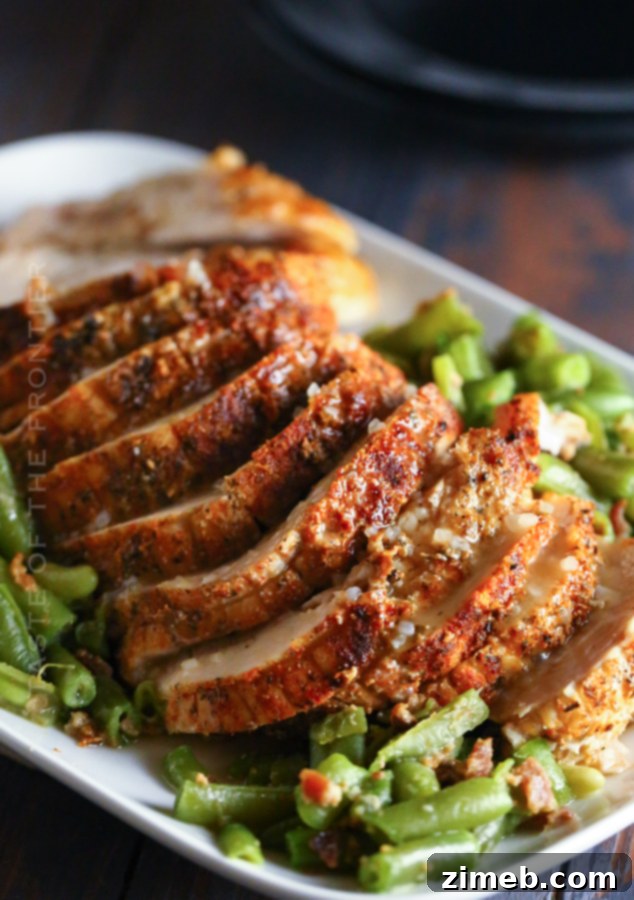
Products I Love for Making Cajun Turkey Breast…
This easy turkey recipe is incredibly delicious, and if you’re like me, you might already have many of these items on hand. If you’re new to making homemade turkey and feeling a bit nervous, don’t worry – you’re going to love this recipe! I’ve compiled a list of essentials that I simply can’t do without when preparing this holiday (or any day!) staple.
- Blue Casserole Dish – perfect for roasting, as shown in the images.
- Olive Oil – a good quality oil for brushing and flavor.
- Paprika – for rich color and earthy flavor.
- Granulated Garlic – for an intense garlic punch.
- Table Salt – essential for seasoning.
- Oregano – for aromatic depth.
- Thyme – complements the savory flavors beautifully.
- Onion Powder – adds a savory, foundational flavor.
- Cayenne Pepper – brings the essential Cajun heat.
- Crushed Red Pepper – for an extra kick and visual texture.
- Cooking Thermometer – essential for ensuring perfectly cooked and safe turkey.
- Cutting Board – a sturdy surface for prep and carving.
- Knives – a sharp set, particularly a good carving knife, makes all the difference.
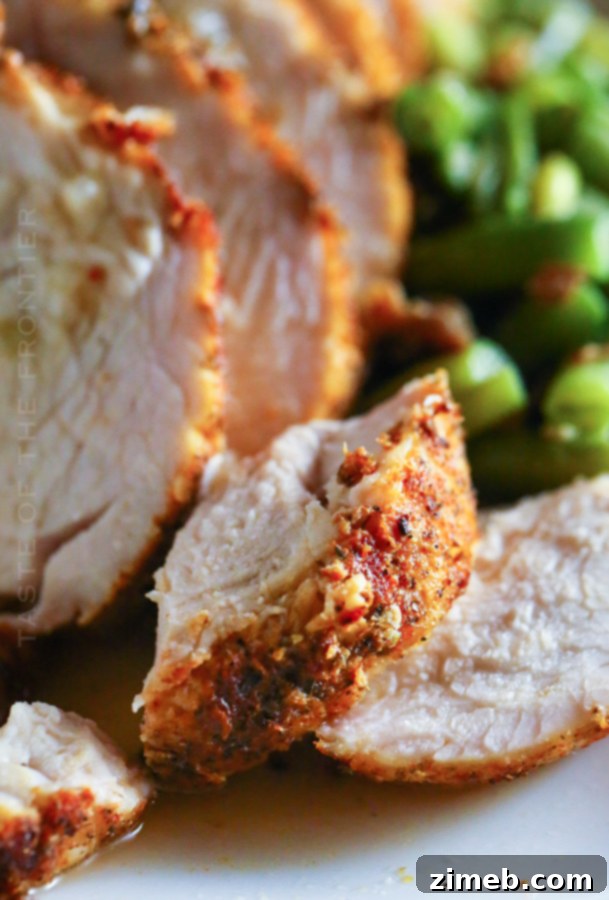
If you adore this Easy Cajun Turkey Breast recipe, you’ll be thrilled to discover these other delightful turkey recipes too. Please click each link below to find the easy, printable recipe!
Check out this recipe
Check out this recipe

Check out this recipe
Check out this recipe

Check out this recipe
Check out this recipe
Check out this recipe
If you cherish this recipe for Cajun Turkey Breast as much as I do, please take a moment to leave a five-star review. Your feedback is invaluable! And don’t forget to help me spread the word by sharing this delicious recipe on Facebook and Pinterest!
CONNECT WITH YUMMI HAUS!
Be sure to follow me on my social media, so you never miss a post!
Substack, FB, Pinterest, IG, Email Subscription
Rate this Recipe
Cajun Turkey Breast
Ingredients
- 1 boneless turkey breast – approx 3 pounds
- 2 tbsp olive oil
- 2½ tsp paprika
- 2 tsp granulated garlic
- 1½ tsp table salt
- 1¼ tsp oregano
- 1¼ tsp thyme
- 1 tsp onion powder
- 1 tsp cayenne pepper
- ½ tsp crushed red pepper
Instructions
-
Preheat the oven to 425 degrees.
-
Spray a small casserole/baking dish with oil to coat the bottom.
-
Remove the turkey breast from the refrigerator and remove the wrapper. If it is already tied with a net, leave it on and place it in the prepared dish. If it is not tied, you will need to tie it first.
-
Brush the turkey breast with olive oil. Set aside.
-
In a small bowl, combine the paprika, granulated garlic, salt, oregano, thyme, onion powder, cayenne pepper and crushed red pepper. Stir until completely mixed.
-
Sprinkle the seasoning mixture over the top of the oiled turkey breast and then press in to help it adhere to the turkey.
-
Place in the oven and roast at 425 degrees for 15 minutes.
-
Reduce the temperature to 350 degrees and continue roasting for another 35-40 minutes OR UNTIL THE THICKEST PART OF THE TURKEY BREAST HAS REACHED 165 DEGREES. (see notes below)
-
Remove and let rest for about 15 minutes before removing the net or twine and slicing.
Notes
****If cooking more than 1 turkey breast at a time – the total baking time will increase, but the exact time can vary depending on a multitude of factors. The estimated time is about 15 minutes per pound. Because I was doing two – 3-pound turkey breasts at the same time – I cooked mine for about 90 minutes after the initial 15-minute high-heat period.
****To make it easier to remove the netting after baking – wrap the turkey breast in foil while the breast rests after cooking.
Nutritional information for the recipe is provided as a courtesy and is approximate. Please double-check with your own dietary calculator for the best accuracy. We at Yummi Haus cannot guarantee the accuracy of the nutritional information given for any recipe on this site.