Gluten-Free Blackberry Scones
These gluten-free blackberry scones are flaky and tender with fresh blackberries throughout. They're lightly sweetened and brushed with butter and turbinado sugar before baking for a crunchy top. Serve them plain or with jam and butter.
- Prep10 min
- Cook20 min
- Total30 min
- Yield8 scones
17 May 2015
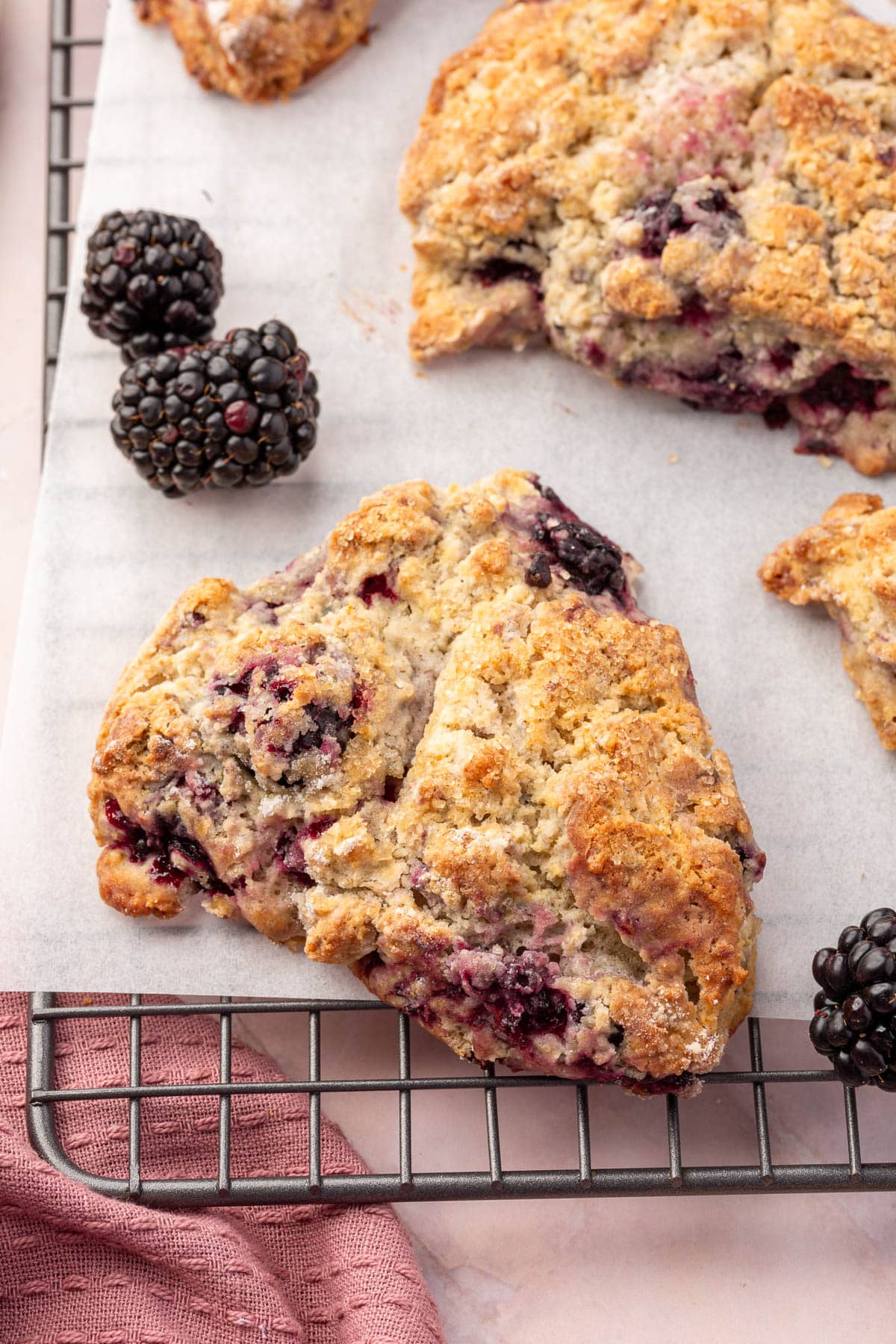
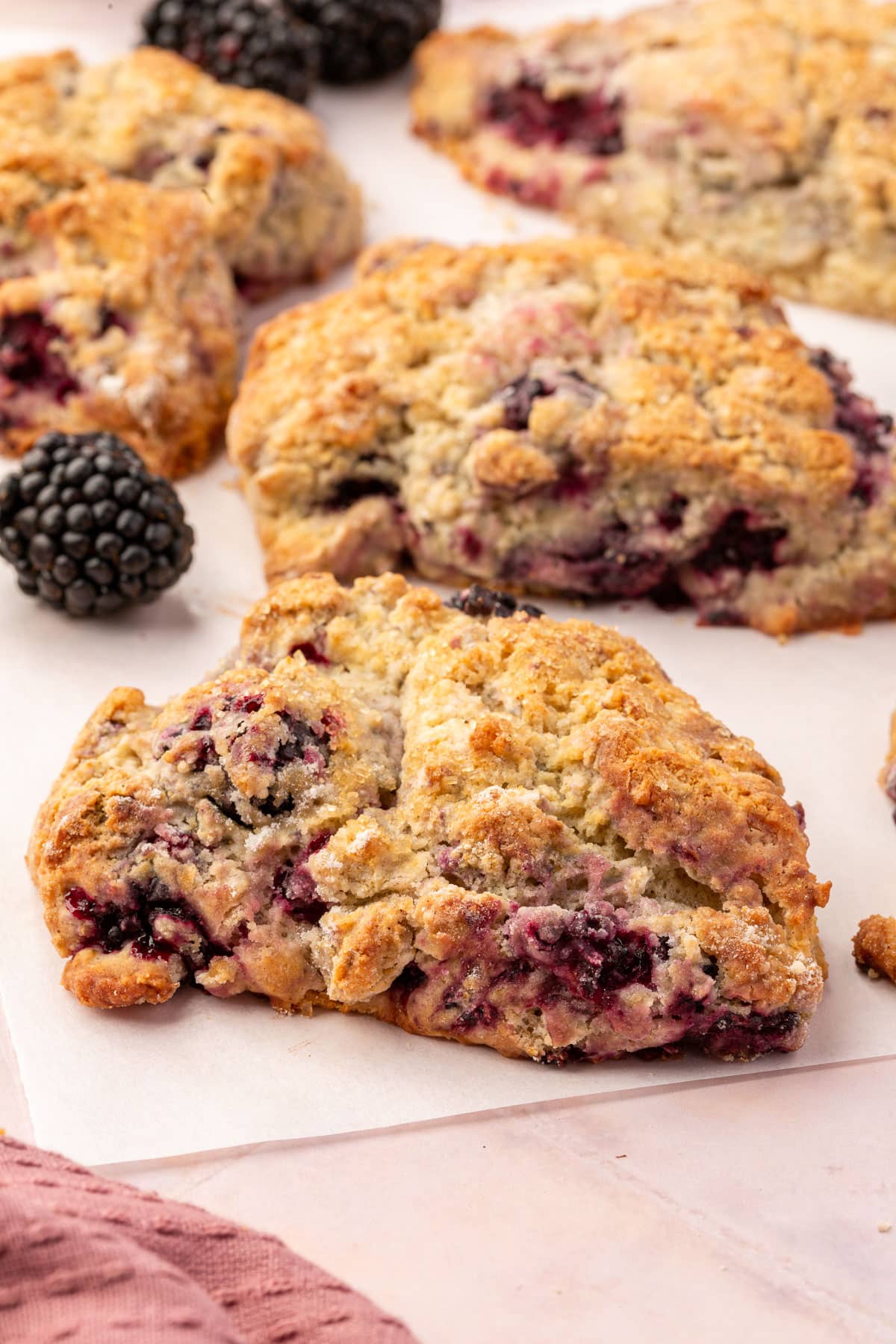
These gluten-free blackberry scones are made with fresh blackberries that make them slightly sweet and a little tart. The scones are flaky and tender, not dry, thanks to the richness from an egg and cold butter.
Enjoy these scones on their own or with your favorite jam or butter. They’re great with a cup of coffee!
Why You’ll Love this Recipe
- Quick to make. While scones may seem fancy and only something you can get at your local bakery or coffee shop, they’re actually quite simple to make at home. Cut butter into dry ingredients, add wet ingredients, mix to form a dough, then cut and bake. Uses basic pantry ingredients you probably already have.
- They’re versatile. Swap blackberries for raspberries or blueberries. Add a tablespoon of lemon zest to the dough for brightness. Drizzle with the lemon glaze from my gluten-free blackberry muffins for extra sweetness.
- They freeze well. Freeze baked scones up to 3 months in an airtight container. Thaw at room temperature for about an hour.
Ingredients
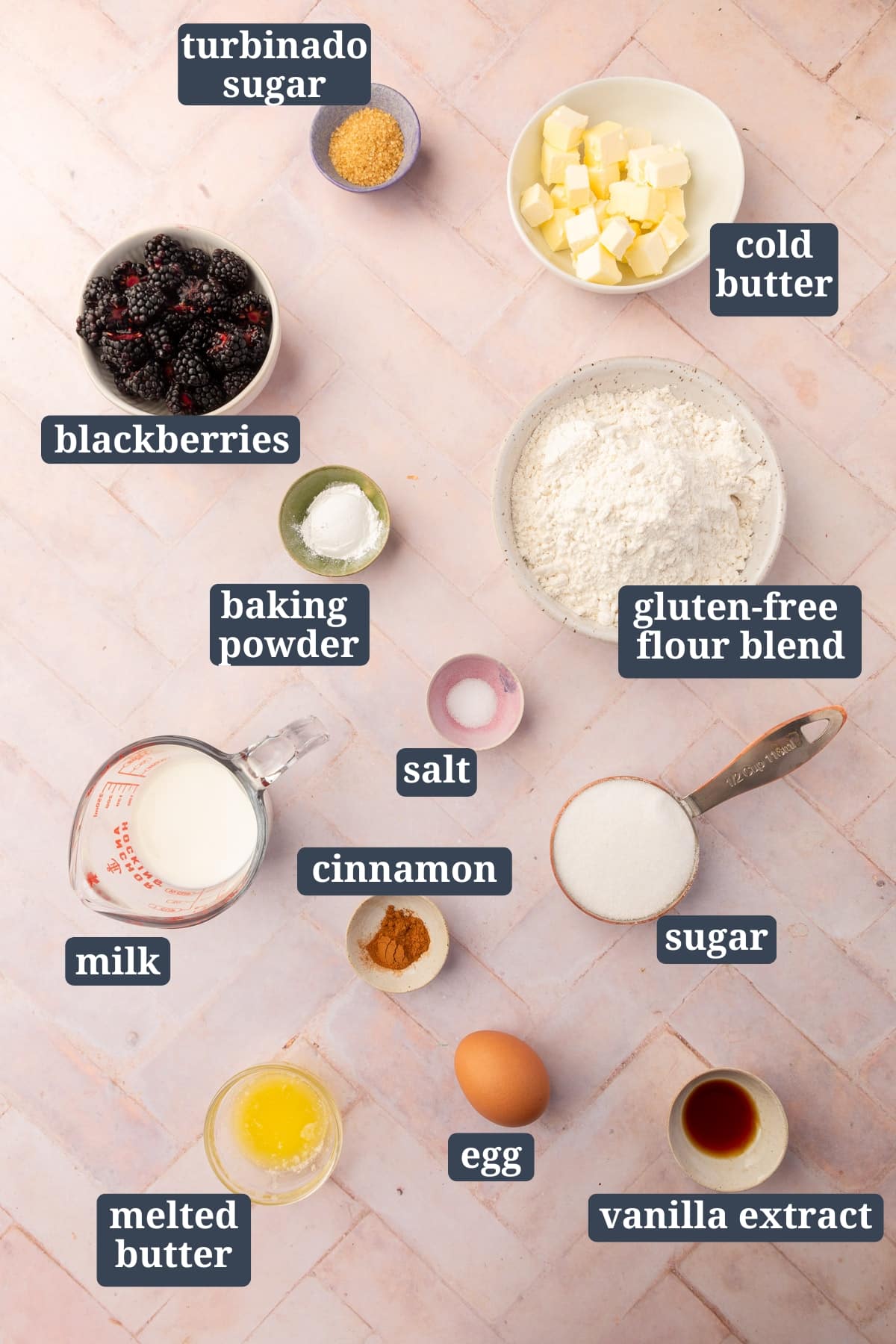
Ingredient Notes
- Gluten-free Flour – I’ve tested this recipe with Bob’s Red Mill 1-to-1 (blue bag), which already contains xanthan gum. I haven’t tested other blends so I can’t guarantee results. Weigh your flour (280g) for best results instead of scooping into measuring cups.
- Blackberries – I like to cut fresh blackberries into 2-3 pieces so there are more berries throughout the scones. Frozen blackberries will work if not in season.
- Butter – Cold unsalted butter creates flaky layers. Cube into 1/4-inch pieces and freeze for 10 minutes before using. Cut into the flour until pieces are about the size of peas.
- Milk – Whole milk, buttermilk, or unsweetened almond milk all work. I use whole milk because I always have it on hand. Almond milk makes the scones slightly less fluffy but still delicious.
- Egg – One large egg adds some richness to the scone. I’ve also made this recipe without egg, and the scones are a little more crumbly and not as rich. You will need to increase the milk by 2-3 tablespoons if you do not use the egg. Start with the lowest amount of milk in the recipe and then add a tablespoon more at a time until you can mix the dough together.
- Melted Butter – Brushed on top before baking to help the turbinado sugar stick and give the scones a golden color. You can use egg wash or buttermilk instead.
- Turbinado sugar – Adds a crunchy texture on top. Holds its shape when baked, unlike granulated sugar which melts and gets sticky.
How to Measure Gluten-Free Flour
Using too much flour will result in dense scones. The best way to measure is with a food scale (280g). If you must use measuring cups, spoon the flour into the cup and level it off with a flat surface. Never scoop the cup directly into the bag of flour, which packs too much flour into the cup.
Recipe FAQs
Can I substitute other types of fruit for blackberries?Yes. Raspberries, blueberries, strawberries, or a mix all work. Keep the total amount the same (about 1.5 cups).
How do I prevent dry scones?Make sure not to over mix your dough, and avoid overbaking your scones. The scone dough does not need to be smooth, it should be scraggly. Mix the dough together just until there is no more loose flour on the bottom of the bowl.
What is the difference between a scone and a biscuit?Scones are slightly sweeter, often contain fruit, and typically have an egg. Biscuits are savory, have no egg, and are served with meals. Both have a flaky texture.
Expert Tips
- Keep butter cold. Freeze cubed butter for 10 minutes before adding to flour. Cold butter creates steam pockets that make the scones flaky.
- Don’t overmix the dough. Mix just until no loose flour remains in the bottom of the bowl. The dough should be scraggly, not smooth. Overmixing makes tough, dense scones.
- Add milk gradually. Start with 1/3 cup milk, then add 1 tablespoon at a time if needed. Drizzle it over dry areas so it absorbs. Stop when you can form a dough with no loose flour at the bottom of the bowl.
- Cut blackberries into pieces. Cut fresh blackberries into halves or thirds so you get more berries throughout the scones instead of big whole berries that sometimes create soggy pockets.
- Make the dough thick. Pat dough to 1.5 inches thick. Scones don’t rise much, so starting thick gives you taller scones.
Storage Instructions
- Storage: Blackberry scones can be stored in an airtight container at room temperature for up to 2-3 days.
- Freezer Option: For longer storage, you can freeze them in an airtight container or a resealable plastic bag for up to 2-3 months.
- Defrost: Let frozen scones sit out at room temperature for about an hour, until they are soft in the center again.
Serving Suggestions
Serve these scones for brunch alongside my gluten-free quiche with bacon and gruyere and gluten-free cinnamon rolls . Set everything out buffet-style so guests can choose what they want. The scones and cinnamon rolls can sit at room temperature while the quiche stays warm, making this an easy spread to manage.
Method
-
1
Preheat your oven to 425°F (218°C). Line a baking sheet with parchment paper. Set aside.
-
2
In a large mixing bowl, whisk together 2 cups gluten-free flour blend, ½ cup granulated sugar, 1 tablespoon baking powder, ½ teaspoon ground cinnamon and ½ teaspoon salt until combined.
-
3
Add 6 tablespoons unsalted butter (cold and cubed) to the flour mixture. Using a pastry cutter or two knives, cut the butter into the flour until the mixture is crumbly and the butter pieces are about the size of peas. Some larger pieces are fine. Work quickly so the butter stays cold.
-
4
Add 6 oz fresh blackberries to the flour mixture and toss until they are coated with the flour. This helps prevent the berries from bleeding too much into the dough.
-
5
In a separate small bowl, whisk together ⅓ of the ½ cup whole milk, 1 large egg, and 1 teaspoon vanilla extract until smooth.
-
6
Pour the milk mixture into the flour mixture and stir with a fork or wooden spoon to combine. The dough should be scraggly, not smooth. If there's still loose flour on the bottom of the bowl and the dough won't come together, add more milk 1 tablespoon at a time, drizzling it over the dry spots. Stop when you can form a mass with no more loose flour in the bowl. Don't overwork the dough or the blackberries will bleed and the scones will turn out dense.
-
7
Turn the dough out onto a lightly floured surface. Shape it into a circle about 1.5 inches thick and 6 inches wide. The dough should be thick because scones don't rise much.
-
8
Use a sharp knife to cut the circle into 8 equal wedges, like cutting a pizza.
-
9
Transfer the wedges to the prepared baking sheet, leaving about 2 inches of space between them so they have room to expand slightly.
-
10
Brush the tops of the scones with 1 tablespoon melted butter. Sprinkle with 2 teaspoons turbinado sugar.
-
11
Bake the scones in the preheated oven at 425℉ for 18-20 minutes, until the scones are golden brown and a toothpick inserted into the center comes out clean.
-
12
Remove from the oven and let cool on the baking sheet for at least 10 minutes before serving.
Filed under
Cook next
 Gluten-FreeRecipeGrilled TurkeyAre you short on oven space this Thanksgiving? Try grilling your turkey instead! Grilled turkey is a great op…
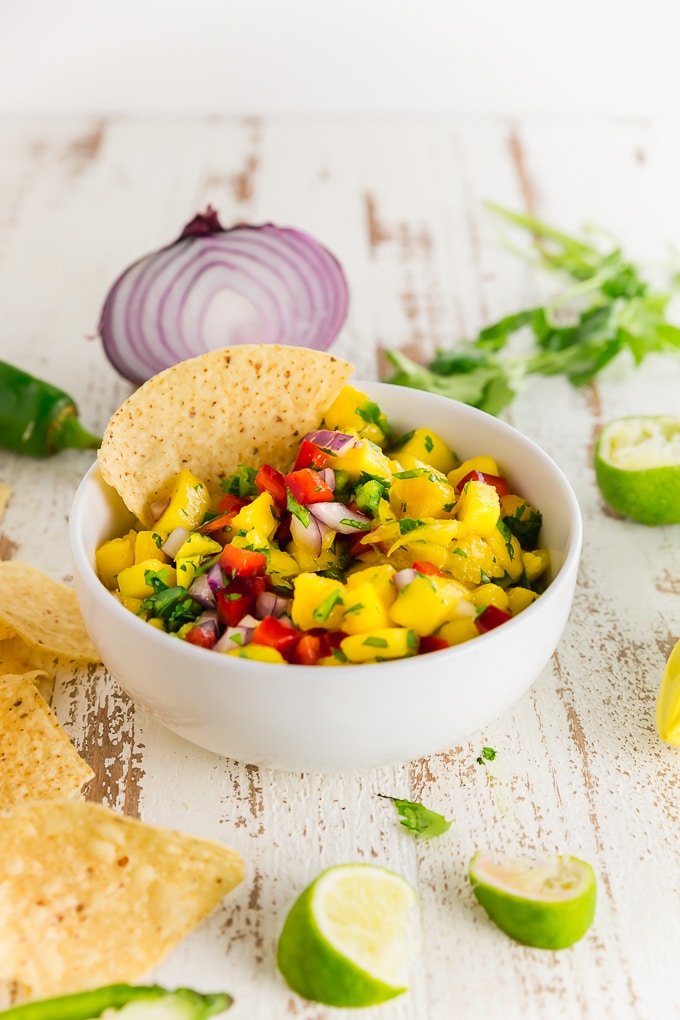 Gluten-FreeRecipeHomemade Mango SalsaFresh, bright, and ready in 5 minutes. This homemade mango salsa is made with ripe mango, red bell pepper, re…
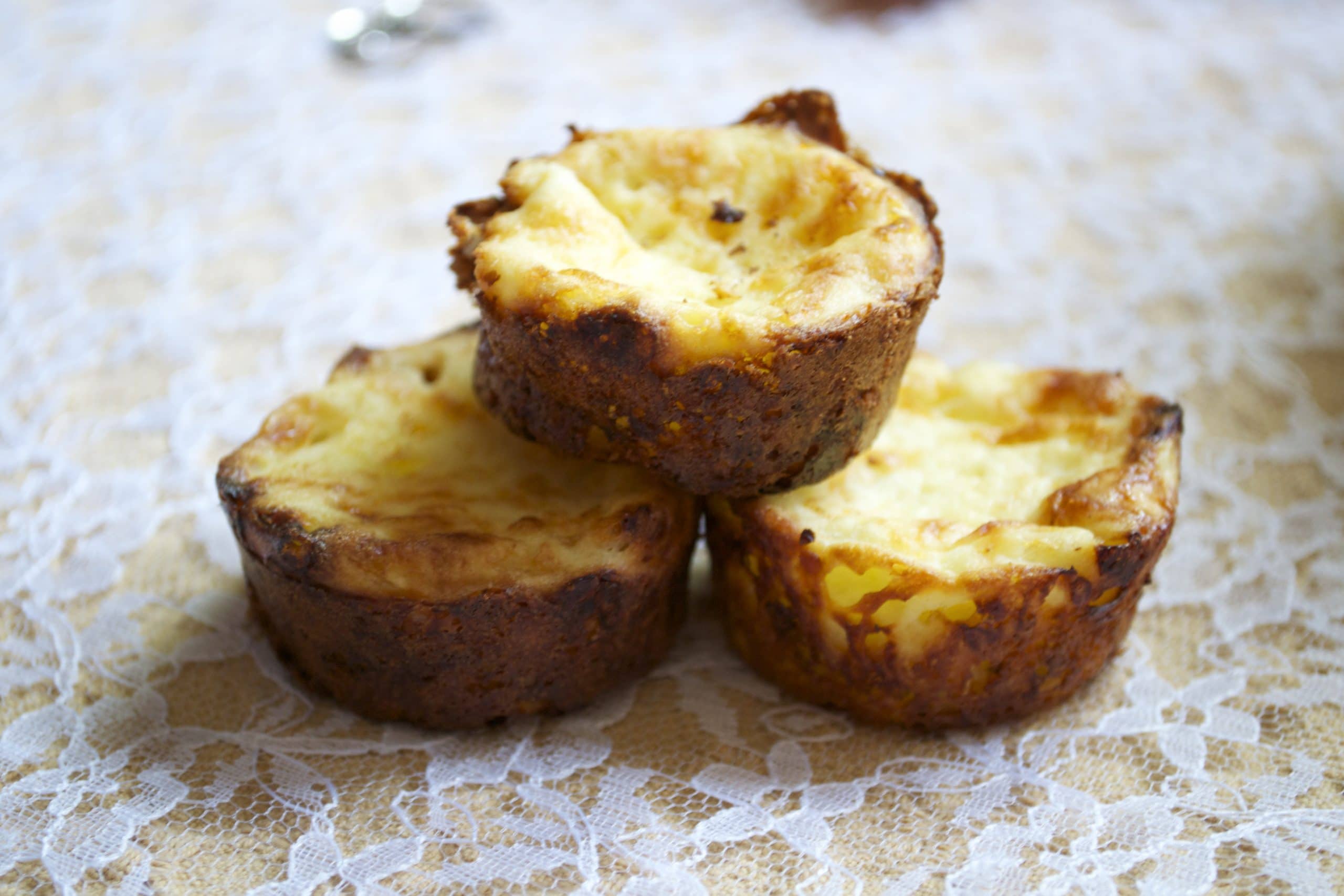 Gluten-FreeRecipeGluten Free Crustless Mini QuichesGluten free mini crustless quiches are the perfect party appetizer. They only require a few ingredients and a…
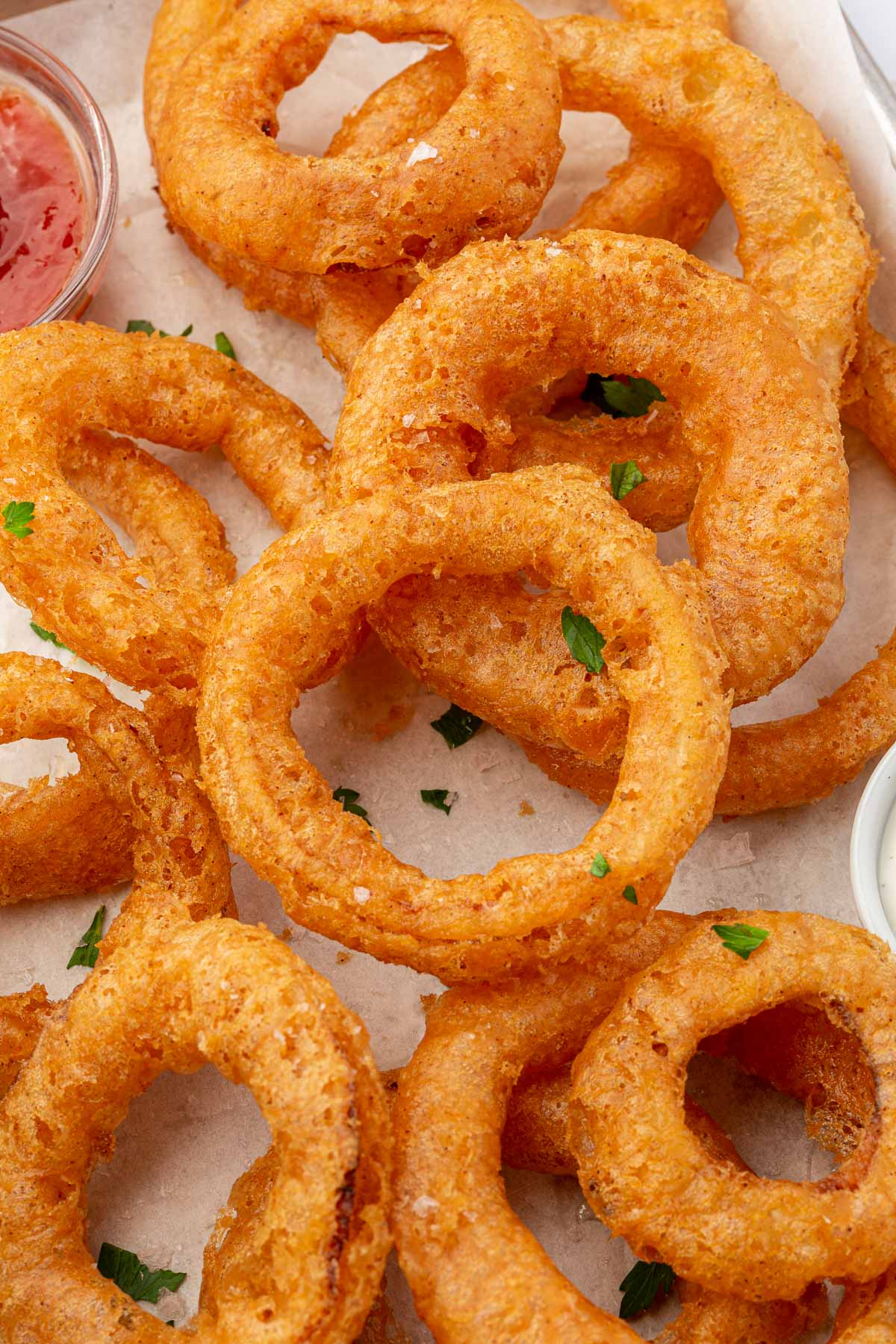 Gluten-FreeRecipeGluten-Free Onion RingsThese gluten-free onion rings have a crispy and crunchy exterior, with a soft, sweet onion interior. The glut…
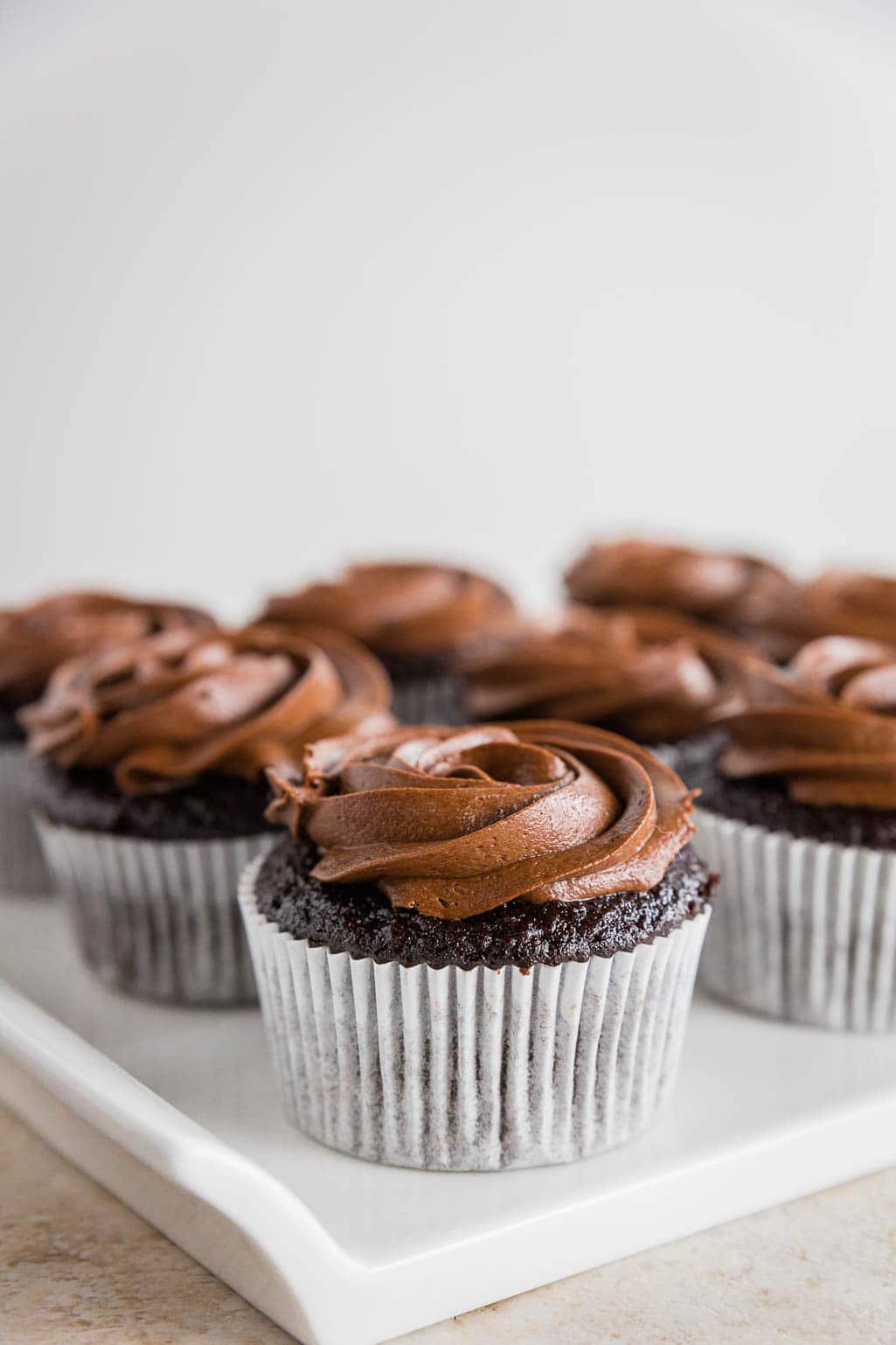 Gluten-FreeRecipeGluten-Free Chocolate CupcakesOne-bowl gluten-free chocolate cupcakes with a chocolate buttercream frosting recipe included. The batter use…
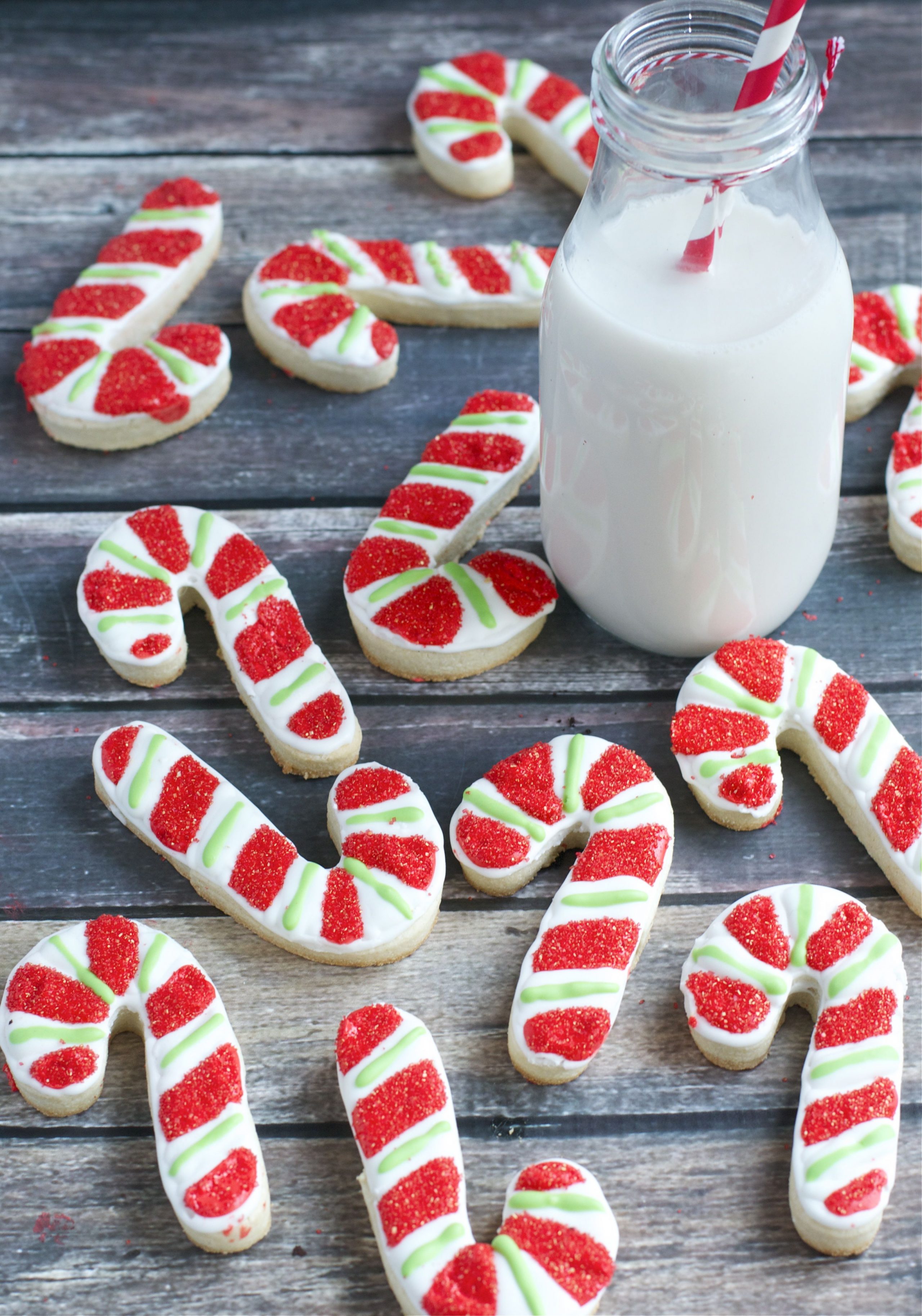 Gluten-FreeRecipeGluten-Free Peppermint Candy Cane Sugar CookiesThese gluten-free peppermint candy cane sugar cookies are so fun and festive. Flavored with peppermint extrac…
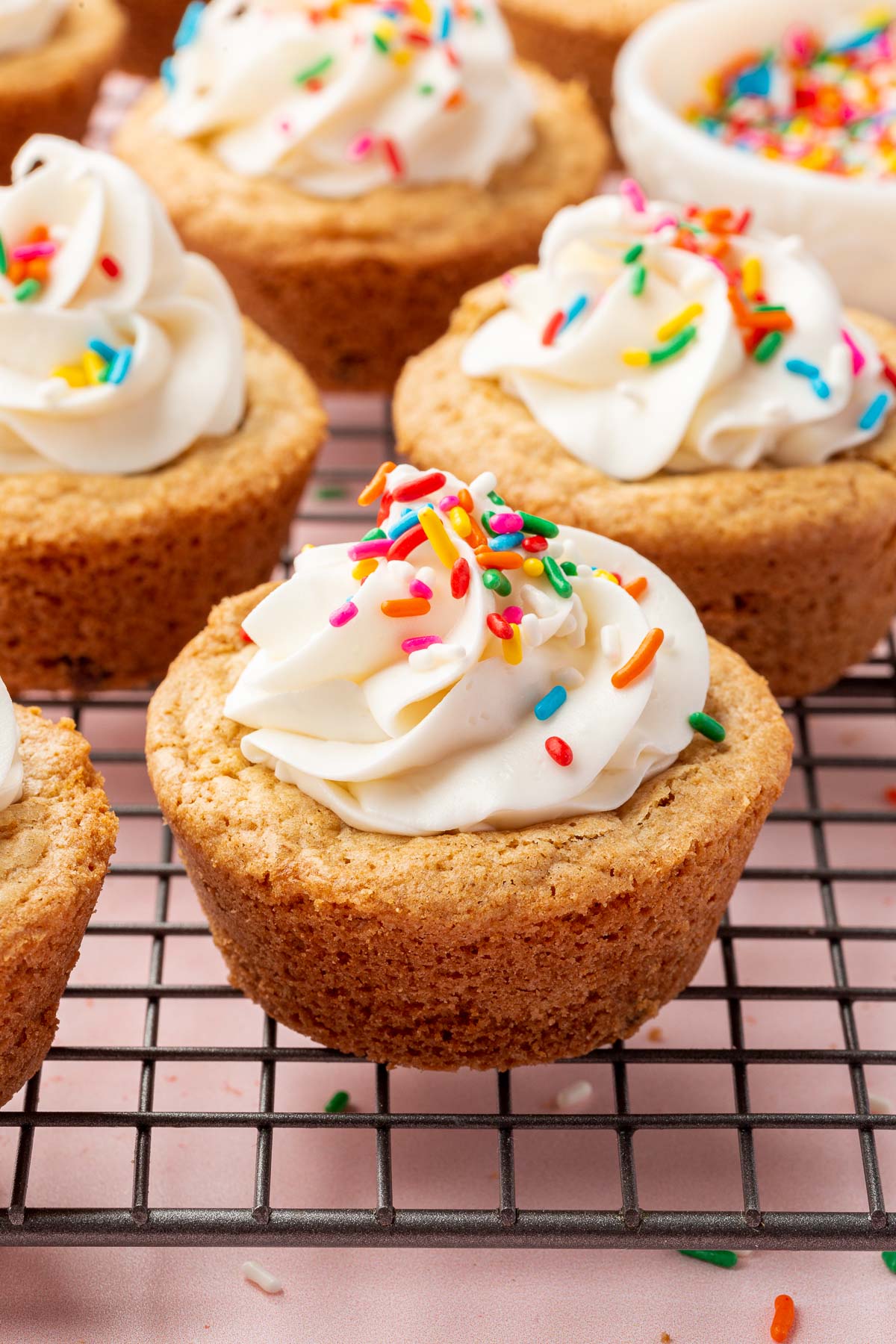 Gluten-FreeRecipeGluten-Free Cookie CupsGluten-free cookie cups baked in a muffin tin with chewy chocolate chip edges and a golden crust. Fill them w…
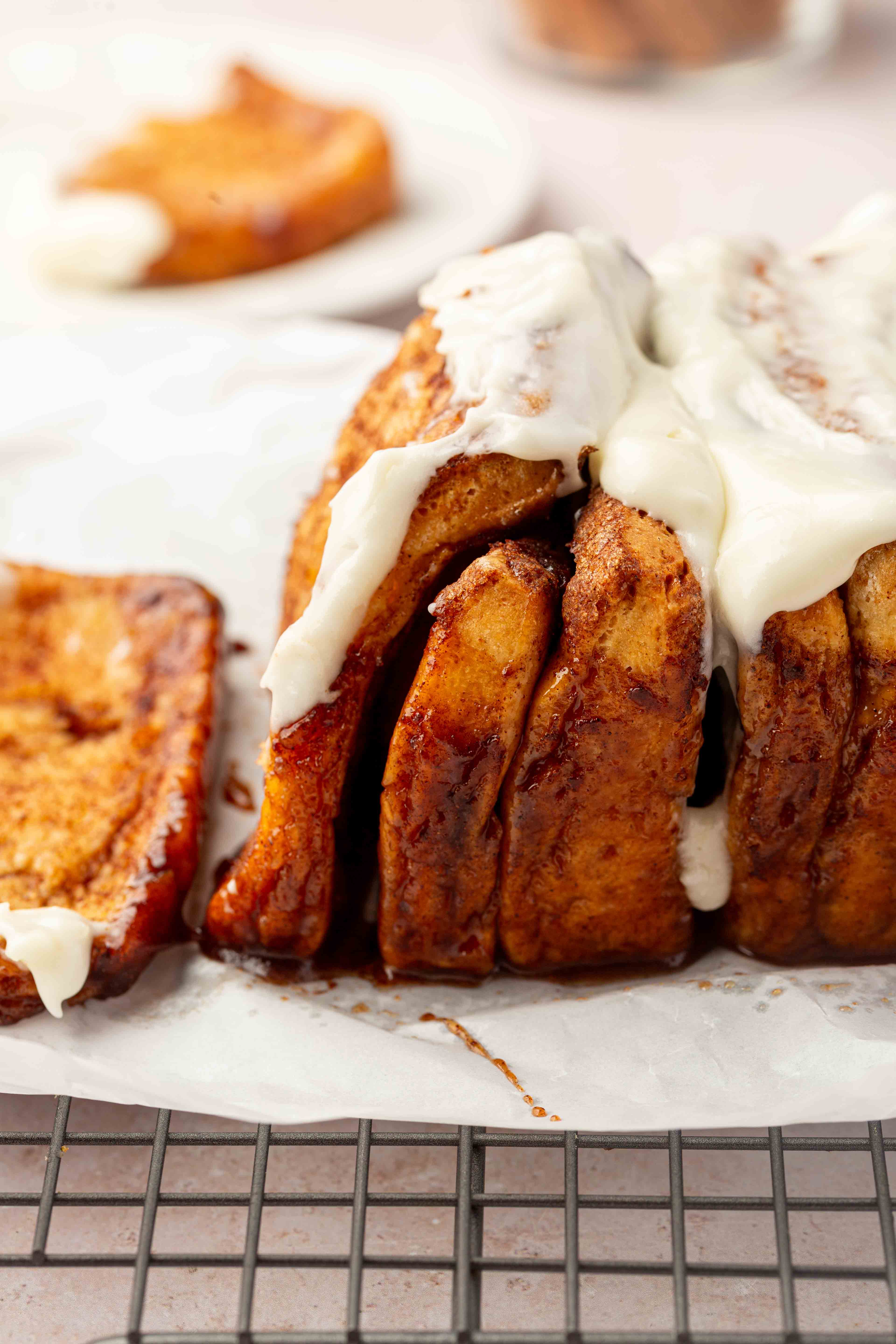 Gluten-FreeRecipeGluten-Free Cinnamon Pull Apart BreadThis gluten-free cinnamon pull-apart bread is easier than cinnamon rolls, with all the same flavor. My homema…