
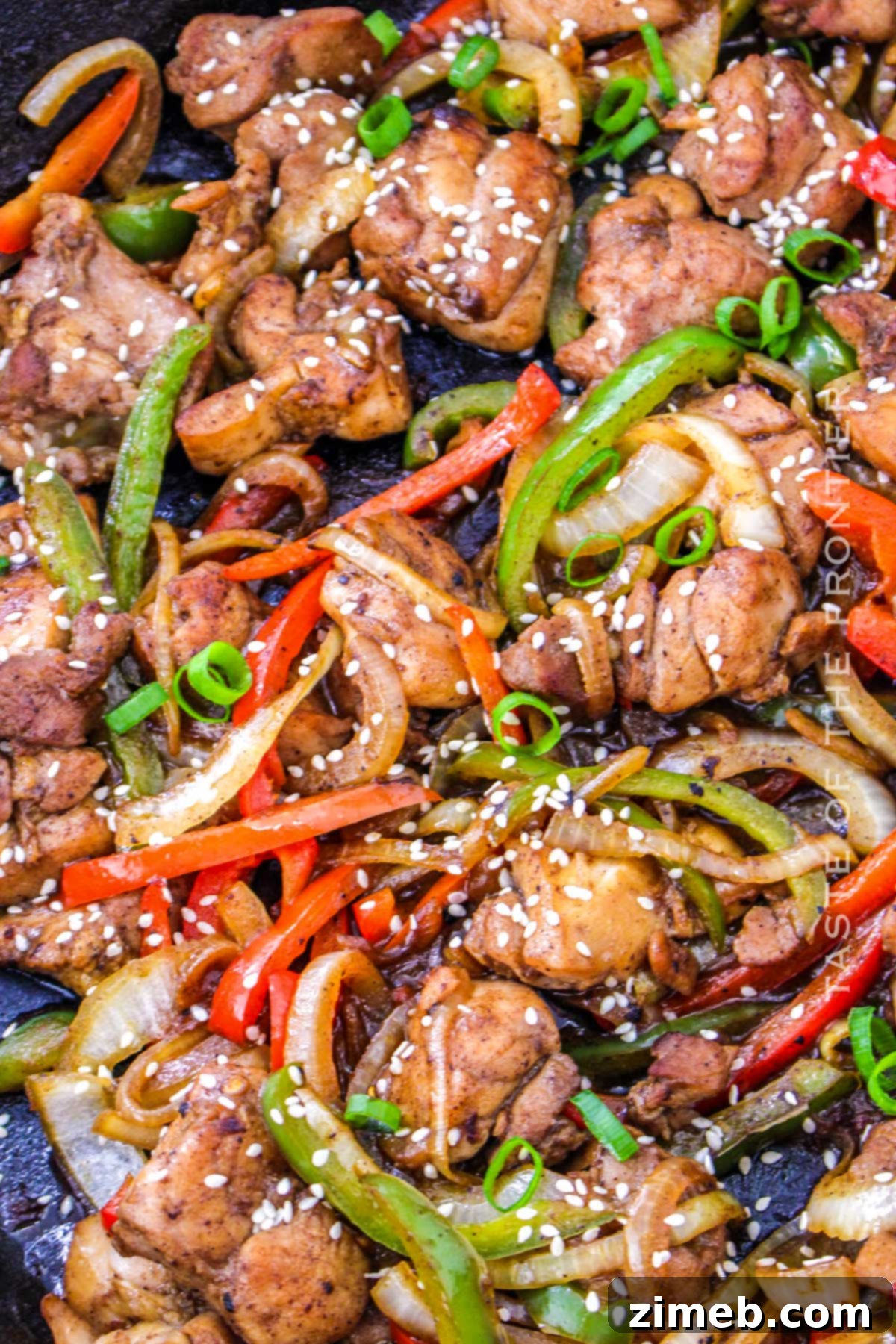
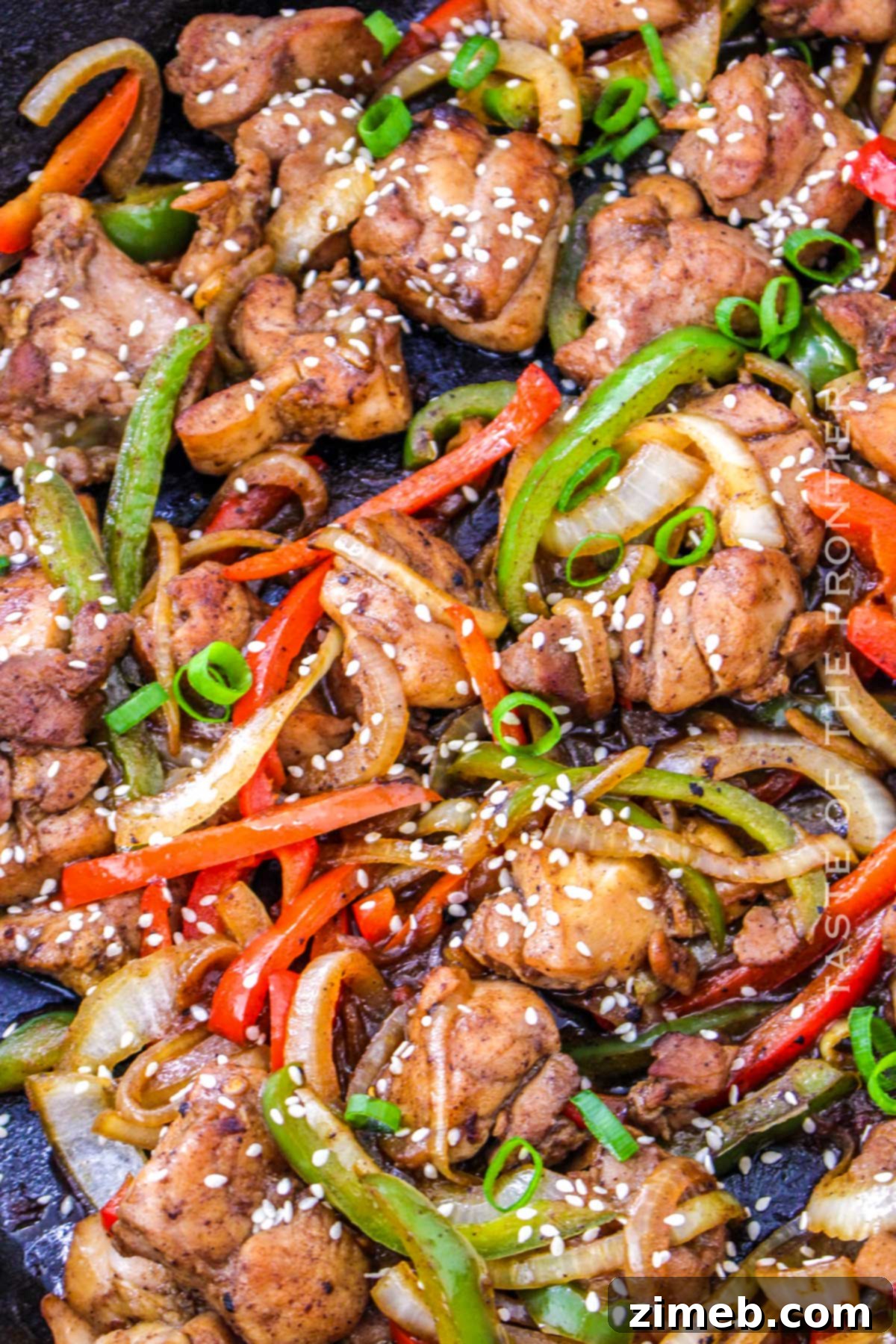
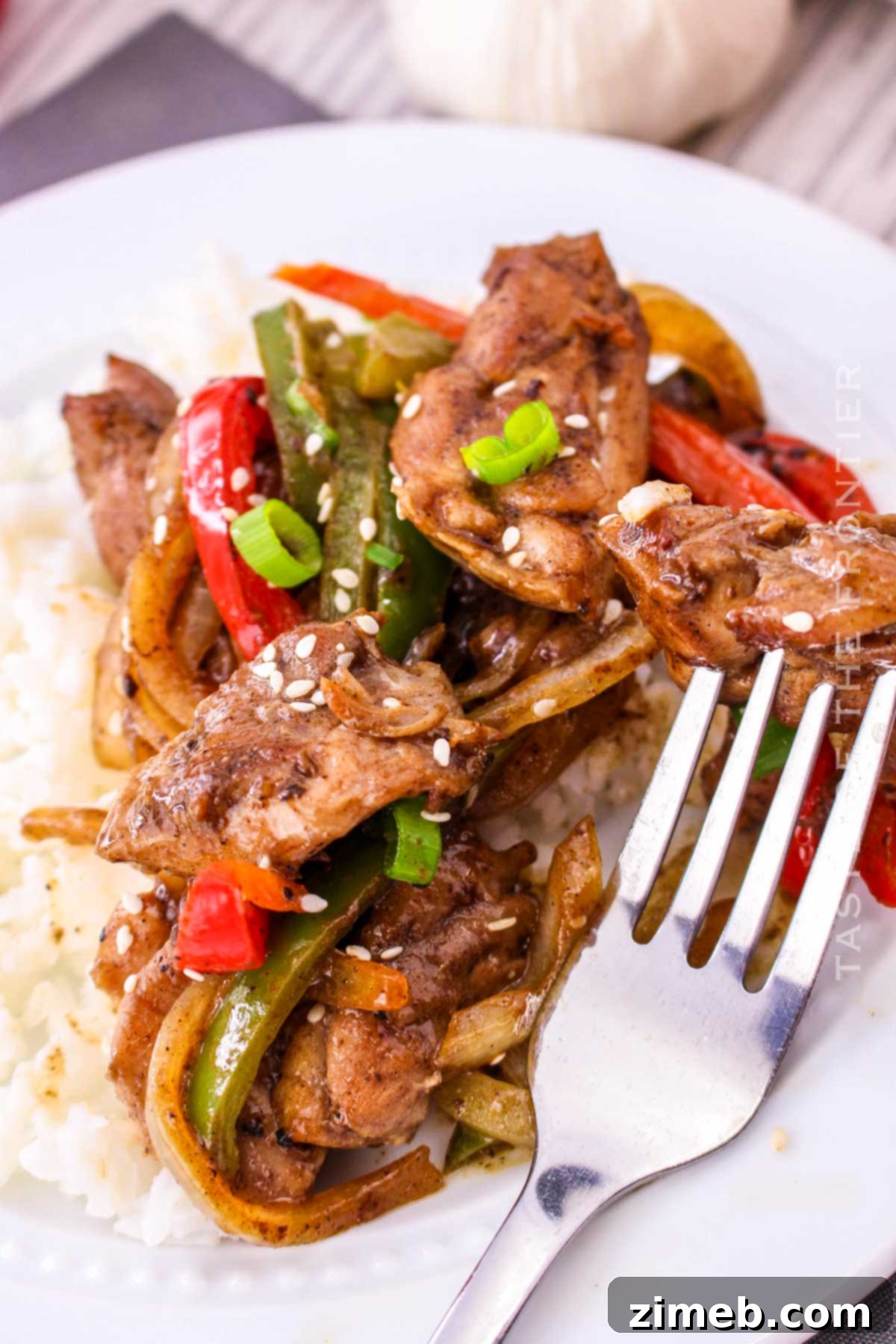
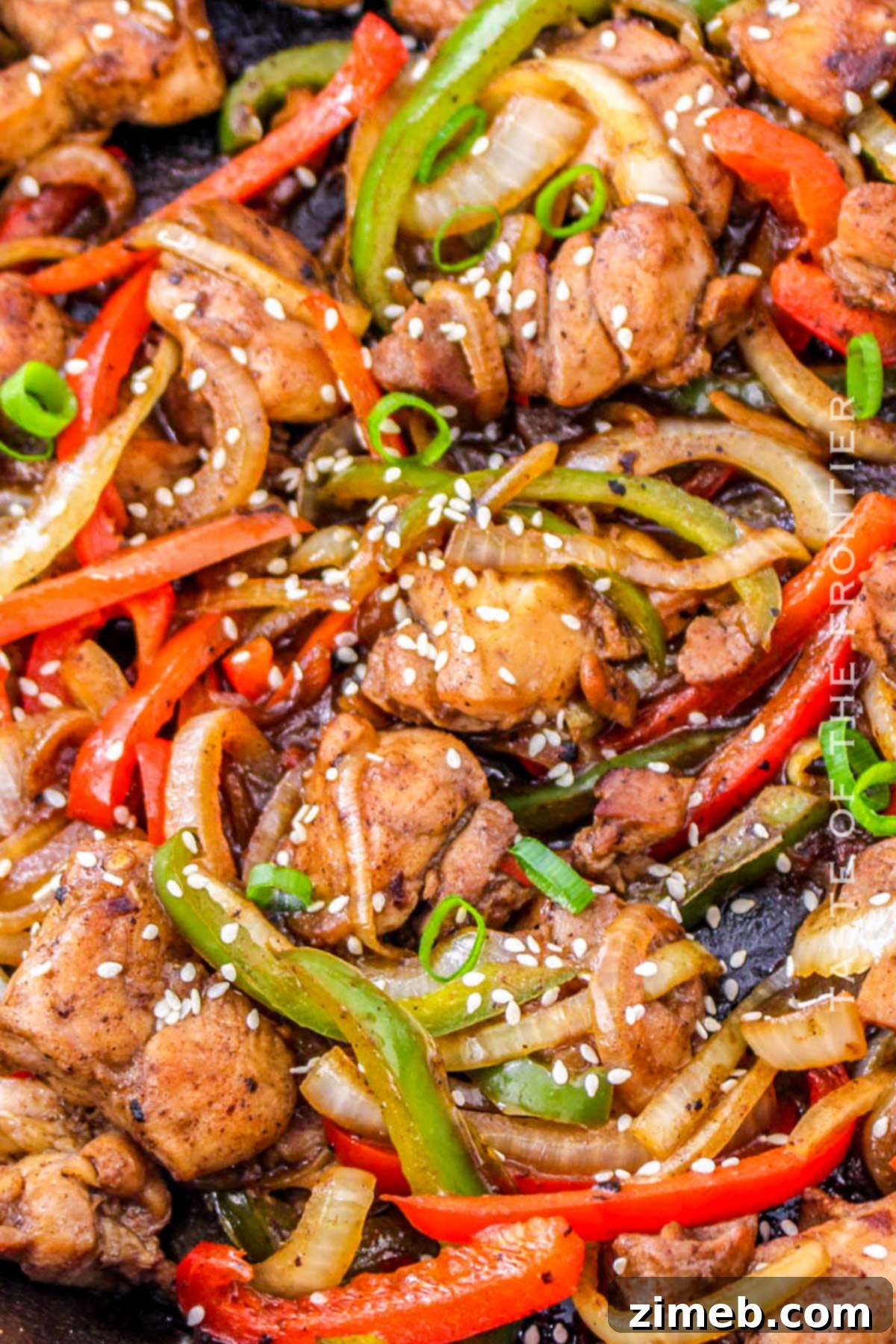
Embark on a culinary adventure with our exquisite Dry Chicken Chili recipe, a vibrant and tantalizing dish that masterfully blends tender marinated chicken with crisp bell peppers, sweet onions, and an aromatic symphony of spices. This Indo-Chinese classic is designed to captivate your taste buds, offering a harmonious balance of savory, sweet, and fiery flavors that make it an irresistible choice for both seasoned spice enthusiasts and casual food lovers alike. Perfect as a standalone finger food snack, especially alongside a refreshing beverage, or transformed into a complete, satisfying meal when paired with fluffy buttery rice or traditional Hakka noodles, this restaurant-style Dry Chicken Chili brings the vibrant essence of Asian cuisine right to your home kitchen.
Dry Chilli Chicken stands as a testament to the popular Indo-Chinese culinary fusion, particularly celebrated across India and Pakistan. This beloved dish is characterized by its perfectly crisp fried chicken pieces, an invigorating spicy kick from chilies, and the rich, complex flavors derived from an aromatic sauce infused with staple Asian ingredients like fresh ginger, pungent garlic, and savory soy sauce, often beautifully garnished with thinly sliced green onions. While a dry version, rich in texture and concentrated flavor, is incredibly popular, a saucier gravy variant also exists. In this comprehensive guide, we will explore both preparations, ensuring you can tailor this delectable dish to your preference. Furthermore, we’ll delve into how to adapt this recipe to be more kid-friendly, transforming it into a delightful and less spicy alternative to classic chicken nuggets – a truly delicious take on crispy chicken bites that the whole family will adore.
Chilli or Chili? The Great Spelling Debate
Before diving into the recipe, a common question often arises: is it “Chilli” or “Chili”? The good news is, both spellings are considered correct and widely accepted. “Chili” with a single ‘L’ is predominantly the American English spelling, derived from the Spanish word “chile” for the pepper itself. Conversely, “Chilli” with two ‘L’s is the preferred spelling in British English and many other English-speaking regions. Regardless of your preferred orthography, the deliciousness of this chicken dish remains universally undeniable.
Essential Ingredients for Perfect Dry Chicken Chili
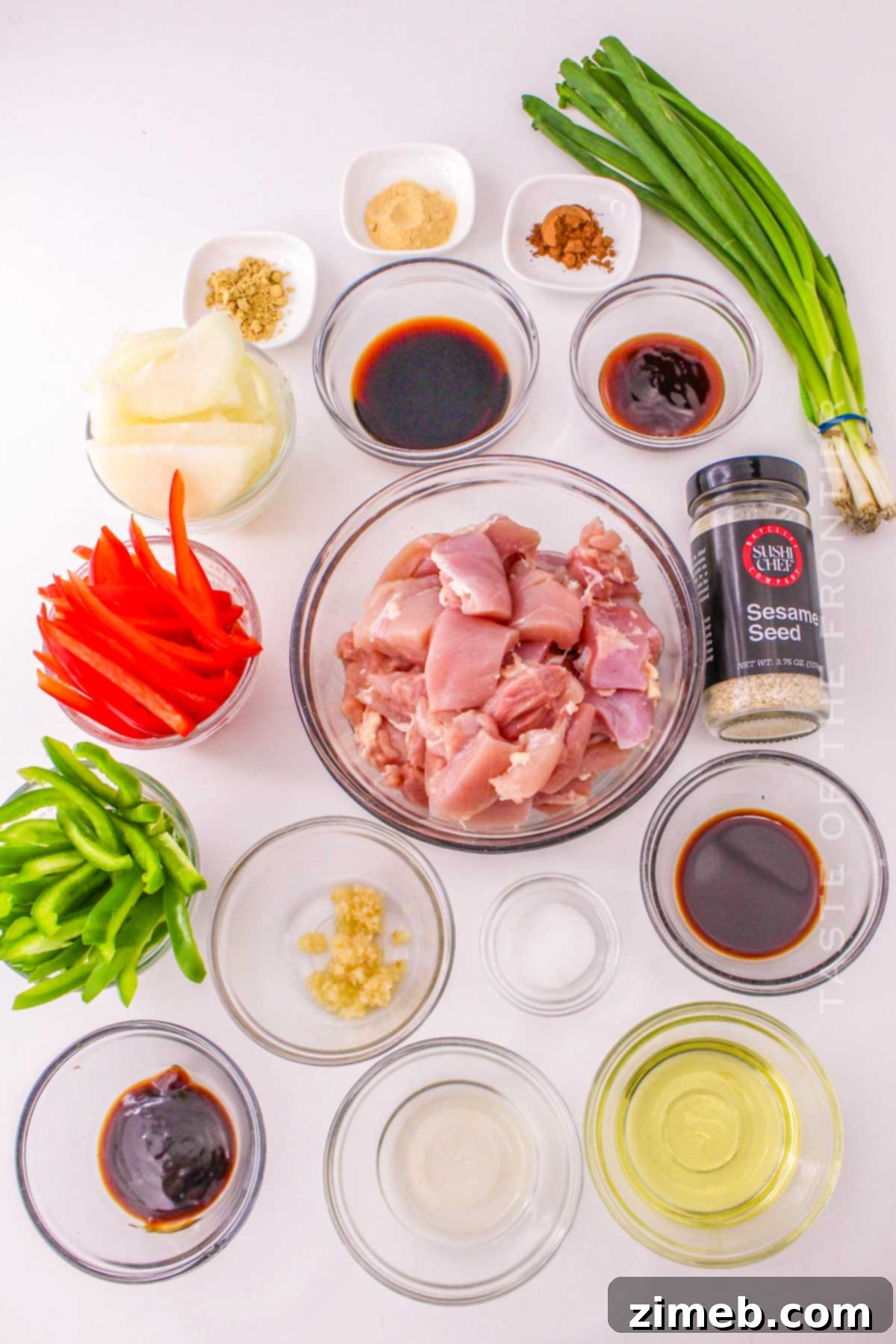
Crafting an authentic Dry Chicken Chili begins with a selection of fresh, high-quality ingredients, many of which can be found in the Asian section of your local supermarket. While some may seem specialized, these foundational sauces and spices are versatile staples that you’ll find yourself reaching for repeatedly in marinades and stir-fries, making them a worthwhile addition to your pantry.
The Flavorful Chicken Marinade
The secret to incredibly tender and flavorful chicken lies in a well-balanced marinade. Here’s what you’ll need to achieve that perfect base:
- Chicken: Opt for boneless, skinless chicken thighs, cut into cubes or julienned strips. Chicken thighs are renowned for their succulence and moisture, making them ideal for this dish. If you prefer boneless chicken breasts, cube them and consider pounding them lightly before marinating to ensure they remain tender.
- Soy Sauce: Dark soy sauce is highly recommended for its ability to impart a beautiful, rich brown color to the cooked chicken, along with a deep, umami flavor. Be mindful that dark soy sauce typically has a higher sodium content. For those managing salt intake, a lite soy sauce or a blend of both can be used. Marinating chicken in soy sauce alone, even for a short period, yields fantastic flavor without needing extra salt, making it a versatile technique beyond this recipe.
- Oyster Sauce (Optional but Recommended): This ingredient adds a unique sweet and salty depth, derived from oyster juices. Its distinct umami profile makes it an excellent addition to marinades and sauces, elevating the overall complexity of the dish.
- Seasoning: A blend of Chinese five-spice powder, garlic powder, ginger powder, salt, and black pepper creates a robust flavor base. For a more intense garlic or ginger kick, feel free to use fresh minced garlic or garlic paste, or thinly sliced fresh ginger. Exercise caution with added salt, as many Asian sauces are already quite salty. As an alternative to regular black pepper, Kali mirch powder (black pepper powder) can be used for a slightly different pungency.
Building the Dry Chicken Chili: Sauce and Vegetables
Once your chicken is marinated, the next step involves creating the vibrant stir-fry base and the signature dry chili sauce:
- Vegetable Oil: A mild, flavorless oil like canola oil or other vegetable oil is perfect for frying both the marinated chicken pieces and stir-frying the vegetables with the sauce. Its neutral taste ensures the authentic flavors of the dish shine through.
- Minced Garlic or Garlic Paste: A foundational ingredient in Asian cuisine, garlic adds an indispensable aromatic depth. Using fresh minced garlic will always provide the strongest, most authentic flavor profile.
- Bell Peppers: Thinly sliced red bell pepper and green bell pepper contribute vibrant color, a hint of sweetness, and a crisp-tender texture that perfectly complements the rich sauce. For a milder dish, using regular bell peppers provides ample flavor without excessive heat.
- Onion: Thinly sliced white or red onion, or even shallots, are integral for adding a layer of savory flavor. Shallots, with their delicate oniony-garlic notes, are particularly common in many Asian culinary traditions.
- Soy Sauce: A key component of the sauce, providing essential umami and saltiness. Tamari can be used as a gluten-free alternative if needed.
- Hoisin Sauce: This rich, savory, and slightly sweet sauce is a fantastic addition. It often contains garlic, five-spice powder, and sometimes vinegar, contributing to a wonderfully fragrant and flavorful sauce mixture. While optional, it’s highly recommended for its depth.
- Rice Vinegar: Rice vinegar is crucial for tenderizing the chicken and introducing a distinctive tangy bright note that cuts through the richness of the other ingredients, balancing the overall flavor profile. It can also be incorporated into the marinade.
- Sugar (Optional but Recommended): A small amount of sugar works wonders to balance all the savory and spicy elements, bringing a subtle sweetness that rounds out the flavors beautifully. Don’t skip it; it makes a significant difference.
- Crushed Red Pepper Flakes: These provide the customizable spicy kick. Adjust the amount to suit your preferred level of heat, from a gentle warmth to a fiery intensity.
- Cornstarch Slurry: A simple mixture of 1 teaspoon of cornstarch with 2 tablespoons of water is used as a thickening agent, giving the sauce its characteristic glossy texture and helping it cling to the chicken and vegetables.
- Garnishes: Freshly chopped green onions (spring onions) and a sprinkle of sesame seeds add visual appeal, a fresh oniony bite, and a nutty finish to the dish.
Essential Kitchen Equipment
To prepare this Dry Chicken Chili, you’ll need a few basic kitchen tools:
- Wok or Large Frying Pan/Skillet: A wok is traditionally the ideal vessel for stir-frying and deep-frying, designed for even heat distribution and quick cooking. However, a large, heavy-bottomed frying pan or skillet with high sides will work perfectly well to achieve similar results.
- Mixing Bowls: For marinating the chicken and preparing the sauce.
- Slotted Spoon or Tongs: For safely removing fried chicken from hot oil.
- Cutting Board and Knife: For preparing chicken and vegetables.
Mastering the Dry Chicken Chili: Step-by-Step Guide
Follow these straightforward steps to create a sensational Dry Chicken Chili that rivals your favorite takeout:
1: Marinate the Chicken for Maximum Flavor
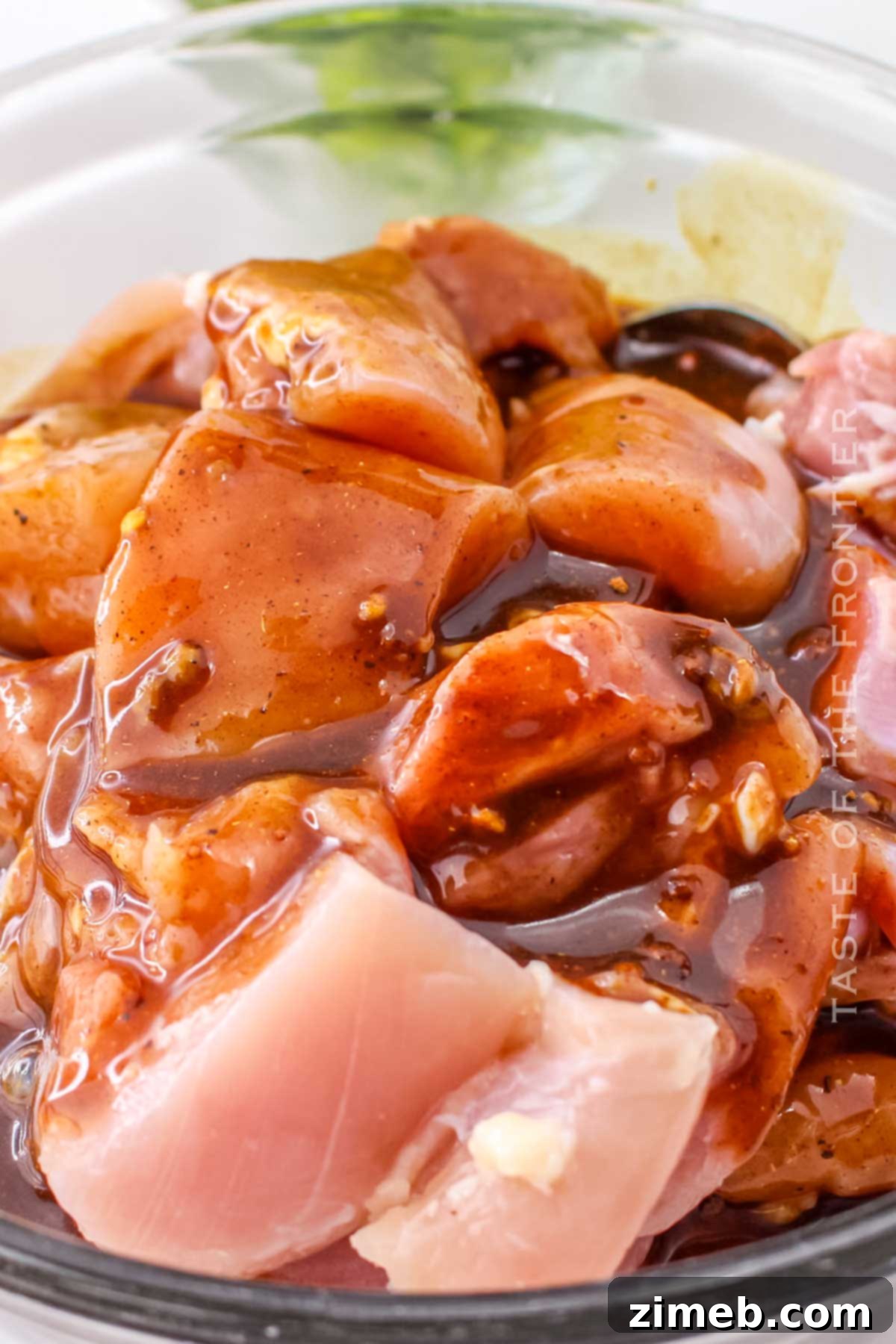
- In a large mixing bowl, combine the cubed chicken with soy sauce, oyster sauce (if using), Chinese five-spice powder, garlic powder, ginger powder, a pinch of salt, and black pepper. Stir thoroughly, ensuring each piece of chicken is evenly coated with the marinade.
- Cover the bowl and refrigerate for at least 15-20 minutes. While a minimum of 15 minutes will infuse good flavor, marinating for 30 minutes to an hour will yield even more tender and deeply seasoned chicken.
2: Perfectly Fry the Chicken
- Heat approximately 1 tablespoon of vegetable oil in your wok or large skillet over medium-high heat. To test if the oil is hot enough, insert the handle of a wooden spoon; if small bubbles form around it, the oil is ready. If using a wok, ensure the oil covers the bottom by about 1 cm (roughly 1/2 inch).
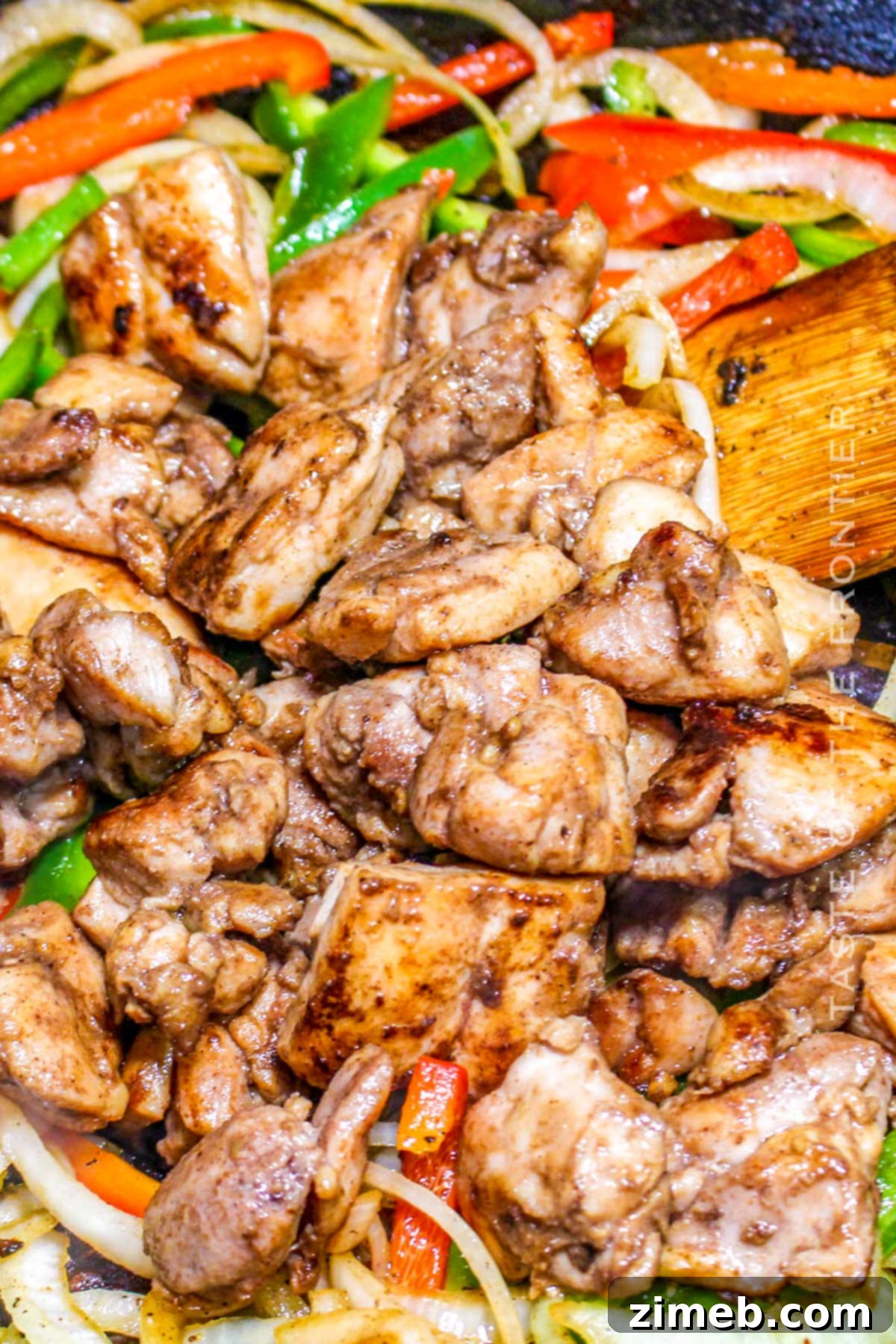
- Carefully add the marinated chicken pieces to the hot oil in a single layer, avoiding overcrowding the pan. Cook in batches if necessary. Stir-fry until the chicken turns golden brown and is thoroughly cooked through, about 5-7 minutes per batch.
- Using a slotted spoon, remove the fried chicken from the pan and transfer it to a plate lined with paper towels to drain any excess oil. Set aside.
3: Craft the Aromatic Dry Chili Sauce
- In the same pan, add another tablespoon of vegetable oil (or less if enough oil remains from frying).
- Add the minced garlic and crushed red pepper flakes. Stir-fry for about one minute until the garlic becomes fragrant and the pepper flakes release their aroma, being careful not to burn them.
- Add the thinly sliced red bell pepper, green bell pepper, and onion to the pan. Cook, stirring constantly, for 3-5 minutes, until the vegetables are tender yet still retain a pleasant crispness. You want them cooked but not soft.
4: Assemble and Finish Your Chilli Chicken
- Return the fried chicken pieces to the pan with the vegetables.
- Pour in the soy sauce, hoisin sauce, rice vinegar, and sugar (if using). Stir well to ensure all the chicken and vegetables are thoroughly coated in the sauce, allowing the flavors to meld together.
- Give the cornstarch-water mixture a quick stir to recombine, then add it to the pan. Stir quickly and continuously as the sauce thickens, usually within an additional minute. This will create a glossy coating that clings beautifully to the chicken and vegetables.
- Taste the dish and adjust seasoning as needed. If you desire a spicier kick, now is the time to add a bit more crushed red pepper flakes.
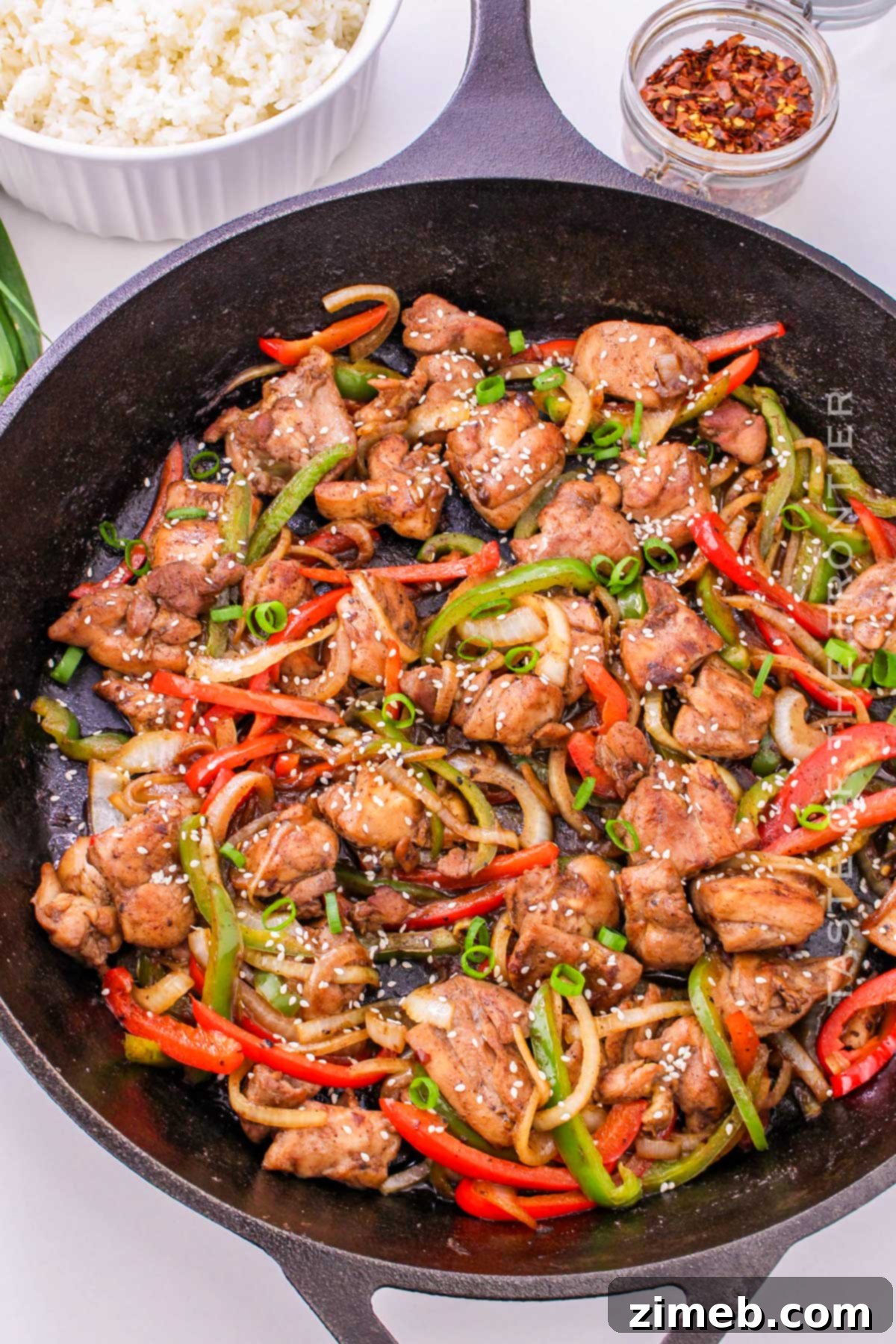
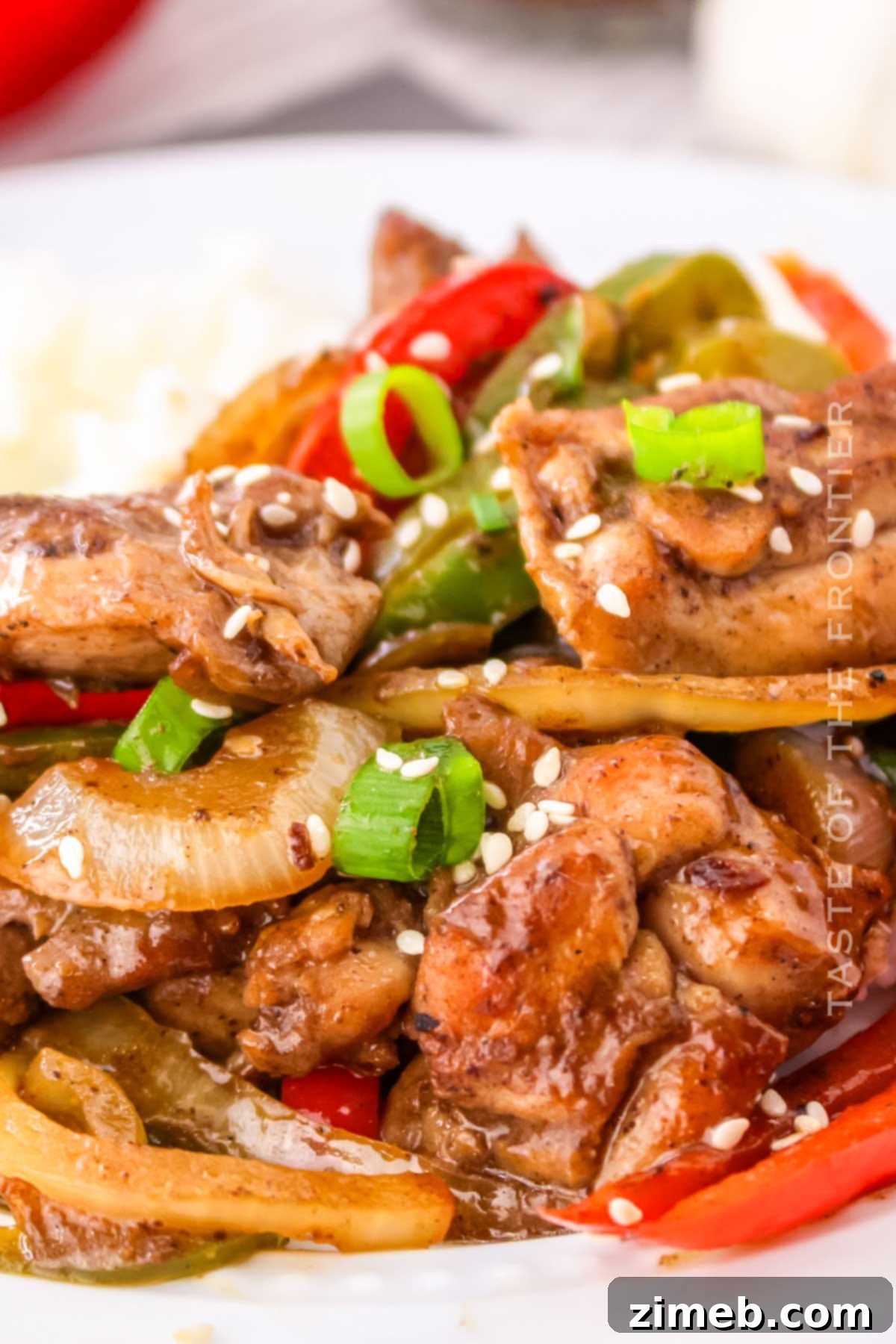
- Transfer the Chinese Dry Chicken Chili to a serving dish. Garnish generously with freshly chopped green onions and a sprinkle of sesame seeds. Serve immediately while hot.
Perfect Pairings: What to Serve with Dry Chili Chicken
Dry Chicken Chili is incredibly versatile and pairs wonderfully with a variety of side dishes that complement its bold flavors. Serve it hot for the best experience:
- Steamed Rice: A classic pairing, the plainness of steamed white or brown rice perfectly absorbs the rich sauce and balances the spice.
- Fried Rice: Elevate your meal with a flavorful fried rice, such as egg fried rice or vegetable fried rice, for a more substantial and satisfying combination.
- Noodles: Hakka noodles or Chow Mein noodles offer a textural contrast and a delicious alternative to rice.
- Instant Pot Cilantro Lime Rice: A zesty and aromatic choice that adds a fresh, bright note to the meal.
- Stir-fry Vegetarian Noodles: For a meal packed with even more vegetables and different textures.
- Corn Soup: A light, comforting soup can be a lovely starter or side dish, offering a creamy counterpoint to the spicy chicken.
Storage and Reheating Tips
This dry chili chicken is undoubtedly best enjoyed fresh, hot from the pan. However, leftovers can be stored and reheated:
- Refrigeration: Store any leftover dry chili chicken in an airtight container in the refrigerator for 2-3 days.
- Reheating: To reheat, gently warm the chicken in a skillet over medium heat, stirring occasionally, until heated through. You can also microwave it, though the chicken may lose some of its crispiness.
- Freezing: Unfortunately, dry chicken chili is not recommended for freezing. The texture of the chicken and vegetables tends to degrade upon thawing, becoming soggy and losing its desirable crispness.
Creative Recipe Substitutions
This recipe is quite adaptable, allowing for several substitutions to suit dietary preferences or ingredient availability:
- Protein Swap: While chicken is traditional, you can easily swap chicken with beef strips for a equally phenomenal dish. Tofu or paneer can also be used for a vegetarian option.
- Sesame Oil: For an extra layer of nutty, earthy flavor, drizzle a teaspoon of sesame oil into the sauce mixture. It’s a common and highly valued ingredient in Chinese sauces.
- Heat and Flavor Adjustments: Experiment with different chili varieties and spice blends. Consider adding red chili powder, a dab of ginger garlic paste for concentrated aromatics, Kashmiri chili powder for color with mild heat, or Sichuan peppercorns for a unique numbing spice (ma la). A touch of tomato sauce can also be mixed in for a hint of sweetness and tang, or to slightly mellow the heat.
Exciting Dry Chicken Chili Recipe Variations
The beauty of this recipe lies in its versatility. While the base recipe provides a delicious foundation, it’s easy to customize and adjust the level of heat and texture. The “Chinese style” often refers to the dry chili chicken we’ve detailed, characterized by its crisp texture and robust flavor. Indian versions might incorporate bone-in chicken pieces and a different spice blend, while Thai interpretations typically lean towards distinct aromatic herbs and a balance of sweet, sour, and spicy notes.
Healthier Chilli Chicken Without Frying
For a lighter version with less oil, you can prepare the chicken without traditional deep-frying. Both an air fryer and an oven yield excellent crispy results:
- Air Fryer Method: Cook the marinated chicken in batches in an air fryer at 375°F (190°C) for about 8-10 minutes, shaking the basket regularly to ensure even crisping and browning.
- Oven Method: Spread the marinated chicken in a single layer on a baking sheet and bake in the oven at 400°F (200°C) for 25-30 minutes, flipping halfway through, until the chicken is golden and crispy on all sides.
Once the chicken is cooked using either of these methods, proceed with the sauce preparation as outlined in the main recipe.
Achieving Extra Crispy Chicken Pieces
If you crave an intensely crispy exterior on your chicken, there are two primary methods to achieve this:
- Basic Batter: Create a simple batter by adding cornstarch, a small amount of all-purpose flour, and a pinch of baking powder to your chicken marinade mixture. This coating will crisp up beautifully when fried. Alternatively, after marinating, dredge the cubed chicken in a mixture of cornstarch, flour, and a beaten egg before frying.
- Double Frying: This technique involves frying the chicken once until it’s cooked through and lightly golden, then removing it from the oil. Increase the oil temperature slightly, and then fry the chicken a second time for a shorter duration (1-2 minutes) until it reaches an exceptionally crispy, golden-brown finish.
Igniting the Heat: Spicy Dry Chilli Chicken
The base recipe provides a moderate level of spice, but for those who love a serious kick, it’s easy to intensify the heat. The core recipe remains the same, but with the introduction of more potent chili elements:
- Green Chilies: Instead of, or in addition to, green bell peppers, incorporate slit green chilies. Varieties like Poblanos offer mild heat, jalapenos provide a moderate spice, while serrano peppers deliver a more fiery experience. For maximum heat, leave the seeds intact.
- Red Chili Sauce: A tablespoon or two of a good quality red chili sauce can be mixed into the stir-fry sauce for an immediate boost of heat and flavor.
- Dry Chili Powder: A dash of Indian-style dry chili powder can be added during the vegetable stir-fry stage or with the sauce for an extra layer of concentrated spice.
- Chili Oil: Finish the dish with a drizzle of homemade or store-bought chili oil for a fragrant and spicy aroma.
The Saucy Sensation: Gravy Chilli Chicken Version
If you prefer a saucier dish, the gravy version of chili chicken is equally delicious and comforting. The initial steps for marinating and frying the chicken remain identical. The key difference lies in the sauce preparation:
- Instead of just coating the chicken in a thick sauce, you’ll create a generous gravy. After stir-frying the vegetables and adding the sauces (soy, hoisin, rice vinegar, sugar), incorporate approximately 1 full cup of water or chicken stock into the pan.
- Bring the mixture to a simmer, then add a larger cornstarch slurry (e.g., 2 tablespoons cornstarch mixed with 1/4 cup water) to thicken it until it achieves a rich, velvety gravy consistency.
- Once the gravy is thickened to your liking, add the fried chicken pieces back into the pan and cook for a few more minutes, ensuring they are thoroughly coated and warmed through. Serve hot, typically over rice, allowing the luscious gravy to soak into it.
The gravy version provides a more saucy, comforting experience, perfect for soaking up with rice or noodles, making it a different, yet equally delightful, culinary journey.
Alternative Chicken Marinades for Diverse Flavors
Beyond the standard marinade, here are two alternative options to explore, each offering a distinct flavor profile and texture:
- Spicy Marinade: Combine egg white (which contributes to crispiness when deep-fried and helps seal in moisture), dark soy sauce, Chinese cooking wine or rice vinegar, fresh ginger, fresh garlic, a pinch of baking soda (for extra tenderness and crispiness), a vibrant chili sauce (green or red, depending on your heat preference; green chilies can be surprisingly spicy and often have fewer calories), and a mix of cornstarch and all-purpose flour for a light batter.
- Simple Marinade: For a more straightforward approach, whisk together a beaten egg, soy sauce, corn flour (cornstarch), salt, and black pepper to taste. This minimalist marinade still tenderizes the chicken and provides a foundational flavor.
Expert Tips for the Best Dry Chicken Chili
Achieving restaurant-quality Dry Chicken Chili at home is easier with these expert tips:
- Thinning the Sauce: If your sauce becomes too thick during cooking, you can thin it to your desired consistency with a splash of chicken stock or water.
- Velveting Technique for Tenderness: For exceptionally tender chicken, consider the “velveting” technique. Coat the chicken pieces with a small amount of baking soda (about ½ teaspoon per pound of chicken) and let it sit for 20 minutes. Rinse the chicken thoroughly under cold water, pat it dry, and then proceed with your marinade. This process helps to break down the chicken fibers, resulting in incredibly tender meat.
- Egg Whites for Batter: When creating a batter for deep-frying, incorporating egg whites helps to create a thicker, crispier coating. They also aid in keeping the chicken tender and moist on the inside.
- Natural Food Coloring: If you’re using light soy sauce but desire a darker, reddish hue in your final dish, a pinch of paprika can be mixed in as a natural food coloring without altering the flavor significantly.
- Balancing Sweetness: For a sweeter sauce that appeals to a broader palate, consider adding a tablespoon or two of regular tomato ketchup to the sauce mixture. It complements the Asian flavors surprisingly well.
- Wok Heat: When stir-frying chicken for chili, always ensure your wok or pan is thoroughly heated before adding oil, and then ensure the oil is hot before adding the chicken. This creates a “wok hei” effect, giving the food a characteristic smoky flavor and preventing sticking.
- Authentic Street Food Flavor: For a truly authentic Asian street food taste, a tiny pinch of MSG (monosodium glutamate) can be added to the sauce. It enhances the savory umami notes of the dish.
Frequently Asked Questions About Dry Chicken Chili
Understanding Asian Sauces: Soy Sauce vs. Hoisin Sauce vs. Oyster Sauce
These three sauces are cornerstones of Chinese and broader Asian cuisine, each offering a distinct flavor profile:
- Soy Sauce: Made from fermented soybeans and salt, its primary flavor is intensely savory and salty, often with deep umami notes. It’s a fundamental seasoning.
- Oyster Sauce: This rich, viscous sauce is made from oyster extracts (or essences), sugar, and salt. It is distinctly sweeter and has a more complex, almost caramelized umami flavor than soy sauce.
- Hoisin Sauce: A thick, fragrant sauce with a flavor profile that is both savory and sweet, often described as barbecue-like. It’s made from soybeans, garlic, vinegar, chili, and various spices, giving it a more layered and aromatic taste compared to the straightforward saltiness of soy sauce.
What Is The Chinese Name For Dry Chili Chicken?
In Chinese cuisine, dry chili chicken is famously known as Laziji (辣子鸡). It is also sometimes referred to as “firecracker chicken” or “Chongqing chicken,” after the region where it is believed to have originated.
What Is The Difference Between Chicken Chilli And Chicken 65?
Both Chicken Chili and Chicken 65 are popular Indian-Chinese dishes featuring deep-fried chicken cubes, but they have distinct differences:
- Chicken Chili: Typically features a soy-based sauce and incorporates bell peppers and onions. Its flavor profile leans more towards classic Chinese stir-fry with Indian spice influences.
- Chicken 65: Is characterized by a vibrant red color (often from food coloring or Kashmiri chili powder), a strong curry leaf and yogurt-based marinade, and is often flavored with ginger, garlic, and green chilies. It doesn’t typically feature the prominent soy-based sauce or bell peppers of chili chicken.
What Is The History Of Chilli Chicken?
While definitive historical facts are scarce, Chili Chicken is widely recognized as a spicy Hakka-Chinese dish, born from the unique culinary fusion of Indian and Chinese cooking traditions. It is largely believed to have originated in Calcutta (now Kolkata), India, around the mid-1970s. One individual often credited with its creation is Nelson Wang, an Indian restaurateur who brilliantly conceptualized a dish that married traditional Indian spices with Chinese cooking techniques, giving birth to this iconic Indo-Chinese delicacy.
Is Chilli Chicken Healthy?
Traditional chili chicken, especially when ordered from takeout restaurants, can be high in sodium and often involves deep-frying, which contributes to a higher fat and calorie content. However, you can certainly make healthier choices when preparing it at home:
- Reduce Sodium: Opt for low-sodium soy sauce and be mindful of additional salt in your marinade and sauce.
- Cooking Method: Instead of deep-frying, use an air fryer or oven to cook the chicken, significantly reducing the amount of oil used.
- Increase Vegetables: Load up on more bell peppers and onions, or add other stir-fry friendly vegetables like broccoli, carrots, or snow peas for added nutrients and fiber.
- Portion Control: Enjoy chili chicken in moderation as part of a balanced diet.
By making these small adjustments, you can enjoy a delicious and more health-conscious version of this beloved dish.
If you savor the bold flavors of this easy dinner recipe, you’re sure to appreciate these other mouthwatering dinner favorites. Click each link below to explore the easy, printable recipes!
Chinese Pineapple Chicken
Experience Chinese Pineapple Chicken that surpasses any takeout! This recipe features perfectly crispy chicken coated in a sweet & tangy pineapple sauce that is truly phenomenal. Dig in!
Check out this recipe
Kung Pao Chicken
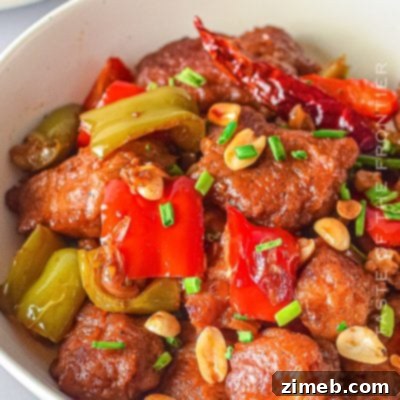
Kung Pao Chicken is a beloved Chinese dish that’s incredibly simple to recreate at home. With just a few ingredients, this delicious dinner can be ready in under 30 minutes, making it a quick family favorite.
Check out this recipe
Cashew Chicken Recipe
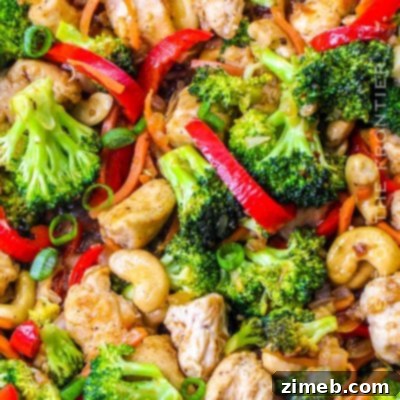
Craving Chinese food but prefer to cook at home? This Cashew Chicken Recipe is perfect for you! It’s easy to make and tastes even better than your local takeout.
Check out this recipe
Beef with Black Bean Sauce
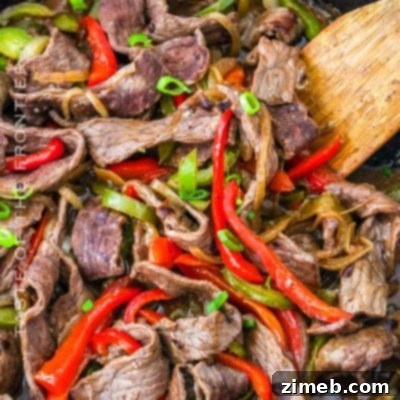
This quick and easy Beef with Black Bean Sauce features tender stir-fried beef strips bathed in a rich, flavorful black bean sauce. An excellent choice for a satisfying weeknight dinner!
Check out this recipe
Vegetarian Dumplings
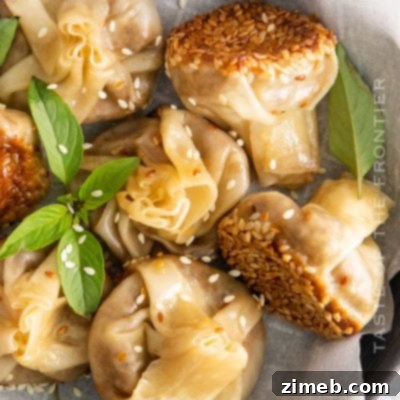
These delightful Vegetarian Dumplings are crafted with fresh mushrooms and aromatic sesame seeds. They are an exquisite appetizer or side, especially when served with a homemade garlic chili oil.
Check out this recipe
Explore More Spicy Dishes
If you appreciate a kick in your cuisine, here are more spicy recipes to ignite your palate:
- Spicy Mac and Cheese
- Nashville Hot Chicken Tenders
- Green Chili
- Hot Honey Chicken Wings
CONNECT WITH YUMMI HAUS!
Be sure to follow me on my social media, so you never miss a post!
Substack, FB, Pinterest, IG, Email Subscription
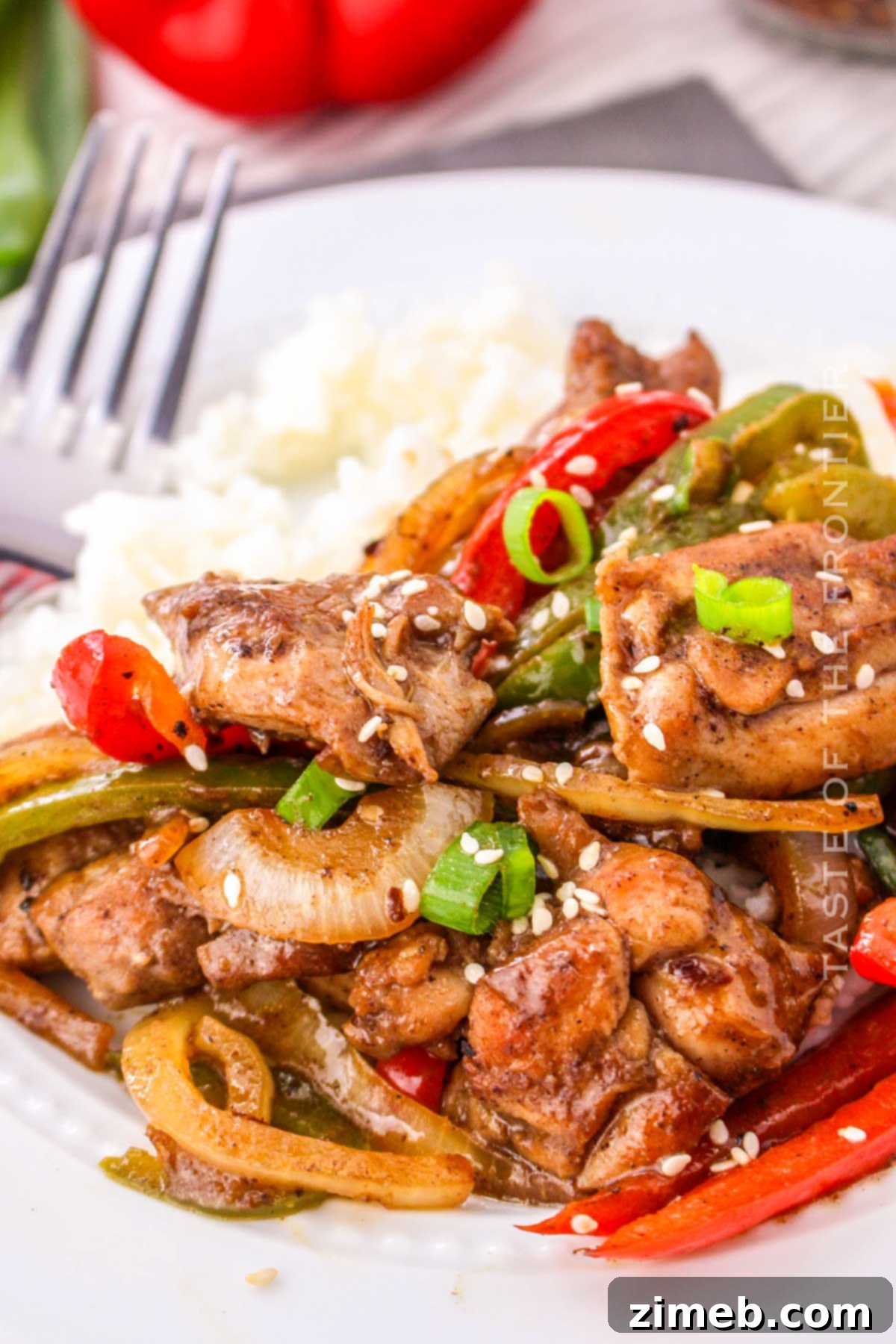
Dry Chicken Chili Recipe
Spice up dinner with this Dry Chicken Chili, featuring bold, flavorful, and tender chicken stir-fried with aromatic spices, chilies, and peppers.
Course: Dinner, Main Course
Servings: 4 servings
Prep Time: 20 mins
Cook Time: 20 mins
Marinade Time: 20 mins
Total Time: 1 hr
Ingredients
Marinate the Chicken
- 1 ½ pounds chicken thighs, boneless, skinless – cubed
- 2 tablespoons soy sauce
- 1 tablespoon oyster sauce
- 1 teaspoon Chinese five-spice powder
- 1 teaspoon garlic powder
- 1 teaspoon ginger powder
- Salt and black pepper to taste
Dry Chicken Chili
- 2 tablespoons vegetable oil
- 2 cloves garlic, minced
- 1 red bell pepper, thinly sliced
- 1 green bell pepper, thinly sliced
- 1 onion, thinly sliced
- 1 tablespoon soy sauce
- 1 tablespoon hoisin sauce
- 1 tablespoon rice vinegar
- 1 teaspoon sugar (optional)
- ½ teaspoon crushed red pepper flakes (you can use ½ to 1 tsp)
- 1 teaspoon cornstarch, mixed with 2 tablespoons water (for thickening)
Garnish
- Green onions, chopped
- Sesame seeds
Instructions
- Combine the chicken with soy sauce, oyster sauce, Chinese five-spice powder, garlic powder, ginger powder, salt, and black pepper in a large mixing bowl. Stir well to coat the chicken evenly. Cover and refrigerate to allow it to marinate for at least 15-20 minutes.
- Heat 1 tablespoon of vegetable oil in a wok or large skillet over medium-high heat.
- Add the marinated chicken and cook until browned and cooked through.
- Remove the chicken from the pan and set it aside.
- In the same pan, add another tablespoon of vegetable oil.
- Add minced garlic and red pepper flakes. Stir-fry for one minute or until fragrant.
- Add sliced red bell pepper, green bell pepper, and onion. Cook, stirring constantly, until the vegetables are tender yet crisp.
- Return the cooked chicken to the pan.
- Stir in soy sauce, hoisin sauce, rice vinegar, and sugar. Mix well to combine all the flavors.
- Add the cornstarch-water mixture to thicken the sauce, stirring quickly to coat the chicken and vegetables evenly. Cook for an additional minute until the sauce thickens.
- Taste and adjust the seasoning if necessary. If you prefer a spicier dish, you can add more red pepper flakes at this point.
- Transfer the Chinese Dry Chicken Chili to a serving dish. Garnish with chopped green onions and sesame seeds. Serve hot over steamed rice or noodles.
Nutrition
Serving: 1 serving | Calories: 493kcal | Carbohydrates: 13g | Protein: 31g | Fat: 36g | Saturated Fat: 9g | Cholesterol: 167mg | Sodium: 1077mg | Potassium: 576mg | Fiber: 2g | Sugar: 6g | Vitamin C: 65mg | Calcium: 41mg | Iron: 2mg | Net Carbohydrates: 10g
Nutritional information for the recipe is provided as a courtesy and is approximate. Please double-check with your own dietary calculator for the best accuracy. We at Yummi Haus cannot guarantee the accuracy of the nutritional information given for any recipe on this site.
Love this recipe? Follow @KleinworthCo for even more tasty recipes!