
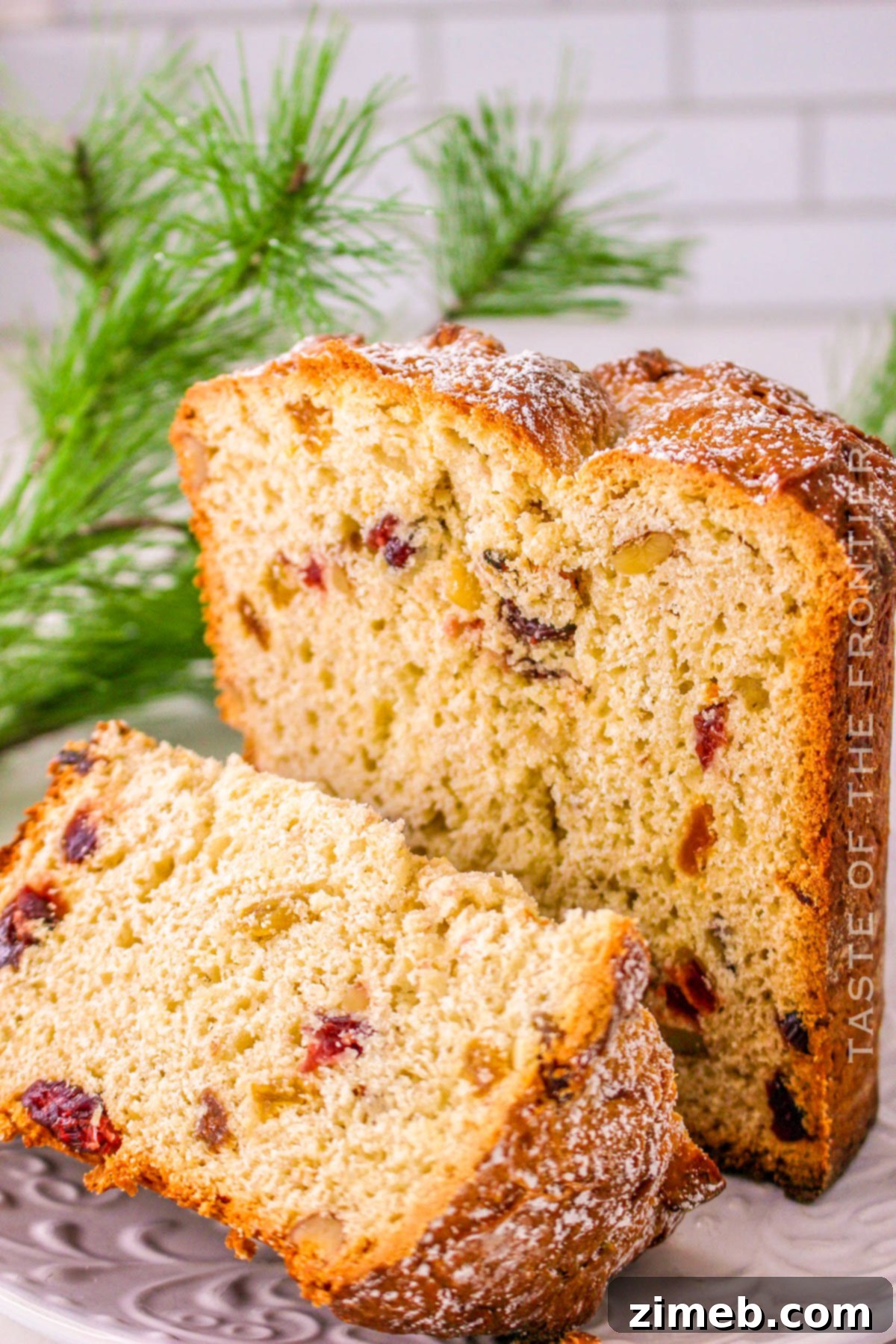
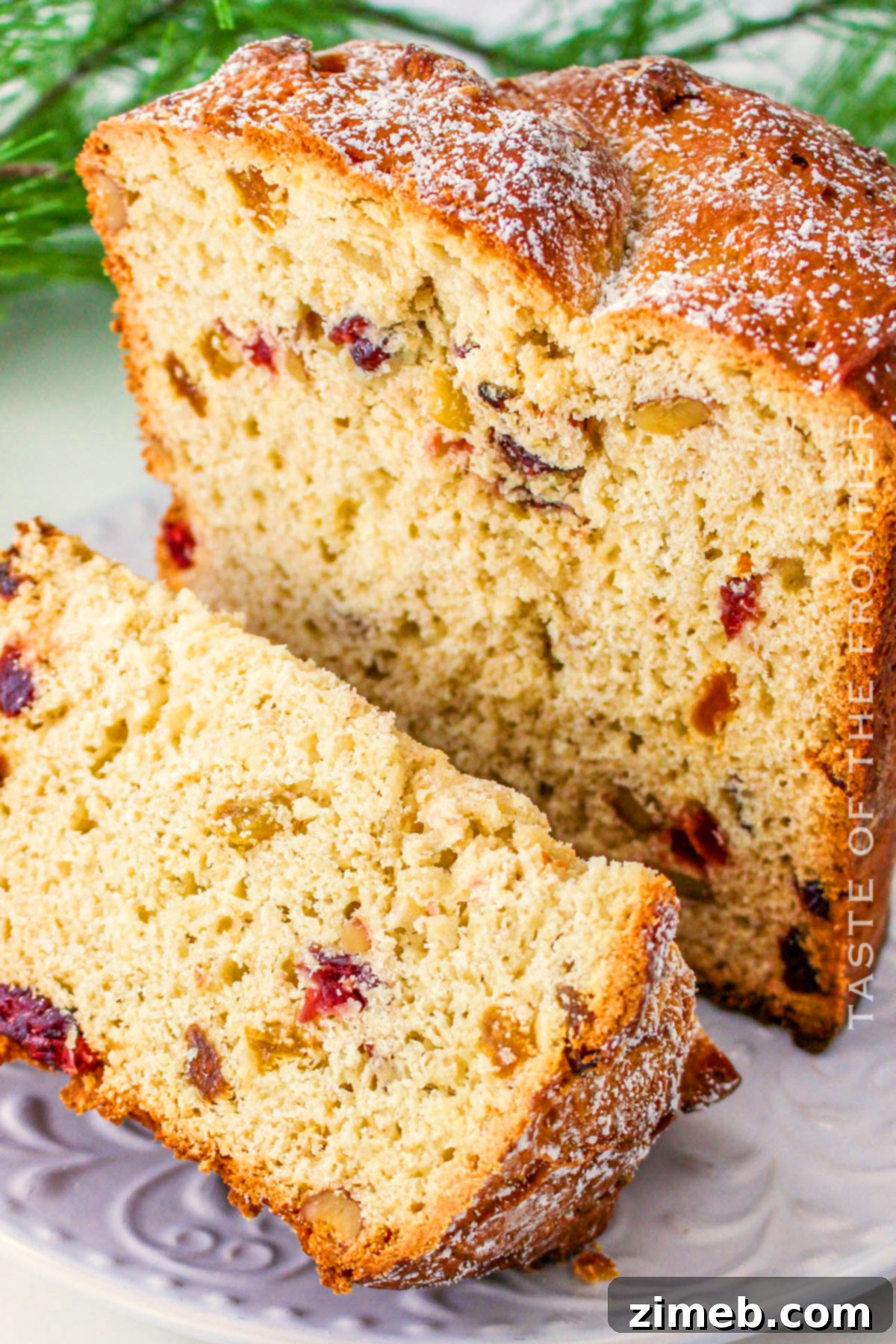
Immerse yourself in tradition and flavor with this handcrafted Italian Christmas Cake, made with nuts, candied fruits, and citrus zest.
As the festive season draws near, there’s no better way to embrace the spirit of Christmas than by baking a beloved classic: the homemade Italian Christmas Cake, widely known as Panettone. This iconic Italian sweet bread, characterized by its incredibly soft and airy texture, is a symphony of flavors. Each bite offers the delightful zest of candied orange peel and lemon, beautifully harmonized with a rich medley of dried fruits and crunchy nuts. It’s more than just a cake; it’s a taste of Italian heritage, a heartwarming reminder of holiday warmth and shared joy.
Panettone has rightfully earned its place as a favorite Christmas flavor for many, and the satisfaction of creating this masterpiece in your own kitchen is truly unparalleled. Preparing this traditional treat is a wonderful journey into the festive spirit, whether you follow a classic recipe or add your own unique twist. Its sweet, fruity essence and elegant presentation make it a centerpiece at any holiday gathering, symbolizing the abundance and happiness of Christmas.
The Rich History and Cultural Significance of Panettone
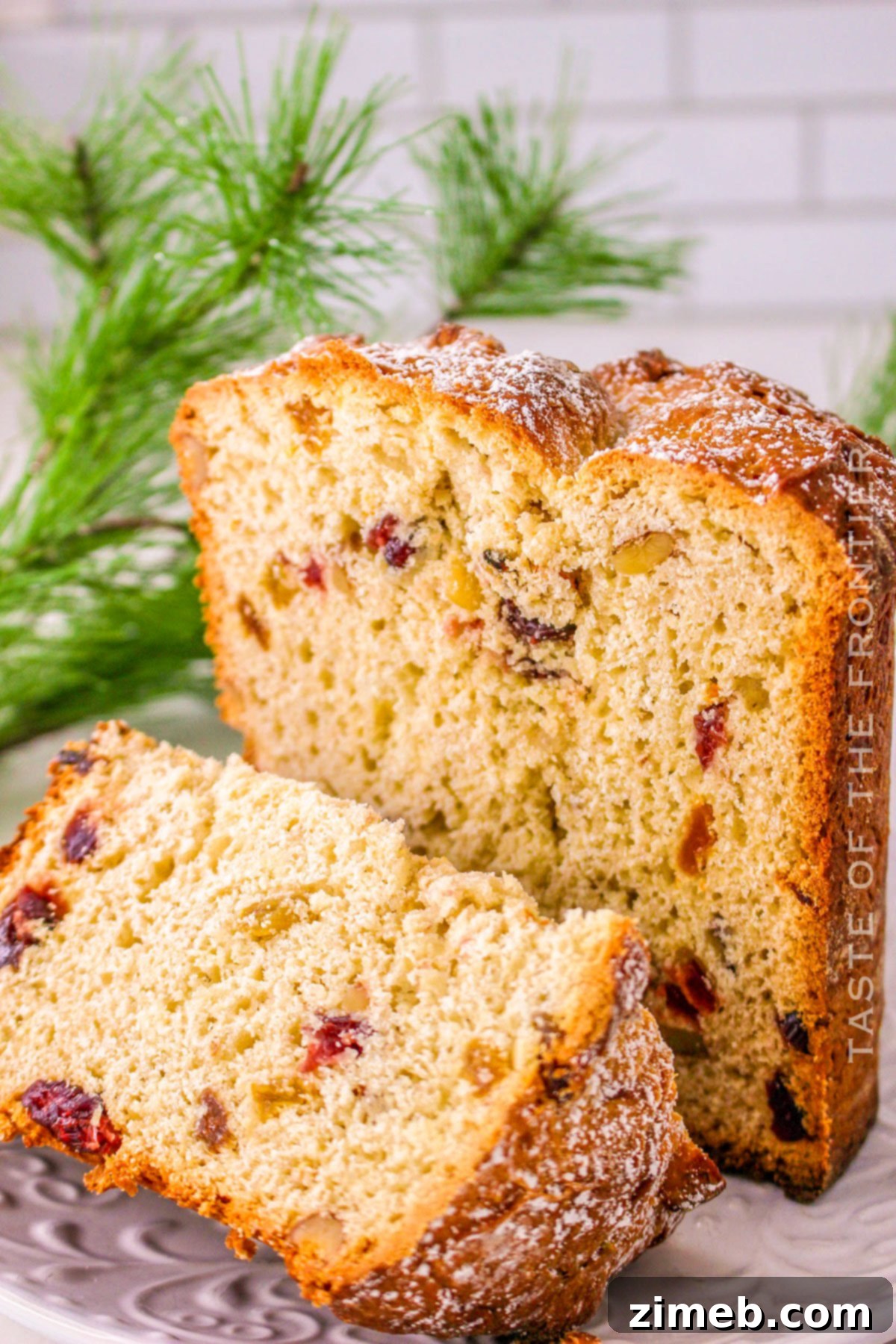
Panettone is not merely a dessert; it’s a culinary legend with roots tracing back to 15th-century Milan. Legend has it that this sweet bread was born from either a romantic tale of a baker’s apprentice creating it for his beloved or a stroke of genius by a chef whose original Christmas dessert burned, leading to the improvised creation of a fruit-studded bread. Regardless of its exact origin, Panettone quickly evolved from a simple bread into a luxurious holiday staple, beloved across Italy and eventually, the world.
Traditionally, Panettone was a special bread enjoyed only once a year, during Christmas. Its complex preparation, involving a long leavening process and precious ingredients, made it a symbol of festivity and prosperity. Over centuries, various regional variations emerged, but the core essence of a light, airy dough filled with candied fruits and raisins remained. Today, it stands as an enduring symbol of Italian Christmas, often gifted between families and friends, embodying goodwill and seasonal cheer.
Why Bake Your Own Panettone This Christmas?
While store-bought Panettone is readily available, there’s a unique magic in baking this Italian Christmas Cake from scratch. The aroma that fills your kitchen as the dough rises and bakes is an experience in itself – a fragrant blend of citrus, sweet dough, and warm vanilla that truly encapsulates the holiday season. Homemade Panettone also offers an unparalleled freshness and a deeper, more nuanced flavor profile that often surpasses its commercial counterparts.
Beyond the superior taste, baking Panettone at home allows for complete customization. You can select your favorite dried fruits, choose specific nuts, and adjust the amount of citrus zest to suit your palate. It becomes a personal creation, a labor of love that adds an extra layer of meaning to your holiday celebrations. So, don your apron, preheat your oven, and prepare to create a truly delicious masterpiece that doubles as a piece of edible Italian history. Buon Natale!
Common Questions About Italian Christmas Cake
How Long Should I Let the Dough Rise?
Patience is absolutely crucial when making Panettone. The dough requires two distinct rising periods to develop its characteristic light and airy texture. For the first rise, allow the dough to sit in a warm, draft-free place until it has visibly doubled in size. This typically takes about 2 to 3 hours, but could vary depending on the ambient temperature of your kitchen and the activity of your yeast. After shaping the dough, a second rise is needed, which usually takes another 1 to 2 hours. This second proofing ensures the final product is beautifully fluffy and tall. Don’t rush these steps; the effort put into allowing proper rising will be richly rewarded in the delicious cake you create.
What If I Don’t Have a Stand Mixer?
No stand mixer? No problem! While a stand mixer can certainly simplify the kneading process, making Panettone by hand is entirely achievable and can be a rewarding experience. You’ll need a large mixing bowl for the initial combining of ingredients and a clean, floured surface for kneading. Hand-kneading the dough will require a bit more physical effort – think of it as a festive workout! The key is to knead thoroughly until the dough becomes smooth, elastic, and no longer sticky. This process usually takes around 15-20 minutes. You can even involve younger family members; turning it into a group activity adds to the holiday fun and helps channel that extra energy into creating a wonderful festive treat.
How Do I Know When the Cake Is Done?
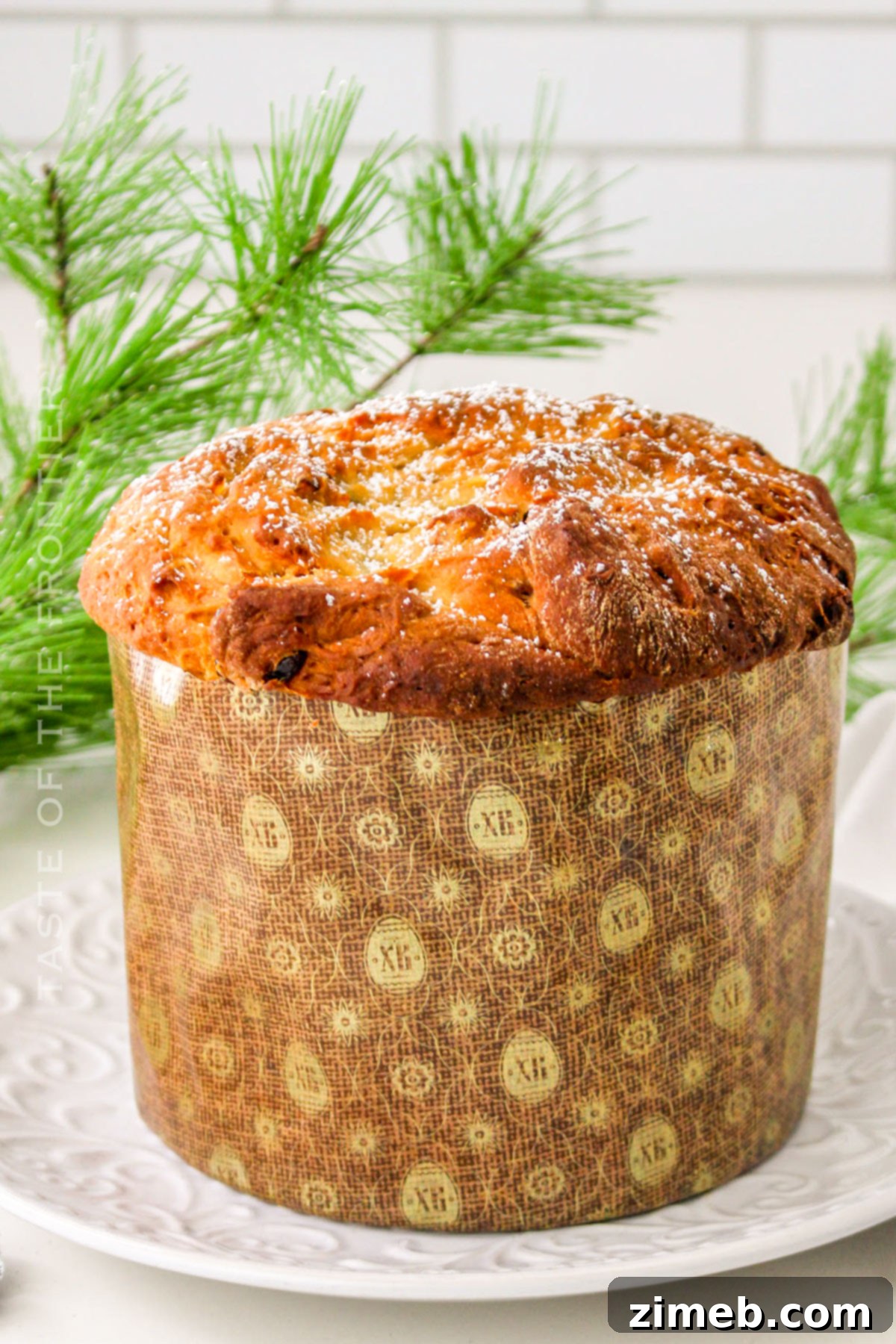
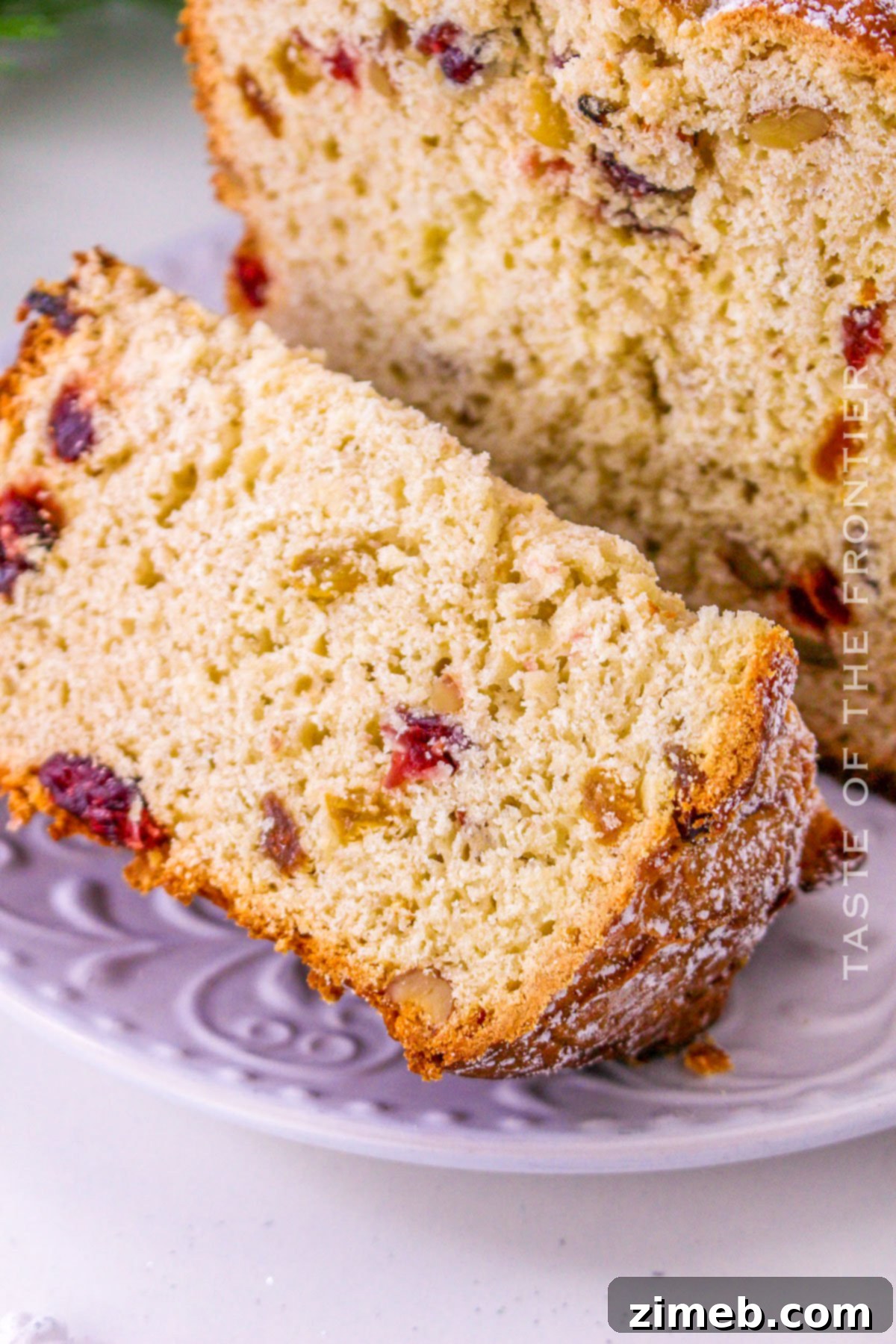
Determining when your Panettone is perfectly baked is essential for its ideal texture and flavor. The most reliable indicators are its color and an internal doneness test. The cake should be beautifully golden brown on top, showcasing a rich, inviting hue. To confirm it’s cooked through, insert a long wooden skewer or a sharp, thin knife into the very center of the Panettone. If it comes out clean, with no wet batter or crumbs clinging to it, your Panettone is done. This golden bread cake, with its enticing color and firm yet delicate crumb, will be as visually appealing as it is delicious!
Storage
The holiday season is indeed a time for wonderful food and generous gift-giving, and Panettone fits perfectly into both categories. Properly storing your homemade Italian Christmas Cake will ensure its freshness and allow you to enjoy it throughout the festive period, making it one of the many reasons Christmas is such a favorite time of year!
Refrigerator
To maintain its moistness and extend its shelf life, wrap your Panettone tightly in plastic wrap or aluminum foil. Stored this way, it can be kept in the refrigerator for up to a week. Ensure it’s sealed well to prevent it from drying out or absorbing other odors from the fridge.
Freezer
For longer preservation, Panettone freezes exceptionally well. First, ensure the cake is completely cooled. Then, wrap it meticulously in several layers of plastic wrap, followed by a layer of heavy-duty aluminum foil. This double-layer protection helps prevent freezer burn and maintains its texture and flavor. Frozen Panettone can last for up to three months, making it perfect for preparing ahead or enjoying well beyond Christmas day. Thaw it at room temperature before serving.
Expert Tips for Panettone Success
Panettone is often referred to as a “bread of luxury,” and once you experience its exquisite flavor and texture, you’ll understand why. Achieving this luxurious result requires attention to detail. Here are some expert tips to ensure your homemade Italian Christmas Cake is nothing short of spectacular:
- Room Temperature Ingredients: This is a golden rule for most baking, but especially critical for Panettone. Ensure all your ingredients, particularly eggs and butter, are at room temperature. This allows them to emulsify properly, creating a smoother, more uniform dough and contributing to the cake’s tender crumb.
- Embrace Patience: Making truly good Panettone is a commitment. The long rising times are not optional; they are essential for developing the dough’s rich flavor and signature airy texture. Resist the urge to rush the process.
- Avoid Over-Kneading: Knead the dough until it is smooth, elastic, and passes the “windowpane test” (you can stretch a small piece thin enough to see light through it without tearing). However, stop before it becomes too tight or tough, as over-kneading can lead to a dense, chewy cake rather than a light one.
- Verify Oven Temperature: An accurate oven temperature is key for even baking. Consider using an oven thermometer to ensure your oven is correctly preheated to 350°F (180°C). Consistent heat prevents the cake from drying out or becoming undercooked in the center.
- Cool Completely: After baking, allow the Panettone to cool thoroughly on a wire rack. This is crucial for its structure. Slicing it too soon can cause it to collapse or become gummy. The slow cooling process helps the crumb set and maintain its delicate form.
- Warm Environment for Rising: Yeast thrives in warmth. If your kitchen is cool, find a warm spot (like near a sunny window, in a slightly warmed-and-then-turned-off oven, or a proofing box) to encourage optimal dough rising.
Key Ingredients for an Authentic Panettone
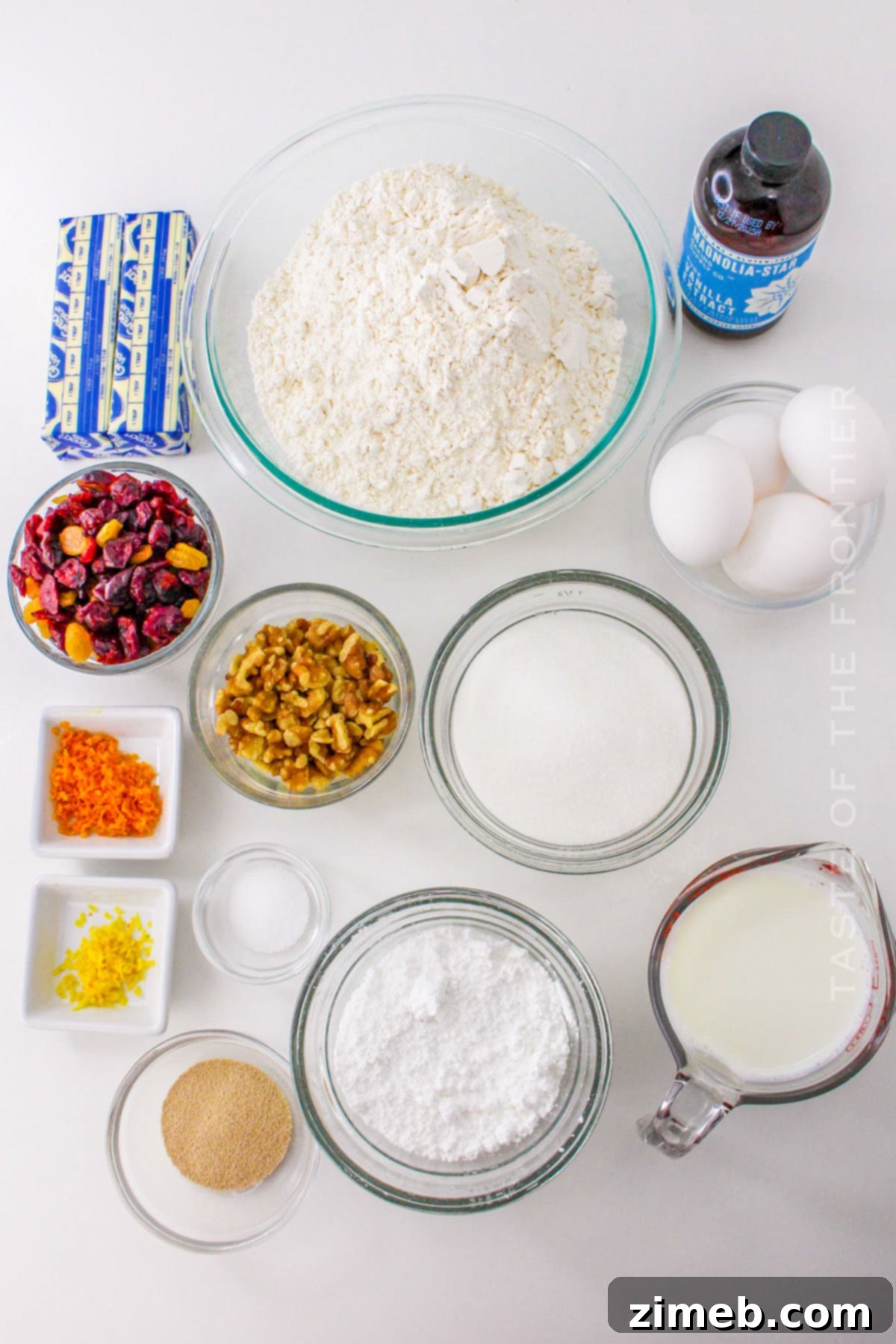
The beauty of this Italian Christmas Cake lies in its simple yet rich ingredients, particularly the dried fruit and nuts, which contribute immensely to its complex flavor and inviting texture. Each component plays a vital role:
- Warm Milk: Activates the yeast, providing the necessary moisture and warmth for the dough to rise.
- Active Dry Yeast: The leavening agent responsible for Panettone’s characteristic light and airy structure.
- Unsalted Butter (softened): Adds incredible richness, tenderness, and flavor to the cake. Softened butter creams easily with sugar.
- Granulated Sugar: Sweetens the dough and helps to tenderize it, contributing to a soft crumb.
- Large Eggs (room temperature): Provide richness, color, and structure. Room temperature eggs emulsify better with other ingredients.
- Vanilla Extract: Enhances the overall sweet and aromatic profile.
- All-Purpose Flour: The primary structural component of the bread.
- Salt: Balances the sweetness and enhances the flavor of all other ingredients.
- Mixed Dried Fruits: A quintessential Panettone inclusion! Raisins, currants, and candied orange peel are classic choices, infusing sweetness and chewiness.
- Chopped Nuts: Almonds and hazelnuts are traditional options, adding a delightful crunch and nutty depth.
- Lemon Zest & Orange Zest: Provide a bright, fragrant citrus aroma and flavor that defines Panettone.
- Confectioner’s Sugar for Dusting: A beautiful finishing touch, adding a delicate sweetness and a snowy, festive appearance.
How to Make Italian Christmas Cake (Panettone)
If you’ve never ventured into baking Panettone, don’t be intimidated! This recipe is surprisingly straightforward, guiding you through each step to create a delicious and impressive holiday treat you’ll be incredibly proud of. Follow these detailed instructions for a perfect Italian Christmas Cake:
- Activate the Yeast: In a small bowl, combine the warm milk (ensure it’s around 110°F/43°C – too hot will kill the yeast, too cold won’t activate it) and active dry yeast. Stir gently and let it sit for 5-10 minutes. It should become frothy and bubbly, indicating the yeast is active and ready.
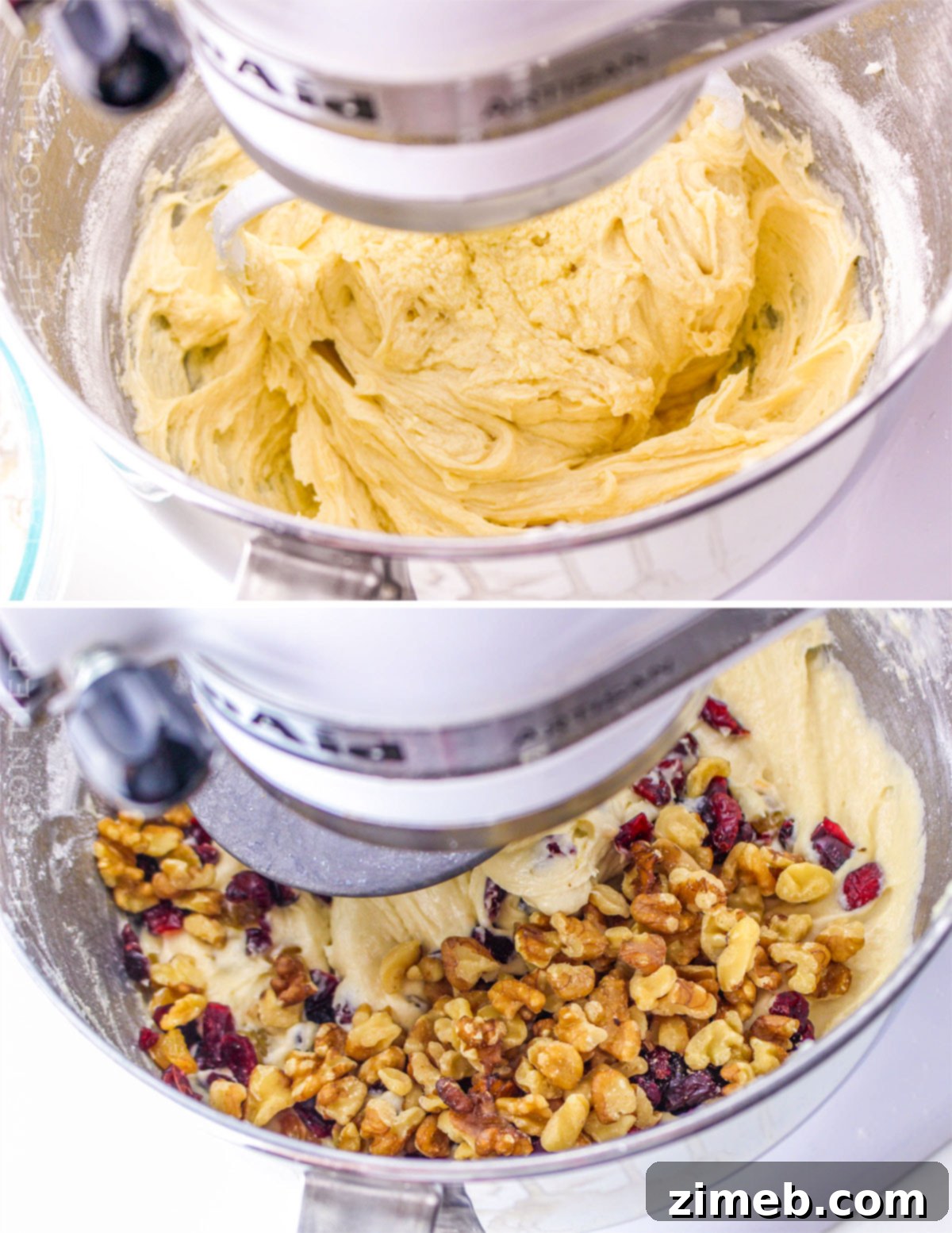
- Cream Butter and Sugar: In a large mixing bowl, using a stand mixer with a paddle attachment or an electric hand mixer, cream together the softened unsalted butter and granulated sugar until the mixture is light, fluffy, and pale in color. This process incorporates air, which is crucial for a tender crumb.
- Incorporate Eggs and Vanilla: Add the large eggs one at a time, beating well after each addition to ensure they are fully incorporated into the butter mixture. Scrape down the sides of the bowl as needed. Stir in the vanilla extract for a fragrant base.
- Combine Dry and Wet Ingredients: In a separate bowl, whisk together 4 cups of all-purpose flour and salt. Gradually add this flour mixture to the butter-egg mixture, alternating with the frothy yeast mixture. Mix on low speed (or by hand with a wooden spoon) until a soft, shaggy dough forms.
- Fold in Flavorful Add-ins: Gently fold in your chosen mixed dried fruits (like raisins, currants, and candied orange peel), chopped nuts (almonds, hazelnuts), and the aromatic lemon and orange zest. Distribute them evenly throughout the dough.
- Knead the Dough: Transfer the dough to an electric mixer fitted with a dough hook (or onto a lightly floured surface for hand-kneading). Gradually work in enough of the remaining 1 cup of flour, adding it a little at a time, until a soft, elastic, and slightly tacky dough forms. Knead for about 10 minutes (longer by hand) until it becomes smooth and pliable.
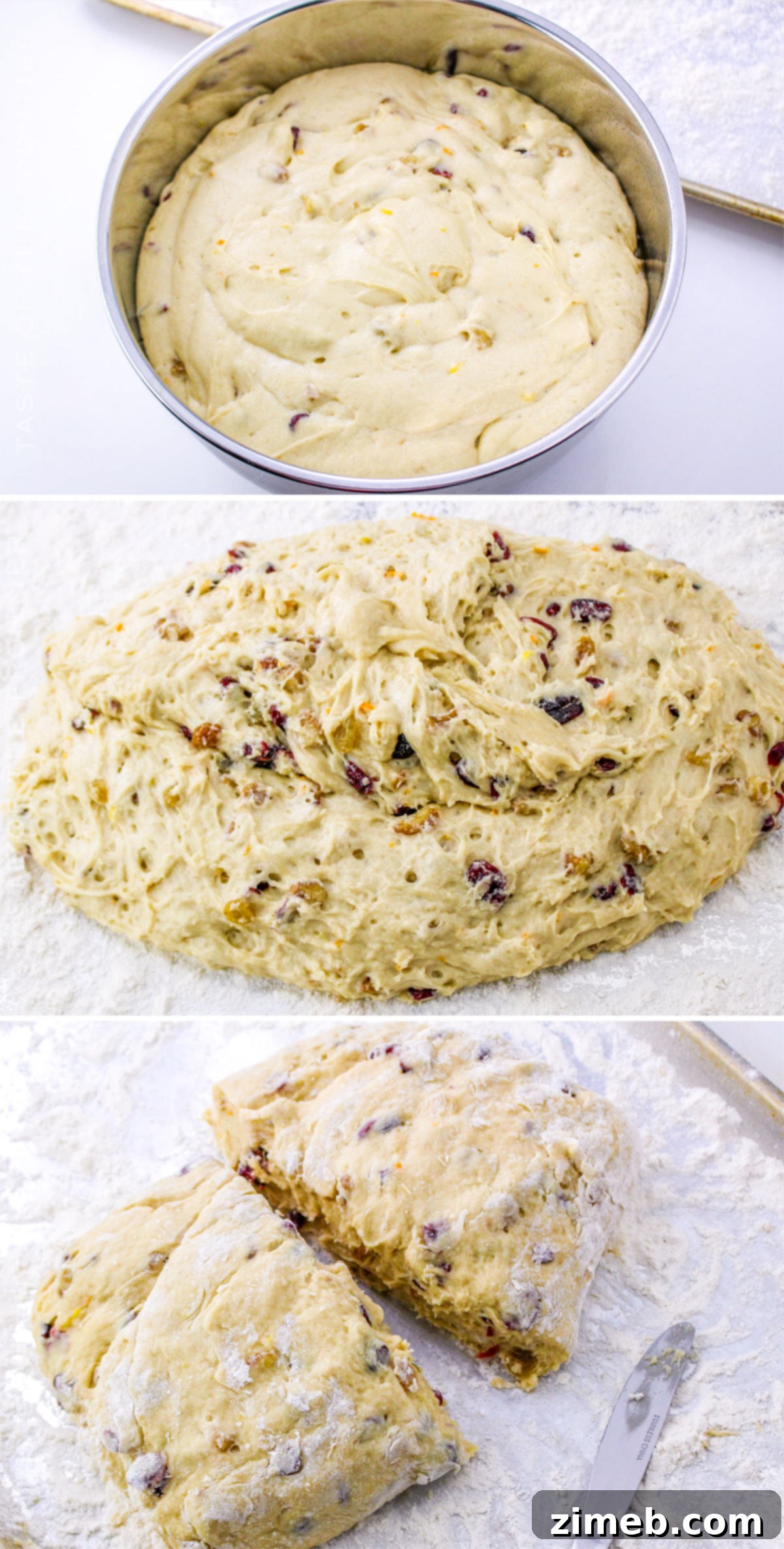
- First Rise: Lightly grease a large bowl. Place the kneaded dough in the bowl, turning it once to coat. Cover the bowl with a clean kitchen towel or plastic wrap and let it rise in a warm place for 2-3 hours, or until it has distinctly doubled in size. This slow rise develops deep flavors.
- Prepare for Shaping: Once risen, gently punch down the dough to release the air. Turn it out onto a lightly floured surface.
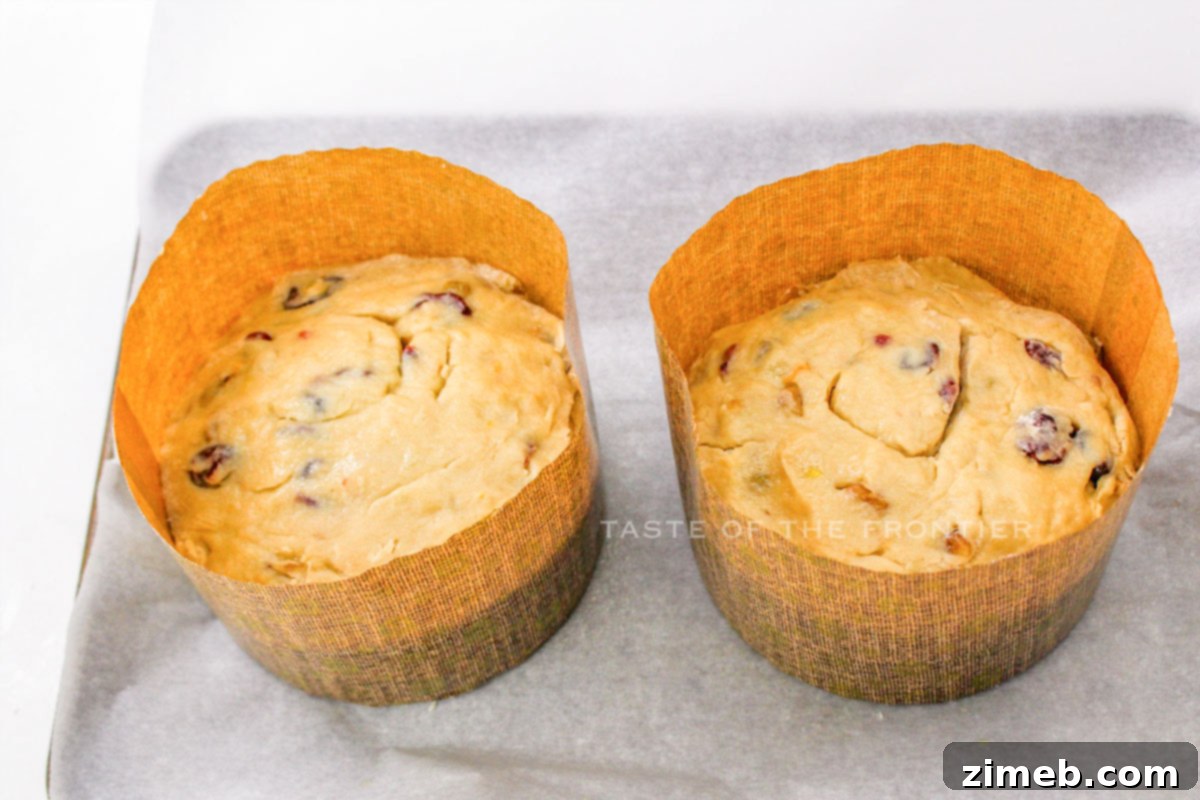
- Shape and Place in Molds: Divide the dough in half. Shape each portion into a smooth ball. Carefully place each dough ball into a greased and floured Panettone mold (paper mold or metal pan) or a large, deep cake pan.
- Second Rise: Cover the dough in its molds with a clean kitchen towel and let it rise again in a warm place for an additional 1-2 hours, or until it looks visibly puffy and has nearly doubled in volume.
- Preheat Oven: While the dough is on its second rise, preheat your oven to 350°F (180°C).
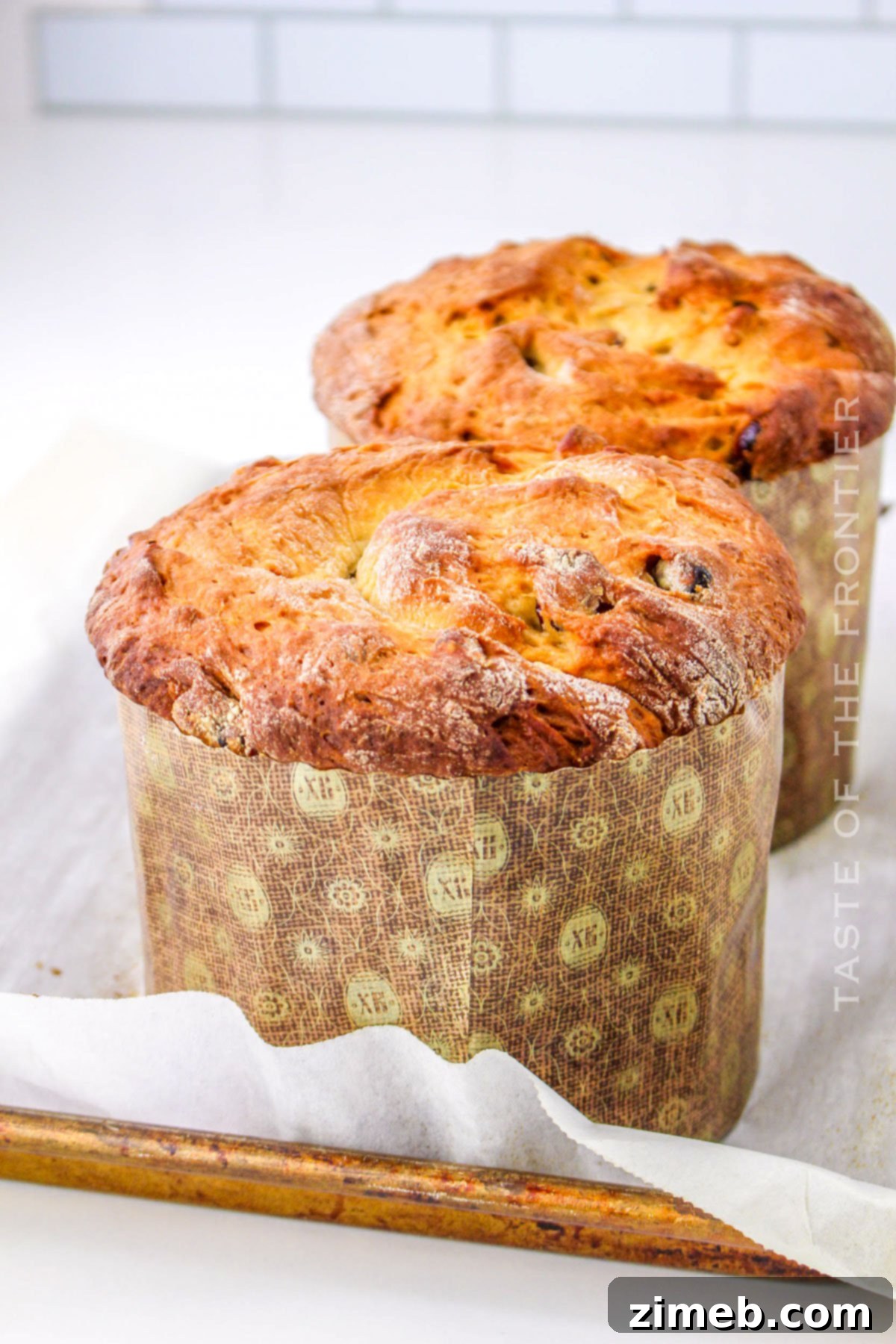
- Bake the Panettone: Bake the Panettone for 45-50 minutes. The cake should be golden brown on top, and a toothpick or skewer inserted into the center should come out clean. If the top browns too quickly, you can loosely tent it with aluminum foil.
- Cooling Process: Allow the Panettone to cool in its pan for about 10 minutes immediately after baking. This gentle cooling helps it retain its shape. Then, carefully transfer it to a wire rack to cool completely before slicing.
- Final Touch: Once the Panettone is entirely cooled (this can take several hours), generously dust the top with confectioner’s sugar for a beautiful, classic finish.
- Serve and Enjoy: Slice your homemade Italian Christmas Cake and serve. It’s truly a delight!
Essential Kitchen Supplies for Panettone
Having the right tools can make your Panettone baking experience smoother and more enjoyable. While some items are versatile, a dedicated Panettone mold or springform pan is highly recommended for achieving the traditional tall shape.
- Stand mixer with paddle attachment or dough hook (or a large, sturdy mixing bowl for hand-mixing): Essential for efficient and thorough kneading of the rich dough.
- Panettone mold or springform pan: A tall, cylindrical mold (often paper or a springform pan) is crucial for Panettone’s signature height and shape. Using a springform pan can significantly ease removal after baking.
- Small and large mixing bowls: For activating yeast, whisking dry ingredients, and the main dough preparation.
- Measuring cups and spoons: For accurate ingredient proportions.
- Whisk or electric mixer: For creaming butter and sugar, and initially mixing ingredients.
- Baking sheet or parchment paper for lining: To place under the Panettone mold during baking, especially if using paper molds.
- Wire rack for cooling: Essential for allowing air circulation around the cake, ensuring it cools completely and maintains its structure.
What to Serve With Italian Christmas Cake
Panettone is delightful on its own, but its versatility shines when paired with traditional Italian accompaniments, elevating the experience into a true festive feast. Here are some classic and popular options:
- A cup of strong, hot coffee or espresso: The robust bitterness of coffee perfectly complements the sweetness of Panettone, making it an ideal breakfast or after-dinner treat.
- Sweet dessert wines like Moscato or Vin Santo: These wines offer a lovely contrast, with their fruity or nutty notes enhancing the cake’s flavors. Moscato provides a light, effervescent pairing, while Vin Santo offers a rich, complex sweetness.
- Mascarpone cheese or whipped cream: A dollop of creamy mascarpone or freshly whipped cream adds a luscious, decadent touch, especially when infused with a hint of vanilla or orange liqueur.
- Fresh fruit salad for a light, refreshing contrast: The bright, natural sweetness and acidity of fresh fruits cut through the richness of the Panettone, offering a balanced palate cleanser.
- Chocolate Sauce: A drizzle of warm dark chocolate sauce can turn your Panettone slice into an even more indulgent dessert.
- Gelato: Serving a slice with a scoop of vanilla or pistachio gelato is a divine combination, especially after a heavy Christmas meal.
Why Homemade Panettone is a Must-Make This Holiday Season
Beyond its delicious taste, making an Italian Christmas Cake offers numerous benefits that elevate your holiday experience. I’ve even seen people get creative, stacking slices into a wonderful Christmas tree shape for a stunning presentation!
- Rich Tradition: Baking Panettone connects you directly to centuries of Italian history and cherished Christmas traditions, bringing a sense of heritage to your home.
- Festive Flavors: Every ingredient, from the candied fruits to the citrus zest, embodies the essence of the Christmas season, filling your home with delightful aromas.
- Versatile Treat: Enjoy Panettone in countless ways – for a special holiday breakfast, as an elegant dessert after dinner, or as a sweet snack with tea or coffee.
- Great for Sharing: Its impressive size and celebratory nature make it perfect for holiday gatherings, potlucks, and a joyous Christmas morning treat with family and friends. It also makes a thoughtful, homemade gift.
- Customizable: This recipe serves as an excellent base for your creativity. Experiment with different types of fruits, nuts, and flavorings to tailor it perfectly to your taste or dietary preferences.
- The Joy of Baking: The process itself, though lengthy, is incredibly rewarding. The anticipation, the rising dough, and the final beautiful outcome create lasting memories.
Creative Variations and Delicious Add-Ins for Your Panettone
While the classic Panettone is undeniably delicious, don’t hesitate to personalize your Italian Christmas Cake with exciting variations and add-ins. Experimenting is part of the fun of homemade baking! Feel free to share your own unique ideas in the comments – I love hearing from you and discovering new twists on traditional recipes.
- Chocolate Chips:For a delightful chocolatey twist, fold in a cup of high-quality semi-sweet or dark chocolate chips with your dried fruits. White chocolate chips can also add a unique sweetness.
- Enhanced Citrus Twist: Elevate the bright notes by adding extra citrus zest from lemons, oranges, or even mandarins. You can also incorporate finely diced candied citrus peel beyond just orange, such as lemon or citron, for more intense flavor and texture.
- Nutty Delight: Introduce a greater variety of nuts for extra crunch and flavor. Mix in whole hazelnuts, blanched almonds, chopped pistachios, or even walnuts alongside the traditional choices. Toasting nuts lightly beforehand can enhance their flavor.
- Spiced Up:Infuse your Panettone with warm holiday spices for an aromatic experience. A hint of ground cinnamon, nutmeg, cardamom, or even a pinch of allspice can add depth and complexity to the flavor profile.
- Boozy Fruit: For an adult-friendly version, soak your mixed dried fruits in a generous splash of dark rum, brandy, or an orange liqueur like Grand Marnier for several hours or overnight before adding them to the dough. This adds a sophisticated, boozy flavor and keeps the fruits extra moist.
- Glazed Top: Instead of just confectioner’s sugar, consider a simple almond glaze. Whisk powdered sugar with a small amount of milk or lemon juice and a few drops of almond extract, then drizzle over the cooled cake.
If you love this traditional holiday recipe, you’re going to love these other festive treats too. Please click each link below to find the easy, printable recipe!
Classic English Toffee
Traditional Almond English Toffee is easy to make & perfect for the holidays. If you need the perfect holiday food gift, make this English Toffee Recipe.
Check out this recipe
Struffoli
Struffoli is a deep-fried dough or pastry that is covered with honey or syrup and topped with sprinkles. It is thought to bring good luck to the home it is made in.
Check out this recipe

Slow Cooker Wassail
This recipe for Slow Cooker Wassail is an easy way to celebrate Christmas with your guests. This delicious no-fuss, alcoholic beverage, made in the Crockpot will surely be one of the best at your holiday gathering.
Check out this recipe

Homemade Divinity Candy
Divinity Candy is a classic Christmas treat that makes a great gift and party favor throughout the whole holiday season.
Check out this recipe
Candied Pecans
If you’re a fan of candied nuts, you’ll love this recipe for Candied Pecans! They’re super easy to make and are the perfect sweet and crunchy snack. Everyone loves these for the holiday season!
Check out this recipe
More Great Holiday Treats
Christmas Chocolate Chip Cookies
Microwave Peanut Butter Fudge
Gingerbread Pudding Cake
Easy Tiramisu Recipe
CONNECT WITH YUMMI HAUS!
Be sure to follow me on my social media, so you never miss a post!
Substack, FB, Pinterest, IG, Email Subscription
Italian Christmas Cake Recipe
Rate this Recipe
Italian Christmas Cake
Course: Dessert
Servings: 2 panettones
Immerse yourself in tradition and flavor with this handcrafted Italian Christmas Cake, made with nuts, candied fruits, and citrus zest.
Print Recipe
Pin Recipe
Save Recipe
Prep Time: 30 mins
Cook Time: 50 mins
Rise/Rest Time: 5 hrs 10 mins
Total Time: 6 hrs 30 mins
Ingredients
- 1 cup warm milk (110°F/43°C)
- 1 tablespoon active dry yeast
- 1 cup butter, unsalted, softened
- 1 cup granulated sugar
- 4 large eggs, room temperature
- 1 teaspoon vanilla extract
- 4 cups all-purpose flour, divided (4-5 cups total)
- 1 teaspoon salt
- 1 cup mixed dried fruits (raisins, currants, candied orange peel)
- ½ cup chopped nuts (almonds, hazelnuts)
- Zest of 1 lemon
- Zest of 1 orange
For Dusting
- Confectioner’s sugar
Instructions
- In a small bowl, combine the warm milk and yeast. Let it sit for 5-10 minutes until it becomes frothy.
- In a large mixing bowl, cream together the softened butter and sugar until light and fluffy.
- Add the eggs one at a time, beating well after each addition. Stir in the vanilla extract.
- In a separate bowl, whisk together 4 cups of flour and salt. Gradually add the flour mixture to the butter mixture, alternating with the yeast mixture. Mix until a soft dough forms.
- Fold in the nuts, dried fruits, as well as the lemon and orange zest.
- Knead the dough with an electric mixer or on a floured surface, working in enough of the remaining flour to form a soft dough. Continue kneading for about 10 minutes, or until it becomes smooth and elastic.
- Place the dough in a greased bowl, cover it with a clean kitchen towel, and let it rise in a warm place for 2-3 hours, or until it doubles in size.
- Punch down the risen dough and turn it out onto a floured surface.
- Divide the dough in half. Shape each part of the dough into a ball and place it in a greased and floured panettone mold or a large, deep cake pan.
- Cover the dough with a kitchen towel and let it rise for an additional 1-2 hours.
- Preheat the oven to 350°F (180°C).
- Bake the panettone for 45-50 minutes or until golden brown and a toothpick inserted into the center comes out clean.
- Allow the panettone to cool in the pan for 10 minutes before transferring it to a wire rack to cool completely.
- Once the panettone is completely cooled, dust the top with powdered sugar.
- Slice and serve.
Nutrition
Serving: 1 cake | Calories: 2752kcal | Carbohydrates: 356g | Protein: 50g | Fat: 130g | Saturated Fat: 61g | Cholesterol: 257mg | Sodium: 2049mg | Potassium: 448mg | Fiber: 15g | Sugar: 144g | Vitamin C: 0.4mg | Calcium: 69mg | Iron: 13mg | Net Carbohydrates: 286g
Nutritional information for the recipe is provided as a courtesy and is approximate. Please double-check with your own dietary calculator for the best accuracy. We at Yummi Haus cannot guarantee the accuracy of the nutritional information given for any recipe on this site.
Love this recipe?
Follow @KleinworthCo for even more tasty recipes!