
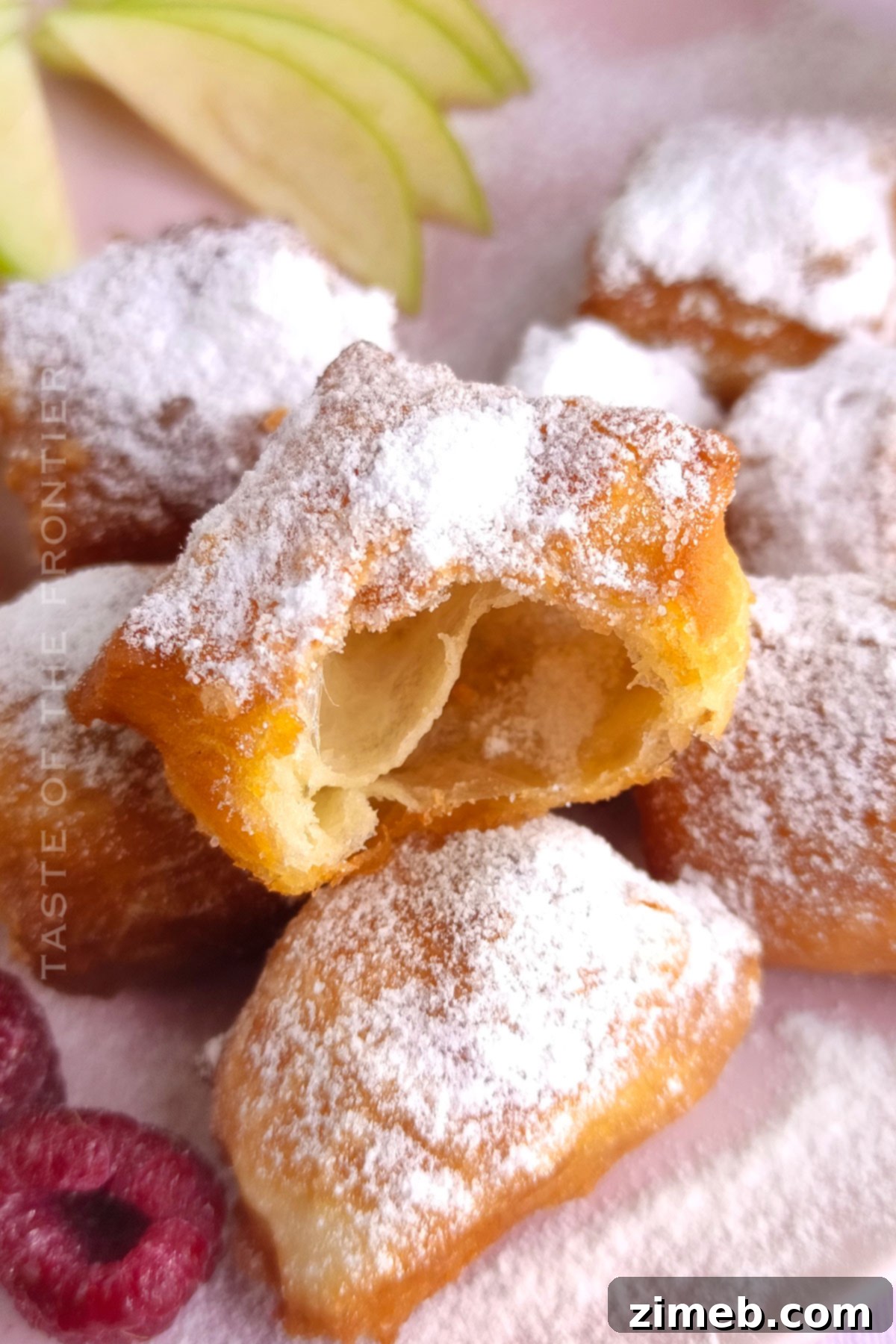
Transform your kitchen into a taste of New Orleans with this irresistible Beignets Recipe. Crispy on the outside, and pillowy soft on the inside – these homemade beignets are a celebration of flavor and tradition.
Embark on a culinary journey straight to the vibrant streets of New Orleans with our easy-to-follow Beignets recipe. These iconic French doughnuts are more than just a sweet treat; they’re a beloved cultural staple, a symbol of Louisiana’s rich French heritage, and an experience impossible to resist. Imagine the delight of biting into a warm, freshly fried beignet, its light, airy interior contrasting beautifully with its slightly crispy exterior, all generously blanketed in a delicate snowfall of powdered sugar. Paired with a steaming cup of coffee, especially a chicory-blended brew, it’s an experience that transports you directly to the bustling ambiance of Cafe Du Monde.
This simple Beignets recipe promises to bring the joyous spirit of Mardi Gras and the undeniable charm of New Orleans’ most famous coffee stand right into your very own home. Whether you’re planning a festive brunch, a special dessert, or simply craving a taste of something truly extraordinary, these homemade beignets are guaranteed to impress and delight. Get ready to create magical moments and savor every sweet, fluffy bite.
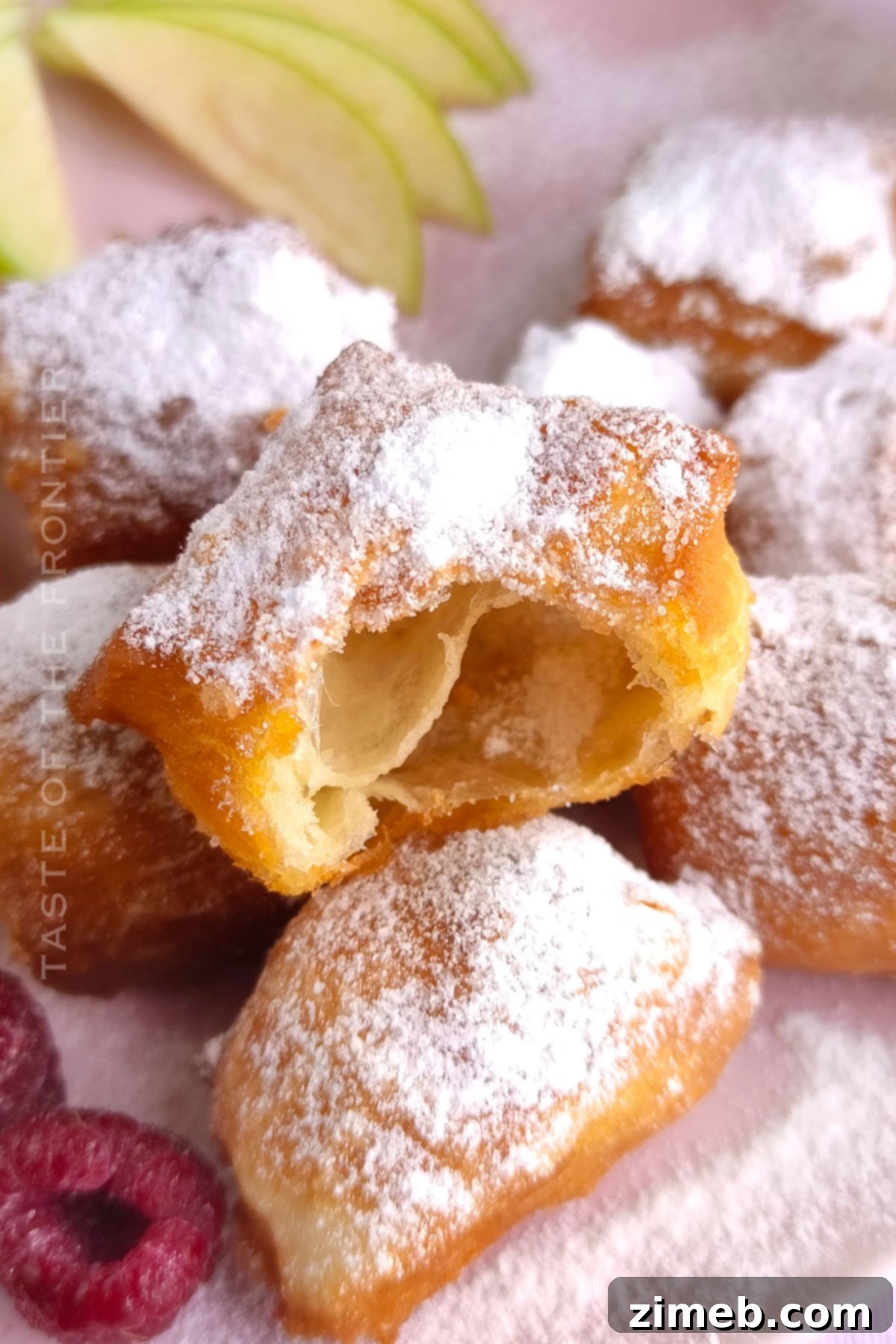
Even if you’re not intimately familiar with Mardi Gras traditions or the diverse culinary landscape of New Orleans, don’t let that deter you. These beignets are incredibly delicious regardless of your prior experience with Cajun or Creole cuisine. In fact, their universal appeal and comforting sweetness make them a perfect candidate for becoming a new family favorite. There’s an undeniable charm and joy that comes with preparing and sharing homemade treats, and these beignets embody that spirit perfectly.
There’s truly nothing quite like freshly made beignets to infuse a day with a sense of wonder and specialness. The process of making them, from kneading the soft dough to watching them puff up golden in the hot oil, is a rewarding experience in itself. Whether this marks your very first attempt at making these delightful pastries or you’re a seasoned baker looking for a reliable recipe, this guide is designed to help you recreate the authentic taste of New Orleans-style beignets in your own kitchen with ease and confidence.
I can personally attest to their irresistible nature; my family devoured these faster than I could serve them the first time I made them. The look of pure joy on their faces as they reached for another powdered sugar-dusted square was all the confirmation I needed that this recipe is a winner. So, gather your simple ingredients, warm up your frying oil, and prepare for a truly delicious and memorable adventure. Let’s dive into the fun of making these sweet, fluffy delights and savor every moment!

Common Questions About Beignets Recipe
Diving into a new recipe, especially one with such a rich history as beignets, often comes with a few questions. Here, we address some of the most common inquiries to ensure your beignet-making experience is as smooth and enjoyable as possible. From preparation tips to ingredient substitutions, we’ve got you covered.
Can I Make the Dough Ahead of Time?
Absolutely! Preparing the beignet dough in advance is not only possible but highly recommended for convenience. You can mix the beignet dough and let it complete its initial rise in a lightly greased bowl. Once risen, simply cover the bowl tightly with plastic wrap and place it in the refrigerator. This allows the dough to slow-rise overnight or for several hours, developing a deeper flavor. When you’re ready to enjoy fresh beignets, just take the dough out, let it come to room temperature for about 30 minutes, then proceed with rolling, cutting, and frying. This trick ensures you can serve hot, fresh beignets to your breakfast or dinner guests without the morning rush of dough preparation.
Do I Need a Deep Fryer to Make Beignets?
Good news for home cooks: a deep fryer is entirely optional for making perfect beignets! You can achieve excellent results using a standard heavy-bottomed frying pan or a Dutch oven. The key is to have about an inch or two of vegetable oil heated to the correct temperature. To test the depth, simply fry one or two beignet squares first. If they don’t puff up sufficiently or fry unevenly, you can easily add more oil and allow a few minutes for it to heat back up. Maintaining a consistent oil temperature is more crucial than the type of vessel, so a good thermometer is your best friend here. This makes homemade beignets accessible to everyone, regardless of specialized kitchen equipment.
Can I Use Bread Flour Instead of All-Purpose Flour?
You certainly can! While this recipe calls for all-purpose flour for a classic soft and fluffy texture, using bread flour is a delightful variation you might enjoy. Bread flour has a higher protein content, which can result in a chewier, slightly more substantial beignet. It’s all about personal preference when it comes to the final texture of your fried dough. Feel free to experiment with both types of flour to discover which one you prefer for your ultimate homemade beignets. Don’t be afraid to try different approaches to find what truly satisfies your taste buds!
Storage
The deliciousness of fresh beignets often means there won’t be many leftovers. They tend to disappear almost as quickly as they’re made! However, if you do find yourself with a few extra, or if you prefer to prepare them in stages, here’s how to store them effectively. Proper storage ensures you can enjoy these delightful treats for a little longer or prepare them when you’re ready.
Refrigerator
If you have any leftover fried beignets (a rare occurrence!), store them in an airtight container at room temperature for up to one day. For slightly longer storage, you can refrigerate them for 2-3 days, though they are best enjoyed fresh. Reheating them gently in a warm oven for a few minutes can help restore some of their texture.
Freezer
For long-term storage, the best method is to freeze the cut dough squares before frying. After cutting your dough into squares, arrange them in a single layer on a baking sheet lined with parchment paper and freeze until solid. Once frozen, transfer them to a freezer-safe bag or airtight container. They can be stored for up to 2-3 weeks. When you’re ready to fry, simply thaw the frozen dough squares at room temperature for about 30-60 minutes until soft and pliable before proceeding with the frying step.
Tips for Perfect Beignets
Achieving the perfect beignet – crispy on the outside, incredibly light and airy on the inside – requires a few simple yet crucial techniques. Don’t worry, these tips aren’t complicated, but they will make a significant difference in the outcome of your homemade treats. Follow these guidelines, and you’ll be enjoying café-quality beignets in no time!
- Yeast is Key: Ensure your active dry yeast is fresh and active. This is fundamental for the dough to rise properly and achieve that characteristic pillowy texture. If your yeast is old, your beignets won’t be as light and fluffy.
- Consistent Heat: Maintaining a steady oil temperature is paramount for even frying. Too low, and the beignets will absorb too much oil, becoming greasy. Too high, and they’ll brown too quickly on the outside, leaving the inside raw. Aim for around 350-360°F (175-180°C). A candy thermometer is invaluable here.
- Don’t Overcrowd: Resist the urge to fry too many beignets at once. Frying in batches is essential to prevent the oil temperature from dropping drastically. Overcrowding can lead to soggy, unevenly cooked beignets. Give them space to puff and brown beautifully.
- Perfect Powdered Sugar: The generous dusting of confectioner’s sugar (powdered sugar) is a signature of beignets. Apply it while the beignets are still warm, fresh from the oil. The warmth helps the sugar adhere and slightly melt, creating that iconic snow-capped appearance and sweet finish.
- Handle Gently: Once the dough has risen, be very gentle when rolling it out and cutting it into squares. Excessive handling can deflate the precious air bubbles that yeast has created, resulting in denser beignets. Use a light touch to preserve their delicate structure.
Ingredients
In 1986, the humble beignet was rightfully declared the official state doughnut of Louisiana, a testament to its deep roots and enduring popularity in the region. When you’re making beignets, you’re not just baking; you’re participating in a culinary tradition, crafting a truly famous and beloved pastry. The ingredients are simple, but their combination creates pure magic.
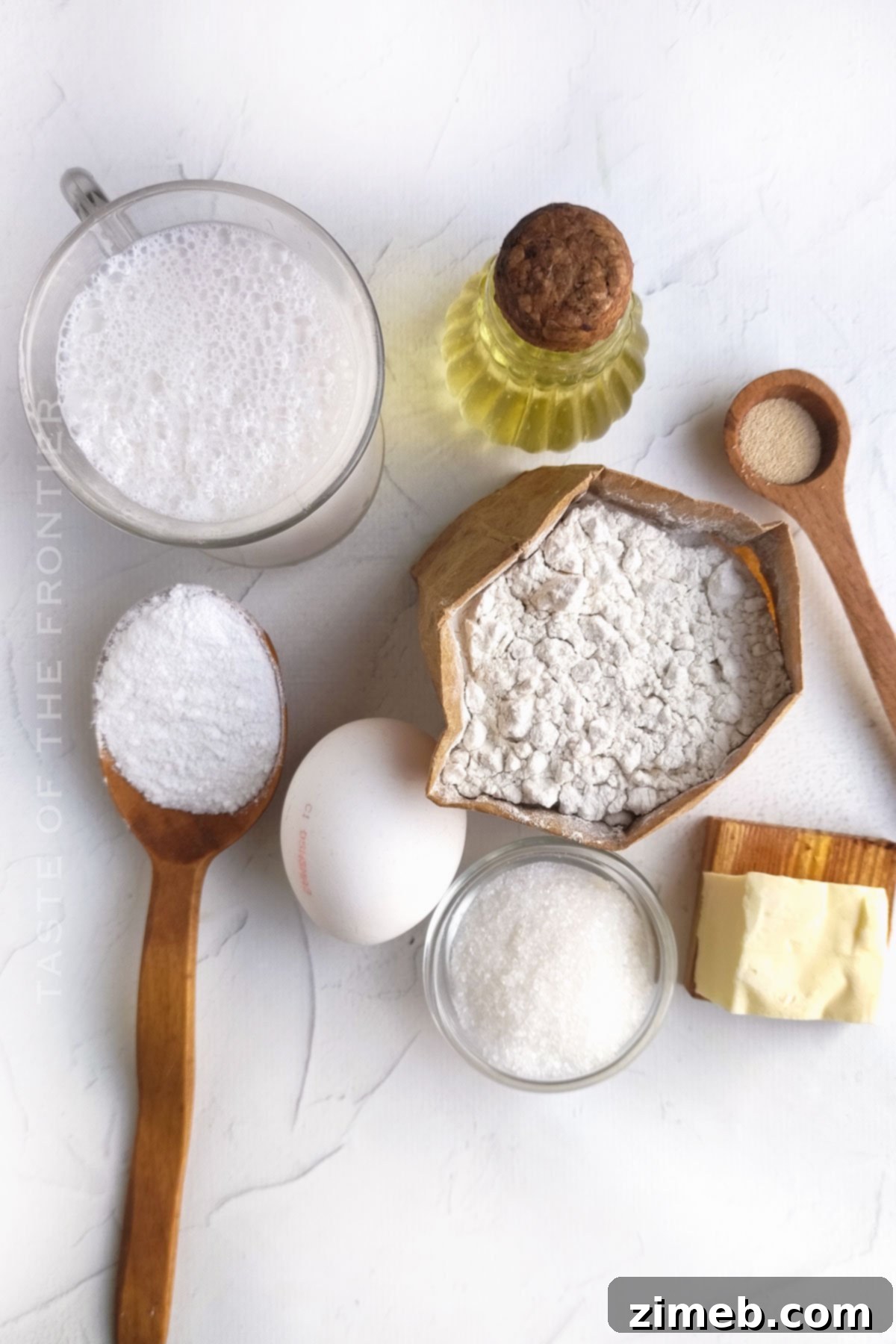
- Milk (preferably whole milk for richness)
- Granulated sugar
- Active dry yeast
- Salt
- Egg (at room temperature)
- Unsalted butter (softened to room temperature)
- All-purpose flour
- Vegetable oil (or other neutral frying oil like canola or peanut oil)
- Confectioner’s sugar (for dusting)
How to Make Beignets Recipe
The process of making beignets is surprisingly straightforward, yielding incredibly rewarding results. The most important step, the dough rise, is where patience truly pays off. This crucial period allows the yeast to work its magic, developing the airy texture that defines a perfect beignet. Resist the urge to rush this stage, as it makes an enormous difference in the lightness and tenderness of these delightful pastries. Embrace the waiting, for the best things in life, especially in baking, often require a little time.
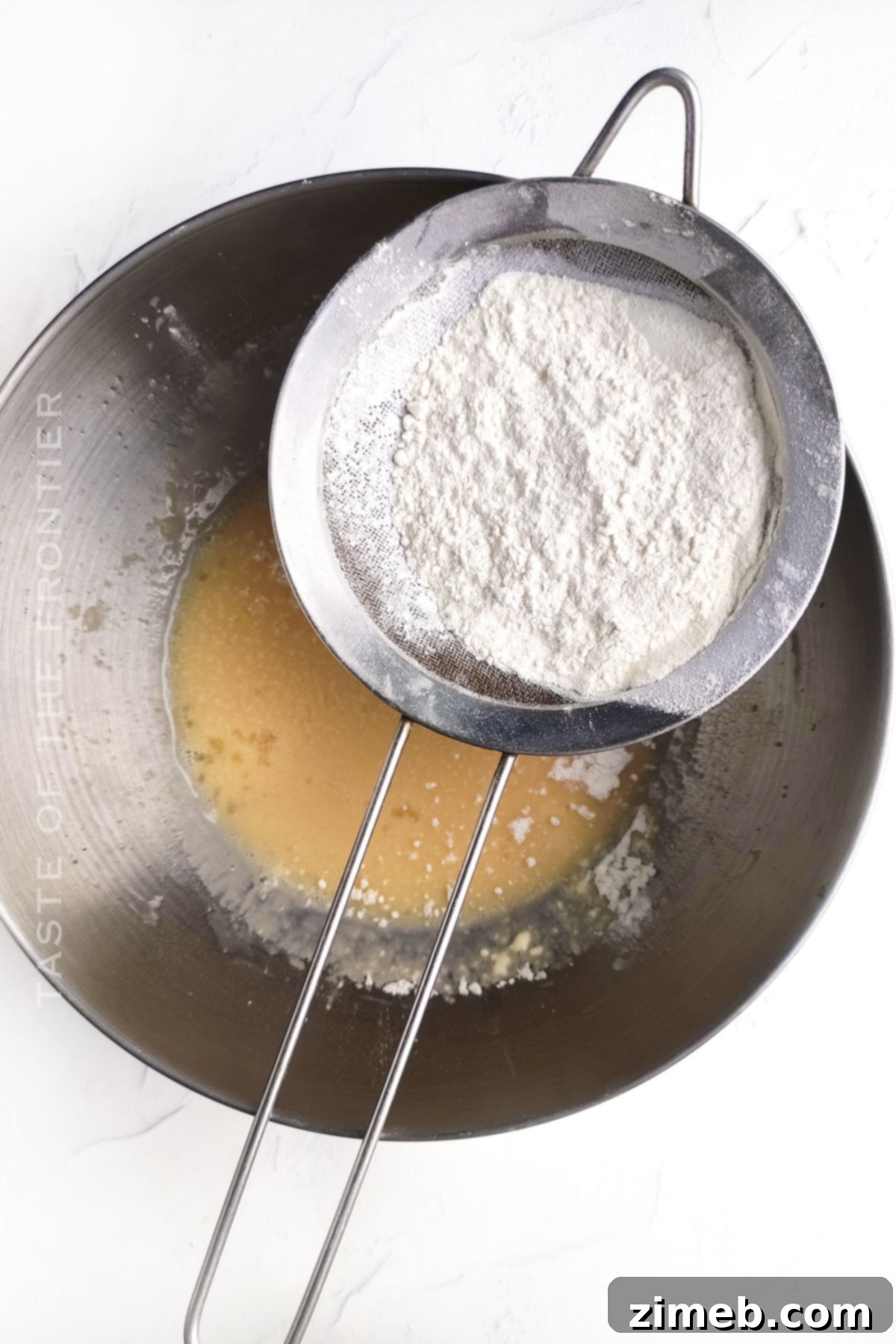
- Activate the Yeast: In a large bowl, gently warm the milk (it should be lukewarm, around 105-115°F or 40-46°C – test on your wrist, it should feel just warm, not hot). Stir in the granulated sugar and sprinkle the active dry yeast over the top. Let it sit for 5-10 minutes until the mixture becomes foamy, indicating the yeast is active. If it doesn’t foam, your yeast may be old, and you should start again with fresh yeast. Add the pinch of salt to this mixture.
- Incorporate Wet Ingredients: Lightly beat the egg into the frothy yeast mixture until well combined. Then, add the soft, room-temperature butter and continue to lightly beat with a fork or whisk until it’s mostly incorporated.
- Form the Dough: Gradually add the sifted all-purpose flour, one cup at a time, mixing until a shaggy dough forms. Once all the flour is added, turn the dough out onto a lightly floured surface. Knead the dough for about 5-7 minutes until it becomes soft, smooth, and elastic. It should be slightly sticky but manageable. Avoid adding too much extra flour during kneading, as this can make the beignets tough.
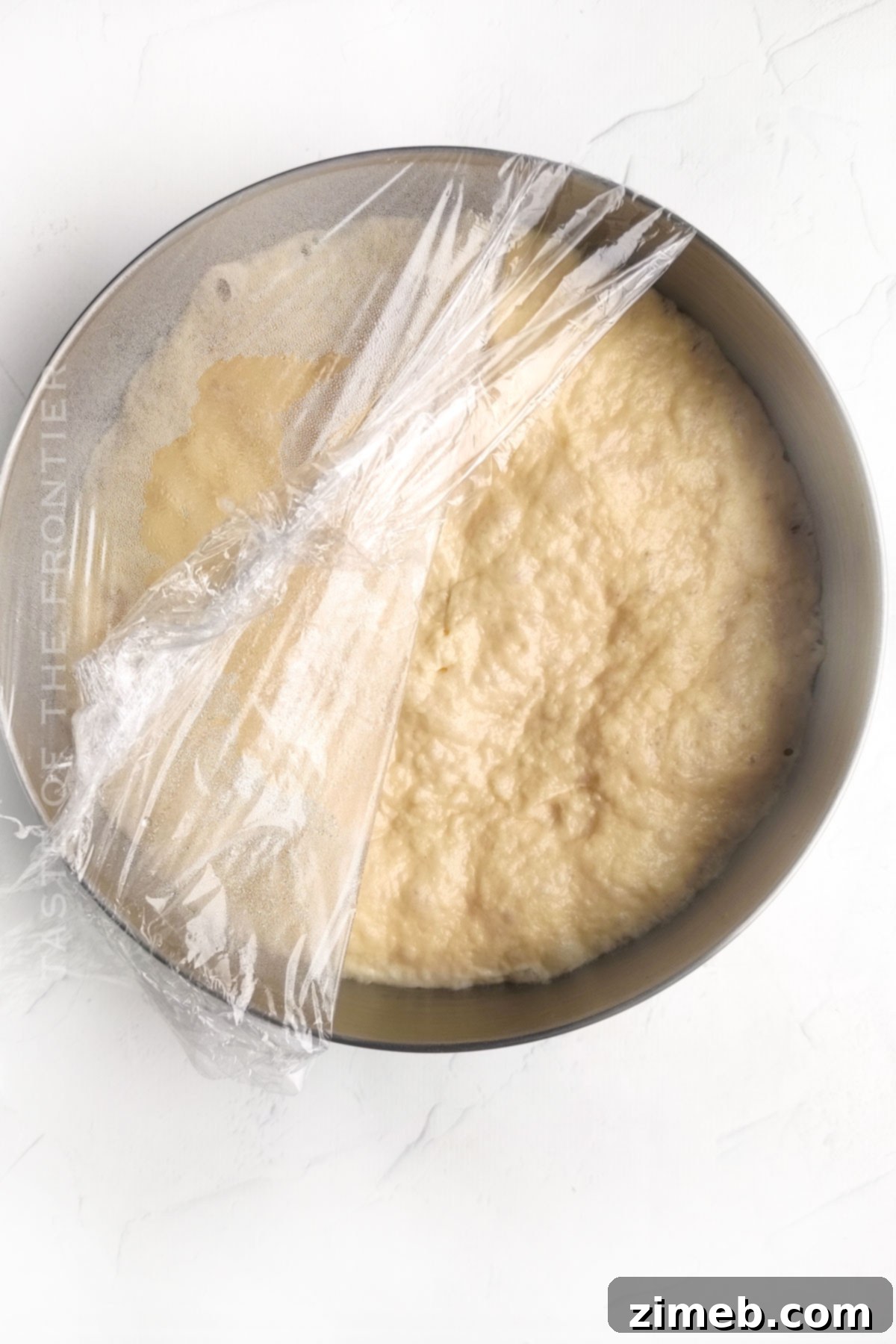
- First Rise: Lightly grease a clean large bowl with a little oil. Roll the kneaded dough into a ball and place it in the greased bowl, turning once to coat. Cover the bowl loosely with plastic wrap. To allow the dough to breathe and rise effectively, make 5-6 small holes in the plastic wrap with a toothpick. Place the bowl in a warm, draft-free place (like a turned-off oven with the light on, or a warm spot on your counter) to rise for 1 to 1.5 hours, or until the dough has roughly doubled in volume. This step is essential for airy beignets.
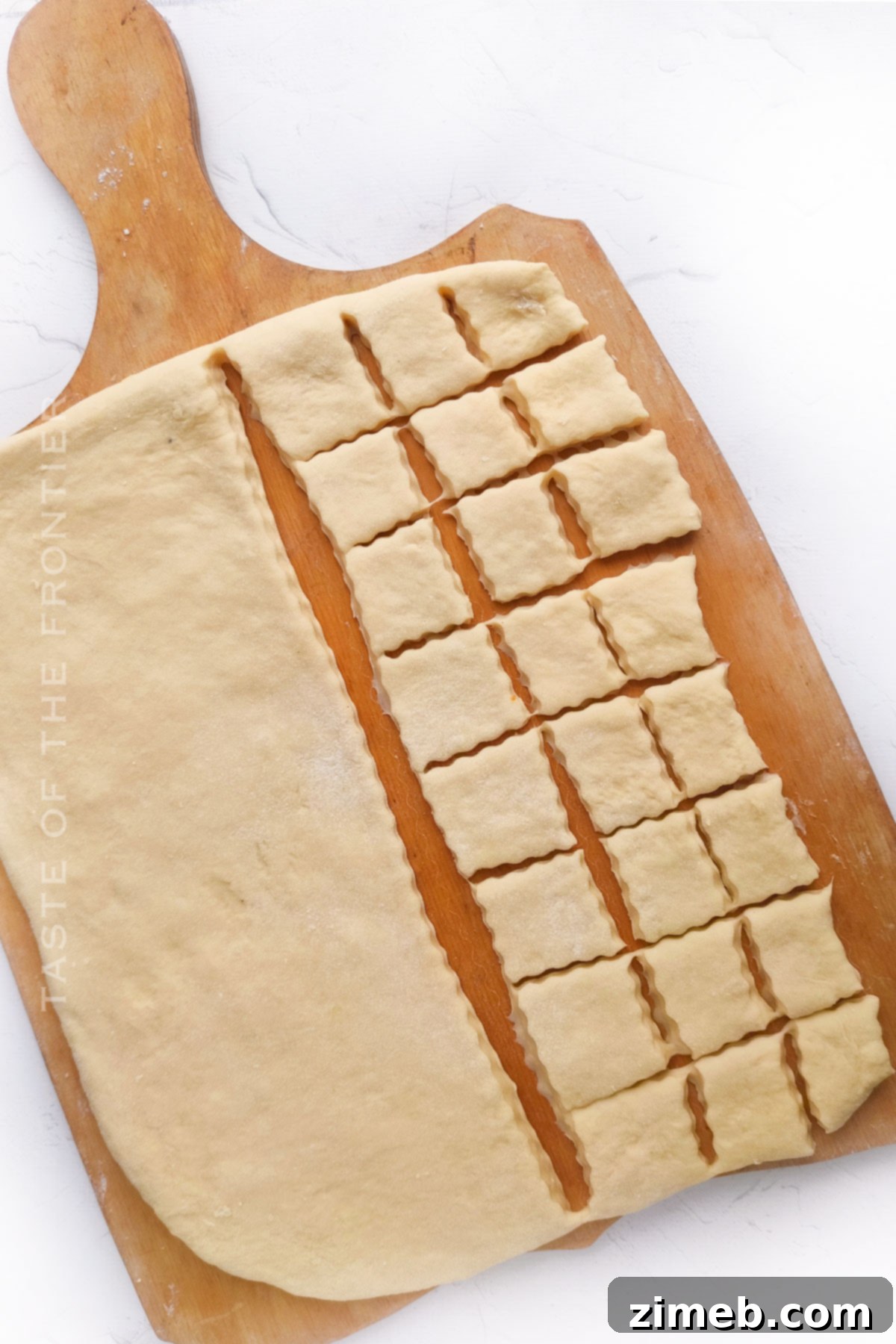
- Roll Out the Dough: Once risen, gently punch down the dough to release the air. Transfer it to a lightly floured surface. Using a rolling pin, roll the dough out evenly into a sheet approximately 1/4-inch (about 0.6 cm) thick. Ensure an even thickness for consistent frying.
- Cut the Beignets: With a sharp knife or a pizza cutter, carefully cut the rolled dough into 2.5-inch (about 6.3 cm) squares. You can re-roll any scraps, but be aware they might not be as tender as the first batch.
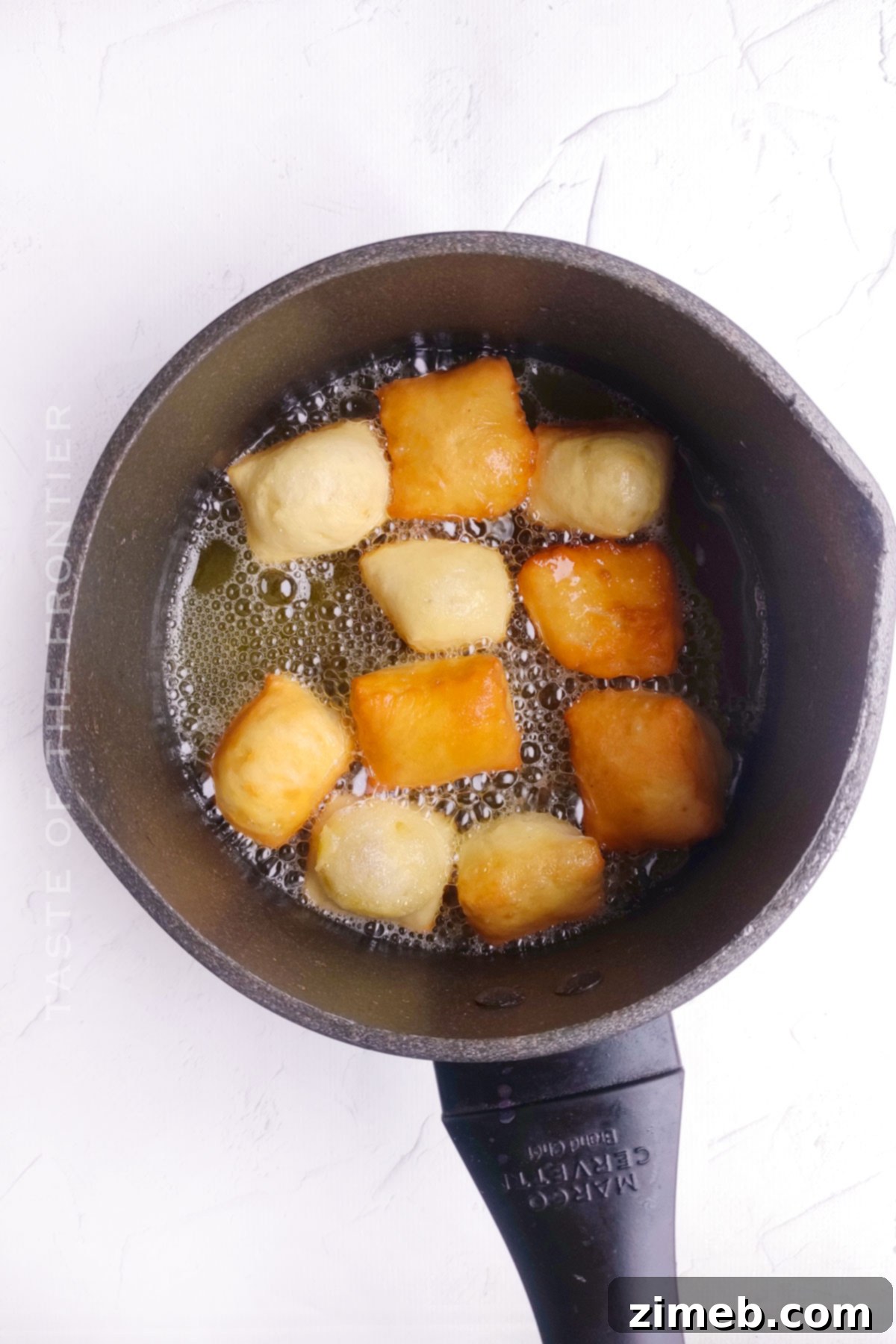
- Heat the Oil: Pour about 1-2 inches of vegetable oil into a large heavy-bottomed saucepan or Dutch oven. Heat the oil over medium-high heat until it reaches a temperature of 350-360°F (175-180°C). Use a candy thermometer to monitor the temperature accurately.
- Fry the Beignets: Carefully place 3-4 beignet squares into the hot oil, ensuring not to overcrowd the pan. Fry the beignets for about 30 seconds to 1 minute per side, or until they puff up beautifully and turn a rich golden brown. Using a slotted skimmer or tongs, flip them once to ensure even cooking. Once golden on both sides, transfer the finished doughnuts to a plate lined with several layers of paper towels to absorb any excess oil. Repeat with the remaining dough, making sure the oil returns to temperature between batches.
- Dust and Serve: Allow the fried beignets to cool for just a minute or two. While they are still warm, generously sprinkle them with confectioner’s sugar. The warmth helps the sugar adhere perfectly. Serve immediately and enjoy these fresh, fluffy delights!
Kitchen Supplies You’ll Need for Beignets Recipe
While you can certainly make beignets with minimal equipment, having the right tools can make the process much smoother and more enjoyable. I particularly recommend using a dough hook on a stand mixer if you have one, as it significantly eases the kneading process. However, don’t fret if you don’t; kneading by hand is entirely possible and just as effective, albeit a bit more of a workout!
- Large bowl or bowl of a stand mixer: Essential for mixing and rising the dough. A stand mixer with a dough hook makes kneading effortless.
- Rolling pin: To evenly roll out the dough to the correct thickness.
- Sharp knife or pizza cutter: For cleanly cutting the dough into uniform squares.
- Candy thermometer: Crucial for monitoring and maintaining the precise oil temperature, ensuring perfectly cooked beignets without being greasy or raw.
- Deep frying pan or Dutch oven: A sturdy, heavy-bottomed pan is ideal for safe and even frying.
- Slotted skimmer or spoon: For safely adding and removing beignets from the hot oil.
- Paper towels for draining: To line a plate and absorb excess oil from the freshly fried beignets.
What to Serve With Beignets Recipe
A warm, freshly dusted beignet is a truly satisfying treat, especially in the morning or as an indulgent snack. Its sweet, airy nature makes it a versatile pastry that pairs beautifully with a variety of beverages and accompaniments. You can probably already imagine the perfect partners for these delightful squares, but here are some classic and delightful suggestions to elevate your beignet experience.
- A hot cup of coffee or tea: The traditional pairing, especially strong black coffee or a chicory-infused coffee blend, cuts through the sweetness and complements the richness of the fried dough.
- Fresh fruit for a tangy contrast: Berries, sliced peaches, or a fruit salad offer a refreshing and slightly tart counterpoint to the sweet beignets, balancing the flavors.
- Chocolate saucefor dipping: For an extra layer of decadence, a rich chocolate dipping sauce adds a delightful depth and indulgence.
- A nice cold glass of whole milk for drinking and dunking: Simple, classic, and incredibly comforting, a glass of cold milk is perfect for soaking up the powdery sugar and enjoying the beignet’s flavor.
- Lemon curd or fruit preserves: A dollop of tangy lemon curd or your favorite fruit jam can add a wonderful burst of flavor and moisture.
Why You Should Make Beignets Recipe
Making beignets is more than just following a recipe; it’s an experience that enriches your culinary repertoire and brings a touch of unique culture into your home. It’s simply fun to explore foods from different traditions and regions, both within our country and across the globe. This beignet recipe is an excellent addition to any recipe box, promising deliciousness and delightful memories.
- Delicious Anytime: Beignets are incredibly versatile, perfect for breakfast, a delightful dessert, or a sweet snack any time of day. Their light texture and sweet coating make them universally appealing.
- Fun to Make: The process of preparing beignets is a wonderful baking project, engaging and rewarding for cooks of all ages. It’s an activity that the whole family can enjoy together, from kneading the dough to dusting the finished treats.
- New Orleans Charm: With every bite, you bring the vibrant, rich culinary tradition of French settlers’ authentic beignets directly to your home. It’s a taste of history and culture without leaving your kitchen.
- Versatile Treat: Whether you’re hosting a casual brunch, celebrating a special occasion, or simply treating yourself, beignets are a perfect fit. They adapt wonderfully to any setting, always bringing a smile.
- Impressive Yet Simple: Despite their sophisticated appearance and delightful taste, beignets are surprisingly simple to make, making them an impressive dish for guests that doesn’t require advanced culinary skills.
Variations and Add-Ins for Beignets Recipe
While the classic powdered sugar beignet is undeniably perfect, there’s always room for a little culinary creativity! If you consider yourself a beignets expert or have unique twists on this traditional recipe, I’d absolutely love to hear about them in the comments below. In the meantime, here are a few exciting variations and delightful add-ins to inspire your next batch of homemade beignets.
- Chocolate Twist: For a truly decadent surprise, add a small dollop of chocolate hazelnut spread or a square of your favorite chocolate in the center of each dough square before frying. The chocolate will melt into a warm, gooey core.
- Vanilla Flavor: Enhance the aromatic profile by mixing 1-2 teaspoons of pure vanilla extract into the dough along with the wet ingredients. This imparts a subtle yet rich vanilla flavor that beautifully complements the sweetness.
- Cinnamon Sugar: For a cozy, spiced alternative to plain powdered sugar, swap it out for a delightful cinnamon sugar mix. Combine 1/2 cup granulated sugar with 1-2 teaspoons of ground cinnamon and dust generously over the warm beignets.
- Citrus Zest: Add a bright, refreshing dimension to your beignets by incorporating 1 tablespoon of finely grated lemon or orange zest into the dough. The citrusy aroma and slight tang provide a wonderful fresh twist.
If you love this beignets recipe, you’re going to love these other Mardi Gras-inspired recipes too. Please click each link below to find the easy, printable recipe!
Chocolate Beignets
Indulge in the irresistible decadence of our Chocolate Beignets – a delightful fusion of fluffy dough and rich chocolate goodness.
Check out this recipe
Spicy Mac and Cheese
Spicy Mac and Cheese, otherwise known as Cajun Mac and Cheese, brings a delicious heat and flavor to your standard homemade mac and cheese.
Check out this recipe

Boudin King Cake
Boudin King Cake is a savory twist on the classic Mardi Gras tradition. It blends the rich flavors of authentic Louisiana boudin sausage with the sweet allure of traditional king-cake pastry.
Check out this recipe

Cajun Turkey Breast
Spice up your holiday with this easy-to-make Cajun Turkey Breast recipe roasted in the oven to juicy perfection. It’s positively delicious!
Check out this recipe

More Fried Dough Recipes
If you have a love for beignets, chances are you’ll enjoy these other delightful fried dough recipes. Each offers a unique texture and flavor profile, perfect for satisfying any sweet craving or exploring different culinary traditions.
- Air Fryer Doughnut Holes with Chocolate Sauce: A healthier, yet equally delicious, take on classic doughnut holes.
- Homemade Apple Fritters Recipe: Irregularly shaped, crispy fritters packed with tender apple pieces and a sweet glaze.
- Struffoli: A traditional Italian dessert featuring small balls of fried dough piled high and drizzled with honey.

CONNECT WITH YUMMI HAUS!
Be sure to follow me on my social media, so you never miss a post!
Substack, FB, Pinterest, IG, Email Subscription


Beignets Recipe
Transform your kitchen into a taste of New Orleans with this irresistible Beignets Recipe. Crispy on the outside, and pillowy soft on the inside – these homemade beignets are a celebration of flavor and tradition.
Pin Recipe
Ingredients
For Frying
- 1 cup frying oil
For the Dough
- ¾ cup milk – room temperature
- 3 tablespoons granulated sugar
- 1½ tsp active dry yeast
- Pinch salt
- 1 egg – room temperature
- 2 tablespoons butter – room temperature
- 1¾ cup all-purpose flour
For Topping
- ¾ cup confectioner’s sugar
Instructions
- Combine milk, sugar, yeast, and salt in a bowl.
- Beat the egg into the dry mixture, and then add the soft butter. Lightly beat the mixture with a fork.
- Add the sifted flour in batches. Knead into a soft, (slightly sticky) dough.
- Roll the dough into a ball and place it in a greased bowl. Cover the bowl with plastic wrap. Make 5-6 holes in the plastic wrap with a toothpick. Leave the dough in a warm place to rise for 1 hour. The dough should increase in volume by 2 times.
- Roll out the dough into a 1/4-inch thick sheet.
- Cut into 2.5-inch squares.
- Heat the oil in a saucepan.
- Fry the beignets until golden, about one minute. Using a slotted skimmer, transfer the finished doughnuts to a plate lined with several layers of paper towels to absorb excess oil.
- Let cool and sprinkle generously with confectioner’s sugar.
Nutrition
Nutritional information for the recipe is provided as a courtesy and is approximate. Please double-check with your own dietary calculator for the best accuracy. We at Yummi Haus cannot guarantee the accuracy of the nutritional information given for any recipe on this site.
Love this recipe?
Follow @KleinworthCo for even more tasty recipes!