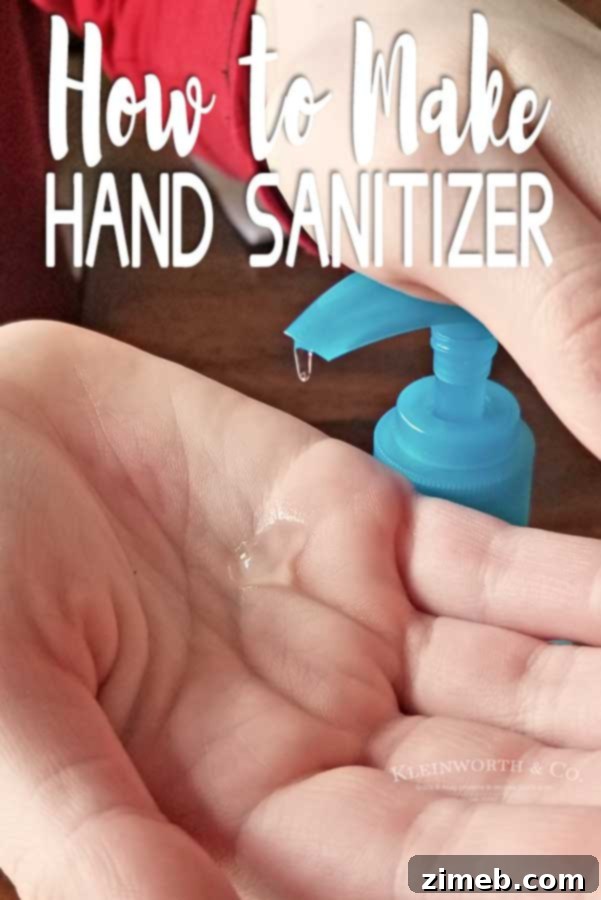
Creating your own DIY Hand Sanitizer offers a practical and customizable solution for maintaining hand hygiene, whether you prefer an alcohol-based formula or a natural alternative. This comprehensive guide provides step-by-step instructions for crafting effective sanitizing gels and sprays, allowing you to be prepared wherever you go.
The Indispensable Role of Hand Hygiene
In our daily lives, we are constantly exposed to countless germs, bacteria, and viruses. While nothing truly replaces the thoroughness of washing your hands with warm water and soap for at least 20 seconds, there are many situations where soap and water aren’t readily available. From busy commutes and public spaces to outdoor adventures and quick errands, a reliable hand sanitizer becomes an essential tool in your defense against unseen threats.
Recent global events have highlighted the critical importance of hand sanitizers and, at times, led to shortages of commercial products. This makes knowing how to craft your own homemade versions not just a cost-effective skill, but a vital one for personal and family health. By making your own, you gain control over the ingredients, ensuring they meet your specific needs and preferences, whether that’s avoiding certain chemicals or simply having a readily available supply.
Understanding Effective Hand Sanitization
The CDC Standard: Alcohol-Based Formulas
The Centers for Disease Control and Prevention (CDC) recommends hand sanitizers containing at least 60% alcohol (ethanol or isopropyl alcohol) for effective germ killing. Our alcohol-based recipe aligns with this recommendation, using rubbing alcohol to achieve the necessary concentration. Alcohol works by denaturing proteins and dissolving the lipid membranes of bacteria and viruses, effectively inactivating them. The higher the concentration, typically 70% or 90%, the more potent the germ-killing action. While 90% isopropyl alcohol is highly effective, it can also be more drying to the skin. Balancing efficacy with skin comfort is key.
This post contains some affiliate links. Click here to read my full disclosure policy.
Exploring Natural and Non-Toxic Alternatives
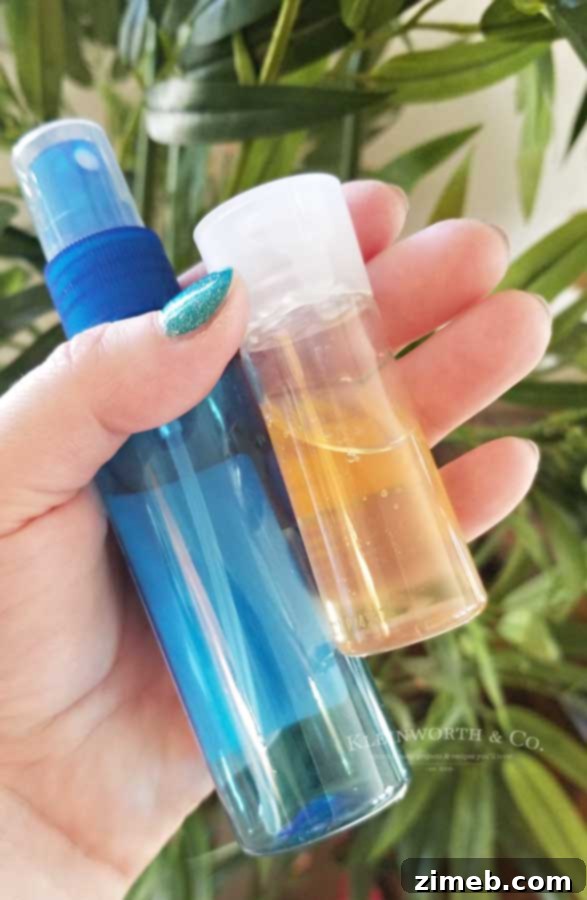
For those who prefer to avoid harsh chemicals, or when rubbing alcohol is scarce, natural and non-toxic hand sanitizer options offer a compelling alternative. While these methods may not meet the CDC’s alcohol concentration guidelines, many individuals and alternative health practitioners believe certain essential oils possess powerful antimicrobial properties that can help purify hands. Our guide includes recipes for both a non-toxic spray and gel, providing versatile choices for everyone. These recipes leverage the natural potency of specific essential oils known for their purifying qualities.
Frequently Asked Questions About DIY Hand Sanitizer
Does the Percentage of Isopropyl Alcohol Matter?
Absolutely. If you opt for an alcohol-based hand sanitizer, it’s crucial to use rubbing alcohol (isopropyl alcohol) with a concentration of at least 70%. This ensures adequate germ-killing effectiveness as per health authority recommendations. While 90% isopropyl alcohol is also effective, be aware that it can be significantly more drying to your hands. Always aim for at least 70% to maximize efficacy.
Are All Essential Oils Suitable for Hand Sanitizer?
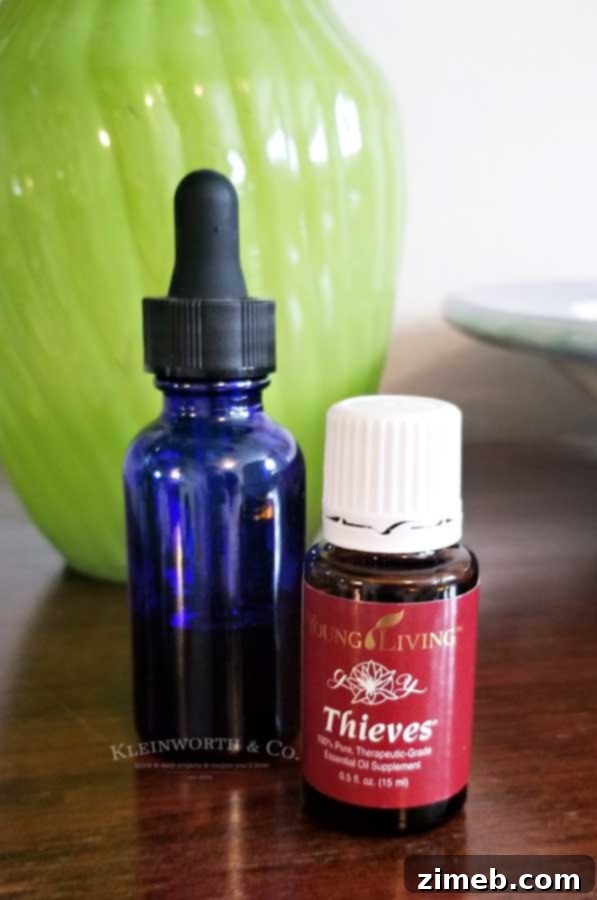
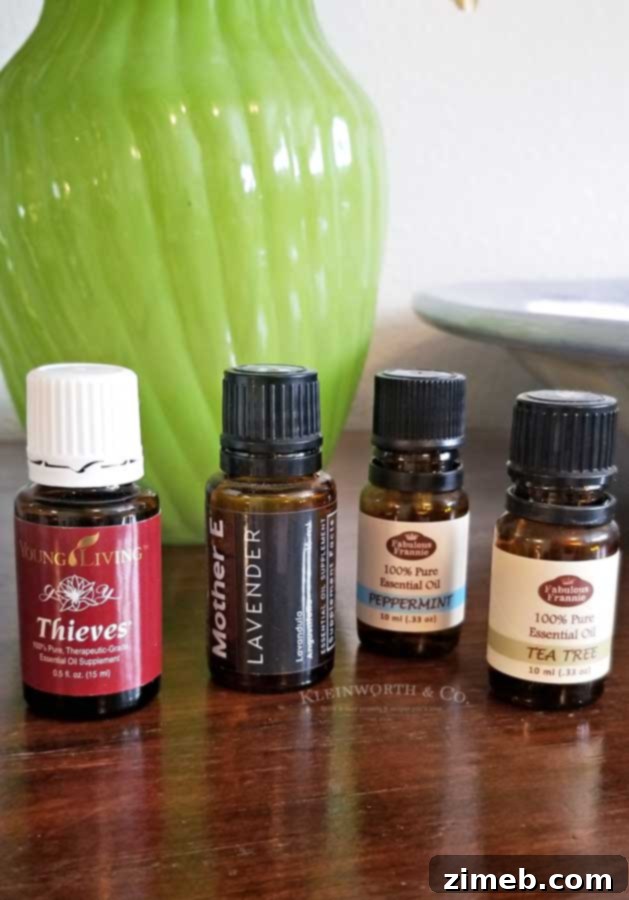
No, the choice of essential oils is highly important. When working with essential oils, remember they are potent and require proper dilution. Never apply them directly to your skin without a carrier oil or by mixing them into your hand sanitizer formula. For their purifying properties, specific essential oils are recommended, including Thieves blend, lavender, thyme, peppermint, clove, cinnamon, rosemary, and eucalyptus. These oils are widely recognized for their potential antimicrobial benefits. Other essential oils, such as orange or lemon, while lovely for scent, may not offer the same purifying qualities for this specific application. Stick to the recommended oils to achieve the desired effect.
Where Can I Find Ingredients for Homemade Hand Sanitizer?
Due to fluctuating availability, especially during periods of high demand, finding all ingredients can sometimes be a challenge. However, most items can be sourced from local pharmacies, health food stores, or online retailers. To assist you, we’ve compiled a list of recommended online products later in this article, which can help you identify exactly what you need and where to purchase it.
Is Vitamin E Oil Essential, or Are There Alternatives?
While Vitamin E oil is an excellent choice for its nourishing properties and relatively low cost, it is not strictly essential. You can easily substitute it with other beneficial carrier oils such as castor oil, jojoba oil, or almond oil. These alternatives also provide skin conditioning benefits, helping to counteract the drying effects of some sanitizer ingredients, especially alcohol.
How Should I Store Homemade Hand Sanitizer?
Proper storage is key to maintaining the efficacy and shelf life of your homemade hand sanitizer. For alcohol-based versions, glass or plastic tubes, bottles, or jars are suitable. However, for non-toxic, essential oil-based formulations, it’s best to use dark glass containers (such. as amber or cobalt blue). This helps protect the delicate essential oils from light degradation, preserving their potency over time.
What is the Best Way to Use Hand Sanitizer?
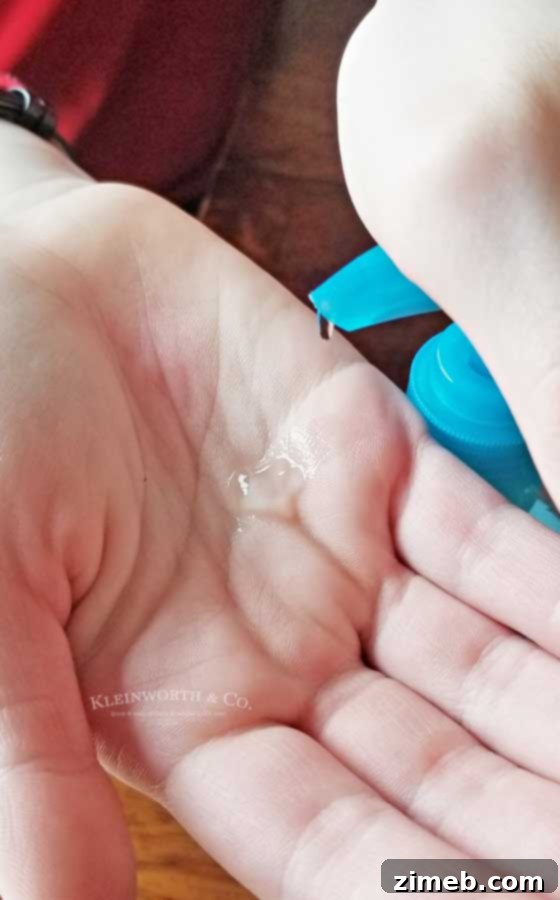
Though it may seem straightforward, proper application maximizes effectiveness. Dispense a nickel-to-quarter-sized amount of gel or spray into the palm of one hand (adjusting for hand size). Rub your palms together, ensuring the sanitizer thoroughly covers all surfaces of your hands, including between your fingers and the backs of your hands. Continue rubbing until your hands are completely dry. Avoid touching other surfaces or your face until the sanitizer has fully evaporated.
Crucial Hand Sanitizer Tip: Safety and Limitations
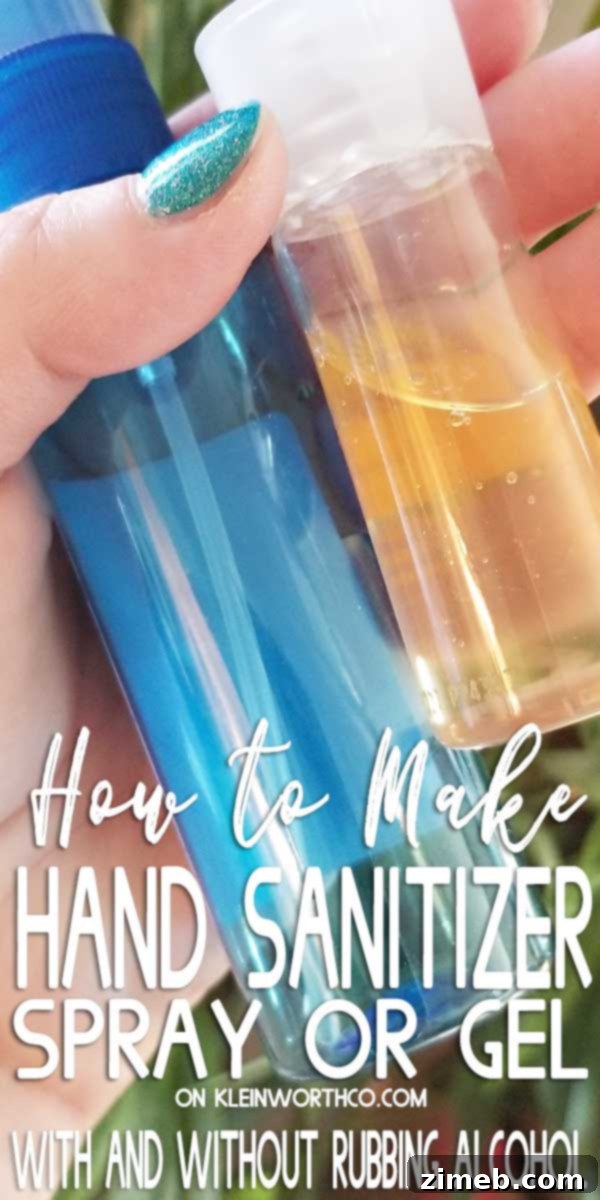
Always remember: hand sanitizer is for external use only. It is intended to sanitize your hands when washing with soap and water is not an option. It is important to understand that hand sanitizer does not eliminate 100% of all germs 100% of the time. It is a supplemental hygiene measure, not a complete replacement for proper infection control. Continue to take precautions such as limiting exposure to contaminated surfaces, regularly cleaning high-touch areas, and washing your hands thoroughly whenever possible. Keep hand sanitizer out of reach of children and never ingest it.
Best Cleaning Practices for Illness Prevention
Beyond hand hygiene, maintaining a clean environment is vital, especially during illness. Regularly disinfecting frequently touched surfaces like doorknobs, light switches, countertops, and electronic devices can significantly reduce germ transmission. For household cleaning, particularly in areas frequented by pets, specialized disinfectants can be highly effective. Products like CaviWipes Metrex Disinfecting Towelettes and KennelSol are excellent for broad-spectrum cleaning and disinfecting, helping to create a healthier home environment for both humans and pets.
DIY Hand Sanitizer Recipes: Gels and Sprays
Making your own hand sanitizer is surprisingly simple and allows you to always have a fresh batch on hand. Here are the instructions for three different effective formulas:
1. DIY Alcohol-Based Hand Sanitizer (Gel Version)
This recipe uses rubbing alcohol to meet the CDC’s recommended alcohol content for effective germ killing. Aloe vera gel helps to soothe and moisturize the skin, preventing excessive dryness.
Ingredients:
- 2/3 cup rubbing alcohol (at least 70% isopropyl alcohol)
- 1/3 cup aloe vera gel or vegetable glycerine
Instructions:
- In a clean bowl, combine the rubbing alcohol and aloe vera gel (or vegetable glycerine).
- Stir thoroughly for several minutes until the ingredients are completely blended and a consistent gel forms.
- Carefully transfer the mixture into clean, empty pump bottles or squeeze tubes. Label clearly.
- Store at room temperature away from direct sunlight.
2. DIY Non-Toxic Hand Sanitizer (Spray Version)
This natural spray utilizes the potent purifying properties of Thieves essential oil, known for its blend of protective essences. Distilled water ensures purity, and sea salt helps to emulsify the oils.
Ingredients:
- 10 drops Thieves essential oil
- 1/4 teaspoon sea salt
- Distilled water (enough to fill a 2-ounce spray bottle)
Instructions:
- In a clean 2-ounce dark glass spray bottle, add the sea salt.
- Add the 10 drops of Thieves essential oil to the bottle.
- Gently swirl the bottle to allow the essential oil to absorb into the salt for about 5 minutes. This helps disperse the oil evenly.
- Fill the remainder of the bottle with distilled water, leaving a small headspace for the sprayer.
- Attach the sprayer cap securely and shake well before each use. Store in a cool, dark place.
3. DIY Non-Toxic Hand Sanitizer (Gel Version)
This gel combines the cleansing power of tea tree oil with other purifying essential oils, all suspended in a moisturizing base of aloe gel and vitamin E oil. This option offers a gentle yet effective way to purify hands.
Ingredients:
- 2 drops tea tree oil
- 3 drops of purifying essential oil (choose one: lavender, thyme, peppermint, clove, cinnamon, rosemary, eucalyptus, or Thieves blend)
- 1 tablespoon liquid base (choose one: distilled water, witch hazel, rubbing alcohol, or vodka)
- 3 tablespoons aloe vera gel or vegetable glycerine
- 1 teaspoon vitamin E oil (or jojoba oil, castor oil, almond oil)
Instructions:
- In a clean mixing bowl, combine the tea tree oil and your chosen essential oil with the liquid base (water, witch hazel, alcohol, or vodka). Stir gently to disperse the oils.
- Add the aloe vera gel (or vegetable glycerine) and vitamin E oil (or alternative carrier oil) to the mixture.
- Stir thoroughly until all ingredients are well combined and the gel has a smooth, consistent texture.
- Transfer the homemade gel into clean, dark glass containers (pump bottles or squeeze tubes are ideal) to protect the essential oils from light. Label clearly.
- Store in a cool, dark place.
Recommended Supplies for Your DIY Hand Sanitizer Projects
To make these homemade hand sanitizer recipes, you’ll need a few key items. This list covers everything for all versions, making it easy to gather your supplies:
- Aloe Vera Gel: Essential for moisturizing in gel formulas.
- Vegetable Glycerine: A great alternative to aloe vera for skin hydration.
- Rubbing Alcohol (Isopropyl Alcohol): For the alcohol-based recipe, ensure it’s at least 70%.
- Thieves Essential Oil: A powerful blend for non-toxic sprays and gels.
- Distilled Water: Crucial for purity in spray formulations.
- Sea Salt: Helps disperse essential oils in sprays.
- Tea Tree Oil: A key essential oil for its purifying properties.
- Other Purifying Essential Oils:
- Lavender Essential Oil
- Thyme Essential Oil
- Peppermint Essential Oil
- Clove Essential Oil
- Cinnamon Essential Oil
- Rosemary Essential Oil
- Eucalyptus Essential Oil
- Witch Hazel: A gentle liquid base for non-toxic formulations.
- Vitamin E Oil: For skin nourishment and antioxidant benefits.
- Alternative Carrier Oils:
- Jojoba Oil
- Castor Oil
- Almond Oil
- Glass Bottles: Ideal for essential oil-based sanitizers to protect potency.
- Sprayers: For creating convenient sanitizing sprays.
- Plastic Bottles: Suitable for alcohol-based gels and for portability.
More Essential Cleaning and Home Organization Tips
If you found this DIY hand sanitizer tutorial helpful, you’ll love these other practical tips for keeping your home sparkling clean and organized. From seasonal deep cleaning to daily routines, these resources will empower you to maintain a pristine living space with ease.
Top 5 Must-Have Spring Cleaning Items
How to Clean in Just a Few Minutes a Day

How to Clean White Wall Tires
Share Your DIY Hand Sanitizer Success!
We hope this comprehensive guide inspires you to create your own homemade hand sanitizer. Whether you choose an alcohol-based formula for maximum germ protection or a natural, essential oil blend for a gentler approach, having a reliable supply of hand sanitizer is a smart move for personal hygiene. If you love this DIY Hand Sanitizer tutorial and find it useful, please help us spread the word by sharing it on Facebook and Pinterest! Your shares help others discover these valuable health and home tips.
CONNECT WITH KLEINWORTH & CO!
Be sure to follow me on my social media channels, so you never miss a post!
Facebook, Pinterest, Instagram, Email Subscription