
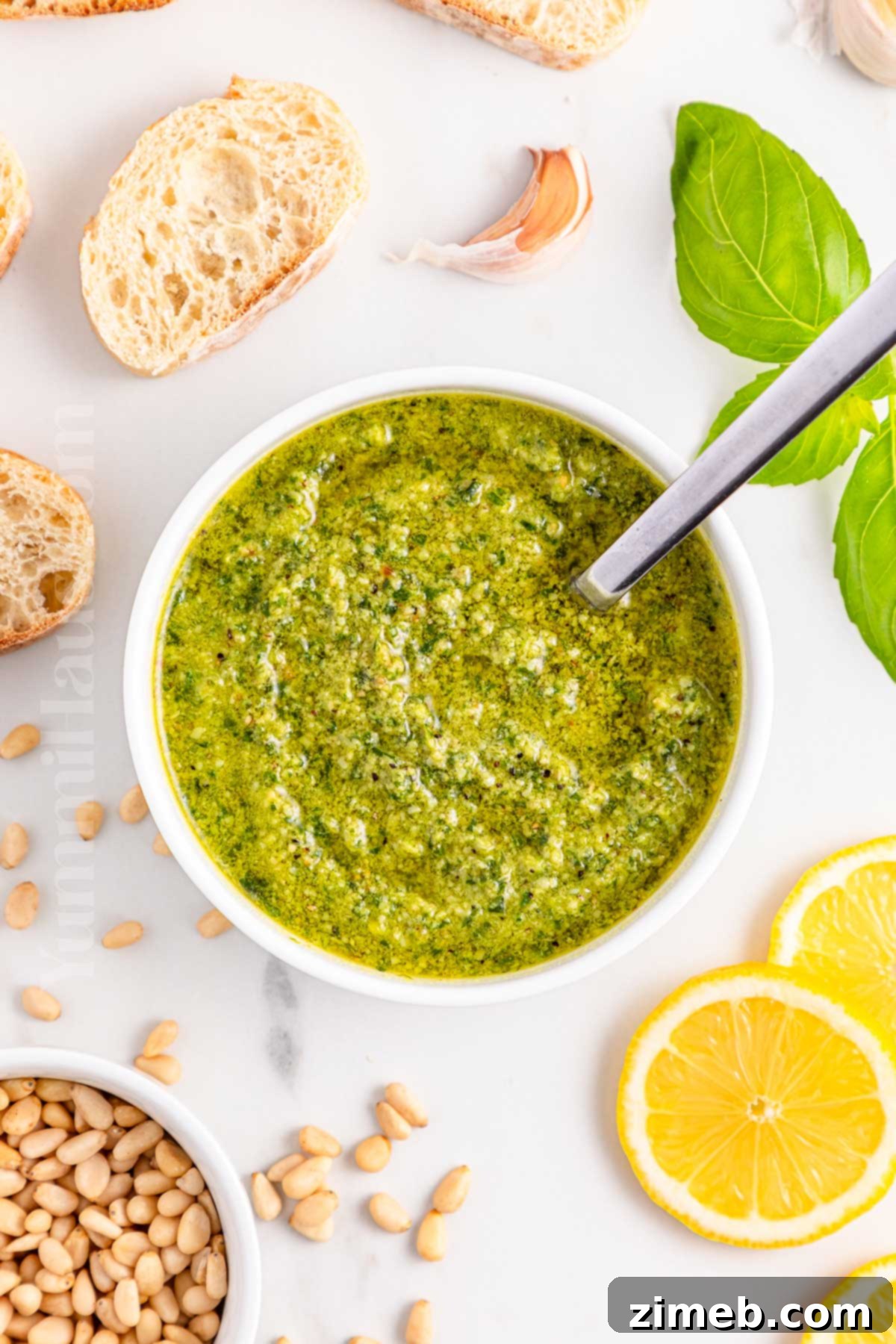
Homemade Basil Pesto Sauce: The Ultimate Guide to Fresh, Flavorful Pesto
Say goodbye to bland, store-bought pesto! This incredibly simple and aromatic homemade basil pesto recipe is your secret weapon for transforming everyday meals into extraordinary culinary experiences. Elevate your pasta dishes, add a burst of flavor to grilled steak, liven up salads, or simply spread it on warm toast for a delightful snack. This vibrant green sauce is far more satisfying when made from scratch, offering a freshness that commercial varieties simply cannot match.
Known traditionally as Pesto alla Genovese, this classic Italian condiment hails from Genoa and is a staple in Mediterranean cuisine. Its uses are virtually limitless, gracing everything from hearty pizzas to light appetizers. Beyond its undeniable deliciousness, homemade pesto is surprisingly light, packed with healthy fats and antioxidants, and astonishingly easy to prepare. With just a few fresh ingredients and a food processor, you’re mere minutes away from a truly authentic taste of Italy.
The Pesto Perfection: What Makes This Recipe Special
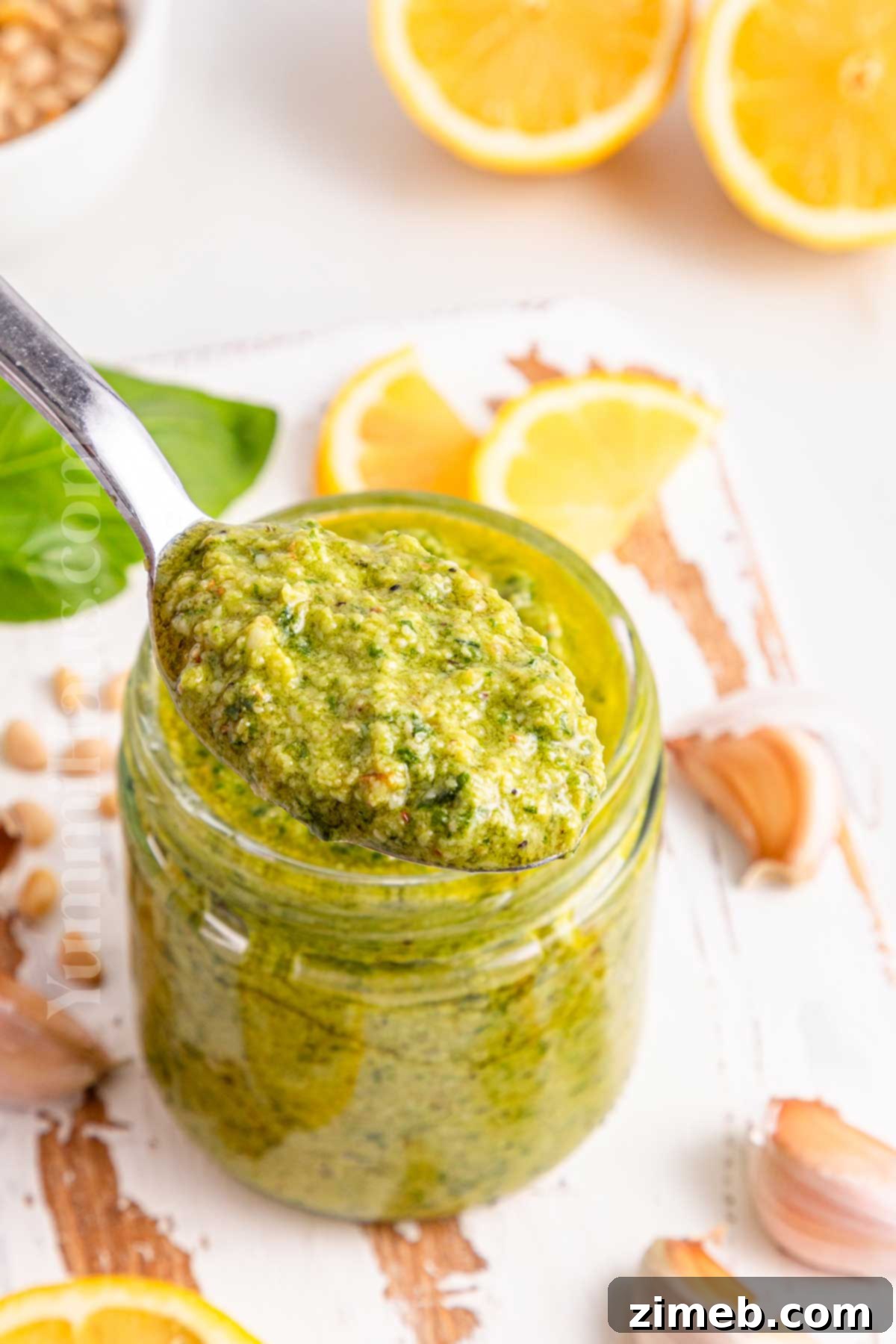
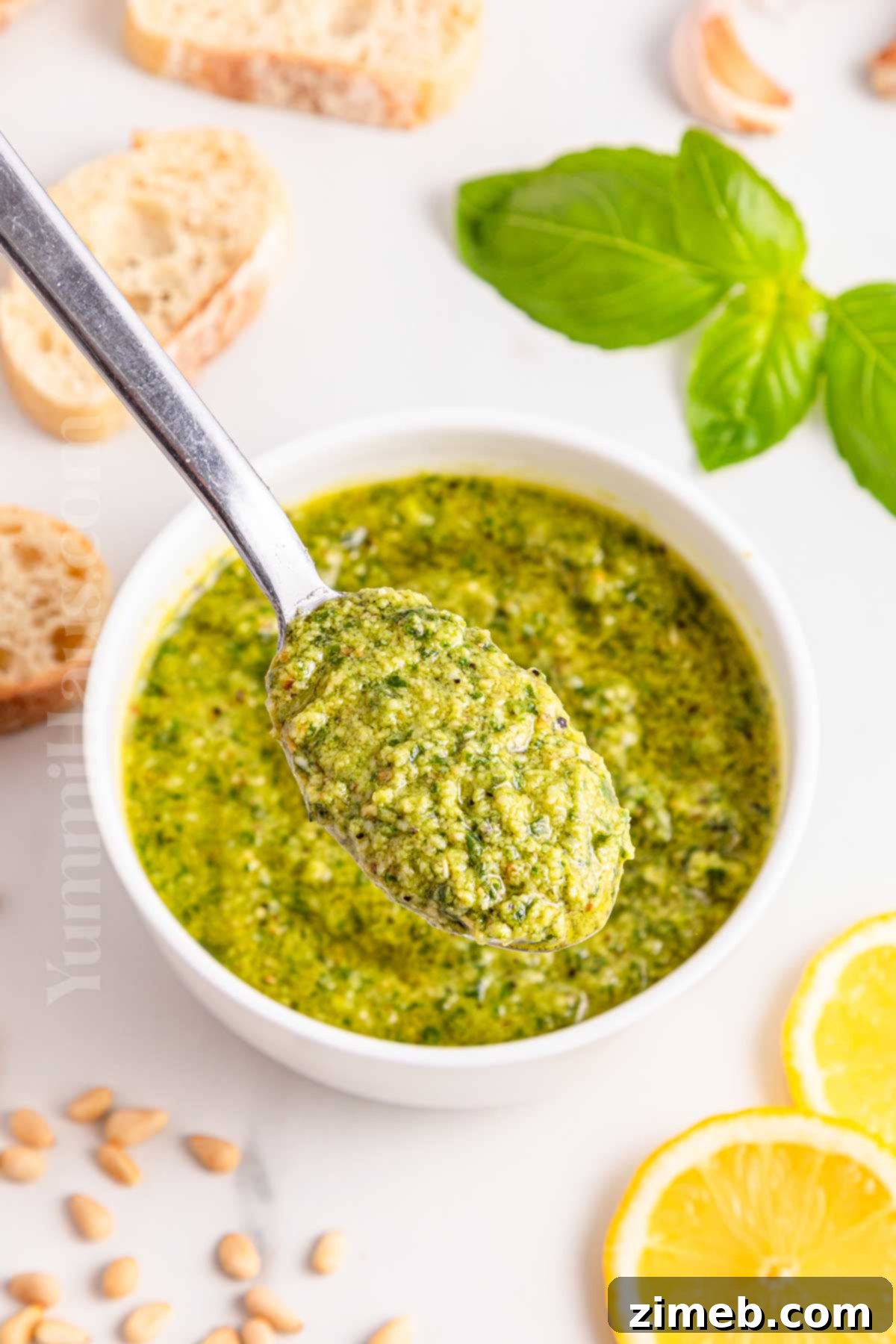
Texture: Expect a luxuriously smooth yet slightly coarse, spreadable consistency that is utterly satisfying. It’s perfect for drizzling over warm dishes, tossing with fresh pasta, or dolloping onto vibrant salads.
Taste: Prepare for an explosion of bright, herbaceous flavors, perfectly balanced with a rich nutty undertone and a hint of zesty citrus. The aroma of fresh basil alone is enough to transport you to an Italian summer!
Ease: This recipe is incredibly beginner-friendly, requiring minimal effort. With a food processor doing most of the work, you’re just a few pulses away from gourmet pesto.
Versatility: Fresh, vibrant, and infinitely adaptable, this pesto elevates countless dishes with minimal fuss, proving that homemade truly is best.
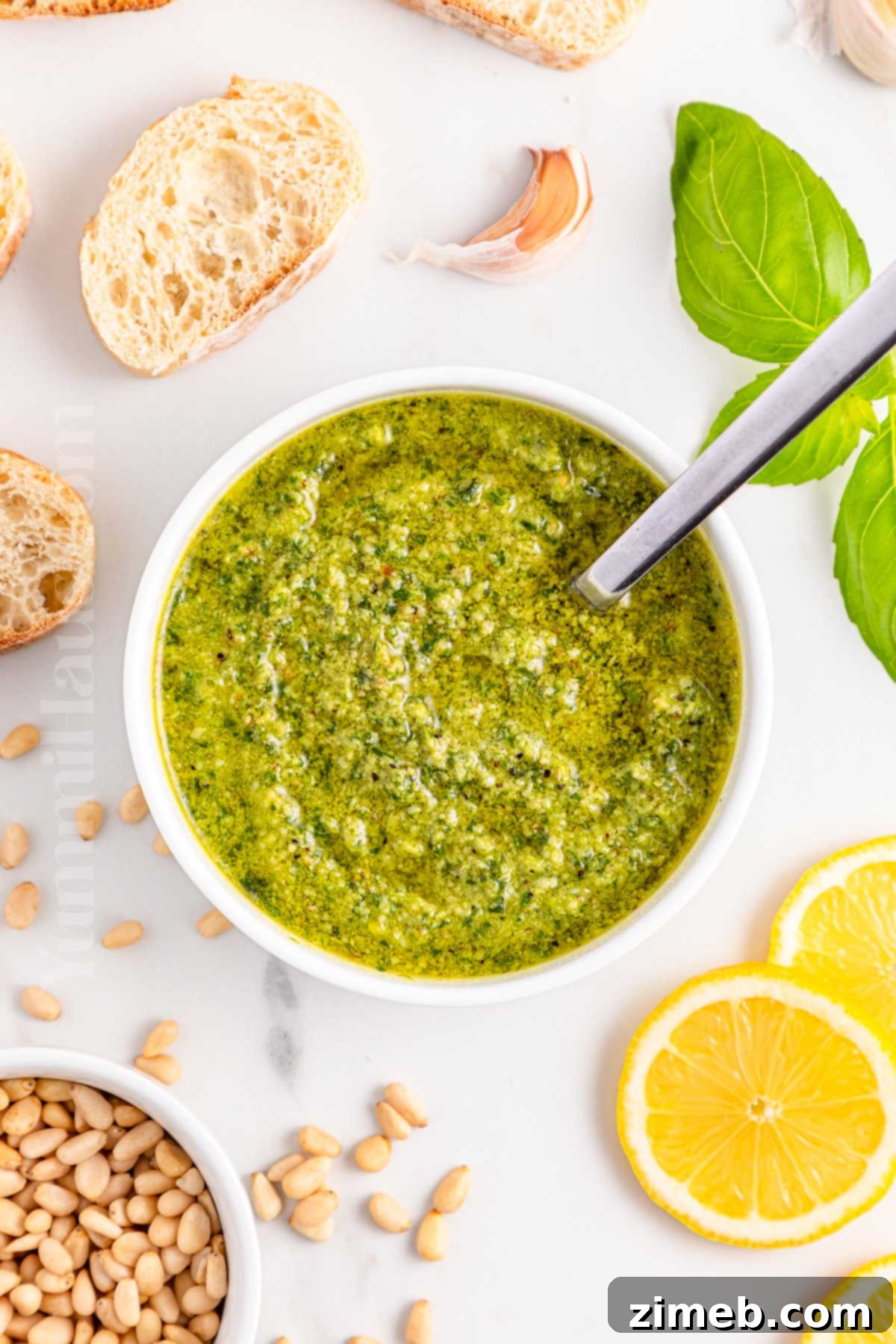
Crafting the perfect homemade basil pesto is simpler than you might imagine, especially when you follow a few expert tips. My foremost recommendation is to dedicate an extra 3-5 minutes to lightly toasting your pine nuts before combining them with the other ingredients. This crucial step unlocks a deeper, richer, and more complex nutty flavor that truly distinguishes homemade pesto from any store-bought alternative. Furthermore, adhering to the specific order of steps, particularly adding the Parmesan cheese at the very end, ensures the ideal texture and vibrant green color.
Understanding Pesto: History, Origin, and Key Characteristics
Pesto, derived from the Italian verb “pestare,” which means “to crush” or “to pound,” perfectly describes its traditional preparation method. Historically, this iconic sauce was made by grinding ingredients with a mortar and pestle – a slow, deliberate process that gently bruised the basil leaves and released their aromatic oils. While modern food processors have expedited the process, the essence of “crushing” remains. Originating in the Liguria region of Italy, specifically Genoa, Pesto alla Genovese is the most renowned variation, globally celebrated for its simple yet powerful flavor profile.
At its heart, authentic Genovese pesto is a raw, no-cook sauce composed of just a few core ingredients: fresh basil leaves, aromatic pine nuts, pungent garlic, hard Italian cheese (typically Parmigiano-Reggiano), and high-quality extra virgin olive oil. The magic lies in the freshness of these components and their harmonious blend. This bright green condiment not only imparts an incredibly fresh and herbaceous flavor to dishes but also delivers a nutritional punch, offering a generous dose of healthy monounsaturated fats from the olive oil and pine nuts, along with beneficial antioxidants.
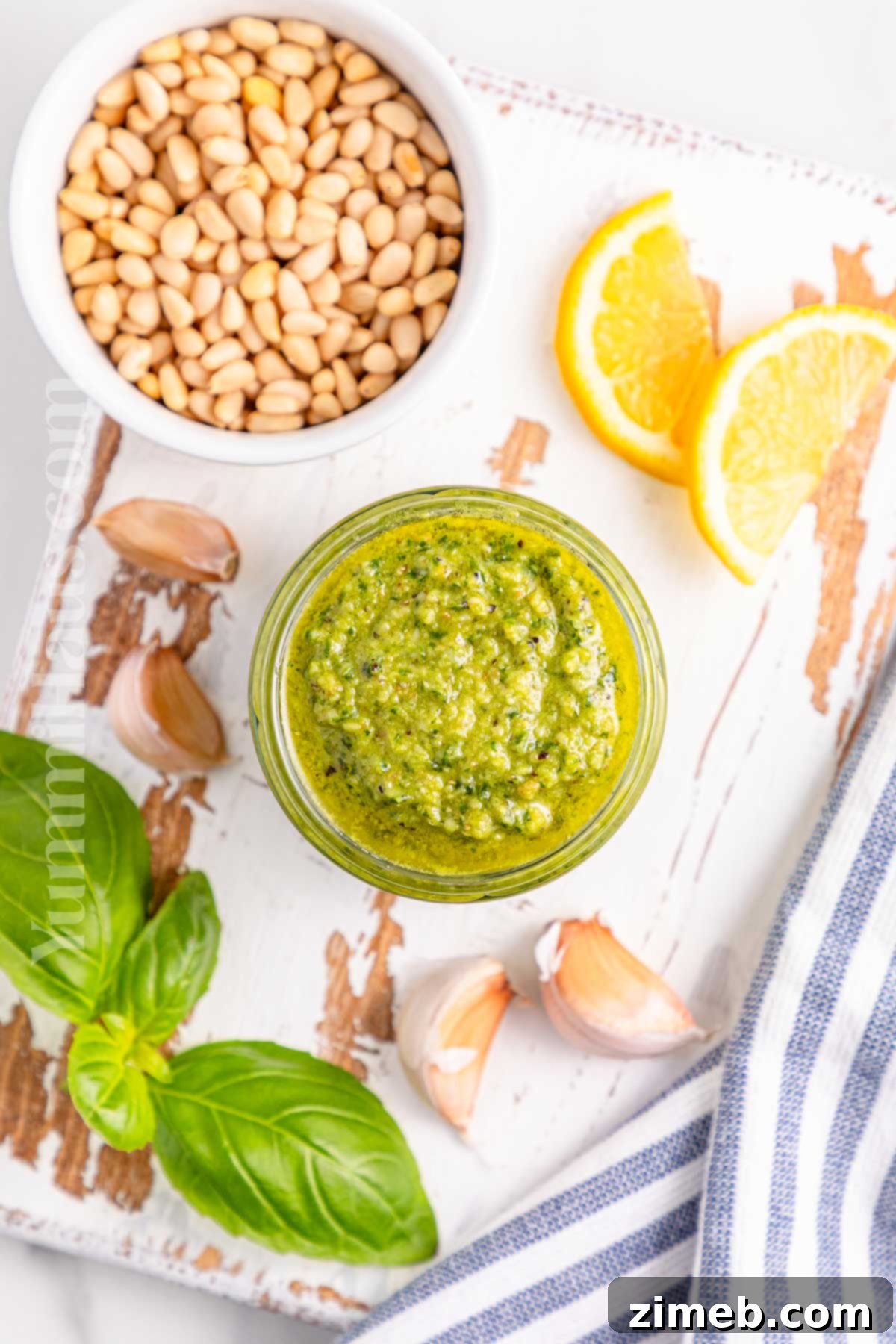
Why You’ll Fall in Love with This Homemade Pesto Recipe
Discover the myriad reasons why this simple homemade basil pesto will quickly become a cherished staple in your kitchen:
- Lightning Fast Preparation: In just 15 minutes, you can whip up a batch of vibrant, fresh basil pesto that’s ready to elevate your meals. It’s the perfect solution for busy weeknights when you crave gourmet flavor without the fuss.
- Unmatched Versatility: This isn’t just a pasta sauce. Its incredible flavor profile allows it to be used in countless ways – from enhancing proteins like chicken and fish to being a delicious spread for sandwiches, a dip for vegetables, or a flavorful addition to scrambled eggs. It’s the ultimate pantry powerhouse.
- Garden-Fresh Goodness: If you’re a home gardener, this recipe is a dream come true. Utilize your fresh basil bounty to create a sauce bursting with the authentic taste of summer. Even if you buy your basil, the difference in freshness compared to store-bought pesto is undeniable.
- Superior Flavor & Quality: Once you taste the bright, aromatic, and nuanced flavors of homemade pesto, you’ll find it nearly impossible to go back to commercially jarred versions. The vibrant color and intense fresh basil aroma are simply unparalleled, making every bite a delightful experience.
- Healthy and Wholesome: Made with natural, minimally processed ingredients, this pesto is rich in antioxidants, vitamins, and healthy fats from olive oil and pine nuts. It’s a flavorful way to add nutritional value to your diet.
- Cost-Effective: Making pesto from scratch can often be more economical than purchasing high-quality store-bought versions, especially if you have access to fresh basil. You get premium taste without the premium price tag.
Essential Ingredients for Perfect Basil Pesto
Crafting exceptional pesto begins with selecting the finest ingredients. While exact quantities are detailed in the recipe card below, here’s a closer look at what you’ll need and why each component is crucial:
- Pine Nuts: These buttery, rich nuts are a cornerstone of traditional pesto. While raw pine nuts work, I highly recommend a quick toast in a dry skillet. This simple step amplifies their naturally sweet, nutty flavor, adding an incredible depth to your pesto. Pine nuts are also packed with healthy oils and a satisfying texture.
- Fresh Basil Leaves: The heart and soul of Genovese pesto. Choose vibrant, unblemished basil leaves, ideally smaller ones, which tend to be more tender and flavorful. Always wash your basil gently in cold water; avoid soaking as it can bruise the delicate leaves. Ensure they are thoroughly dry before processing to prevent a watery pesto.
- Lemon: Freshly squeezed lemon juice brightens the overall flavor profile and helps maintain the pesto’s vivid green color by slowing down oxidation. A touch of grated lemon zest adds an extra layer of fragrant citrus aroma, elevating the sauce further.
- Garlic: Essential for that signature pungent kick. Use fresh garlic cloves; their intensity can be adjusted to your preference. For a milder garlic flavor, consider using roasted garlic instead of raw.
- Extra Virgin Olive Oil: The quality of your olive oil genuinely matters here. Since pesto is a raw sauce, the olive oil’s flavor comes through prominently. Opt for a good quality extra virgin olive oil with a fruity, slightly peppery profile for the best results.
- Parmesan Cheese: Authentic Parmigiano-Reggiano is the traditional choice, offering a salty, umami-rich depth. For optimal flavor and texture, always buy a block and finely grate it fresh just before adding it to the pesto. Pre-grated cheeses often contain anti-caking agents that can affect consistency. If you’re following a vegan diet, you can omit the cheese or substitute it with nutritional yeast for a savory, cheesy essence.
- Salt and Black Pepper: Season to taste. These essentials enhance all the other flavors, bringing balance and brightness to the pesto. Freshly ground black pepper offers a superior aroma.
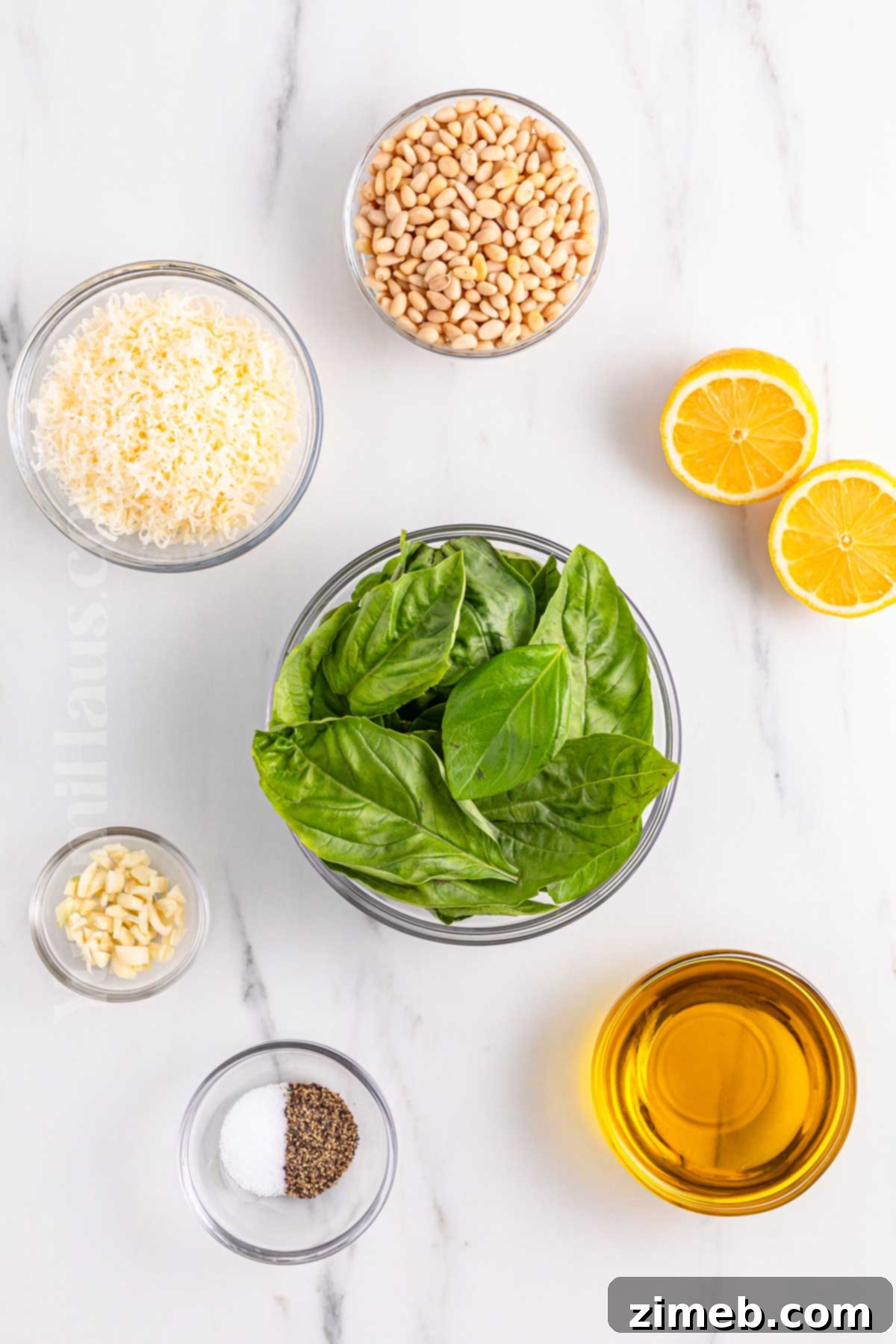
Essential Kitchen Tools for Pesto Perfection
Making homemade pesto is a breeze with the right equipment:
- Food Processor: While traditionally made with a mortar and pestle, a food processor is your best friend for quick and consistent pesto. It finely chops and blends ingredients with minimal effort.
- Microplane or Cheese Grater: Essential for finely grating fresh Parmesan cheese and zesting your lemon. A fine grater ensures the cheese incorporates smoothly into the sauce.
Step-by-Step Guide: Crafting Your Homemade Pesto Sauce
Follow these simple instructions to create a luscious, vibrant basil pesto from scratch:
Step 1: Toast Your Pine Nuts for Enhanced Flavor (Highly Recommended)
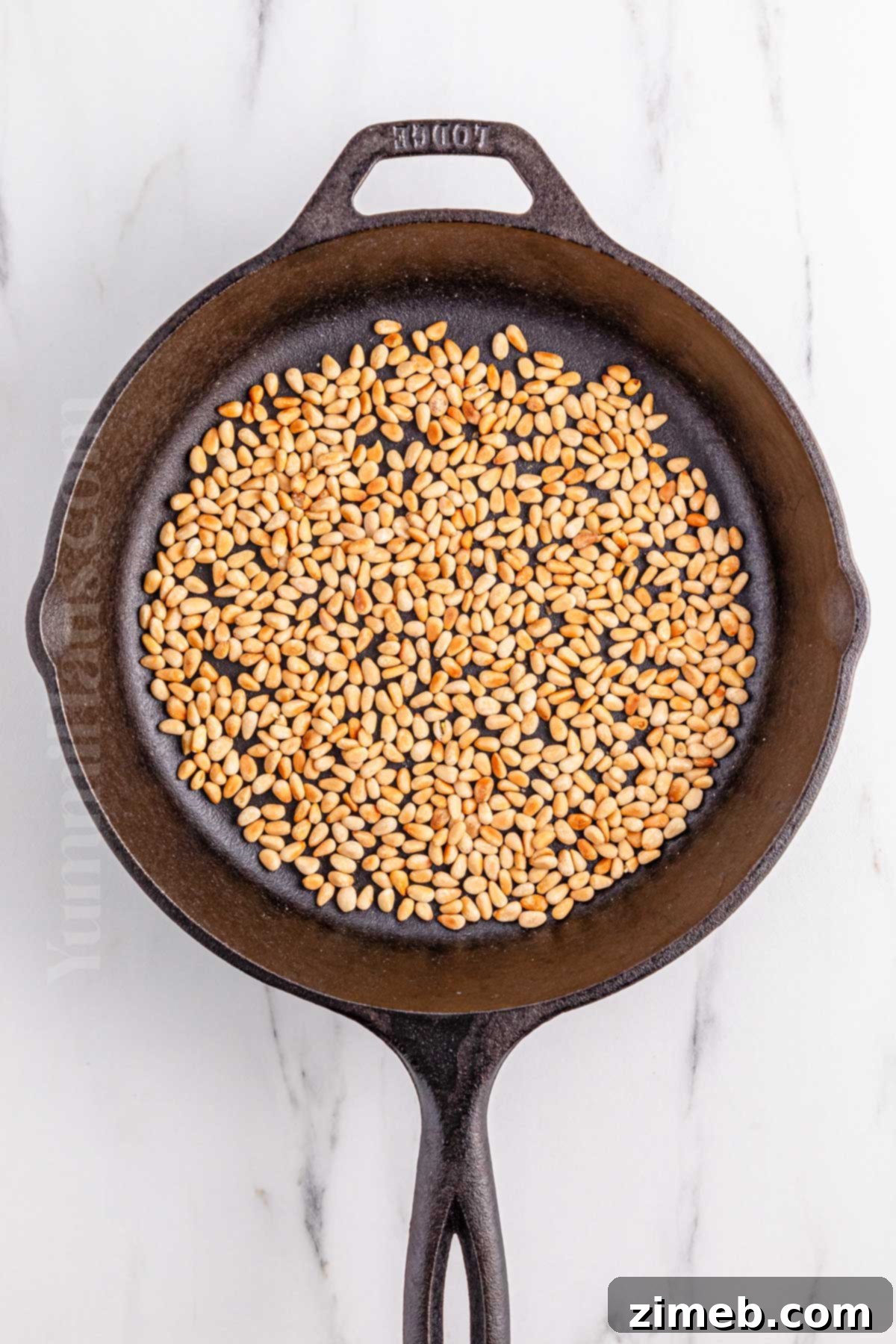
- Place the raw pine nuts in a dry medium skillet over medium-low heat.
- Stir frequently and continuously for approximately 3-4 minutes, or until they turn a beautiful golden brown and release a fragrant, nutty aroma. Be vigilant, as pine nuts can go from perfectly toasted to burnt very quickly!
- Immediately remove the skillet from the heat and transfer the toasted pine nuts to a plate to cool for at least 5 minutes. Cooling prevents them from continuing to cook and burning.
- *Optional Oven Method:* While less controlled, you can also toast pine nuts in the oven at 325°F (160°C) until lightly golden. Keep a close eye on them to prevent over-browning.
Step 2: Create the Aromatic Pesto Base
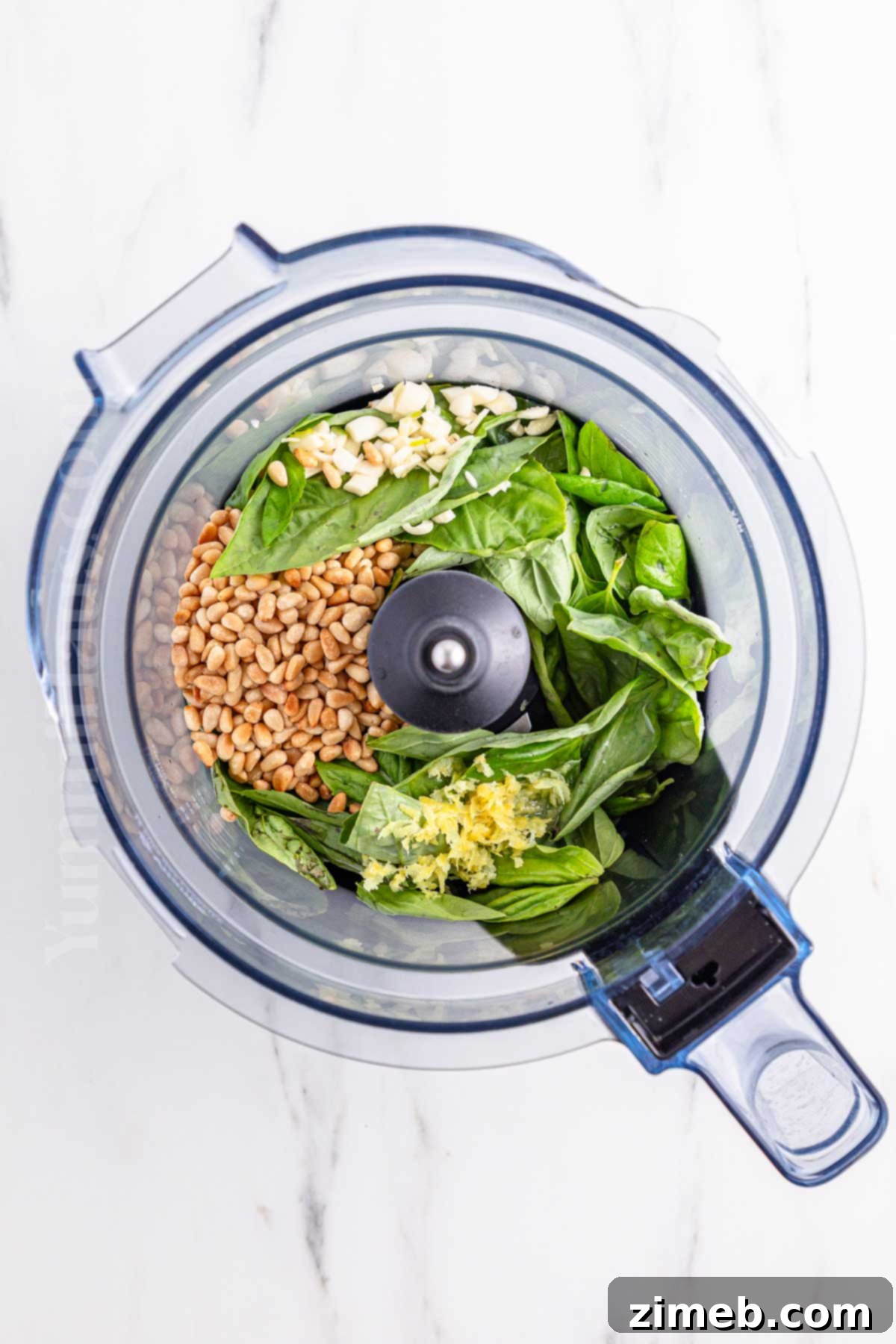
- Once the toasted pine nuts have cooled completely, combine them in the bowl of your food processor along with the fresh basil leaves, a generous squeeze of fresh lemon juice, the fragrant lemon zest, and the finely chopped garlic cloves.
- Pulse the ingredients in short bursts, typically 5-10 seconds at a time. Continue pulsing until all components are finely chopped into small, even pieces. Avoid over-processing at this stage; we’re aiming for a slightly coarse, textured mixture.
Step 3: Gradually Emulsify with Olive Oil
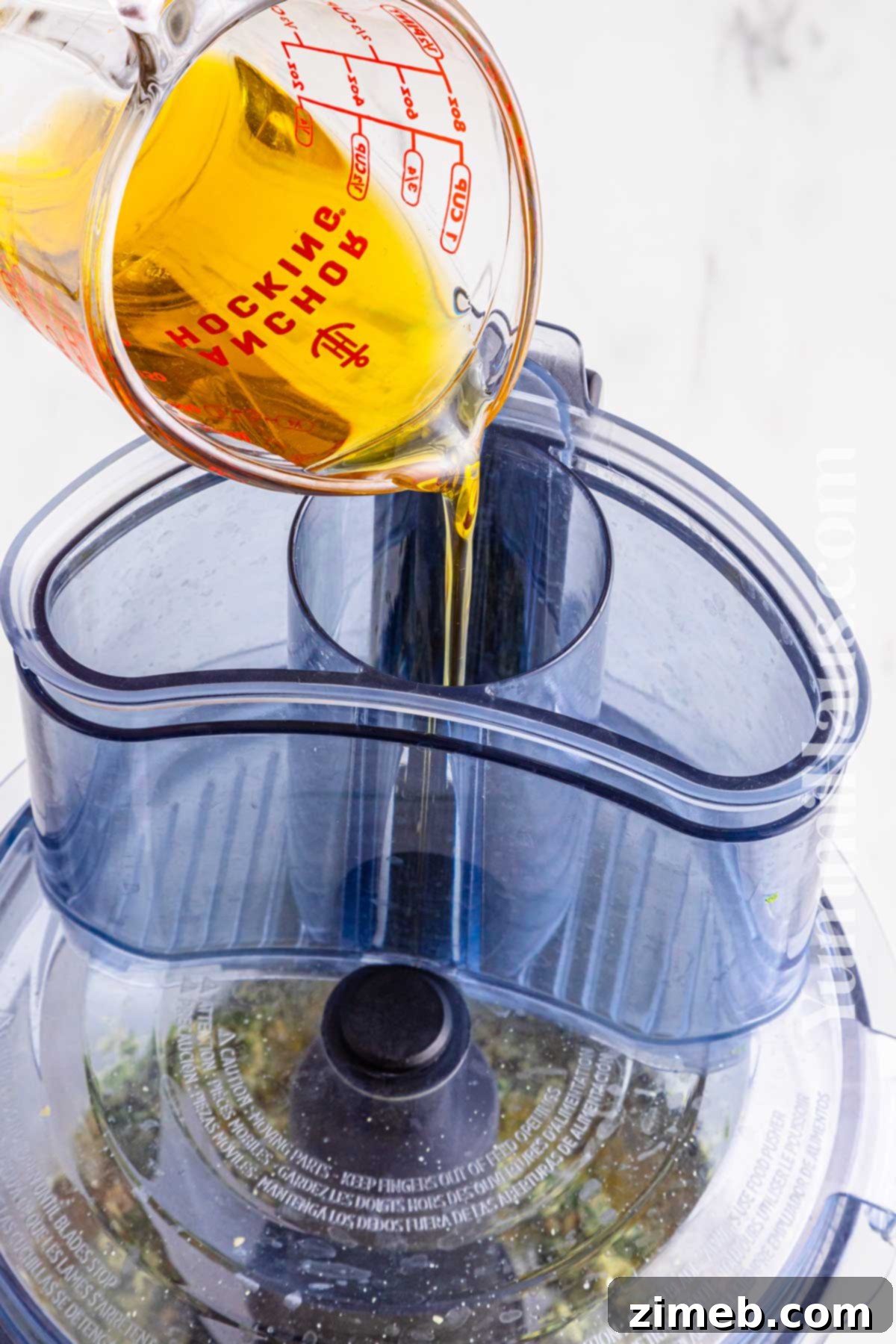
Turn your food processor on low speed. With the machine running, slowly and steadily pour in the extra virgin olive oil in a thin stream through the feed tube. This gradual addition allows the oil to emulsify beautifully with the other ingredients, creating a smooth, cohesive, and creamy sauce. Once all the oil is incorporated, turn off the food processor and use a spatula to scrape down any ingredients clinging to the sides of the bowl, ensuring an even blend.
Step 4: Incorporate Parmesan and Season to Perfection
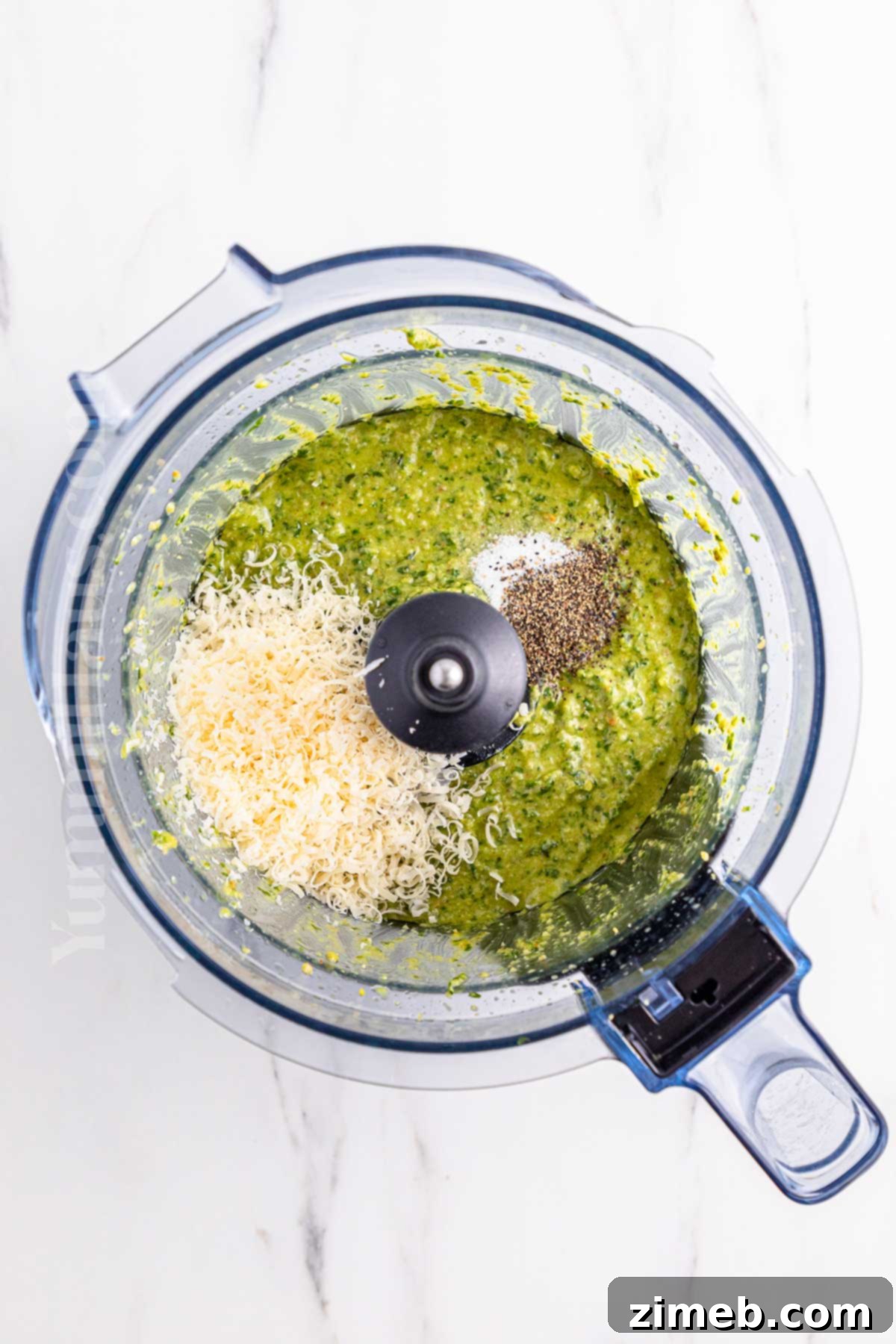
Finally, add the freshly grated Parmesan cheese, salt, and black pepper to the food processor. Pulse a few more times, just until the cheese is evenly distributed and the pesto reaches your desired consistency. Avoid over-processing once the cheese is in, as excessive heat can compromise its texture and flavor. Taste and adjust seasoning as needed – you might want a little more salt, pepper, or lemon juice to balance the flavors.
Unleashing the Versatility: Creative Ways to Enjoy Basil Pesto
The beauty of homemade basil pesto lies in its incredible versatility. Far beyond just pasta, this vibrant sauce can elevate an astonishing array of dishes. Here are just a few ideas to inspire your culinary adventures:
- Pasta Perfection: The most classic use! Toss your fresh pesto with any pasta shape – spaghetti, fettuccine, penne, or even gnocchi – for a quick, flavorful, and satisfying meal. For an extra touch, consider adding it to a pesto pasta salad for a refreshing side dish.
- Protein Power-Up: Drizzle or spread pesto over grilled or baked chicken, pan-seared fish (like salmon or cod), succulent shrimp, or a perfectly cooked steak. It adds a burst of herbaceous flavor that complements almost any protein.
- Delectable Spreads & Dips:
- Sandwiches & Wraps: Replace mayonnaise or mustard with a generous smear of pesto for an instant flavor upgrade.
- Bruschetta & Crostini: Spread on toasted bread, then top with fresh tomatoes, mozzarella, or extra basil for an elegant appetizer.
- Party Dip: Thin out your pesto slightly with a bit more olive oil to create a fantastic dip for fresh vegetable sticks, crackers, or pita bread.
- Vegetable Enhancement: Toss roasted vegetables with pesto, or add a dollop to steamed greens for an instant flavor boost. It pairs exceptionally well with tomatoes, bell peppers, zucchini, and potatoes.
- Breakfast & Brunch: Stir a spoonful into scrambled eggs, or use it as a flavorful base for avocado toast.
- Pizza & Flatbreads: Use pesto as a base sauce instead of traditional tomato sauce for a fresh, gourmet pizza.
- Soups & Stews: Swirl a tablespoon into minestrone or vegetable soup just before serving for an added layer of freshness.
Proper Storage: Keeping Your Homemade Pesto Fresh and Vibrant
To ensure your delicious homemade basil pesto remains fresh and maintains its vibrant green color, proper storage is key:
- Refrigeration: Transfer any leftover pesto into an airtight container, such as a mason jar. For best results and to prevent oxidation (which causes browning), press a piece of plastic wrap directly onto the surface of the pesto before sealing the container, or pour a thin layer of extra virgin olive oil over the top. Refrigerated pesto will stay fresh and flavorful for up to 4-5 days.
- Freezing for Long-Term Storage: Pesto freezes beautifully, allowing you to enjoy summer flavors year-round.
- Ice Cube Trays: The most convenient method is to spoon pesto into ice cube trays. Freeze until solid, then pop out the pesto cubes and transfer them to a freezer-safe bag or container.
- Prevent Oxidation in Freezer: Just like with refrigeration, you can pour a thin layer of olive oil over the pesto in each ice cube compartment before freezing to help preserve its bright green color.
- Duration: Frozen pesto can be stored for up to 3 months without significant loss of flavor or quality.
- Thawing: When ready to use, simply take out the desired number of pesto cubes and let them thaw at room temperature for an hour, or gently warm them on the stovetop over low heat.
Get Creative: Pesto Substitutions & Exciting Variations
While classic basil pesto is undeniably delicious, don’t hesitate to experiment with substitutions and variations to tailor the sauce to your taste, dietary needs, or what you have on hand. Pesto is incredibly forgiving and open to innovation!
- Alternative Nuts & Seeds: If pine nuts are unavailable or you simply want to try something new, a variety of nuts and seeds can be used. Consider walnuts for a bolder, more earthy flavor; pistachios for a slightly sweeter, vibrant green pesto; or almonds for a milder alternative. For a nut-free option, sunflower seeds or pumpkin seeds (pepitas) can also work, though they will significantly alter the traditional flavor profile.
- Cheese Options: Parmigiano-Reggiano is the traditional and preferred choice, but other hard, aged cheeses can be excellent substitutes. Pecorino Romano offers a sharper, saltier kick, while Grana Padano provides a slightly milder, sweeter note. For a vegetarian pesto, ensure you use a Parmesan cheese made without animal rennet. Cheddar cheese is generally not recommended as its flavor can overpower the delicate basil. For a completely vegan version, simply omit the cheese or blend in a few tablespoons of nutritional yeast for a savory, cheesy essence.
- Herb & Green Swaps: Basil is paramount for classic pesto, but you can create fantastic “pesto-style” sauces using other fresh herbs or leafy greens, either alone or in combination with basil:
- Mint Pesto: Refreshing and bright, wonderful with lamb or peas.
- Cilantro Pesto: Adds an exotic, zesty note, great for Mexican or Indian-inspired dishes.
- Kale or Arugula Pesto: Offers a slightly bitter, peppery edge, excellent for a more robust flavor.
- Parsley Pesto: Lighter and more herbaceous, pairs well with fish.
- Baby Spinach Pesto: Milder and adds extra nutrients, great for sneaking greens into kids’ meals.
- Sun-Dried Tomato Pesto (Pesto Rosso): For a delightful change, blend sun-dried tomatoes (oil-packed, drained) with your basil leaves and other ingredients. This creates a rich, sweet, and tangy red pesto that’s fantastic on sandwiches or with roasted vegetables.
- Spice It Up: Beyond salt and pepper, feel free to add a pinch of red pepper flakes for a subtle kick, a dash of cayenne for more heat, or a touch of smoked paprika for a smoky depth.
- Milder Garlic: If raw garlic is too intense for your palate, replace it with roasted garlic cloves. Roasting mellows the garlic’s pungency and introduces a sweet, caramelized flavor.
- Creamy Pesto: For an extra rich and creamy sauce, especially when making pesto pasta, you can blend in a tablespoon or two of heavy cream or a splash of pasta water at the end.
Expert Tips for Crafting Your Best Homemade Pesto
Achieving pesto perfection is within reach with these professional insights:
- Combat Oxidation (Browning): Basil pesto naturally oxidizes when exposed to air, causing it to turn brown. To slow this process, always cover your stored pesto with a thin layer of extra virgin olive oil on top, or press plastic wrap directly onto its surface, ensuring no air pockets.
- Lemon’s Preservative Power: Beyond flavor, the acidity from lemon juice also acts as a natural antioxidant, helping to keep your pesto vibrant green for longer. Don’t skip it!
- Blanching Basil (Optional for Color): For an exceptionally bright green pesto that holds its color, you can briefly blanch basil leaves in boiling water for 10-15 seconds, then immediately plunge them into an ice bath. This sets the chlorophyll. Pat them very dry before proceeding with the recipe.
- Adjusting Consistency: If you prefer a thinner, more pourable pesto (perhaps for a dressing or dip), simply add a little more olive oil, one tablespoon at a time, until you reach your desired texture. For a thicker, more spreadable pesto, use slightly less oil.
- Personalize the Ratios: This recipe is a fantastic starting point, but feel free to adjust the ingredient ratios to suit your personal preference. Love a garlicky kick? Add an extra clove! Prefer a cheesier flavor? Increase the Parmesan. Want more nuttiness? Add more pine nuts. Taste as you go and make it truly yours.
- Garnish for Presentation: For a restaurant-quality presentation, save a few toasted pine nuts and fresh basil leaves. Use them as a beautiful and aromatic garnish when serving your pesto dish.
- Don’t Overprocess: Pulsing, not continuous blending, is key, especially after adding basil and cheese. Overprocessing can heat the ingredients, making the pesto bitter and dulling its vibrant color. Aim for a slightly coarse, but uniform texture.
- Scrape Down the Sides: Throughout the blending process, periodically stop and scrape down the sides of your food processor bowl to ensure all ingredients are evenly incorporated.
If you’ve enjoyed crafting this fresh basil pesto, you’ll surely love exploring these other delicious homemade sauce recipes. Click each link below to discover easy, printable recipes that will enhance your culinary repertoire!
Béchamel Sauce for Lasagna
This creamy, classic Béchamel sauce is the perfect white sauce for lasagna—rich, smooth, and made with butter, flour, and milk for a silky layer that elevates every bite.
Check out this recipe
Buffalo Sauce
This Buffalo sauce is a buttery hot sauce that is absolutely perfect for Buffalo chicken wings — and so much more.
Check out this recipe
Cheddar Cheese Sauce Recipe
Creamy, rich, and full of flavor, this Cheddar Cheese Sauce recipe is perfect for pouring over vegetables, pasta, baked potatoes, and more. Quick and easy to make in just minutes!
Check out this recipe

Carolina BBQ Sauce
Carolina BBQ sauce is a delicious, flavorful, and tangy sauce for every occasion. Less sweet than Texas sauce but with a little heat. It goes great on everything from chicken to pork to vegetables.
Check out this recipe
Easy Bolognese Recipe
This Easy Bolognese Recipe is easy to make and so delicious. You’ll love the rich, beefy flavor of this classic sauce. Serve this sauce over your favorite pasta for a hearty meal that everyone will love.
Check out this recipe
More Delicious Recipes Featuring Pesto
Once you’ve mastered this homemade basil pesto, you’ll want to try it in these other fantastic dishes:
- Pasta al Pesto
- Pesto with Tortellini
- Pesto Pasta Salad
- Sheet Pan Pesto Chicken Dinner
CONNECT WITH YUMMI HAUS!
Be sure to follow me on my social media, so you never miss a post!
Substack, FB, Pinterest, IG, Email Subscription
Rate this Recipe
Pesto Sauce Recipe for Pasta
Servings: 5 servings
A quick and flavorful pesto sauce recipe for pasta, made with fresh basil, Parmesan, garlic, pine nuts, and olive oil. Perfect for weeknight dinners or adding vibrant Italian flavor to any dish!
Pin
Save
Cook Time: 4 mins
Total Time: 14 mins
Ingredients
- ½ cup pine nuts (raw)
- 2 cups basil leaves (packed)
- 2 tablespoons lemon juice (fresh-squeezed)
- 1 teaspoon lemon zest
- 2 garlic cloves (chopped)
- ½ cup olive oil (extra virgin)
- ½ cup Parmesan cheese (freshly, finely grated)
Salt and pepper, to taste
Serving suggestions: over steak, chicken, or fish, or enjoy as a sauce in pasta salad, pasta, or as a spread for sandwiches, or over bread
Instructions
- Toast the pine nuts in a medium skillet over medium-low heat, stirring frequently until golden brown for about 3-4 minutes. Don’t get distracted, they can burn quickly.
- Remove from the heat. Set aside to cool for at least 5 minutes.
- Once cooled, combine the toasted pine nuts, basil, lemon juice, lemon zest, and garlic in the food processor. Pulse for 5-10 seconds at a time until everything is chopped into small pieces.
- Turn the food processor on low and slowly pour in the olive oil while it is processing to allow it to emulsify. Turn it off and scrape down the sides.
- Pulse in the parmesan, salt, and pepper.
This can be used with steak, chicken, fish, as a sauce in pasta salad, pasta, or as a spread for sandwiches or over crostini/bread.
Notes
Yield: 1.25 cups
- Raw pine nuts can be used.
- Add a thin layer of olive oil on top and cover with plastic wrap or place in an airtight container (like a mason jar with lid) to slow down the oxidation process. Pesto will slowly start to turn brown when in contact with air.
- Lemon helps to slow down the oxidation process.
- Blanching the basil can help to slow down the oxidation process and help keep the leaves green.
- For a thinner consistency, add a little more olive oil.
- You can alter the ratios if you want one ingredient to be more pronounced, such as more grated parmesan, more pine nuts, more garlic, or more salt and pepper.
STORING
Store leftovers in an airtight container like a mason jar and refrigerate for up to 4 days.
Equipment
- Food Processor
Nutrition Information
Serving: 1 serving | Calories: 329kcal | Carbohydrates: 4g | Protein: 5g | Fat: 34g | Saturated Fat: 5g | Cholesterol: 9mg | Sodium: 176mg | Potassium: 139mg | Fiber: 1g | Sugar: 1g | Vitamin C: 5mg | Calcium: 111mg | Iron: 1mg | Net Carbohydrates: 3g
Nutritional information for the recipe is provided as a courtesy and is approximate. Please double-check with your own dietary calculator for the best accuracy. We at Yummi Haus cannot guarantee the accuracy of the nutritional information given for any recipe on this site.
Love this recipe?Follow @KleinworthCo for even more tasty recipes!